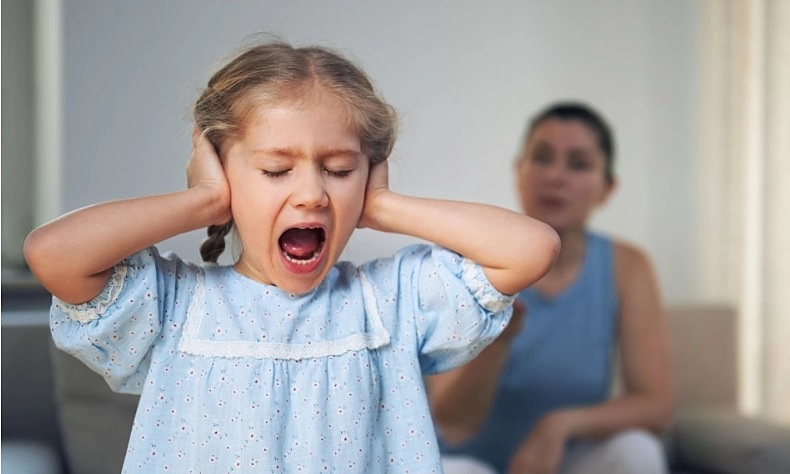
At a shopping mall, a three-year-old girl lay on the floor crying because she was not allowed to buy ice cream. Immediately, her mother, Zhang Yu, lay down beside her. She cried and thrashed more loudly than her daughter. The child was stunned, stopped crying, and looked at her mother in shock.
"This method was surprisingly effective; normally, I try everything to soothe her, but she still cries and fusses", Zhang Yu shared.
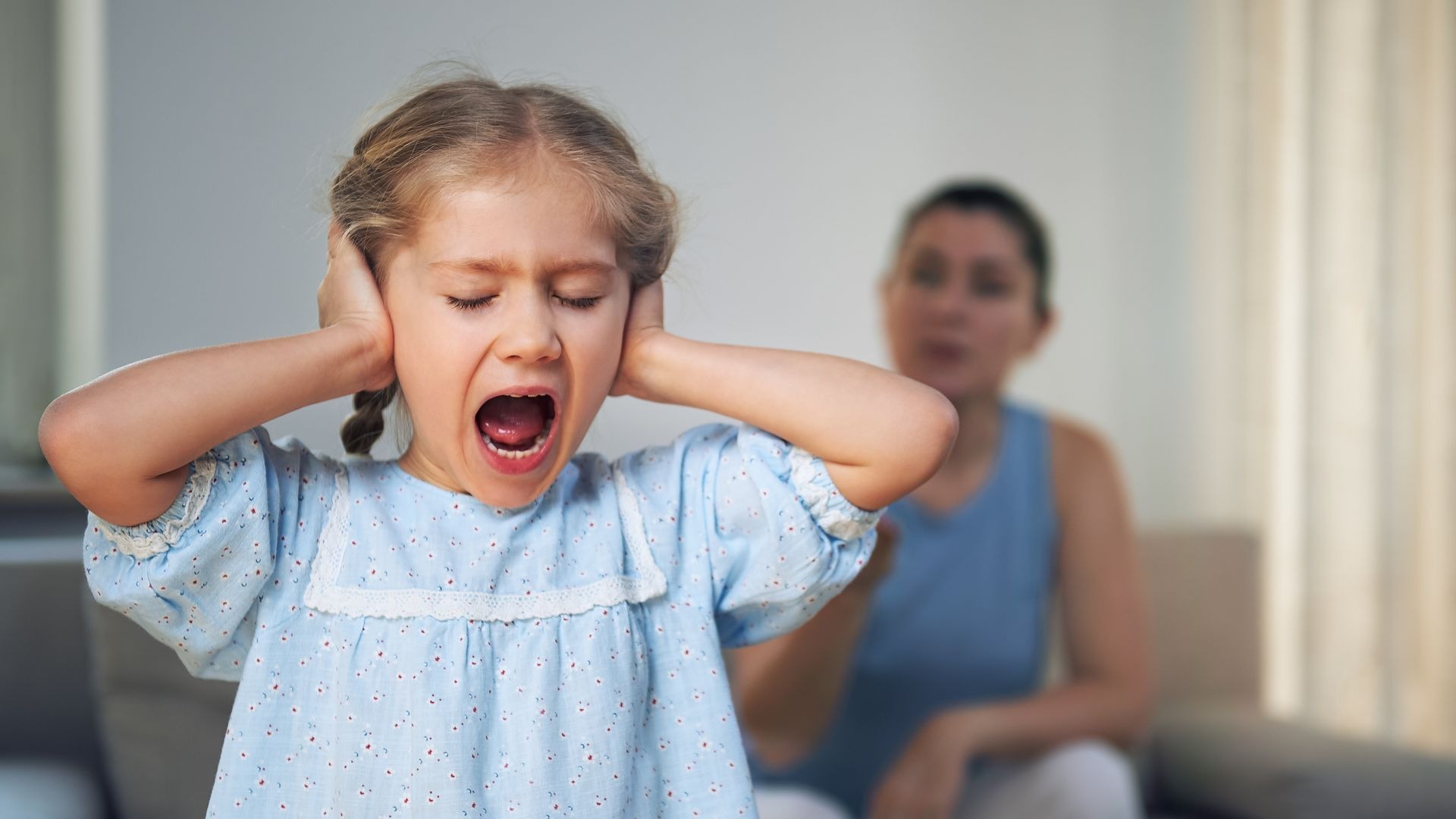 |
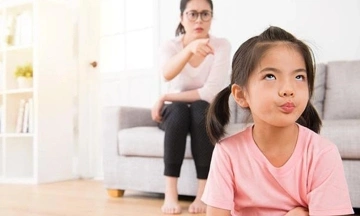
Illustrative photo: Pexels |
This is a prime example of a parenting trend gaining traction among Millennial parents in China. The trend began with a recent viral video showing a mother in Heilongjiang province letting her daughter go outside in cold weather wearing a thin dress because the child believed she was a princess. Instead of stopping her, the mother quietly followed, allowing the child to experience the cold for herself. Netizens judged this approach to be more effective than thousands of explanations.
The "reverse parenting" trend is currently divided into three main styles:
Role reversal: Parents actively display vulnerability, acting as if they need care to evoke a sense of responsibility and empathy in their children.
Experiencing consequences: Parents allow children to face the outcomes of their own choices. In Wuhan, an eight-year-old boy demanded to quit school to become a gamer. His parents did not object but required him to play games for 16 hours a day. After three days, the boy cried four times from exhaustion, realizing that professional gaming was not fun, and decided to return to school.
Emotional mirroring: Parents use the child's own tantrum behavior to make the child reflect on themselves. This "fight fire with fire" approach puts the child in an unexpected situation, forcing them to self-regulate their emotions.
This trend represents the Millennial generation's reaction to the strictness they experienced. Traditional Chinese parents often maintained absolute authority and consistently sacrificed themselves. In contrast, this younger generation of parents aims to break free from control, choosing open communication and building more egalitarian relationships with their children.
The new method has garnered significant support on social media. "As long as parents aren't embarrassed, the child will be", one commenter wrote.
According to psychology expert Han Sanqi, this is a method of "consequence-based education". For young children who lack reasoning abilities, directly experiencing the outcome helps them understand immediately. However, the expert warns that parents must apply it carefully, considering the child's age.
Children aged eight or nine and above already understand cause and effect, so merely showing them the result is not enough. "At this stage, parents need to shift to logic-based education. Parents should provide deeper, more thorough guidance instead of simply mimicking the child's behavior", Mr. Han stated.
Despite widespread support in China, this "fight fire with fire" trend among Chinese parents has faced considerable debate on international parenting forums. Many Western parents and educators express concerns:
Failing to model emotional regulation: A Reddit user commented, "Adults need to model how to control emotions in stressful situations, not join in a child's chaos. A three-year-old's brain is not developed enough to understand sarcasm or the deeper lesson behind such actions."
Risk of psychological trauma: Many consider leaving a child in a thin dress in freezing weather or forcing a child to play games until they cry to be a form of emotional abuse. "The child stopped crying out of shock, confusion, and fear at the mother's unusual reaction, not because they realized their mistake", a reader commented on X social media.
Eroding a sense of security: Many believe that, in the long term, parents consistently playing the role of being weak, throwing tantrums, or losing control can undermine a child's trust. At preschool age, children always need a stable, consistent adult as a psychological anchor whenever they feel confused.
By Thanh Thanh (China Daily, SCMP)