Many homemakers rinse defrosted meat when they see red liquid, mistakenly believing it to be dirty blood. This liquid is actually a mixture of water and myoglobin, a pigmented protein found in animal muscle, not a contaminant that needs removal.
Rinsing meat after defrosting, if not done carefully, can do more harm than good, primarily for two reasons: hygiene and food quality.
Risk of cross-contamination
Bacteria (such as salmonella or campylobacter in poultry) often adhere firmly to meat surfaces and cannot be washed away with plain water. Rinsing meat under a faucet can inadvertently splash bacteria onto the sink, dishes, cutting boards, and the cook's hands. This is a common cause of cross-contamination in the kitchen.
According to food safety experts, cooking temperature is the factor that eliminates bacteria, not the act of rinsing.
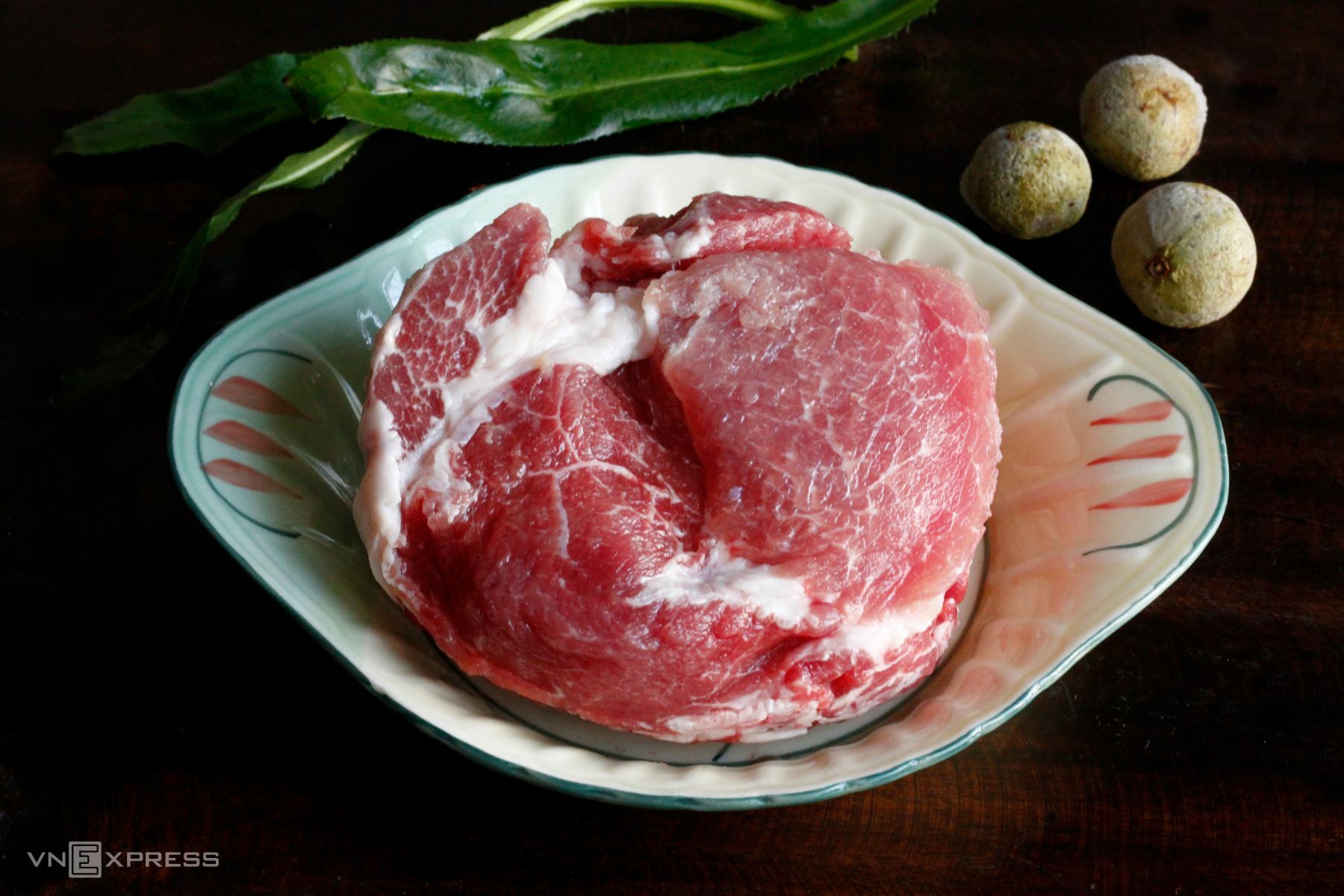 |
Defrosted pork. Photo: Bui Thuy |
Impact on flavor
From a culinary perspective, waterlogged meat is difficult to cook well. When roasting, pan-searing, or stir-frying, wet meat lowers the pan's temperature, causing the dish to steam rather than brown (the Maillard reaction). This results in meat that is tough, pale, and loses its natural sweetness.
Conversely, simply patting the surface dry with paper towels after defrosting helps the meat retain its internal moisture. When cooked, it will brown quickly, develop a rich aroma, and have a deeper flavor.
When to rinse?
The "no-rinse" rule is best applied to meat purchased from supermarkets, which is packaged and stored according to standards. However, the practical context in Vietnam often requires flexibility. You should still rinse meat in the following cases:
- Meat bought from traditional markets, exposed to dust and dirt.
- Meat with bone fragments, hair, or impurities after cutting.
- Rapid defrosting by direct immersion in water.
In these situations, instead of rinsing vigorously under a faucet, gently wash the meat in a basin of clean water to minimize splashing. Afterward, it is essential to thoroughly pat the meat dry with specialized paper towels before cooking. Do not forget to sanitize the sink and your hands with soap immediately afterward to ensure safety for the entire family.
Bui Thuy