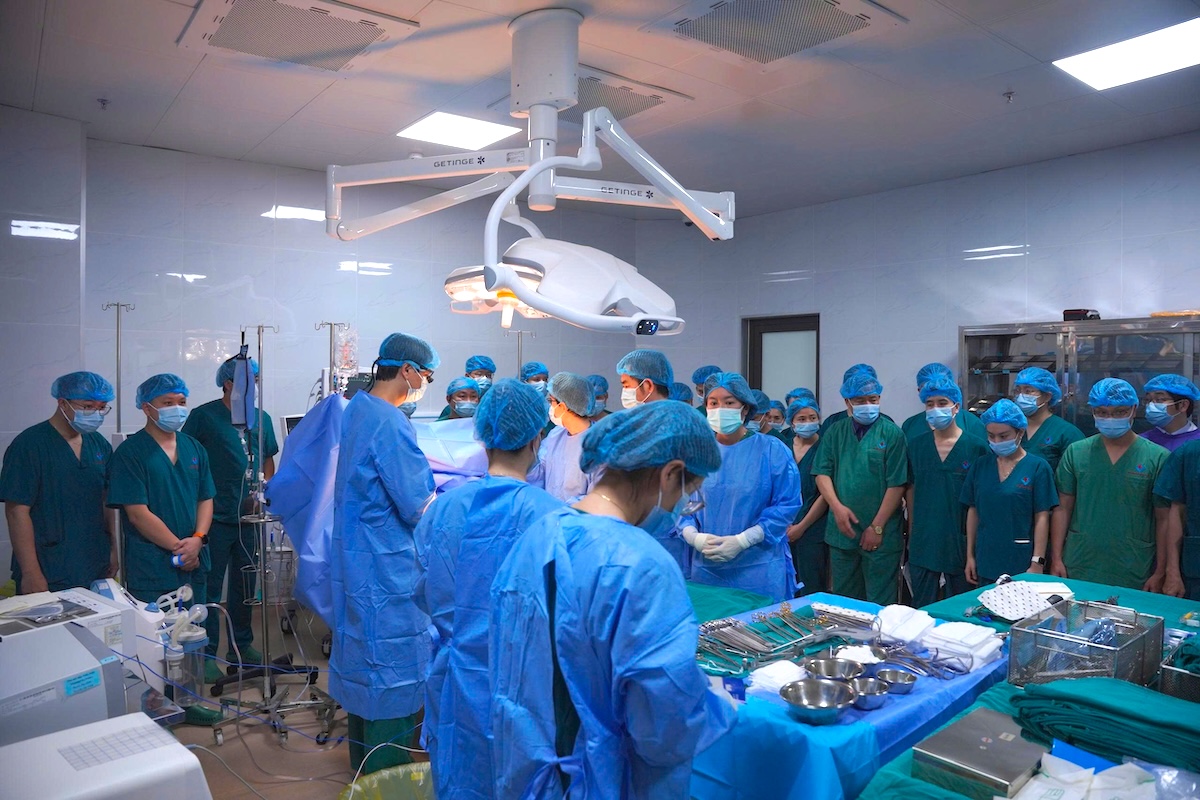
The obstetrics department at Miryang Jeil Hospital in Gyeongsangnam province is set to close in September, after 40 years of operation. This hospital, one of the largest in the region, has 79 beds and departments including obstetrics, gynecology, pediatrics, and internal medicine. Since 1986, the department has delivered over 20,000 newborns.
The hospital director stated that in recent years, the obstetrics department had only two doctors: himself (in his 70s) and one other doctor in his 60s. The facility is compelled to cease delivery services.
The sharp decline in obstetric and pediatric doctors is attributed to the low number of births in Miryang. In 2025, the city's population will fall below 100,000 for the first time. The number of births at the hospital decreased from an average of 400 cases per year to 108 cases in 2025, and 58 cases in the first six months of this year.
Since 2013, the Miryang administration has supported the hospital with 500 million won (approximately 9.5 billion VND) annually to maintain the city's sole obstetrics department. Despite this, the facility still incurred monthly losses of approximately 150 million won (2.9 billion VND).
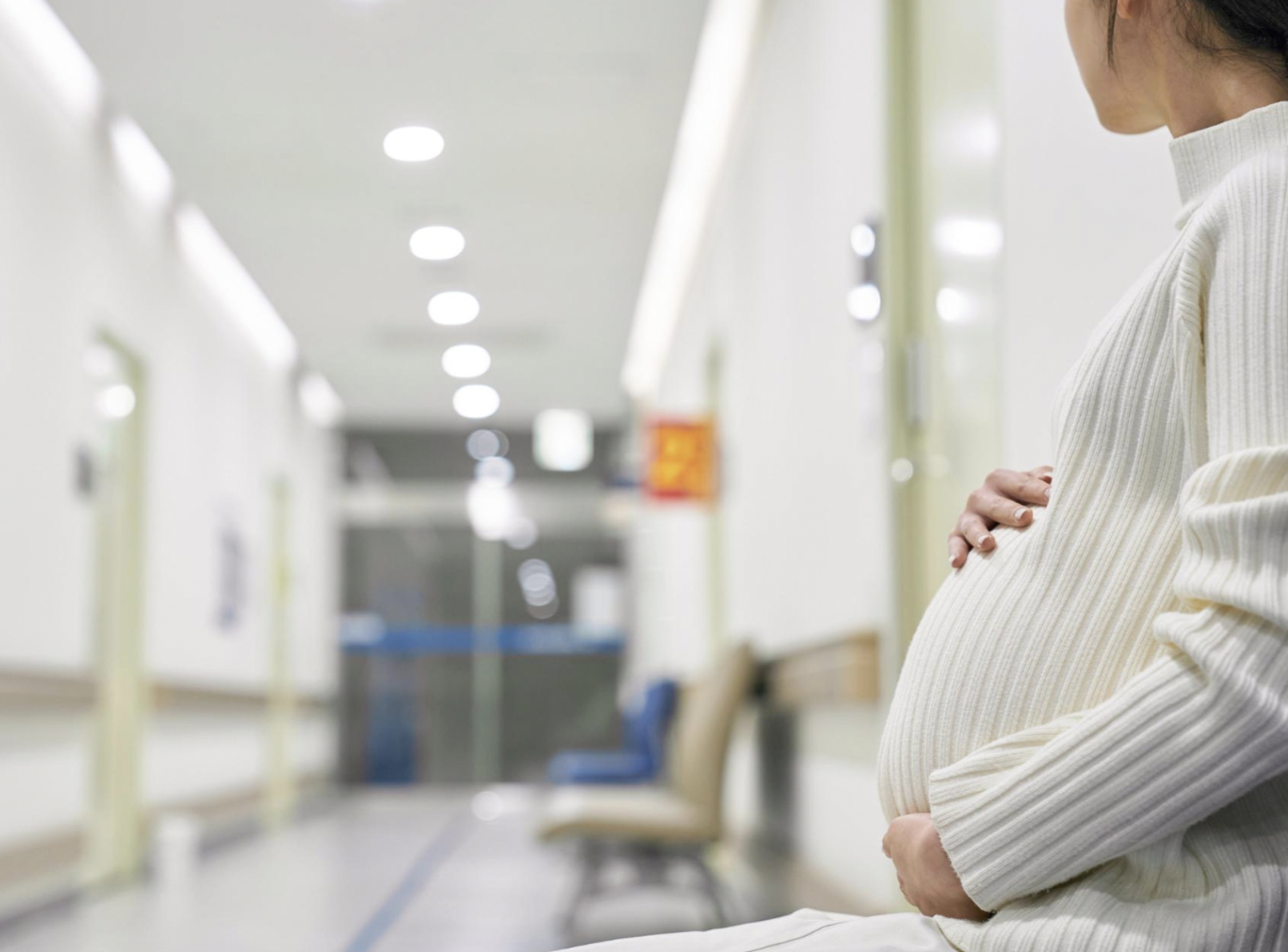 |
Illustration: Korea Times
Following the department's closure, pregnant women in Miryang will need to travel to nearby cities such as Yangsan or Busan for childbirth. The city government is developing a response plan, which includes pre-registering pregnant women with the 119 emergency system and deploying seven ambulances equipped for urgent deliveries.
The "obstetrics and pediatrics desert" situation in Miryang is also prevalent in many rural areas of South Korea. Low birth rates lead to financial losses for obstetrics departments, while the lack of birthing facilities creates difficulties for young families, accelerating population decline.
According to the South Korean Ministry of Health and Welfare, 436 medical facilities provided delivery services last year, a nearly 30% decrease compared to 2015. Out of 252 city and district-level administrative units, 84 (equivalent to one-third) no longer have obstetric facilities. This shortage poses significant risks for high-risk pregnant women.
To bridge this gap, some local governments are establishing emergency networks. In Gangwon province, where 13 out of 18 cities and districts lack birthing services, authorities have collaborated with the fire department to operate a system for transporting pregnant women to hospitals via the 119 hotline.
Many medical experts state that transport solutions are only temporary. The government needs to increase payments to local hospitals, support complex births, and expand the public obstetrics system. A health official indicated that the maternal care system in local areas is facing a crisis due to financial losses and a doctor shortage, risking further closures of remaining birthing facilities.
Ngoc Ngan (According to Korea Times)