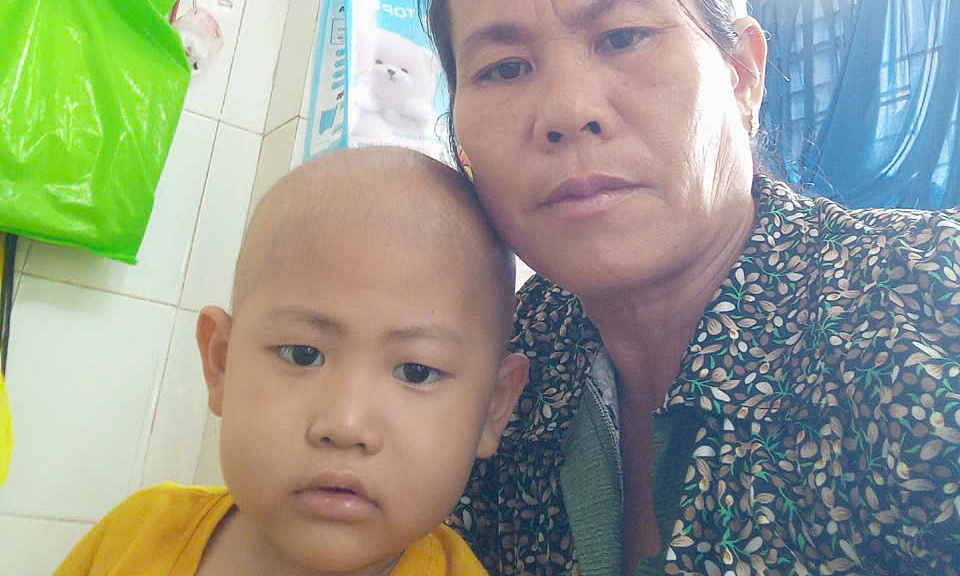
A week before his death, 27-year-old Jang Deok-jun's mother urged him to leave his job at Coupang, South Korea's largest online retailer. Having worked there for over a year, Jang had lost 15 kg and frequently complained of exhaustion, but he refused to quit, concerned his colleagues would bear an increased workload.
A week later, his mother found Jang unconscious in the bathtub. The hospital confirmed his death was due to a heart attack. South Korea's Workers' Compensation and Welfare Service (Comwel) later recognized overwork as the cause of his death.
Jang died in 2020, amidst a surge in delivery demand during the pandemic. Six years later, his mother continues her tireless campaign to end overnight shifts.
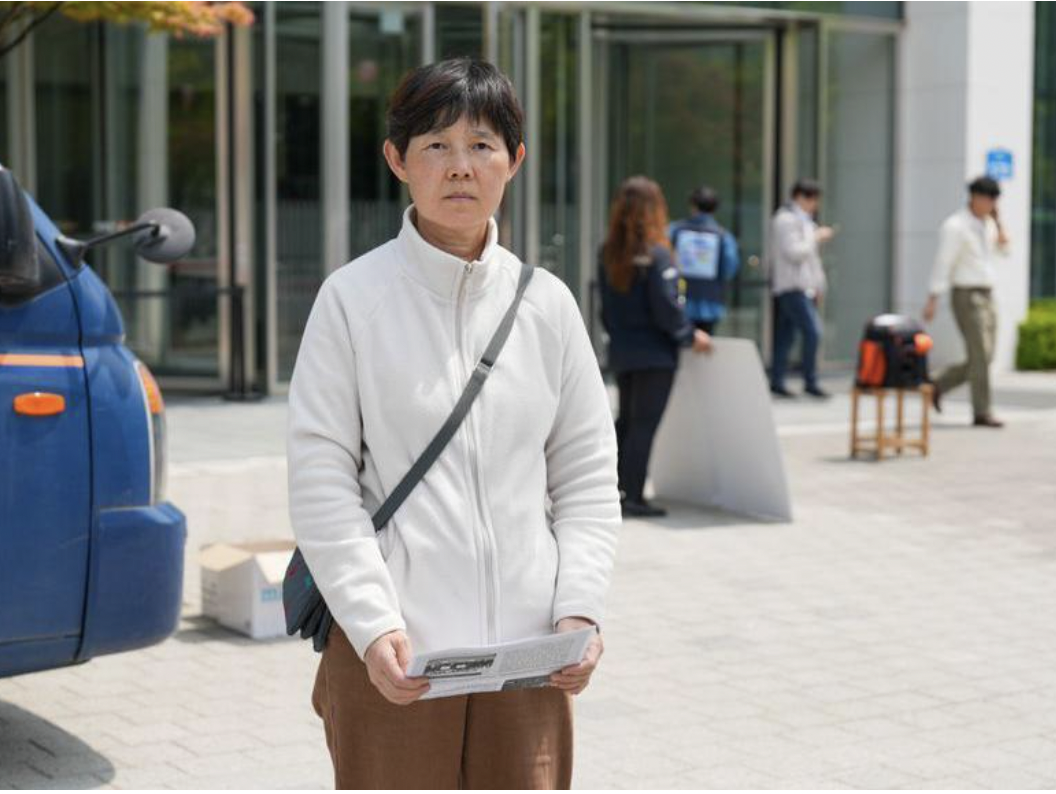 |
Jang's mother, Park Mi-suk, campaigns to end overnight shifts. *Photo: AOL*
Jang's death ignited debate over working conditions within South Korea's delivery sector. Union representatives report that suspected deaths from overwork persist as 24/7 delivery services expand, often promising deliveries before 7 a.m.
From 2020 to 5/2026, the Workers' Compensation and Welfare Service (Comwel) in South Korea recognized 46 deaths among warehouse workers and delivery drivers, attributed to stroke or heart disease, as work-related accidents.
Experts widely acknowledge that night shifts pose significant risks, including cardiovascular disease, diabetes, and mental health issues.
While the United Kingdom restricts night delivery drivers to a maximum of 10 hours daily, South Korea lacks similar regulations. The allure of higher income often compels many to disregard these inherent risks.
Kim, a driver in Incheon, works from 9 p.m. to 7 a.m., five to six days weekly. His monthly earnings of 4,600 USD are double the national average. However, he gets almost no breaks during his shift, rushing deliveries to each address before returning to his vehicle. As income is tied to order volume, drivers risk losing their assigned routes if they fail to complete deliveries by 7 a.m. Despite his wife's concerns about him falling asleep at the wheel, Kim claims he is accustomed to the schedule.
"We choose to deliver at night for the money", Kim stated.
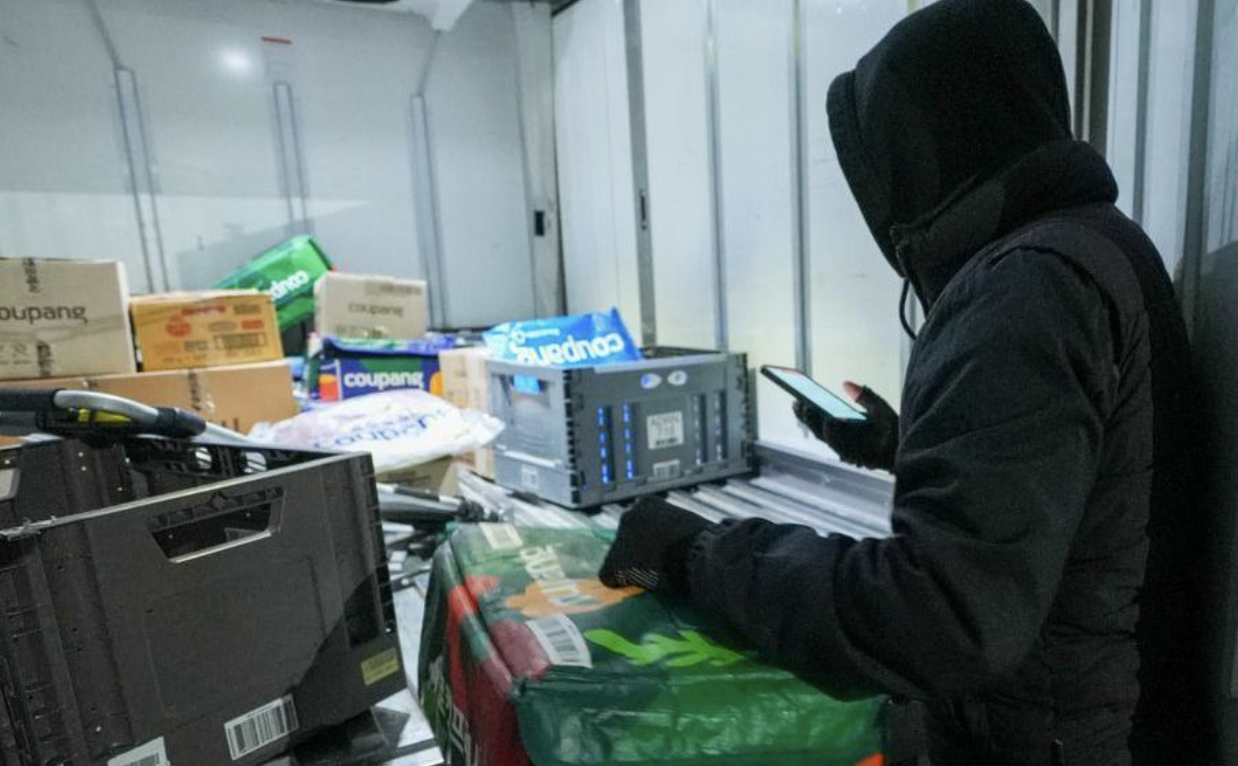 |
Kim, a night delivery driver in Seoul, South Korea. *Photo: AOL*
The death of 34-year-old Oh Seung-yong further illustrates the intense pressure on these workers. He died after his truck collided with a utility pole during a delivery and was recognized as a work-related accident. Oh routinely worked over 11 hours daily, six days a week. When his father passed away, he continued making deliveries for an additional four hours before heading to the hospital.
After losing her son, Jang's mother closed her woodworking shop. She then moved to a rented apartment in Daegu, where she keeps her son's mementos in cardboard boxes.
"I hope society does not turn a blind eye to the sacrifices of others just for a little convenience", Park stated.
Ngoc Ngan (Source: AOL)