In 2018, Tong Xin purchased her first apartment in Beijing, a unit on the 25th floor of a 31-story building constructed in 2003. "When I viewed the property, I was drawn to the expansive views and cool breeze, so I decided to buy it immediately", she recounted.
However, as winter arrived, the inconveniences began to emerge. Despite tightly closed windows, strong winds howled through every gap. "One night, the wind roared like a level 8 storm, yet looking down, the trees on the ground were still. That's when I realized the intensity of the wind at such high altitudes", Tong Xin said.
Contrary to the belief that higher floors offer more tranquility, she endured constant noise day and night from the nearby highway and subway. Nevertheless, her biggest apprehension was the elevators. After more than 20 years of operation, the building's two elevators frequently malfunctioned. Residents worried about doors failing to close securely or getting stuck mid-floor every time they stepped inside.
"One time, a neighbor's child had a high fever, and after waiting 15 minutes for the elevator without success, they had to carry their child and run down 25 flights of stairs", she recalled.
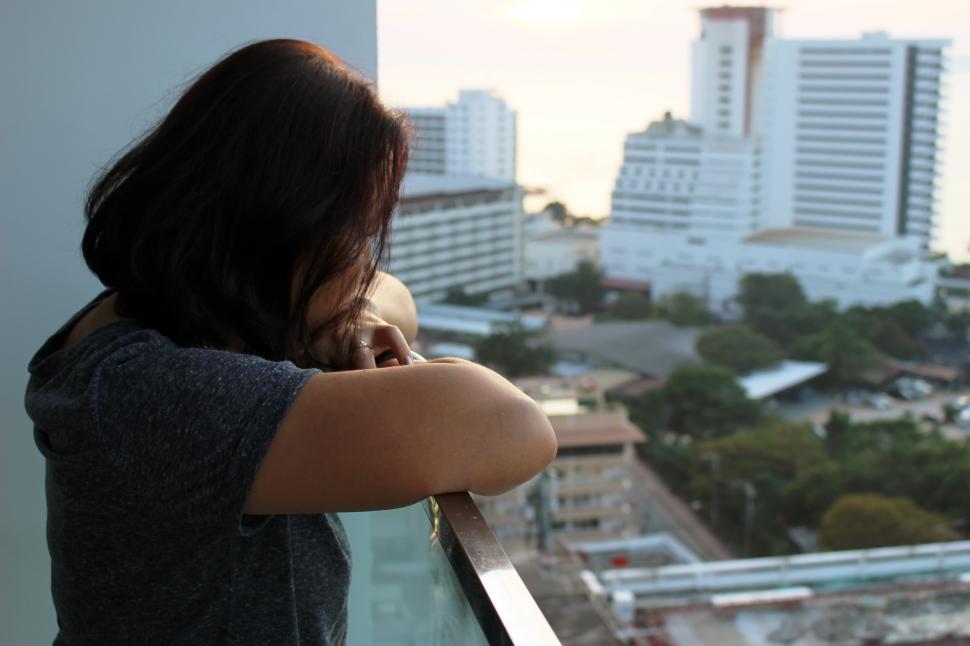 |
Residents in high-rise apartments face numerous inconveniences, especially as buildings age. Illustration: Freerangestock |
Residents in high-rise apartments face numerous inconveniences, especially as buildings age. Illustration: Freerangestock
Da Yin, who lives on the 30th floor of an apartment complex in Qingdao, shares a similar plight. He often experiences weak and discolored tap water due to issues with the booster system. During peak hours, he has to wait until midnight to shower. In winter, Da Yin's indoor temperature consistently falls below standard due to heat loss on the higher floors, despite paying full heating fees. "But the most terrifying are stormy days. The entire building shakes slightly, feeling like the end of the world", Da Yin shuddered.
As these inconveniences eroded their patience, many homeowners decided to sell their properties quickly, only to find themselves caught in a financial trap.
Tong Xin is currently listing her apartment for 3,5 million yuan (approximately 12,2 billion VND), which is 1,6 million yuan less than her purchase price. Including bank loan interest, her total loss approaches two million yuan. "Because of this house, I might have to retire 10 years later", she lamented. Despite this, the apartment has yet to find a buyer.
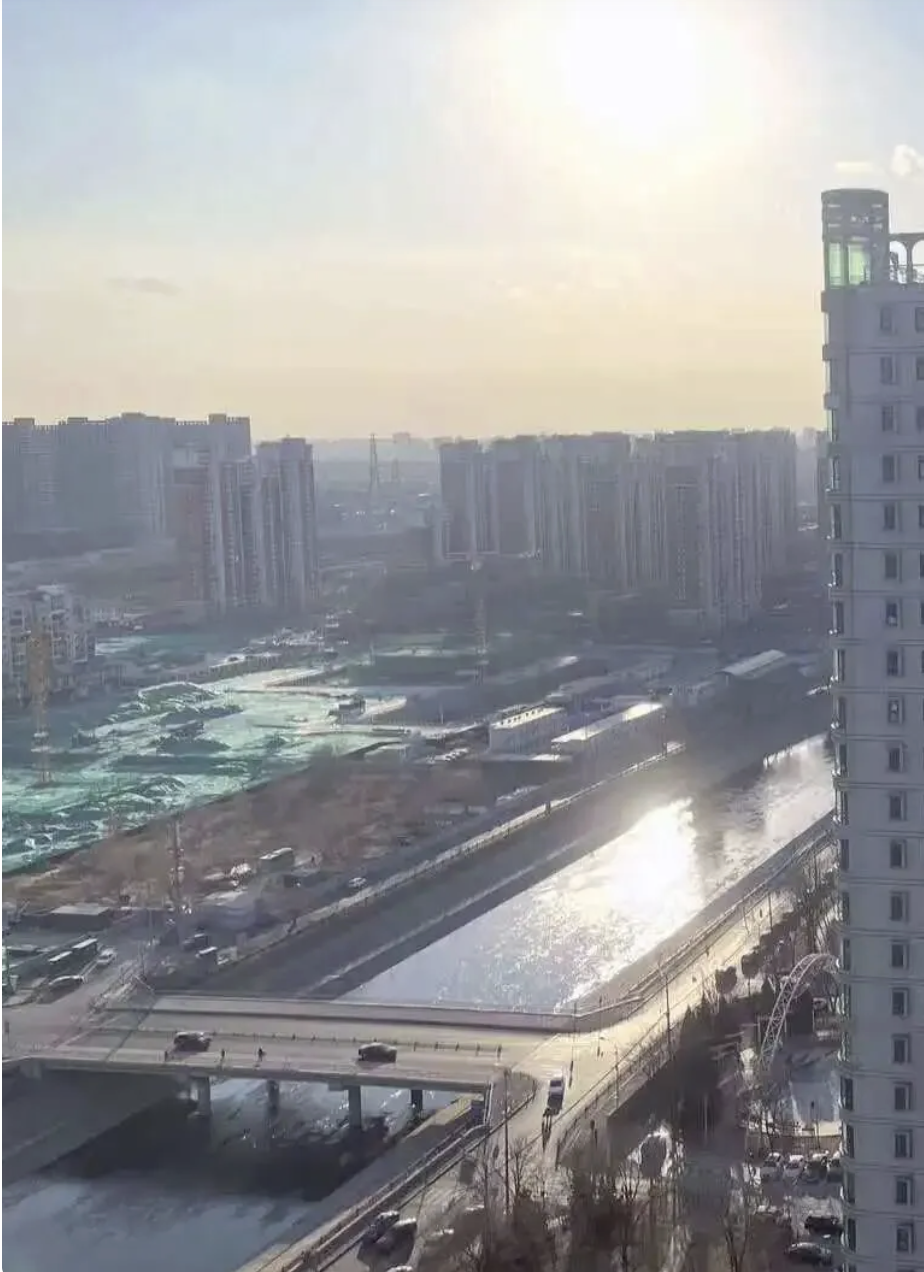 |
The view from Tong Xin's apartment in Beijing. Photo: QQ |
The view from Tong Xin's apartment in Beijing. Photo: QQ
In Chongqing, Lin Lin faces an even more dire situation. In 2016, she borrowed money to buy a 71 m2 apartment for 950,000 yuan. By 2024, due to unemployment and inability to make interest payments, she sought to sell the property to cover her debts. However, the market now values her apartment at less than 500,000 yuan.
Yan Chao, a real estate agent in Wuhan, noted a shift in buyer sentiment. Just a few years ago, people would queue overnight to secure high-floor units. One of Yan's clients had purchased a 60th-floor apartment for 1,5 million yuan. But when their elderly parents moved in, their fear of heights and concerns about elevator breakdowns led them to insist on relocating. The apartment is now listed for 730,000 yuan, but there have been no inquiries.
As of 11/2025, China boasted over 5,000 buildings exceeding 100 meters in height. However, experts are issuing warnings about a grim future for this type of housing.
The first concern is safety risks. There have been several major fires in high-rise apartment buildings, including incidents in Nanjing on 2/2024, which killed 15 people, and in Hong Kong on 11/2025, claiming the lives of more than 100 individuals. Standard fire truck ladders typically reach only the 17th floor, leaving residents on the 18th floor and above largely dependent on self-rescue in emergencies. "Although the cause of the Hong Kong fire was complex, the root still lies in infrastructure degradation", Yan stated.
The second major issue is the enormous maintenance costs. "A 30-story building will enter a major overhaul phase after 20 years. Water pipes, electrical wires, and elevators all show signs of aging. The accumulated repair costs over 50 years could be 1,8 times the value of the property", Yan analyzed. When maintenance funds are depleted, mobilizing hundreds of households to contribute to replacing elevators proves extremely difficult. Demolishing and rebuilding is also unfeasible due to the excessive costs compared to the potential profits for developers.
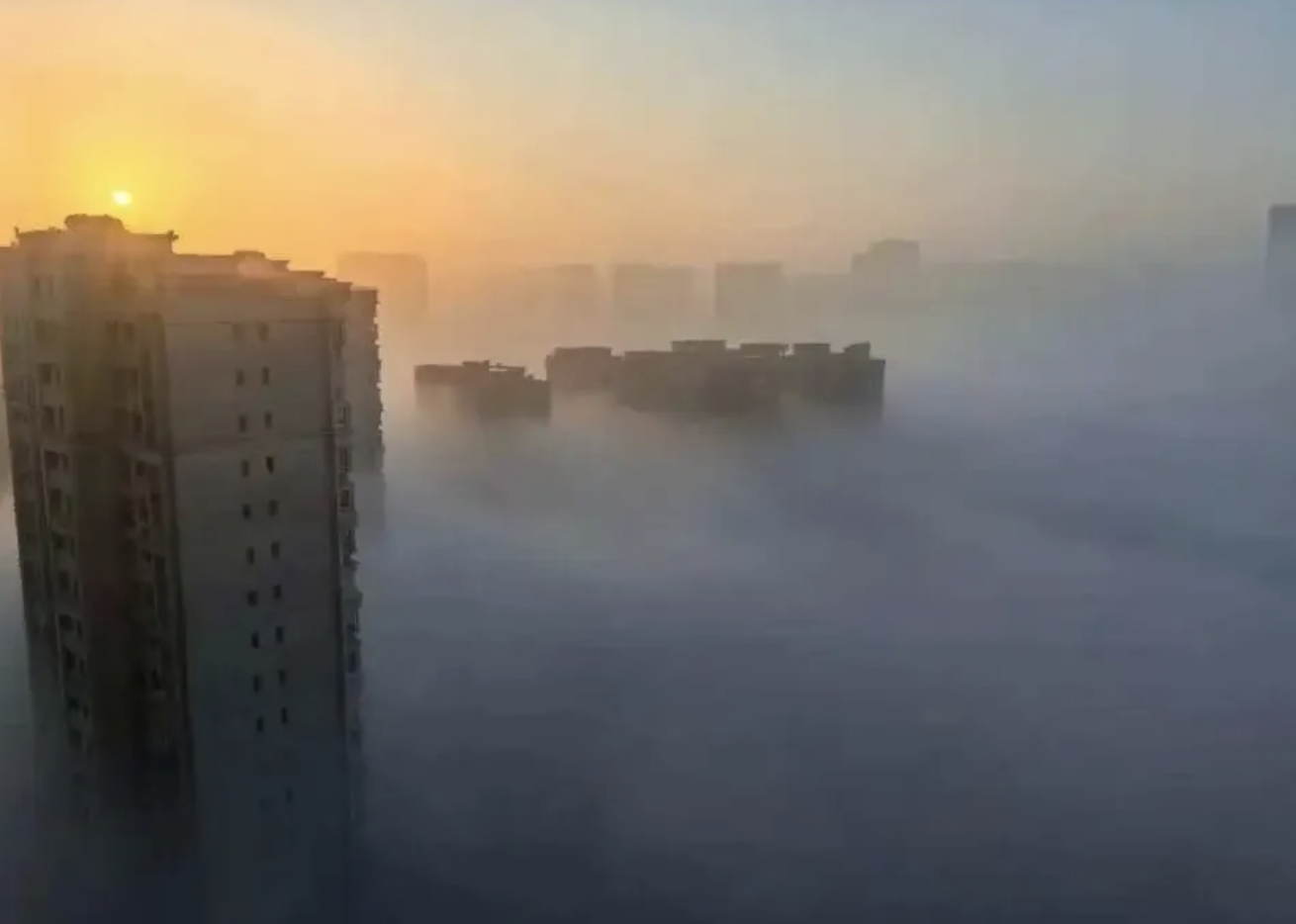 |
Mr. Wu, owner of a high-rise apartment in Nantong, Jiangsu, is very satisfied with the high-altitude view. Photo: QQ |
Mr. Wu, owner of a high-rise apartment in Nantong, Jiangsu, is very satisfied with the high-altitude view. Photo: QQ
Despite these challenges, super high-rise apartments retain a certain appeal for young people who prioritize privacy. Data from 2019 indicates that the 9x generation (those born in the 1990s) accounted for nearly 50% of transactions for this housing type in major cities such as Chengdu and Suzhou.
However, for the majority of residents like Tong Xin and Lin Lin, the dream of "touching the clouds" has culminated in millions of yuan in losses.
Bao Nhien (According to QQ)