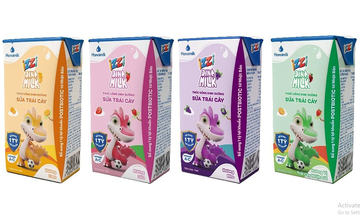
The information label on formula milk cans serves as a quick guide for parents to understand the product's nutritional offerings for their child.
Age suitability
One of the most noticeable details on formula milk labels is the target age group. Most formulas for young children are categorized by developmental stage, as their nutritional needs change rapidly during the early years.
Packaging typically indicates the suitable age group. For example, Nestle's NAN milk lines feature formulas carefully developed based on research into children's nutritional needs at each stage. Infants, for instance, often require nutrients supporting immunity and brain development. Older children may need more energy and micronutrients for physical activity and height development.
 |
At each age, a child's nutritional needs differ. *Photo: Vecteezy* |
Age information serves as a primary guide for parents selecting a product. Pediatric experts emphasize that using the correct formula for a child's developmental stage is crucial to ensure they receive appropriate nutrition.
Nutritional content
The nutritional information panel is often the most scrutinized section by parents. It details the nutrients present, including basic groups like protein, fat, and carbohydrates, alongside essential vitamins and minerals for a child's development.
Many formula products also include ingredients designed to support various aspects of a child's development. Some formulas contain DHA and ARA for brain development, while others focus on fiber or probiotics to support the digestive system. For example, Nestle NAN Supreme Pro 3 formula, a Nestle Group product, uses 100% partially hydrolyzed whey protein. This protein structure is more finely broken down than regular cow's milk protein, aiding digestion and absorption, and reducing issues like spit-up or indigestion, all while providing age-appropriate nutrient ratios.
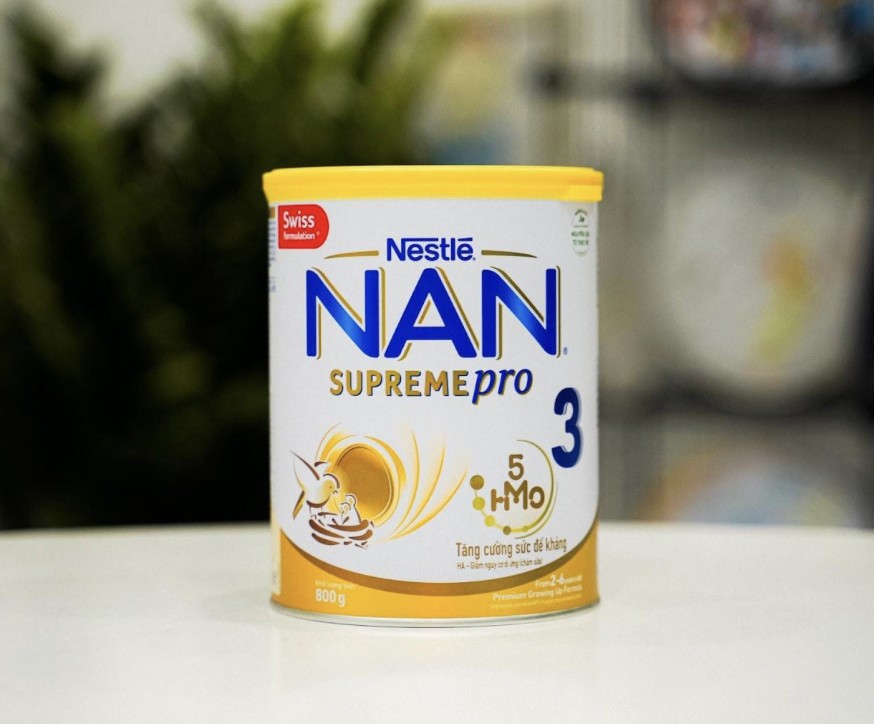 |
Nestle's NAN milk lines display age suitability on the front of the milk box, detailed nutritional content for each age, and preparation instructions on the back. *Photo: Nestle* |
The ingredient panel allows parents to easily compare products. This information helps parents determine which formula best suits their child's needs, especially for those with sensitive digestive systems or specific dietary requirements.
Preparation and usage instructions
Beyond nutritional details, preparation instructions are crucial and prominently displayed on formula packaging. This section provides specific guidance on the correct mixing ratio, water volume, and number of powder scoops appropriate for the child's age.
Following preparation instructions ensures children receive optimal nutrition. If the formula is too diluted, children may not get enough energy; if too concentrated, their digestive system might struggle with absorption.
Beyond mixing ratios, product labels often include important notes on water temperature, shelf life after preparation, and storage instructions once opened. This information guides parents in proper product use and ensures child safety.
 |
Proper formula preparation helps ensure a child receives optimal nutrition. *Photo: Nestle* |
Manufacturers state that formula milk labels are more than just an introduction; they are a vital resource for parents. Every detail on the packaging, from age suitability and nutritional content to preparation instructions, helps users understand the product and its proper use. Leading formula brands, such as Nestle's NAN lines, ensure comprehensive information is clearly provided on their packaging for parents' convenience.
Diep Chi