Zhang Jining spent nearly all her savings from six years to pay ten years of rent upfront. "I feel both anxious and relieved", she said.
Previously, Zhang and her husband planned to buy a home in Beijing with a budget of approximately 4 million yuan. However, this budget would only afford them a 60 m2, two-bedroom apartment, a 30-minute commute from work – a space they found too cramped. Both sets of parents offered to help with the down payment, but Zhang declined. She worried that declining home prices would impact her parents' savings, while they would still face years of mortgage payments.
"The thought of paying enough interest to buy another house in the city was too much pressure", she stated.
After much deliberation, they abandoned their home-buying plan. They instead rented an 80 m2, three-bedroom apartment in a university complex where Zhang works. The market rate was around 12,000 yuan per month, but paying upfront reduced it to 8,000 yuan, totaling nearly one million yuan for ten years. The contract included a high compensation clause to prevent the landlord from prematurely terminating the agreement.
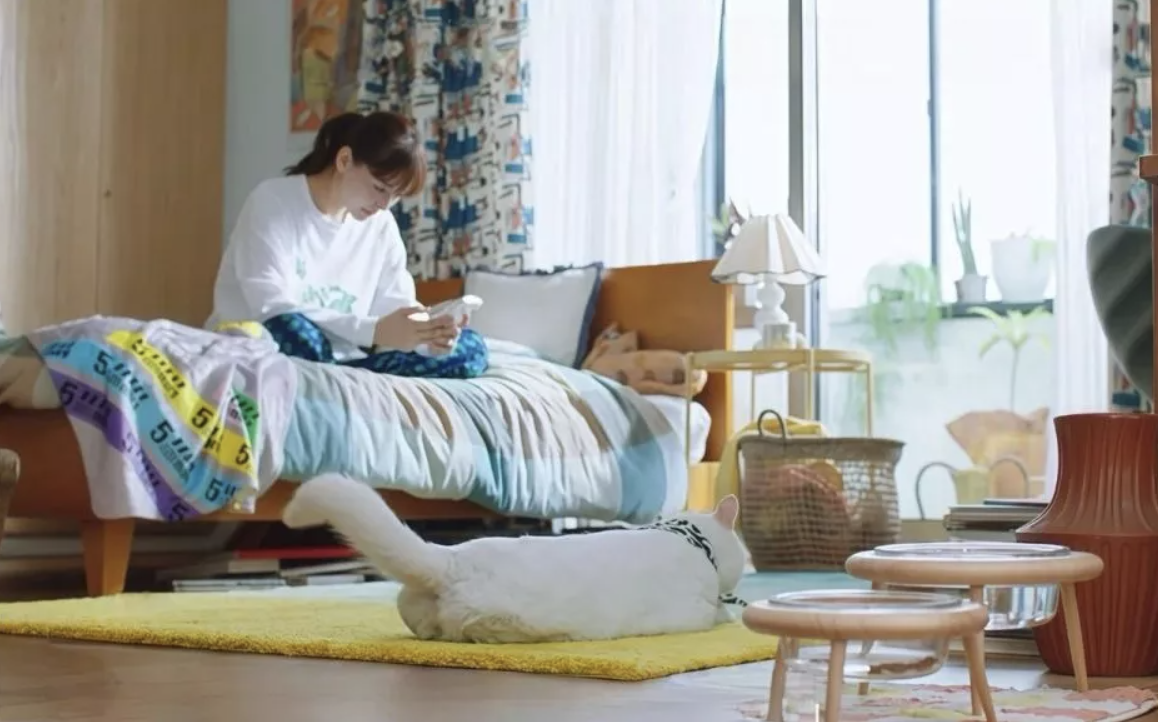 |
A segment of China's middle-class youth rents high-end apartments or villas instead of buying homes. Photo: Wenxuacity
In Shanghai, Ding Yuyuan chose a different approach: keeping her small home and renting a larger one. In 2020, she and her husband bought a 36 m2 old apartment for 3 million yuan. Their monthly mortgage payment was similar to rent for a comparable property. Their need for a larger home became urgent with their child's impending arrival.
With Shanghai home prices rising sharply, their solution was to rent out their old apartment for 5,000 yuan per month and add 2,000 yuan to secure a more spacious living environment with better conditions, without incurring additional debt.
"Renting a new home gives us greater financial flexibility and frees us from real estate price fluctuations", Ding commented.
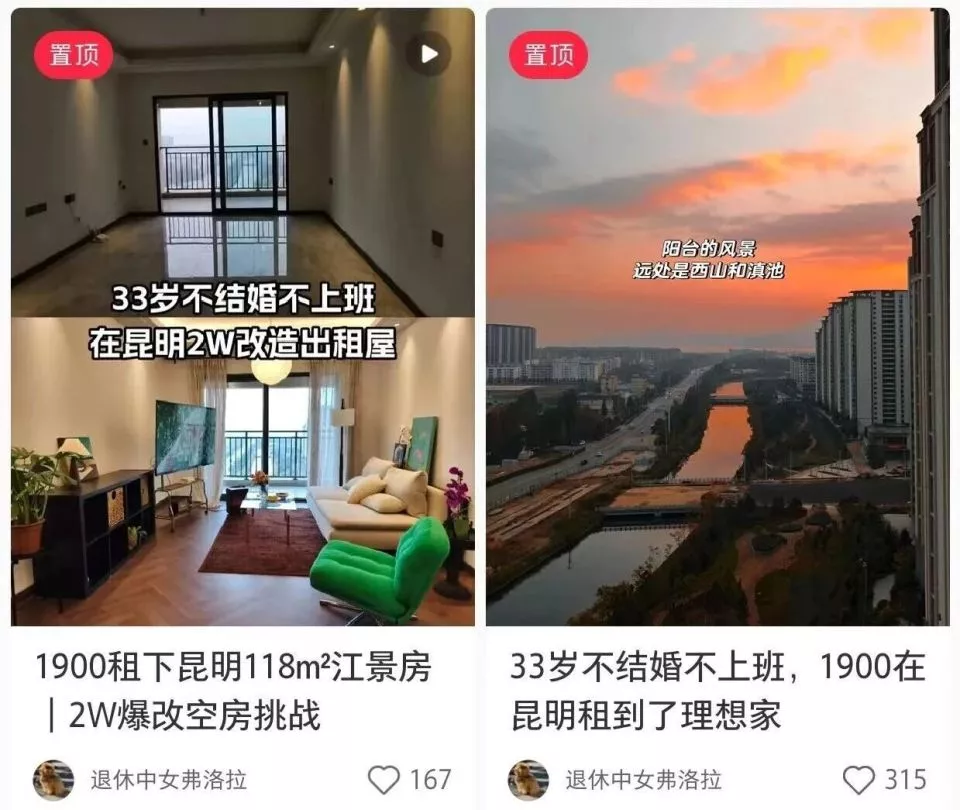 |
Huahua shared images of her apartment renovation on social media. Photo: Wenxuacity
In Wuxi, Shi Qi sold two homes in 2024 after observing a market downturn. Since then, Shi stopped buying properties and instead rented a 127 m2 townhouse for 3,500 yuan per month. "A similar villa costs around 2,8 million yuan, while 40 years of rent is still less than 2 million yuan", she noted.
Her new home features a spacious living room with abundant natural light, remaining warm in winter due to direct sunlight throughout the day. The balcony has become a cherished spot for the family to enjoy tea and relax. Shi's two sons love the new space, always calling it "the best room we have ever lived in". The savings from selling their homes also eased the family's financial burdens.
Li, a real estate agent in Beijing's Wangjing area, reported that since 2023, home prices in the area have dropped by 40-50%, while rental prices have decreased by about 20%. Many individuals earning 30,000-50,000 yuan per month are choosing to sell smaller homes or forgo new purchases, opting to rent larger apartments instead.
He once assisted a couple in selling their two-bedroom apartment for 5 million yuan and renting a three-bedroom unit in the same area for 12,000 yuan per month, rather than buying a new one for 8 million yuan. They used the remaining funds for investments and living expenses.
According to a real estate expert, the trend of "renting to improve living conditions" is prevalent among the urban middle class. "Instead of tying up capital in a single home, they prioritize living space and more efficient use of funds", she explained.
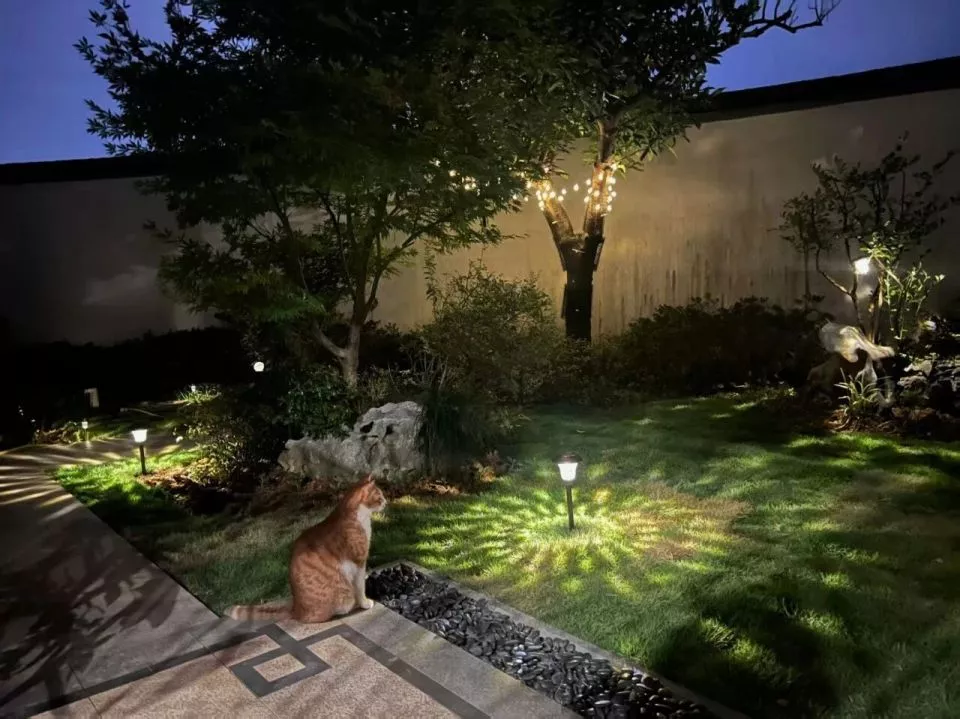 |
Zhang Yue's garden in Hangzhou. Photo: Wenxuacity
Despite many benefits, long-term renting still carries risks. Huahua, who rented a home in Dali, had her contract terminated early by the landlord, causing her to lose over 100,000 yuan in renovation costs.
According to agents, many landlords impose restrictions such as prohibiting pets or renovations, or setting low compensation amounts for early contract termination, which can disadvantage tenants. Therefore, people often prioritize five to ten-year contracts, clear compensation clauses, and transactions through official agents to safeguard their interests.
For some, renting is not only a financial decision but also a change in life philosophy. Zhang Yue sold four properties in various cities and moved to a rented villa in suburban Hangzhou, costing approximately 200,000 yuan per year, while a similar home would be worth around 15 million yuan.
He believes that renting offers his family greater flexibility and freedom. "If our child studies elsewhere later, we can move there and rent a home", he said.
The family utilizes their over 100 m2 yard for growing vegetables and raising pets. After years of high-intensity work in the Internet industry, Zhang shared that his current pace of life helps him achieve balance.
This shift indicates a changing perception of housing among China's middle class. Instead of viewing a home as a mandatory asset, many now see it as a service that can be used flexibly according to different life stages.
Renting is no longer synonymous with temporary living; it has become a proactive choice to optimize finances, enhance quality of life, and reduce long-term pressure. For many young people, a home is no longer the ultimate goal, but merely a comfortable place to live during each phase of their lives.
Bao Nhien (According to Wenxuecity, 163)