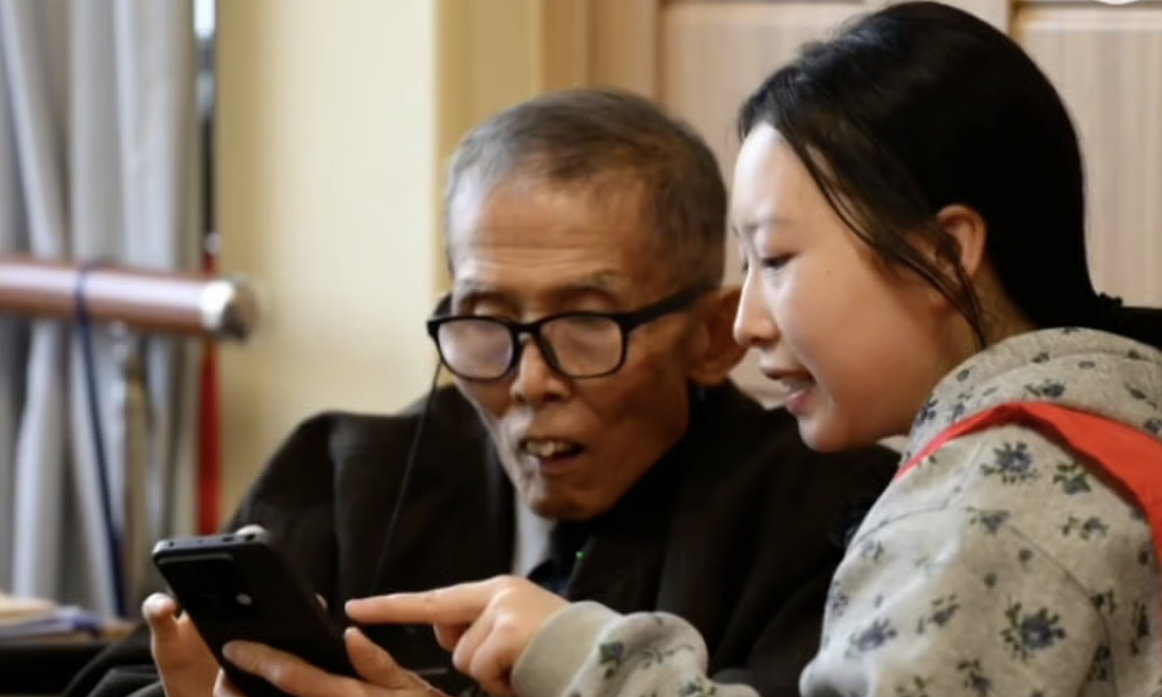
Masha, a Russian woman, states that in her homeland, people often consider smiling at a stranger on the street a sign of psychological issues. In contrast, in the US and many other countries, it is a natural reflex showing goodwill.
This cultural difference means smiling in Russia does not carry social significance. According to psychologists, Russians view a smile without reason as insincere, even doubting the other person's honesty. This often leads foreign visitors to mistakenly perceive locals as cold.
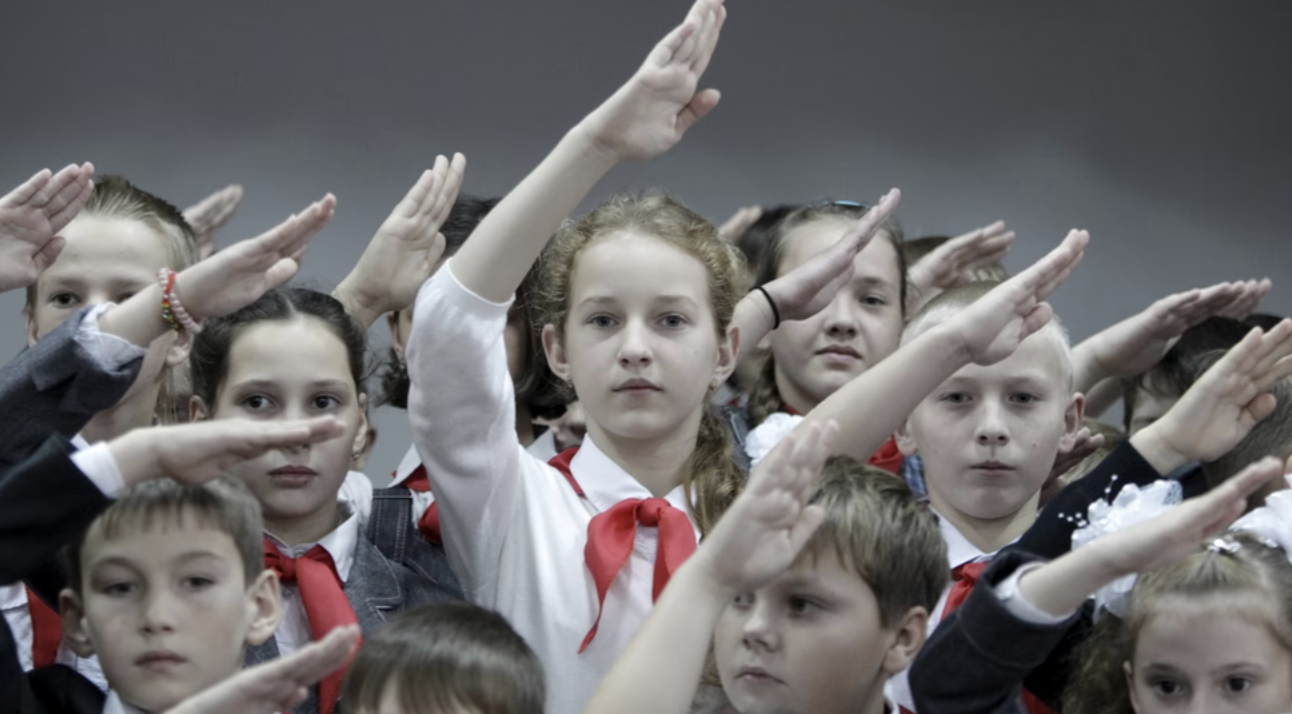 |
Children joyfully celebrating at a ceremony in Kazminskoye, Russia, 2015. *Photo: Eduard Korniyenko / Reuters* |
Researchers offer two main reasons for this difference.
First, the distinction in social distance. Americans often value personal space. When interacting with strangers, they are cautious and often use a smile as a "lubricant" to create a sense of safety and friendliness. Conversely, Russians draw clear distinctions between "insiders" and "outsiders". They do not feel pressure or an obligation to smile at people they do not know.
Second, this characteristic stems from family upbringing methods. In the US, parents often equate smiling with good behavior. Children learn from a young age that appearing happy is a way to receive praise from adults.
In contrast, Russian parents do not force their children to hide true emotions. Children in Russia are allowed to express anger or disappointment more freely. "Russian children only smile when they are truly happy. For them, it is a genuine emotion, not a social survival skill," explained Professor Putnam of Novosibirsk State University (Russia).
In Russia, public smiles, if present, are typically subtle, discreet, and reserved for acquaintances. Laughing loudly with teeth showing is considered impolite. Their most radiant smiles are always saved for family and close friends behind closed doors at home.
This perspective is also evident in commemorative photographs. Before the camera, Russians often immediately suppress their smiles and maintain a serious expression. For them, a photograph is permanent and public, so they need to present their most dignified appearance. This is why in old photo albums, Russians rarely smile, even when on vacation or at parties.
This cultural contrast sometimes creates awkward situations. At international events, when Western tourists maintain their habit of smiling while ordering food or asking for directions, many local Russians feel compelled to force a smile in return to accommodate guests.
By Minh Phuong (According to Conversation, The Atlantic)