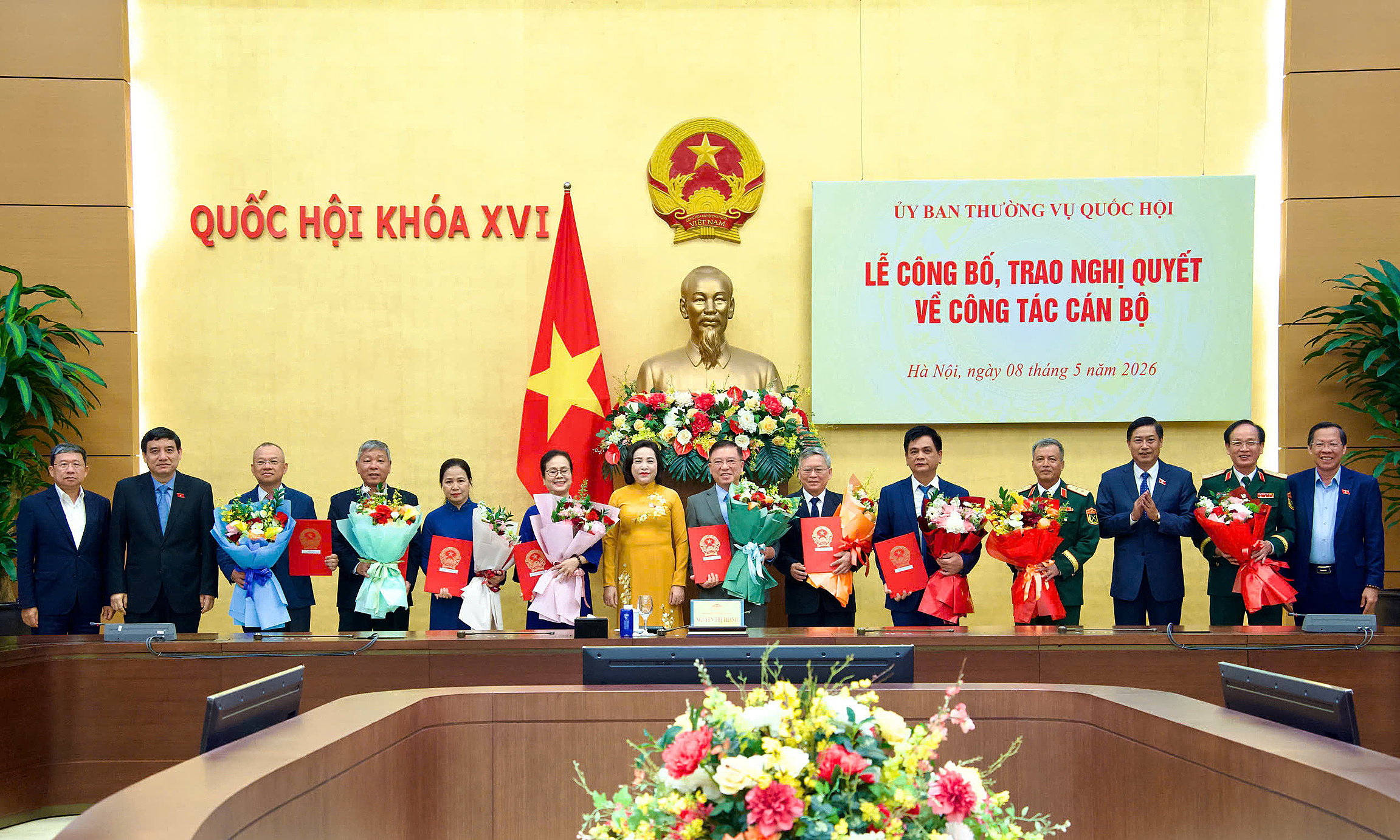
During the Ho Chi Minh City People's Committee (UBND) regular socio-economic meeting for April on the afternoon of 8/5, Nguyen Bac Nam, Deputy Director of the Department of Home Affairs, reported on the progress of establishing urban administrative units. He stated that 23 communes had self-assessed the criteria and submitted applications to become wards.
According to the department, Ho Chi Minh City currently has 168 administrative units, comprising wards, communes, and special zones. Of these, 54 are communes, accounting for approximately 32% of the total administrative units.
To date, 23 communes have completed their self-assessment and submitted applications to establish urban administrative units (wards). Some of the localities that have largely met the standards include: Vinh Loc, Tan Vinh Loc, Binh Loi, Tan Nhut, Binh Chanh, Hung Long, Dong Thanh, Hoc Mon, Ba Diem, Xuan Thoi Son, Can Gio, Binh Hung, Dau Tieng, Phuoc Hai, An Nhon Tay, Ngai Giao, Bac Tan Uyen, Bau Bang.
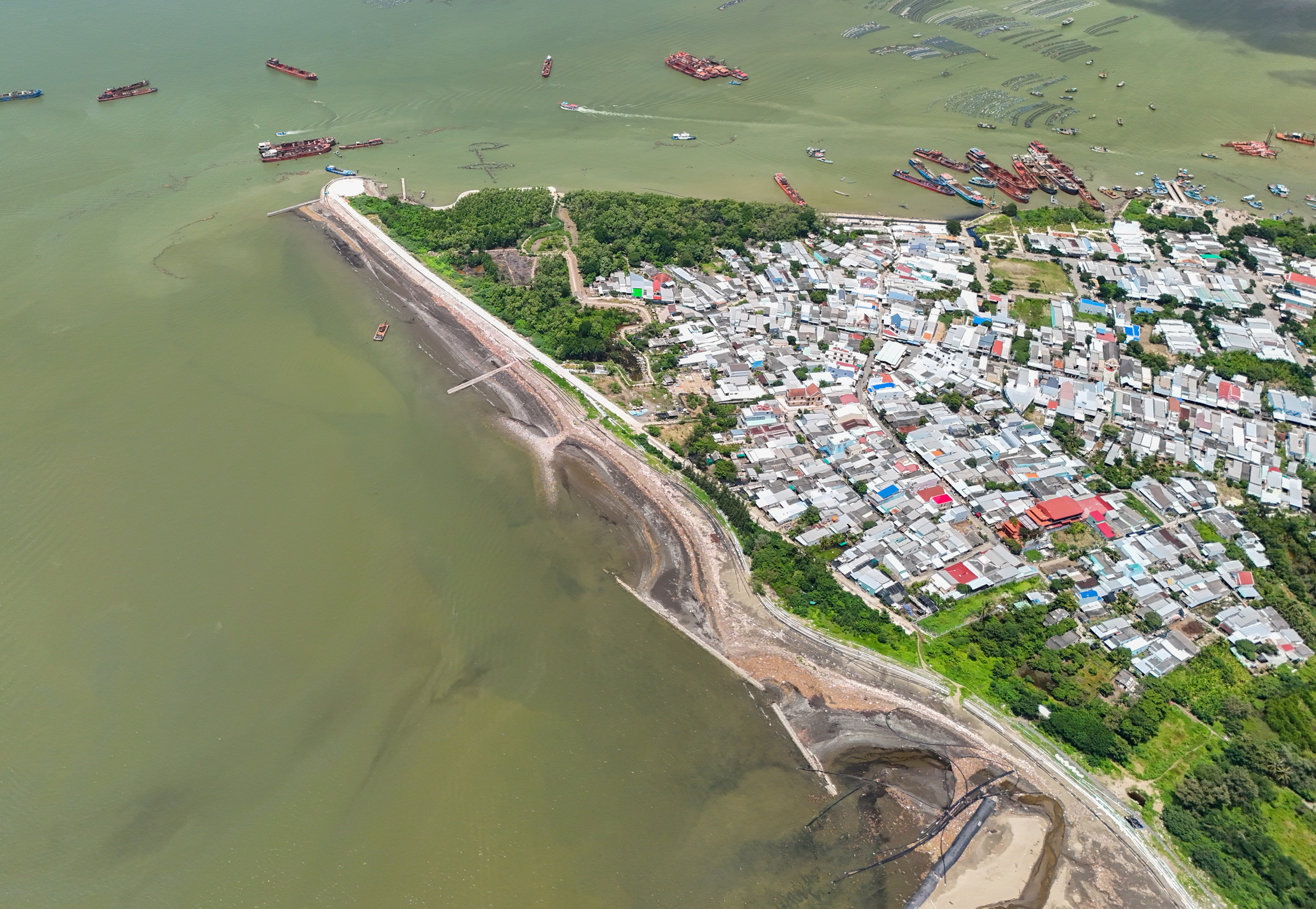 |
A view of Can Gio (10/2025) - a locality that has met the conditions to become a ward. *Photo: Quynh Tran*
The Department of Home Affairs is collaborating with relevant departments and agencies to appraise the standards for ward establishment. This process precedes submission to the Ho Chi Minh City People's Committee, the Ho Chi Minh City People's Committee Party Committee, and the Ho Chi Minh City Party Committee Standing Committee for policy consideration.
In addition to the 23 communes that have submitted applications, the Department of Home Affairs has also proposed that the remaining communes continue their self-assessments based on the criteria. This will allow the city to complete the project dossier for submission to the People's Council (HDND) by 15/6. Subsequently, the dossier will undergo appraisal by the Ministry of Home Affairs, review by the Government, and a decision by the National Assembly Standing Committee.
According to Resolution 112 of the National Assembly Standing Committee, communes wishing to become wards must meet five groups of criteria: a population of 21,000 or more, a minimum natural area of 5,5 km2, and an urban population ratio of 50% or higher. Concurrently, communes must achieve socio-economic indicators such as budget self-sufficiency, a non-agricultural labor ratio, and per capita income exceeding the Ho Chi Minh City average for the past three years.
Regarding the natural area criterion (5,5 km2 or more), all 54 communes currently meet this, with areas ranging from four to 47 times the required standard. For population size (21,000 people or more), only three communes – An Thoi Dong (18,413 people), Phuoc Thanh (15,803 people), and An Long (17,906 people) – are still deficient. The remaining communes have met or significantly exceeded this criterion.
Due to rapid urbanization, infrastructure in many Ho Chi Minh City communes has improved, leading to the formation of modern urban areas. However, their development is constrained by the rural administrative unit management model. According to regulations, when a commune transitions to a ward, its administrative staff increases from 50 to 70 people. Land and planning policies will then be managed under an urban model, better addressing the needs of residents.
Le Tuyet