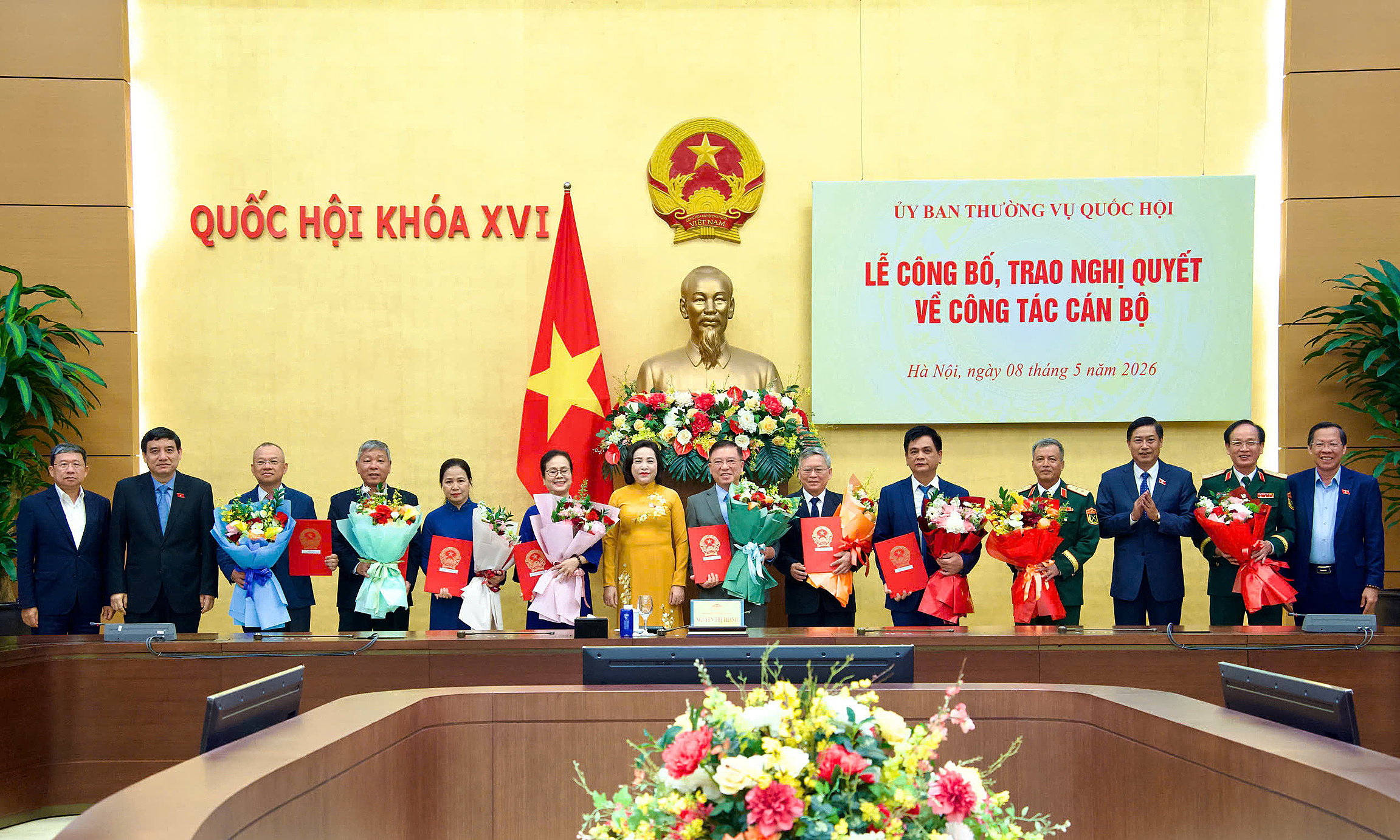
Chairing a meeting on the afternoon of 7/5 to discuss adjustments to the airport system master plan for 2021-2030, with a vision to 2050, Permanent Vice Prime Minister Pham Gia Tuc emphasized that airport planning is a strategic issue, requiring a long-term vision extending to 2050, or even 100 years, to prevent frequent revisions.
He stressed that planning must be synchronized with the national master plan, regional plans, and connecting transport systems. Investment decisions should be based on scientific, legal, and practical grounds, alongside a thorough assessment of economic, technical, defense, and security effectiveness.
According to the Vice Prime Minister, while planning needs a far-reaching vision, implementation must follow priorities, aligning with scale and resource availability. He noted that the airport construction process requires careful consideration to avoid waste.
Drawing from the implementation of the Long Thanh and Gia Binh airports, the Vice Prime Minister highlighted the need for synchronized investment in connecting infrastructure. Localities proposing new airports must commit to operational efficiency and ensure resources are available not only for the airport itself but also for the entire related transport system.
"Even when the private sector participates in airport construction, calculations must be very thorough. Fragmented investment, where every locality has an airport but efficiency is not guaranteed, will lead to operational difficulties", the Vice Prime Minister said.
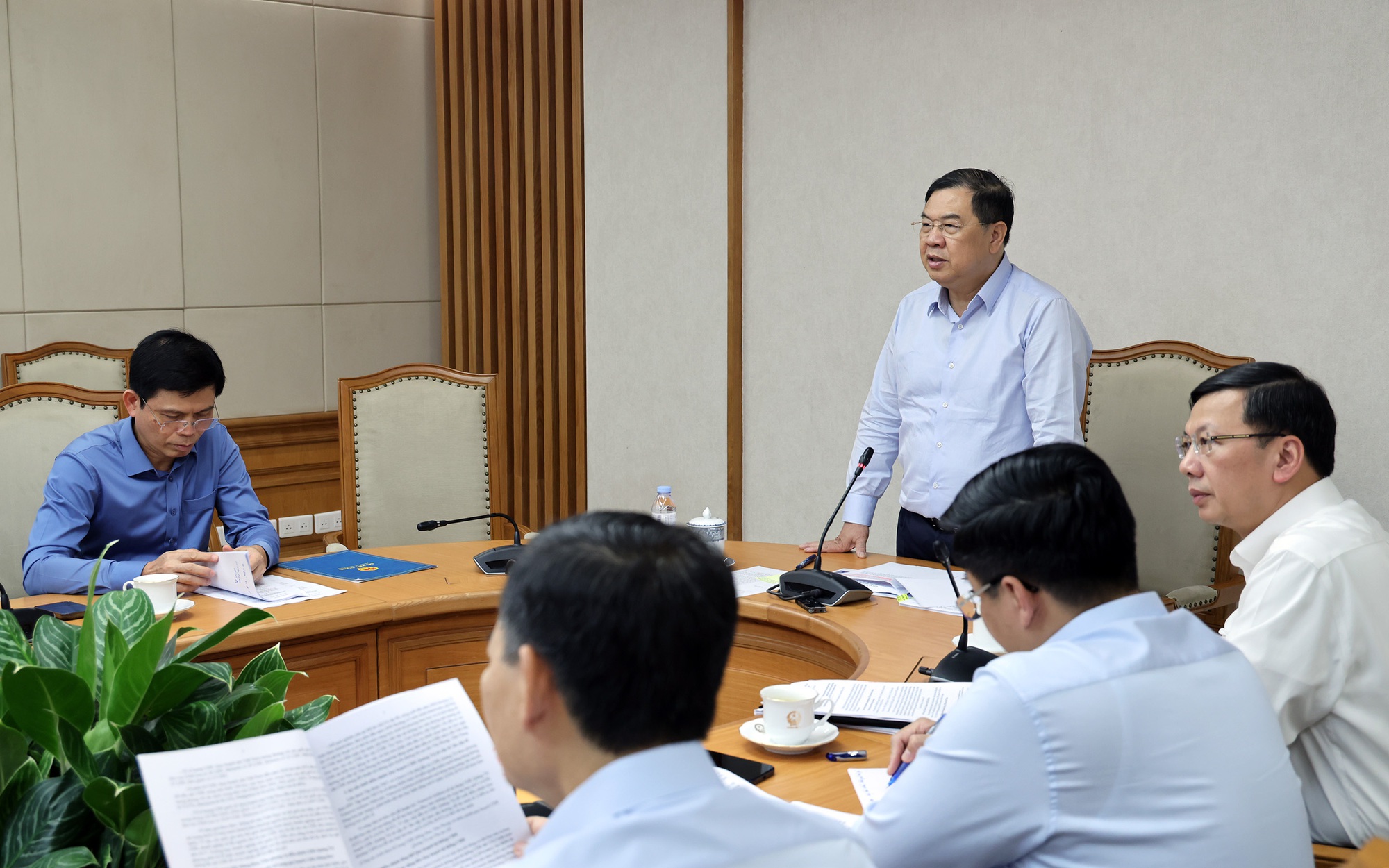 |
Permanent Vice Prime Minister Pham Gia Tuc chaired a meeting to adjust the national airport master plan for 2021-2030, with a vision to 2050, on the afternoon of 7/5. *Photo: Phuong Nguyen*
During the meeting, the Ministry of Construction proposed adding Mang Den and Van Phong airports to the plan, and adjusting the scale of Quang Tri airport.
Specifically, Mang Den airport is proposed to serve tourism, local economic development, and national defense and security. It would be a category 4C airport with a capacity of approximately 1 million passengers per year by 2030. Van Phong airport aims to serve high-end economic zones and tourism, envisioned as a category 4E airport with a capacity of about 1.5 million passengers per year. Quang Tri airport is proposed for an upgrade from category 4C to 4E to accommodate wide-body aircraft and cargo transport.
The Vice Prime Minister requested a thorough study of these proposals within the overall regional development, inter-regional connectivity potential, and the ability to attract domestic and foreign investment.
Deputy Minister of Construction Le Anh Tuan stated that the Ministry will review all planned airport projects that have been delayed. It will assess investment efficiency and capital mobilization capacity to finalize the adjusted planning scheme, ensuring a comprehensive and long-term vision.
According to the plan approved in 2023, for the 2021-2030 period, the country will have 30 airports, including 14 international and 16 domestic airports. The vision to 2050 projects Vietnam to have 33 airports.
Following the addition of Tho Chu and Thanh Son airports, the total number of planned airports by 2030 increases to 32, with the vision to 2050 reaching 35 airports.
The total capital required for airport system development until 2030 is estimated at approximately 514 trillion VND.
Vu Tuan