 |
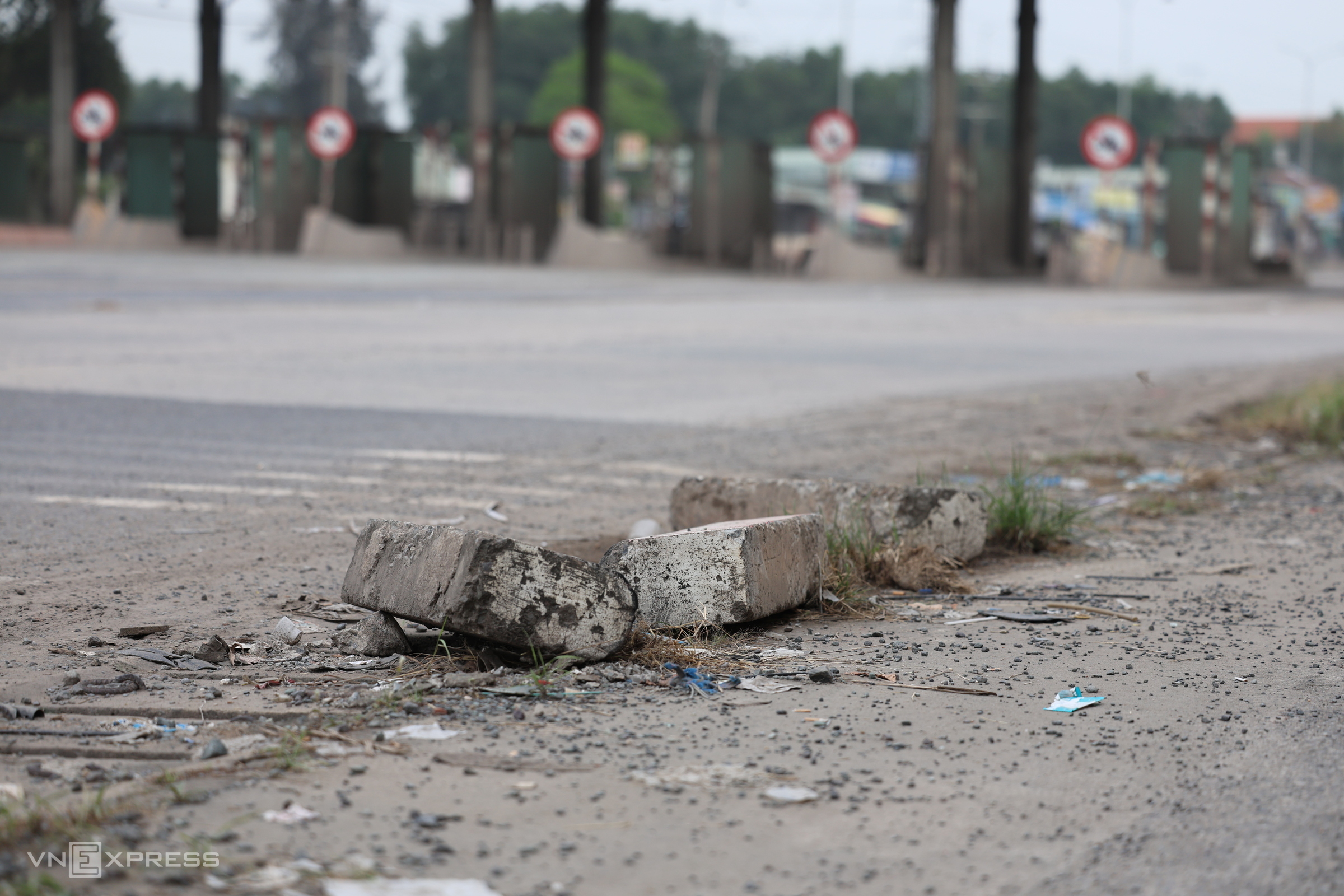
Median barriers previously protecting the toll booth lie scattered on the road. "The road around this booth is also severely degraded, with numerous potholes; many accidents have occurred here," said Ms. Hang, a resident living near the toll booth. |
 |
Numerous dangerous deep holes and scattered concrete fragments surround the T2 booth. |
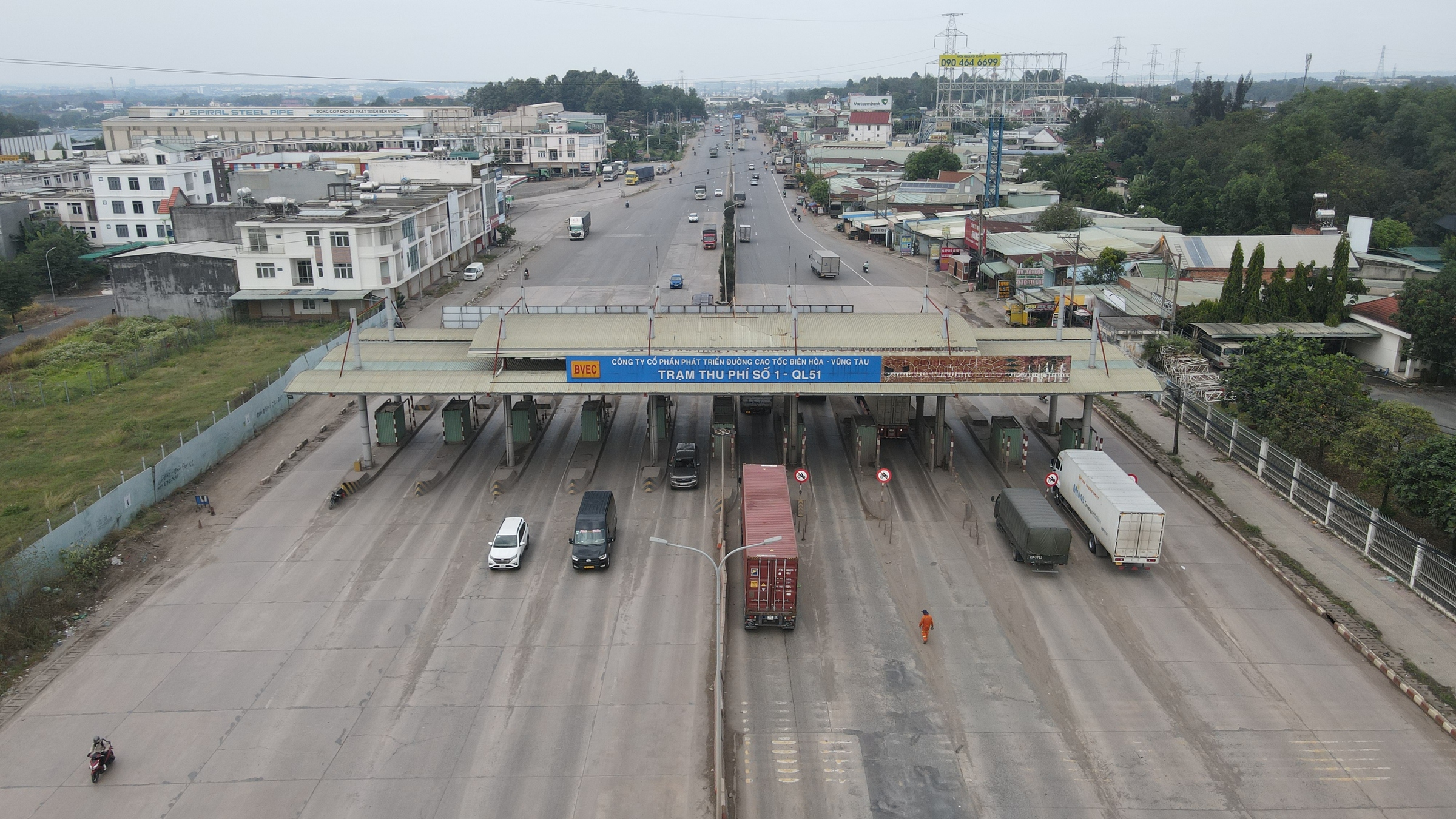
Vehicles travel past the T1 toll booth on National Route 51 in Tam Phuoc ward, Dong Nai, on the afternoon of 26/12.
National Route 51, connecting Ho Chi Minh City with Dong Nai, was expanded under a build-operate-transfer (BOT) model in 2009 with an investment of nearly 3,800 billion VND. It began operation in 2013, with toll collection originally projected to continue until 12/1/2030. Due to increasing traffic volume, toll collection ceased in 1/2023. However, the final settlement, contract termination, and dismantling of the booths remain incomplete.
 |
Previously, the Ho Chi Minh City Department of Construction also issued a document requiring the National Route 51 BOT investor to dismantle the T3 toll booth in Tan Hai ward by 31/12, stating that if the deadline is missed, they will proceed with the dismantling themselves to ensure safety. |
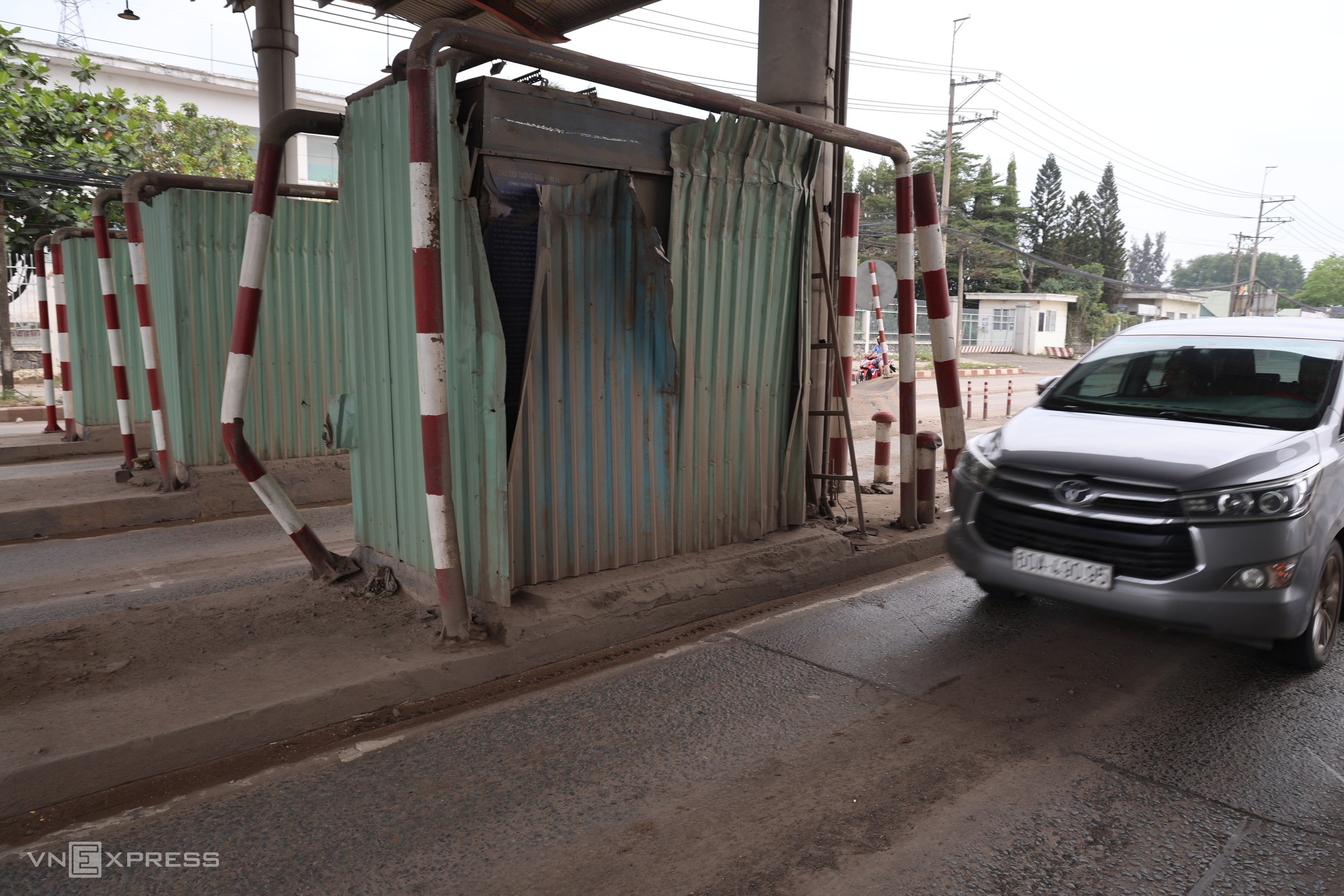
Since ceasing operations, the T1 booth has deteriorated but has not been dismantled, creating risks of congestion, traffic hazards, and negatively impacting urban aesthetics. Corrugated iron sheets enclose the toll booths to prevent dust, but many protective iron bars are bent and damaged from vehicle collisions.
 |
Locations of the three toll booths on National Route 51. *Graphic: Khanh Hoang* |
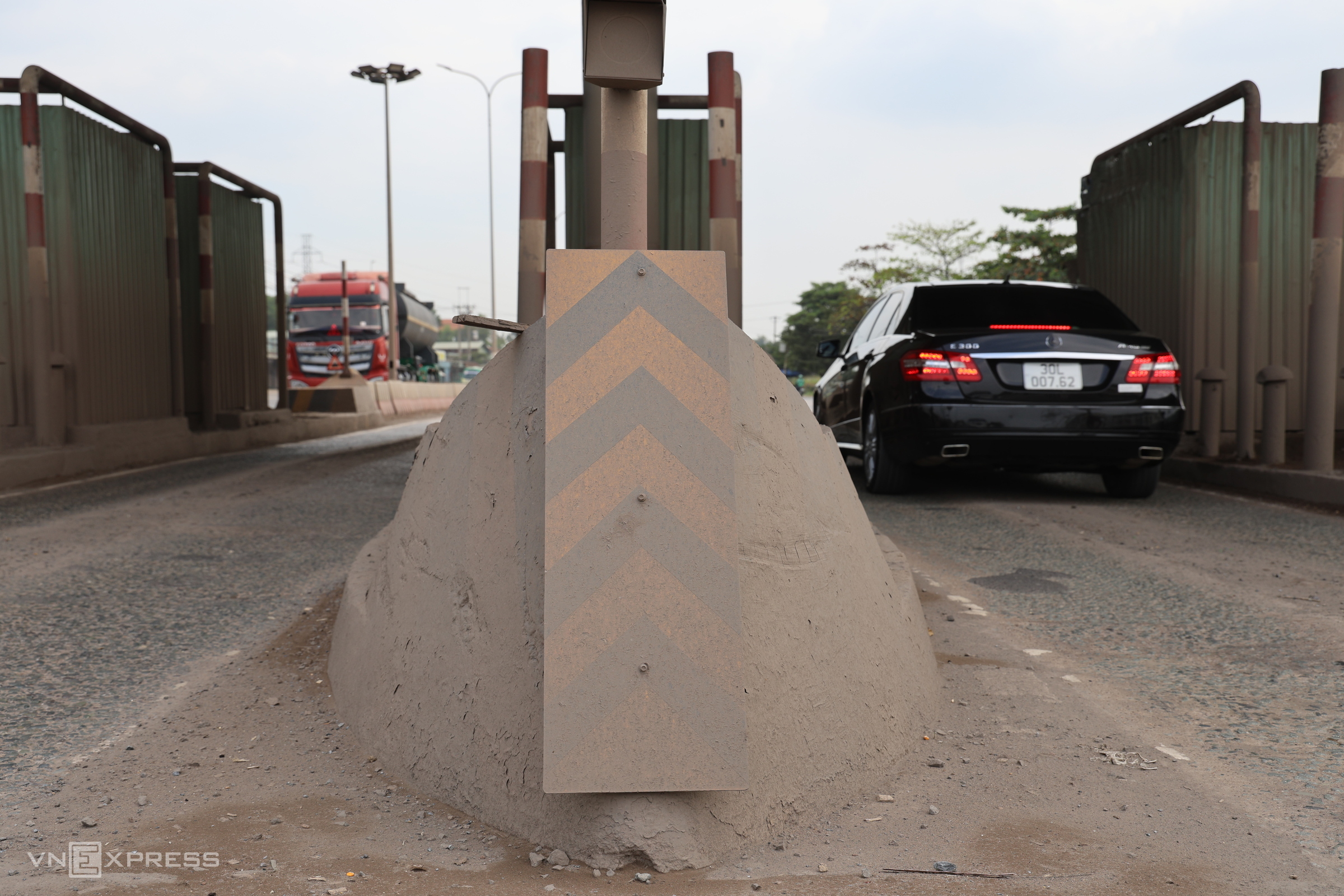
The light-blocking panels at the booth are covered in dust, posing a traffic safety risk.
"I transport goods daily between Bien Hoa and Vung Tau, so I use this road every day. The inactive toll booth obstructing the road is very dangerous, especially at night," said Mr. Han, a driver.
The booth's electrical equipment, left unused for years, has deteriorated and accumulated dust, posing risks to passing vehicles. The Provincial People's Committee has recommended dismantling the structures to improve urban landscapes, ensure safety, prevent congestion, and address public concerns.
 |
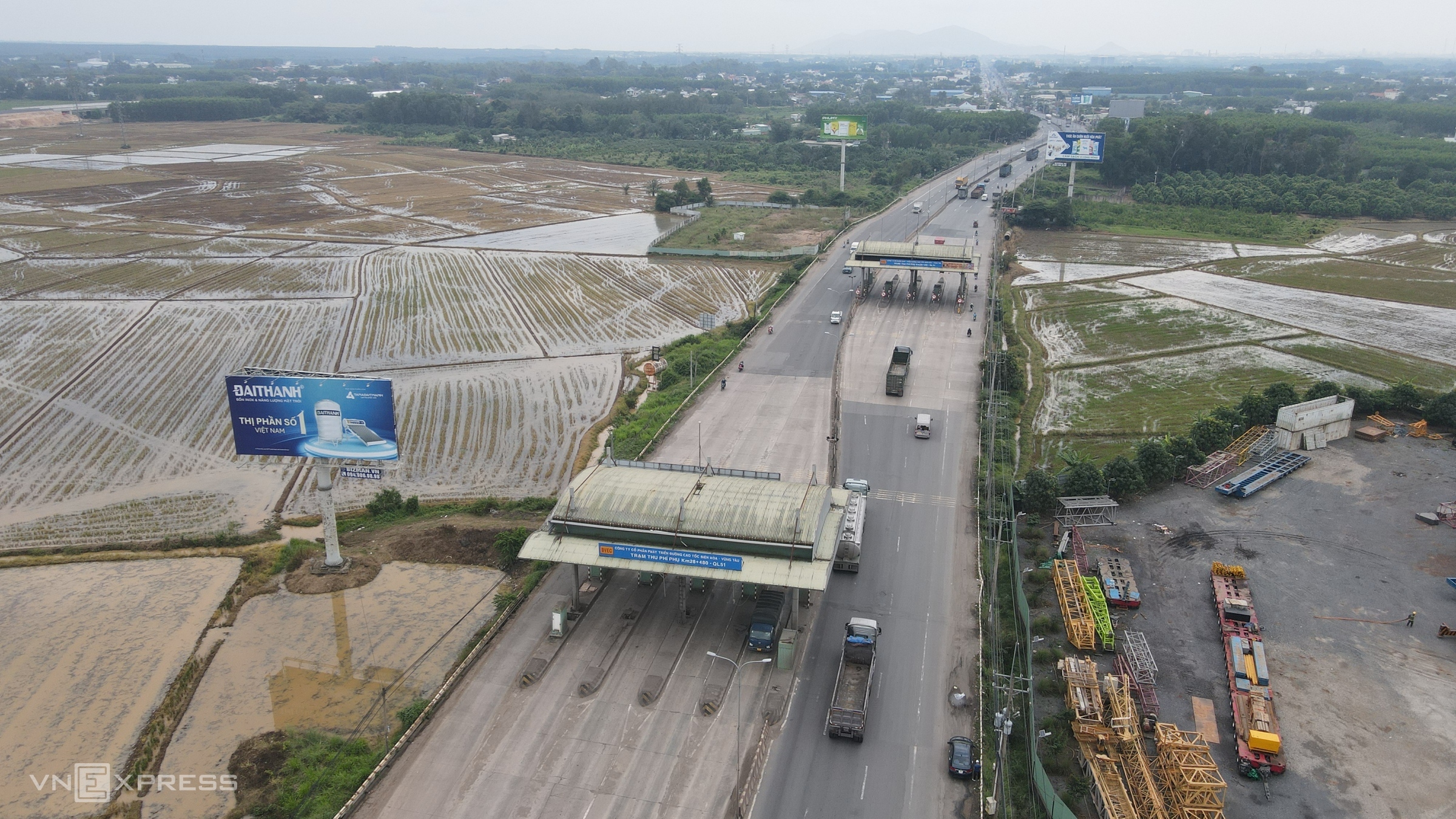 |
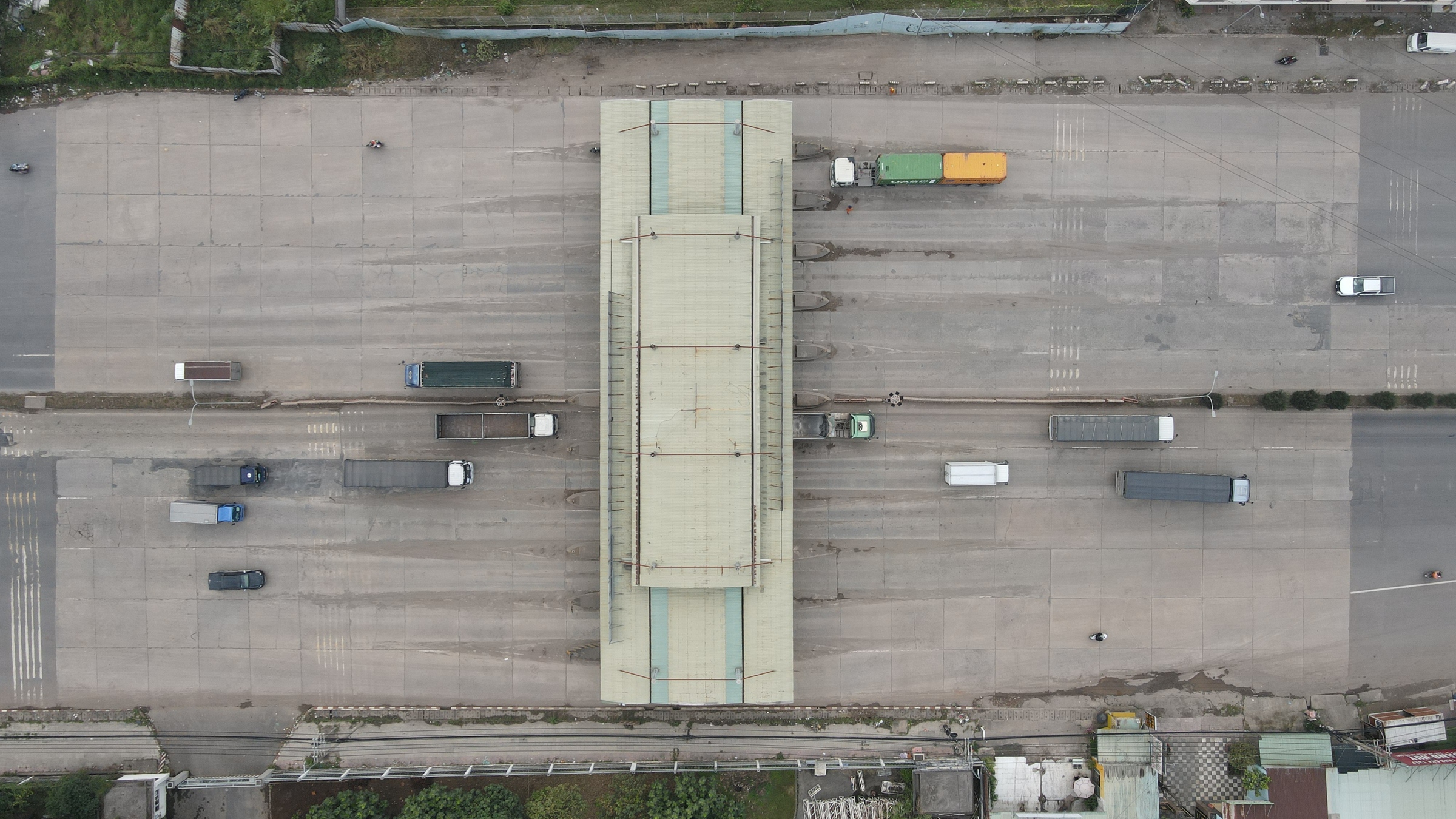
About 10 kilometers away, the T2 toll booth in Long Phuoc ward, Dong Nai, has also ceased operation, awaiting dismantling by authorities. Unlike the single-location T1 booth, the T2 booth features two lanes, separated by about 200 meters, originally designed for efficient toll collection and traffic management.
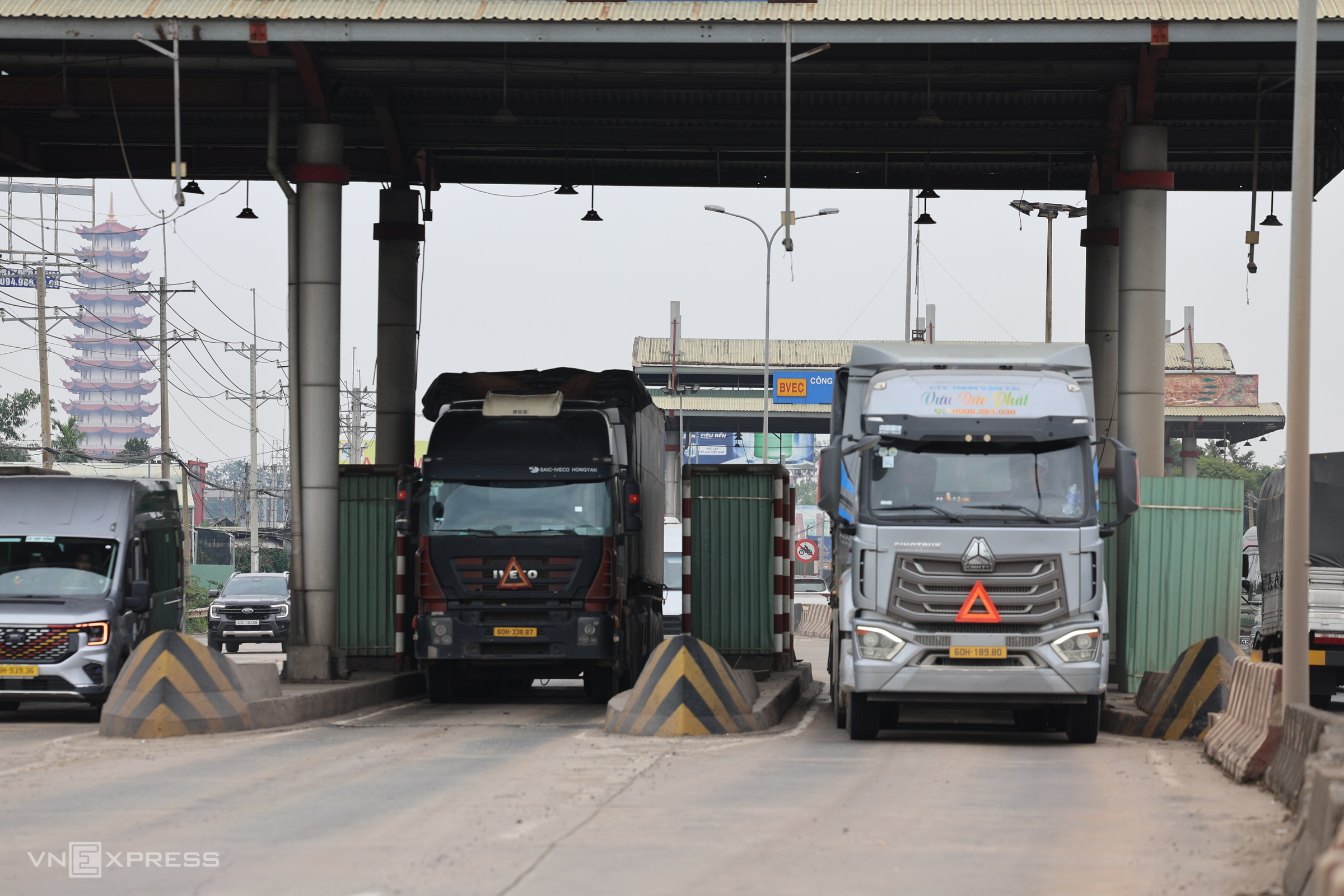 |
According to many drivers, the undismantled toll booth causes traffic conflicts, obstructs visibility, and narrows the road.
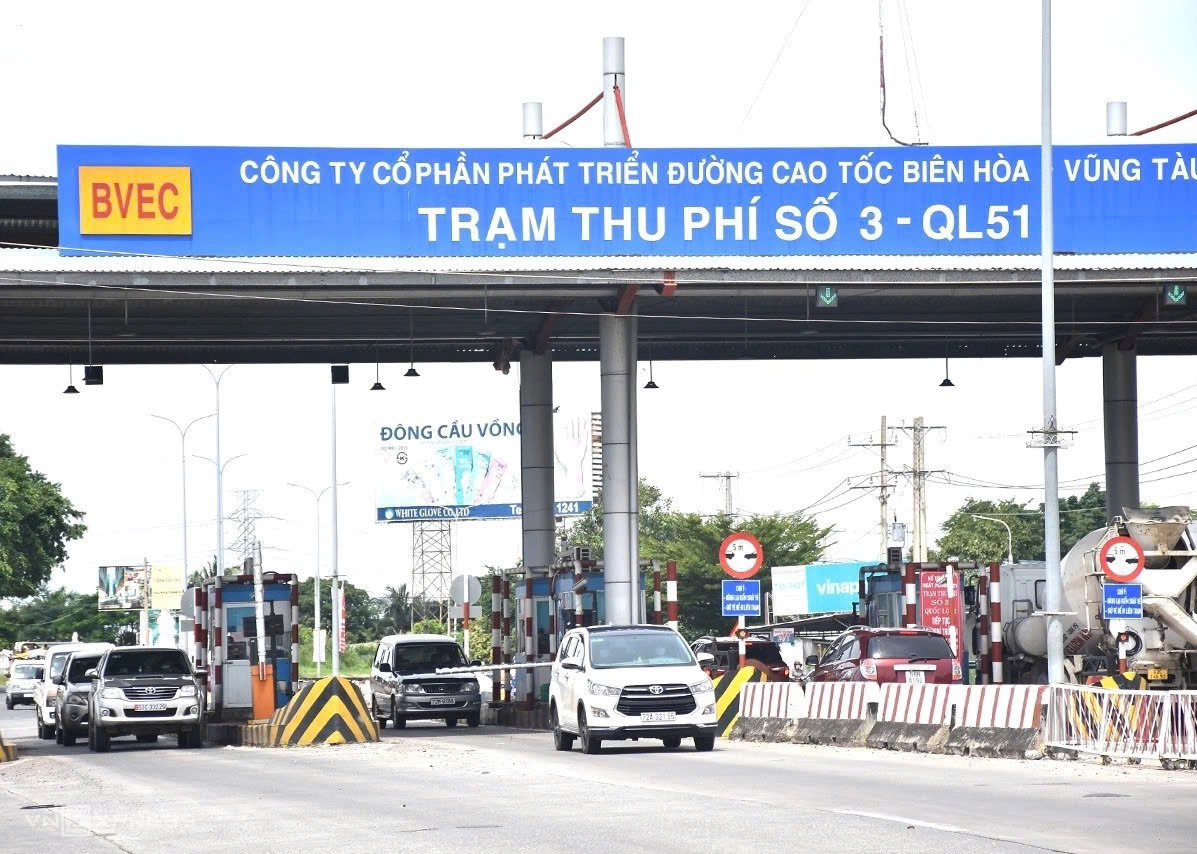
In mid-12, the Department of Roads (Ministry of Construction) issued a document requesting the Bien Hoa - Vung Tau Expressway Development Joint Stock Company (BVEC) to dismantle the toll booths along the route.
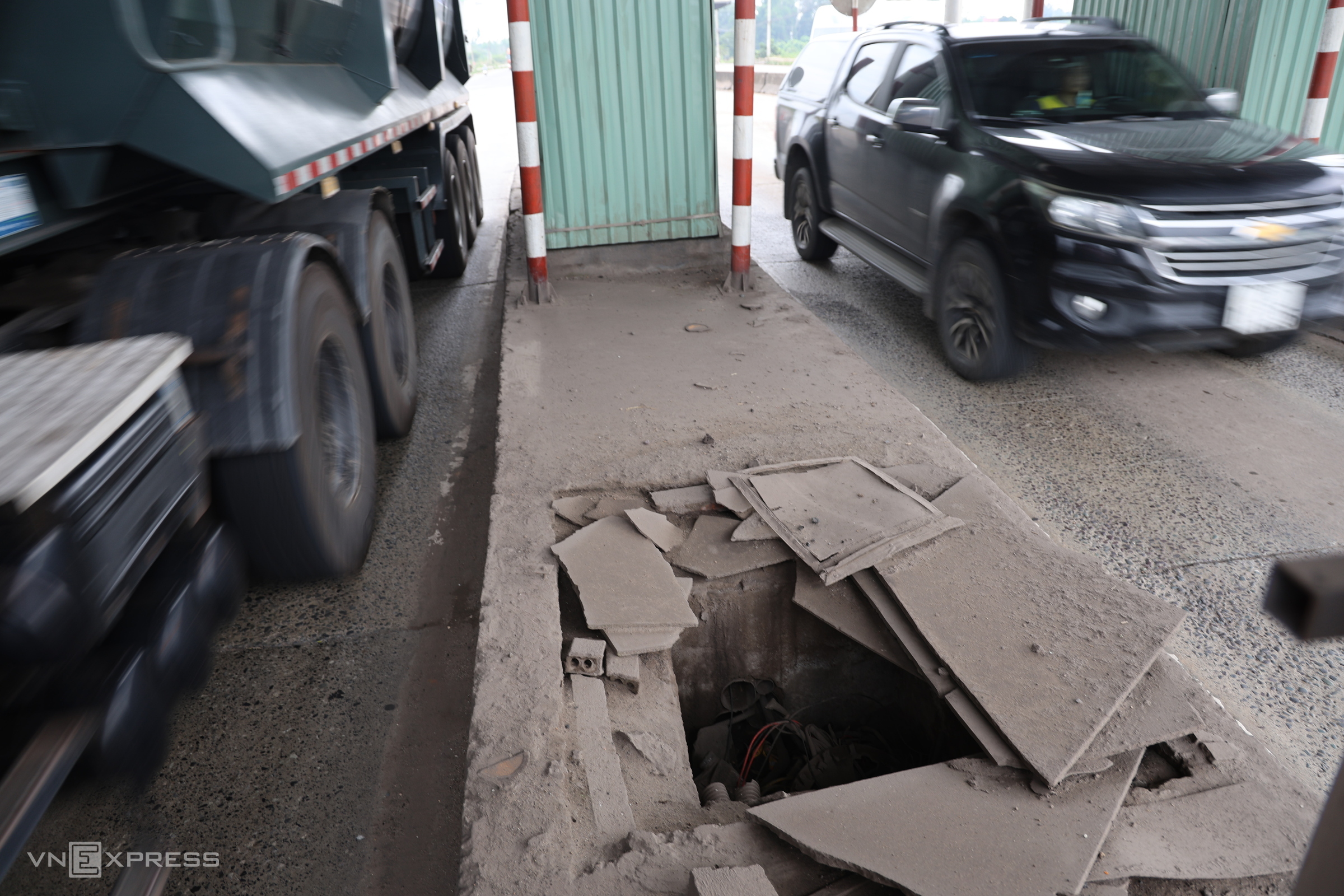 |
The toll collection posts and power station area are degraded, posing a hidden danger to road users.
 |
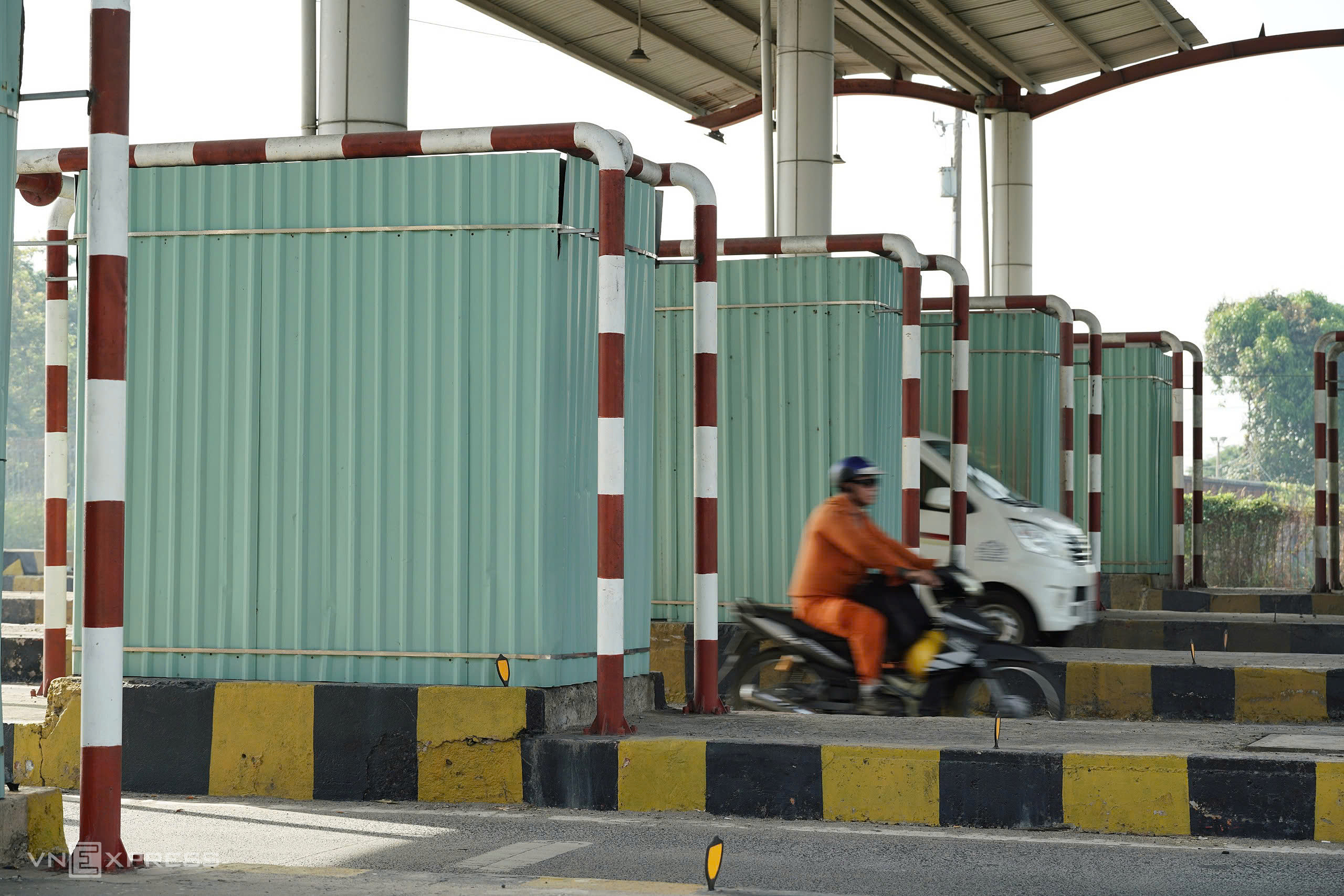 |
Corrugated iron sheets completely enclose the toll collection cabins. According to the Ho Chi Minh City Department of Construction, although the T3 booth has ceased operation, the booth building, traffic islands, foundation pillars, and auxiliary structures remain. These narrow the road, create traffic conflicts, and many components are degraded, posing safety risks.
BVEC stated that the right to collect tolls at the three booths on National Route 51 serves as collateral for a loan, requiring bank approval for dismantling or altering their current state. The company requested an extension for the dismantling period and enhanced safety measures along the route.
 |
Phuoc Tuan - Truong Ha