Speaking at a conference reviewing the culture, sports, and tourism sector on the afternoon of 27/12, Prime Minister Pham Minh Chinh noted the sector's significant maturity and positive achievements across most areas of work in recent years.
According to the government leader, the sector's management approach has shifted from "doing culture" to "state management of culture," recognizing institutions and policies as tools for development. The culture, sports, and tourism development strategy has created new opportunities and a long-term foundation for the nation's cultural growth. Many major national events have been successfully organized, attracting public participation, and several Vietnamese cultural heritage sites continue to receive UNESCO recognition.
The Prime Minister stated that Vietnam expects to welcome 22 million international visitors in 2025. The sports sector has achieved success in regional and international competitions. He highlighted the competitive spirit of Vietnamese athletes at recent SEA Games, including the football finals, which brought pride to fans. Journalism, media, and publishing continue to play a mainstream role, disseminating positive information, fostering patriotism, and promoting Vietnam's image. Many cinematic, artistic, performance, exhibition, and sports events showcase the intellect, courage, and dignity of the Vietnamese people.
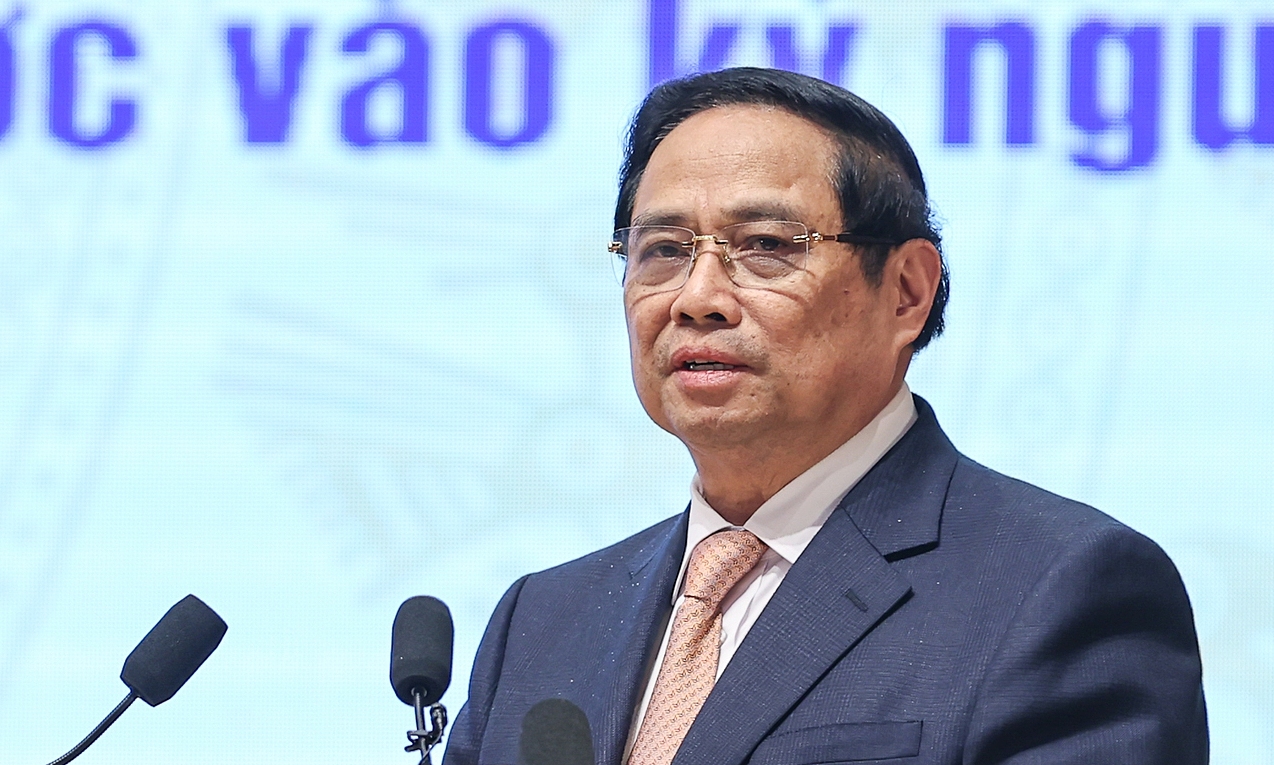 |
Prime Minister Pham Minh Chinh speaking on 27/12. Photo: Nhat Bac |
Looking ahead, the Prime Minister urged the culture, sports, and tourism sector to embrace the spirit of "culture permeates, communication spreads, sports reaches new heights, tourism breakthroughs." The focus will be on aggressively advancing institutional and policy reforms, resolutely abandoning the mindset of "managing without knowledge" or "prohibiting what cannot be managed." Instead, management will follow the principle of "let the most capable lead," enabling talented and specialized individuals to maximize their roles.
The government leader stressed that Vietnamese culture must continue to develop in an advanced direction, rich in national identity, fostering the comprehensive development of Vietnamese people, and creating a humane, civilized, and happy cultural environment. The sector needs to prioritize promoting the development of cultural industries, entertainment industries, and the cultural market, ensuring artists can thrive professionally and the public can enjoy creative achievements.
The government leader also emphasized the need for solutions to effectively utilize major cultural and sports facilities such as My Dinh Stadium and the Vietnam National Village for Ethnic Culture and Tourism. High-performance sports require long-term, persistent investment, as "there is no end without a beginning." Additionally, public-private partnerships should be boosted for constructing key sports facilities, including international-standard stadiums.
The Prime Minister also called for restructuring to enhance quality and competitiveness, aiming to make tourism a key economic sector. Vietnam targets welcoming 25 million international visitors in 2026. Journalism will continue its role in protecting the Party's ideological foundation, guiding information, and spreading positive values in society.
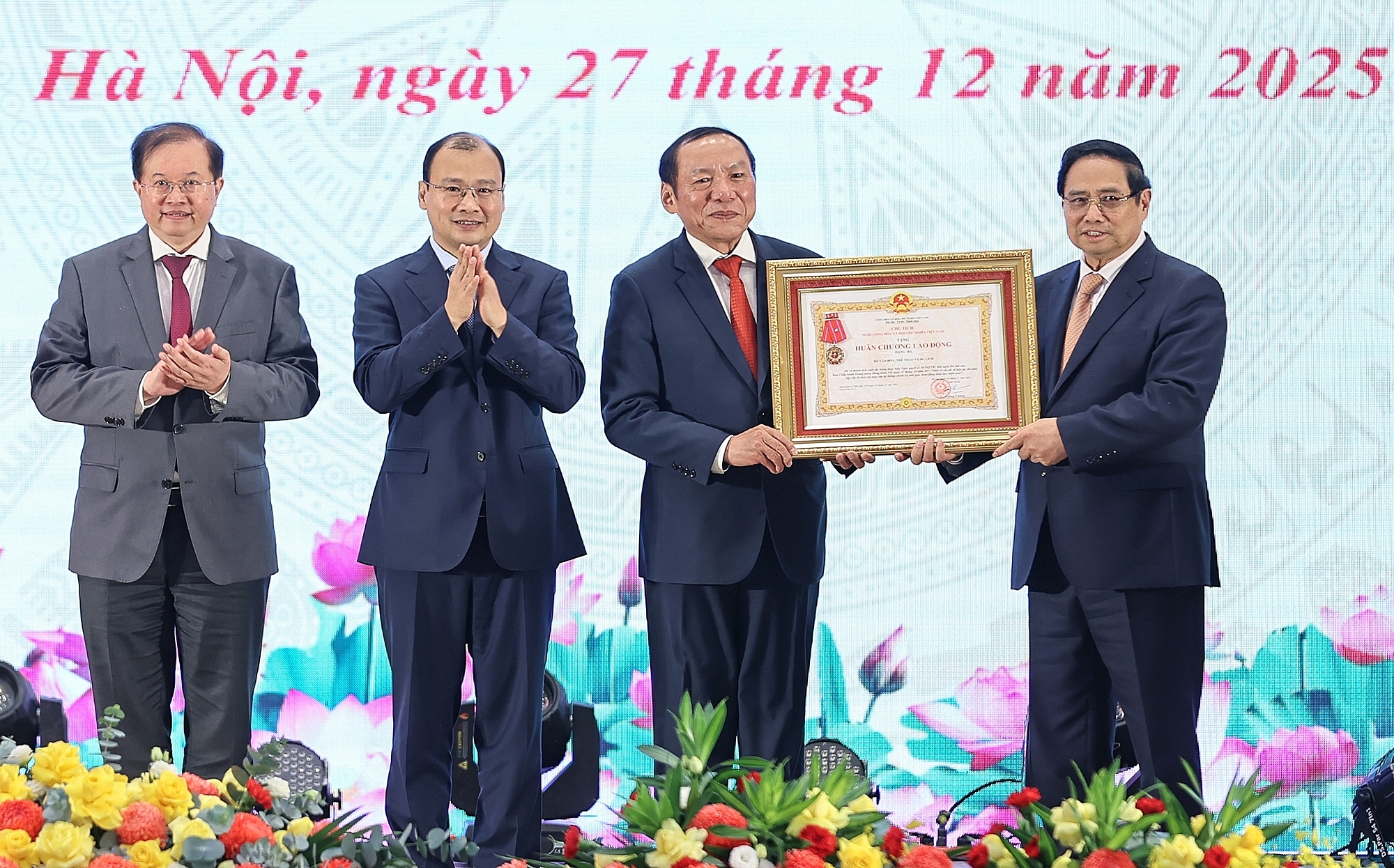 |
The Prime Minister presenting the third-class Labor Order to the Ministry of Culture, Sports and Tourism. Photo: Nhat Bac |
Reporting at the conference, Minister of Culture, Sports and Tourism Nguyen Van Hung stated that the 2021-2025 period saw a notable shift in the perception of culture's role across all levels and sectors, becoming more profound and comprehensive. The development of a healthy cultural environment has shown positive changes; cultural heritage is promoted; high-performance and mass sports have progressed; and tourism remains a bright spot in the socio-economic landscape, enhancing Vietnam's position on the regional and global tourism map.
In 2026, the culture, sports, and tourism sector will focus on implementing three pillars: institutions, infrastructure, and human resources, within the context of a digital government, digital environment, digital economy, and digital society.
Nguyen Phong