The draft Decree, which outlines benefit levels, allowances, and entitlements for those who rendered meritorious service to the revolution, indicates that the adjustment rate and effective date will align with the basic salary increase. The 3,012 million VND standard will serve as the basis for calculating benefits, allowances, and preferential treatment for these individuals and their families. The total projected cost for implementing these adjustments in 2026 is 42,3 trillion VND.
The preferential benefit standard for those who rendered meritorious service last saw an increase of 35,7% on 1/7/2024, marking the highest adjustment rate to date.
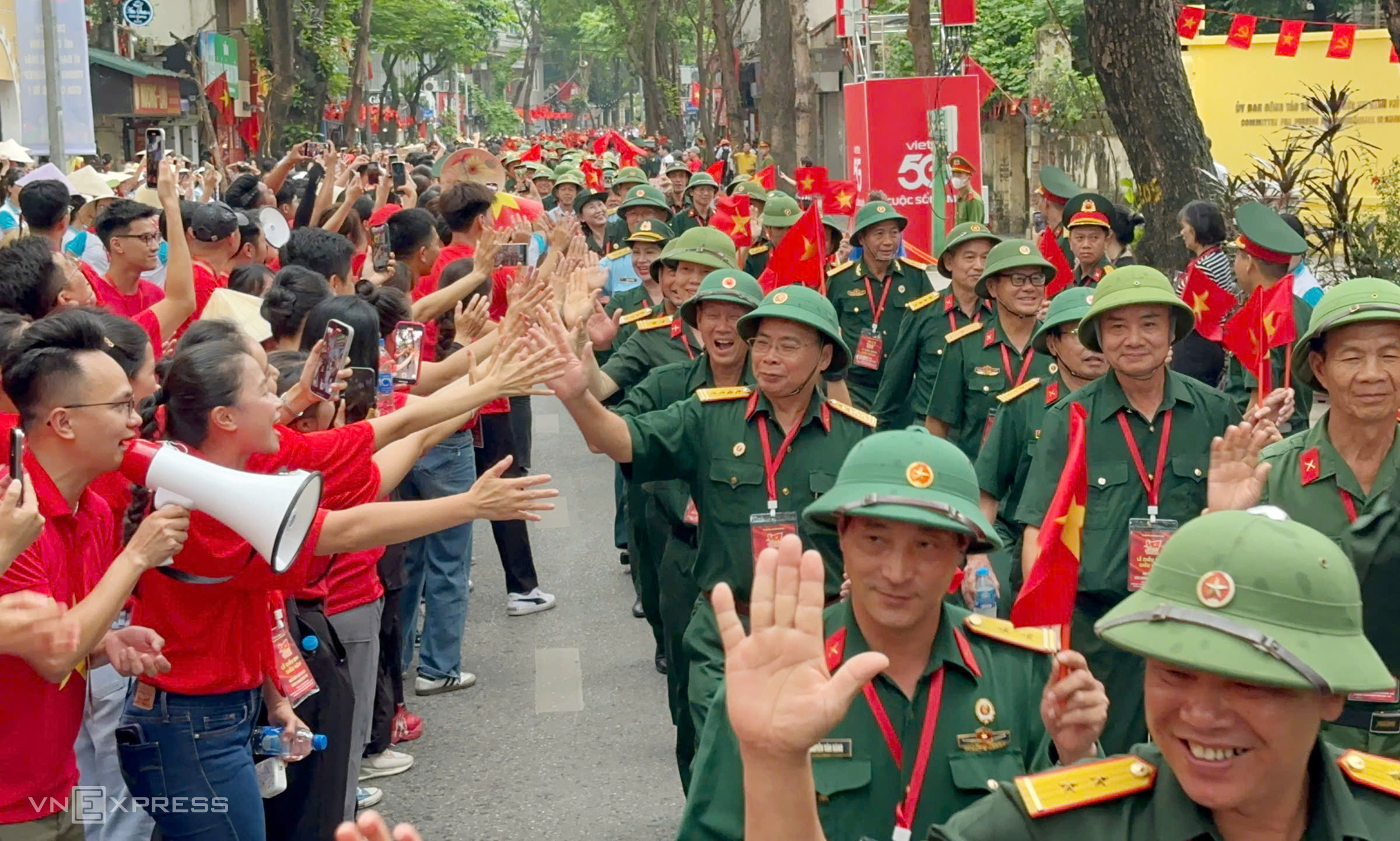 |
Veterans interact with residents on Quan Thanh street, Hanoi, during the A80 event in 2025. *Photo: Gia Chinh*
The Ministry of Internal Affairs also proposes raising the amounts for several other benefits, effective 1/1/2027. These include: the allowance for worshipping martyrs, which will increase from 1,4 to 1,6 million VND per martyr annually (the current rate has been in effect since 2022); holiday and Tet meal support, rising from 200,000 to 300,000 VND per person; and the maximum allowance for medicine, treatment, and health recovery at care facilities, which will increase from 8,5 to 11 million VND per person per year.
Regarding the identification of martyrs' remains, the drafting agency proposes specific expenditure levels. A rate of 50,000 VND per grave is suggested for sample collection when requested by a martyr's family representative or worshipper. For sample collection conducted as part of a plan by competent authorities or the Department of Internal Affairs, the rate will be 300,000 VND per person per day. Individuals undertaking sample collection will also receive business trip allowances as per current regulations.
However, financial support for visiting martyrs' graves and relocating remains is proposed to remain unchanged. This includes a meal and travel allowance of 3,000 VND per km per person, calculated based on the distance from their residence to the martyr's grave. The drafting agency deems this rate appropriate.
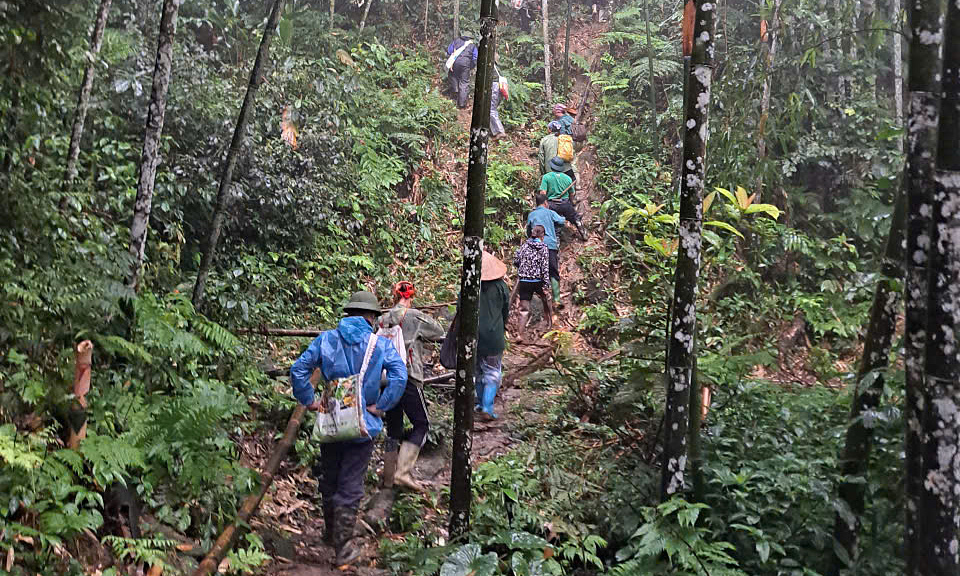
In late March, the government launched a 500-day campaign to locate, gather, and identify martyrs' remains. The initiative aims to collect approximately 7,000 sets of remains and identify 18,000 samples. Nationally, about 175,000 martyrs' remains are still unaccounted for, and over 300,000 graves lack identification. This search becomes increasingly challenging as information fades, witnesses diminish, and terrain transforms over time.
Hong Chieu