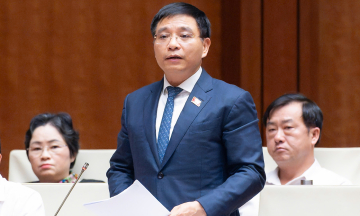
On 9/4, Justice Minister Hoang Thanh Tung, authorized by the Prime Minister, presented the draft revised Law on Civil Status to the National Assembly. A notable provision in the draft is the regulation allowing civil status registration independent of a citizen's place of residence.
Under the proposed draft, commune-level People's Committees will have the authority to register civil status matters without being limited by permanent or temporary residence. These matters include: birth registration, marriage, guardianship, supervision of guardianship, recognition of parents and children, changes to civil status information, confirmation of marital status, and death registration.
This proposed regulation marks a significant departure from current practice, where the issuance of a Certificate of Marital Status is carried out by the commune-level People's Committee of the permanent residence, or temporary residence if there is no permanent address.
The draft also grants additional authority to commune-level People's Committees to update information in civil status books and civil status databases. This will be based on judgments and decisions from competent authorities, as well as other civil status documents. The updated information will cover: nationality, determination of parents and children, gender reassignment, adoption and termination of adoption, divorce, annulment of illegal marriages, recognition of marriages, and recognition of guardianship.
Justice Minister Hoang Thanh Tung stated that the law's revision aims to ensure the legal system's consistency and synchronicity. Furthermore, it seeks to promote decentralization and delegation of power, while addressing the limitations of the 2014 Law on Civil Status.
The draft targets the modernization of civil status registration and management through digital transformation, reducing administrative procedures and associated costs. Citizens will be able to perform procedures regardless of administrative boundaries and complete full online registration for most services.
Applicants will have the option to submit their applications and receive results online, in person, or via postal service. The draft assigns the Government the responsibility of stipulating detailed regulations for the full online implementation.
Regarding civil status books, the draft emphasizes the primary use of electronic data. However, for marriage registration, both electronic and paper books will be maintained simultaneously. This is due to the requirement for both parties to be present, signifying their free will and providing their signatures for confirmation.
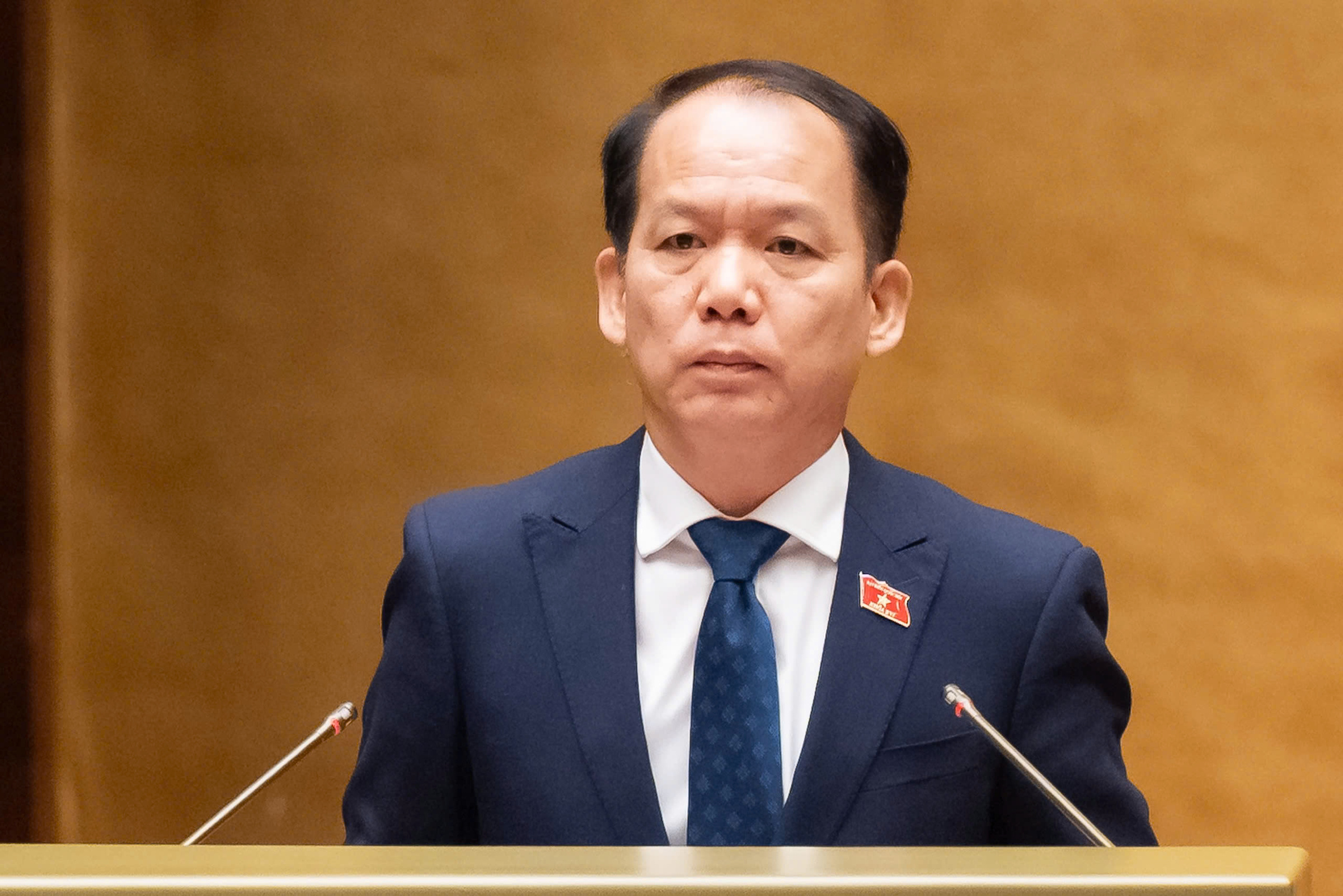 |
Justice Minister Hoang Thanh Tung. *Photo: Hoang Phong* |
Phan Chi Hieu, Head of the Legal and Justice Committee, expressed agreement with the policy of civil status registration being independent of administrative boundaries. He believes this regulation will help reduce procedures, increase the rate of online registration, and enable the effective utilization of electronic data.
The verifying agency proposed supplementing regulations to address cases where information from multiple sources conflicts. Additionally, it highlighted the importance of network information safety, cybersecurity, and personal data protection requirements.
The Government also needs to clarify the roadmap for connecting with national and specialized databases, and ensure adequate resources are invested in technology infrastructure for effective implementation.
The National Assembly is expected to consider and approve the draft law through an expedited procedure.
Son Ha