The National Center for Hydro-Meteorological Forecasting announced that a cold front will arrive in the Northeast region around the night of 22/4, before extending to the Northwest and North Central regions. Winds are expected to shift to the northeast, reaching levels two to three inland and levels three to four in coastal areas.
Beginning 23/4, the Northeast region and Thanh Hoa will experience cooler weather, with minimum temperatures generally ranging from 21-24 degrees Celsius. Some mountainous areas may see temperatures drop below 20 degrees Celsius.
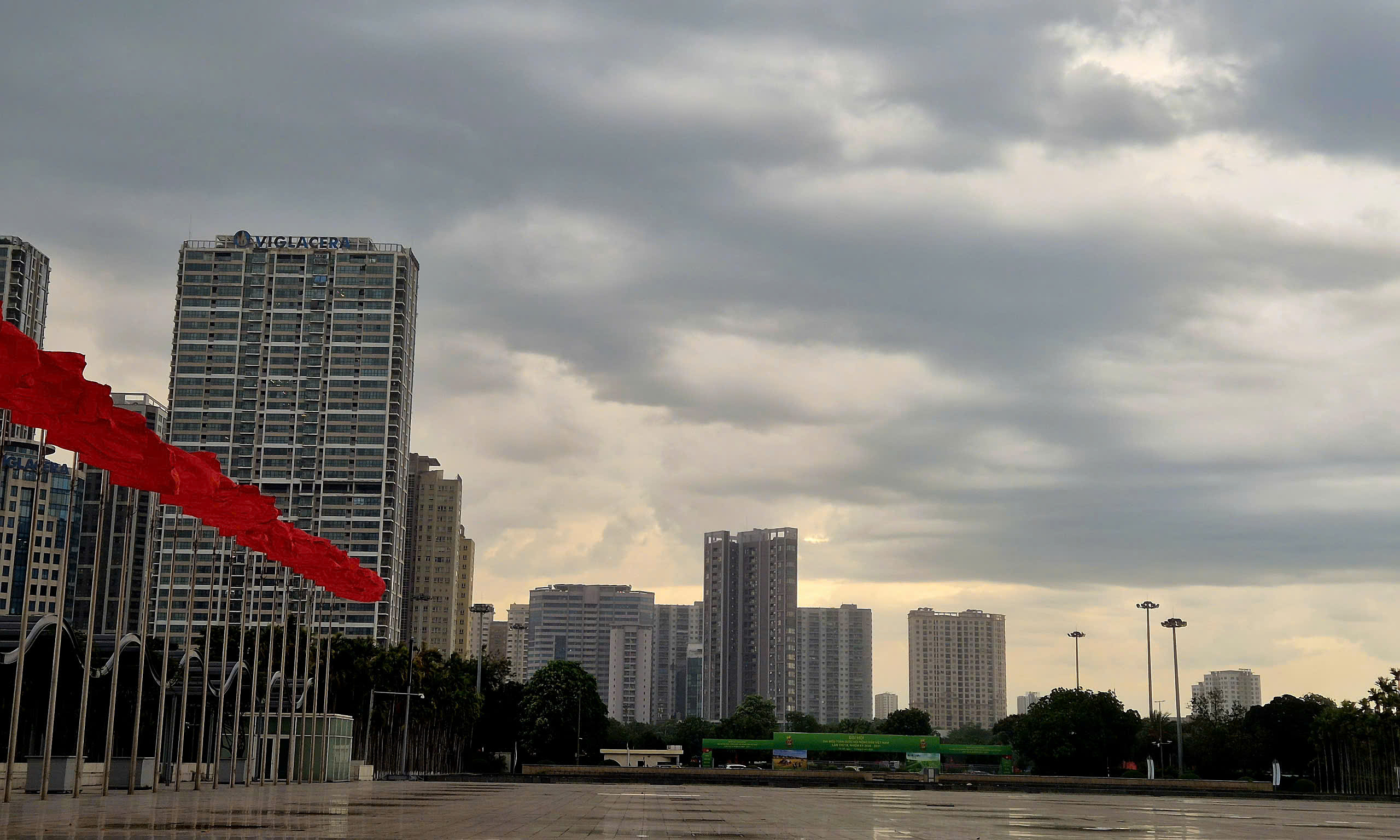
In Hanoi, scattered showers and thunderstorms are forecast from the night of 22/4 through 23/4, with minimum temperatures expected to be 22-24 degrees Celsius.
According to US Accuweather, Hanoi's temperature tomorrow will be 23-33 degrees Celsius, dropping by about 8 degrees to 23-25 degrees Celsius by thursday. High-altitude areas above 1,500 meters, such as Sa Pa (Lao Cai), will experience their lowest temperatures this friday, ranging from 14-21 degrees Celsius.
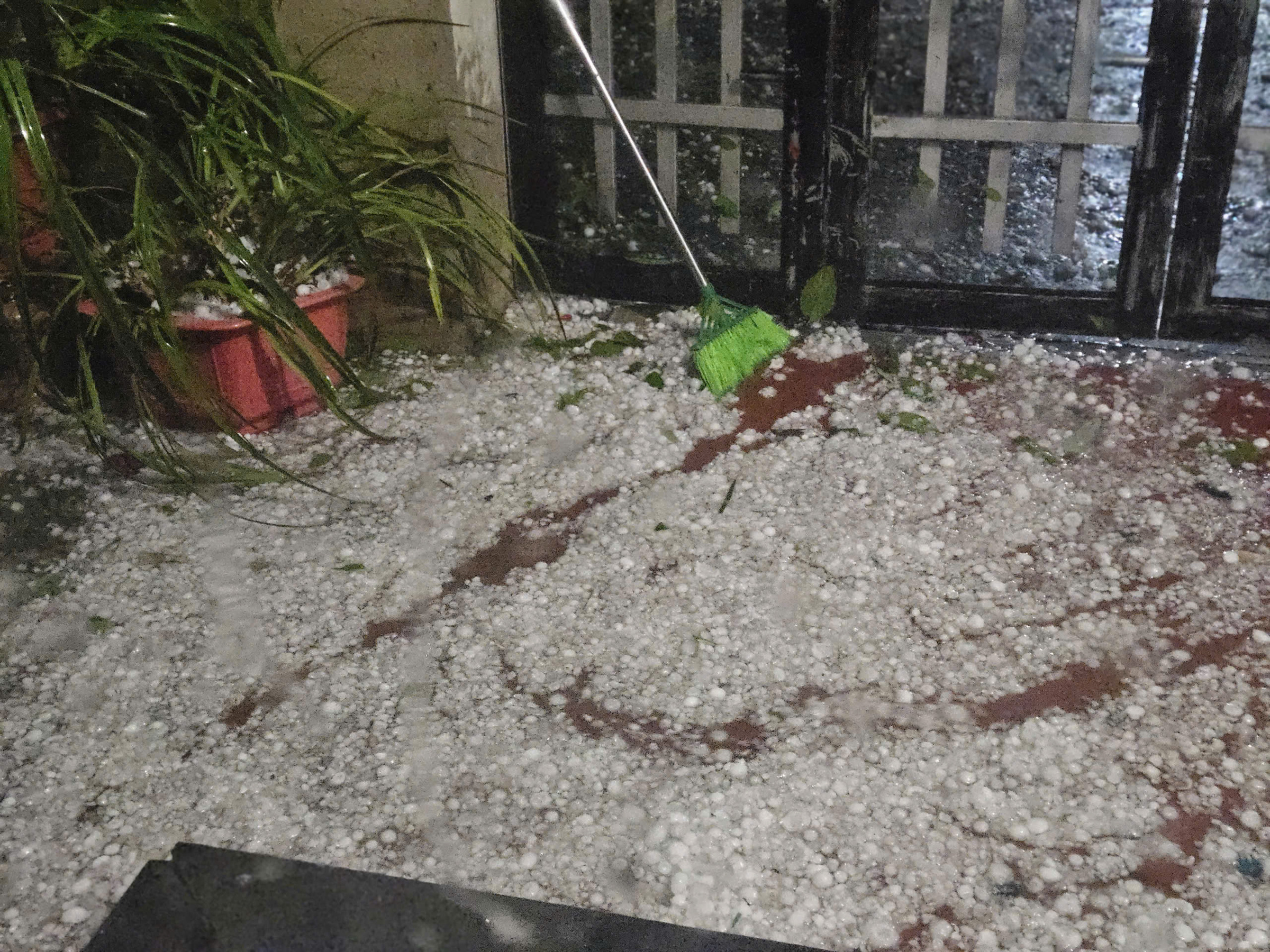 |
Hail in Bac Ha, Lao Cai on the night of 16/4. *Photo: Ngoc Nhung* |
From the early morning of 23/4, the northern Gulf of Tonkin will experience strong northeast winds, reaching level 5, occasionally level 6, with gusts up to level 7. Waves are expected to be 1,5-2,5 meters high, leading to rough seas that could pose a danger to fishing and cargo vessels.
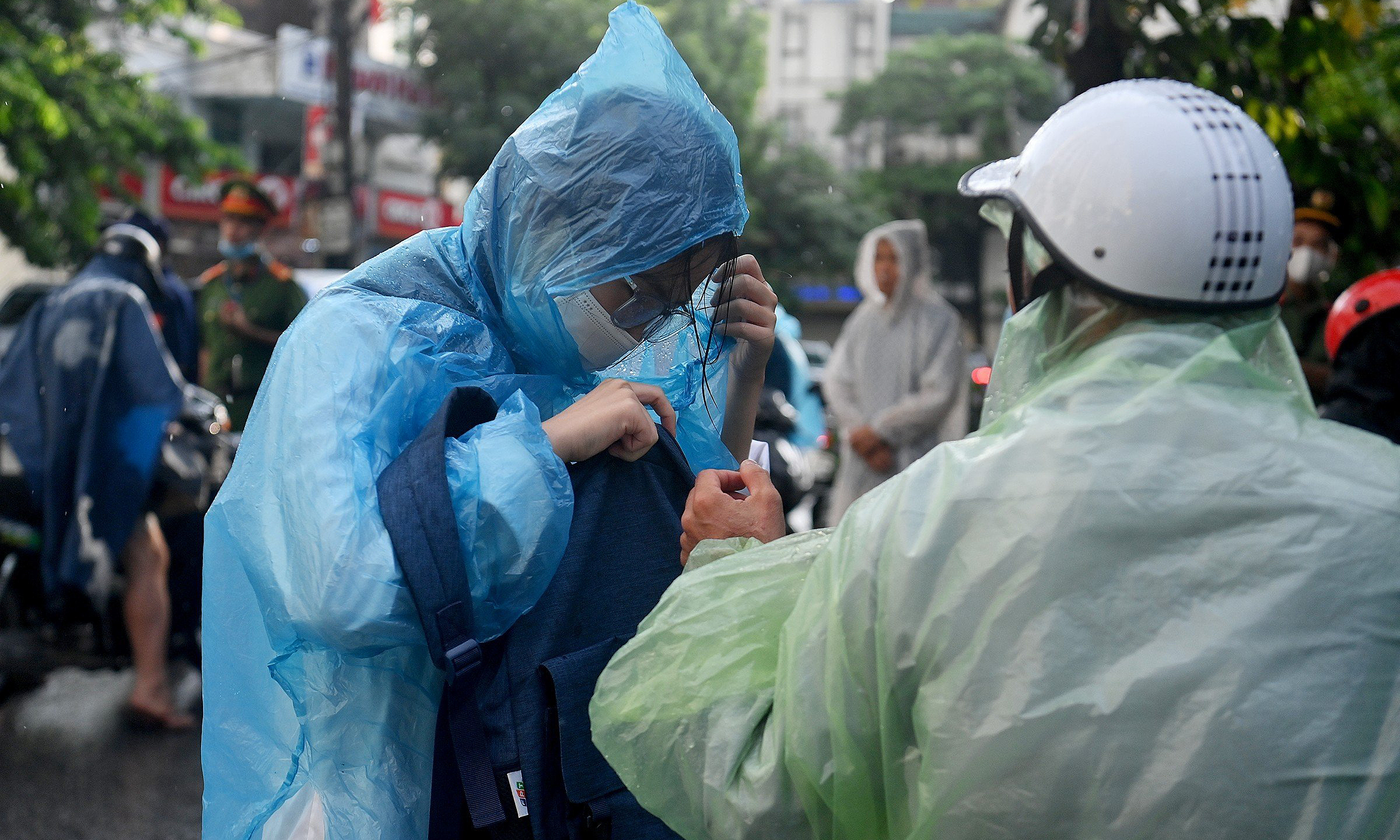
Due to the cold front's influence, northern Vietnam will see scattered showers and thunderstorms, with isolated heavy rainfall, from the late afternoon of 22/4 through 23/4. From 23/4 to 24/4, these thunderstorms will extend into the North Central region, subsequently reaching the Central Central region from the late afternoon of 23/4 until 25/4.
Because squalls can only be forecast 30 minutes to three hours in advance with 70-90% accuracy, the meteorological agency advises residents to closely monitor weather reports. People should limit outdoor activities during thunderstorms, proactively secure their homes, and protect property and vehicles to minimize potential damage.
When squalls occur, residents should remain indoors in sturdy structures, keeping doors and windows closed, and staying away from windows and objects that could be swept away by wind. Avoid sheltering under large trees or utility poles, or standing in open areas. It is also advisable to limit the use of electrical appliances and disconnect power when unnecessary to prevent lightning-related incidents.
In the event of hail, people should quickly seek sturdy shelter, prioritizing personal safety. Avoid standing under weak corrugated iron roofs or temporary structures. If caught outdoors, find a low-lying position and stay away from metal objects and hazardous areas.
>>See detailed 7-day weather forecast.
Gia Chinh