A recent decision by the Ministry of Construction allows information in the vehicle inspection database to replace various documents. These include certificates for motor vehicles, seagoing vessels, inland waterway vehicles, and specialized motorcycles.
This means that for numerous administrative procedures, agencies can directly access data from the system. They will no longer require individuals or businesses to submit copies or present physical documents.
In the road transport sector, this change significantly impacts vehicle management procedures. When transferring vehicle ownership, re-issuing registration, changing license plates, or issuing permits for commercial transport vehicles, authorities can directly access inspection information from the database. Vehicle owners will no longer need to submit a physical inspection certificate with their applications.
For transport businesses, the new regulation significantly reduces paperwork. Previously, when applying for permits or registering a transport business, companies often had to photocopy and notarize multiple inspection certificates for each vehicle.
The Vietnam Register already issues electronic motor vehicle inspection certificates with QR codes. During checks or when handling traffic violations, authorities can retrieve inspection data using the QR code provided by the vehicle owner. Drivers will no longer need to present a physical inspection certificate while on the road.
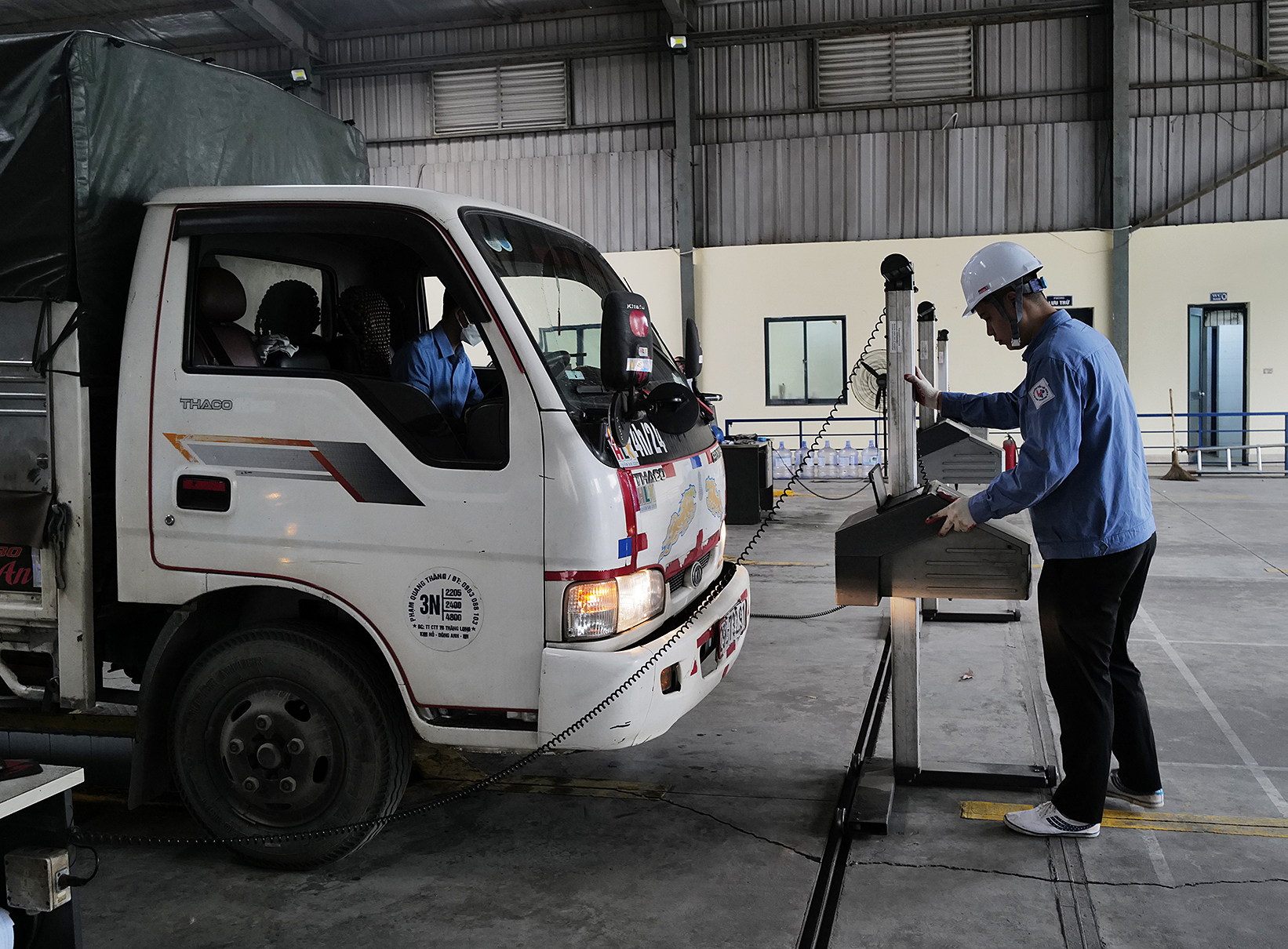 |
Vehicle inspection in Hanoi. *Photo: Ngoc Thanh* |
The Ministry of Construction has also instructed local authorities and ministerial-level agencies to review and restructure administrative procedures. This ensures data usage replaces paper documents. Implementation will follow a roadmap, contingent on the data system's completion level in each field.
During the initial phase, localities and agencies that have not yet established full connectivity will continue to use paper records. Once the system is complete, data retrieval will be entirely digital.
This data sharing initiative is part of a broader roadmap to establish electronic vehicle records. The goal is for government agencies to no longer require citizens to re-submit information already available in existing databases.
Anh Duy