 |
To commemorate the 100th birth anniversary of Cuban revolutionary leader Fidel Castro (13/8/1926) and 66 years of diplomatic relations between Vietnam and Cuba (1960-2026), the Ho Chi Minh Memorial Site at the Presidential Palace, in collaboration with the Vietnamese Embassy, is organizing a series of events titled "President Ho Chi Minh - Commander-in-Chief Fidel Castro: A Special Enduring Bond."
From the early years of Cuba's national liberation struggle, President Ho Chi Minh showed keen interest and belief in its eventual victory. "Though Vietnam and Cuba are half a world apart, the hearts of our two peoples are as close as family," President Ho once affirmed.
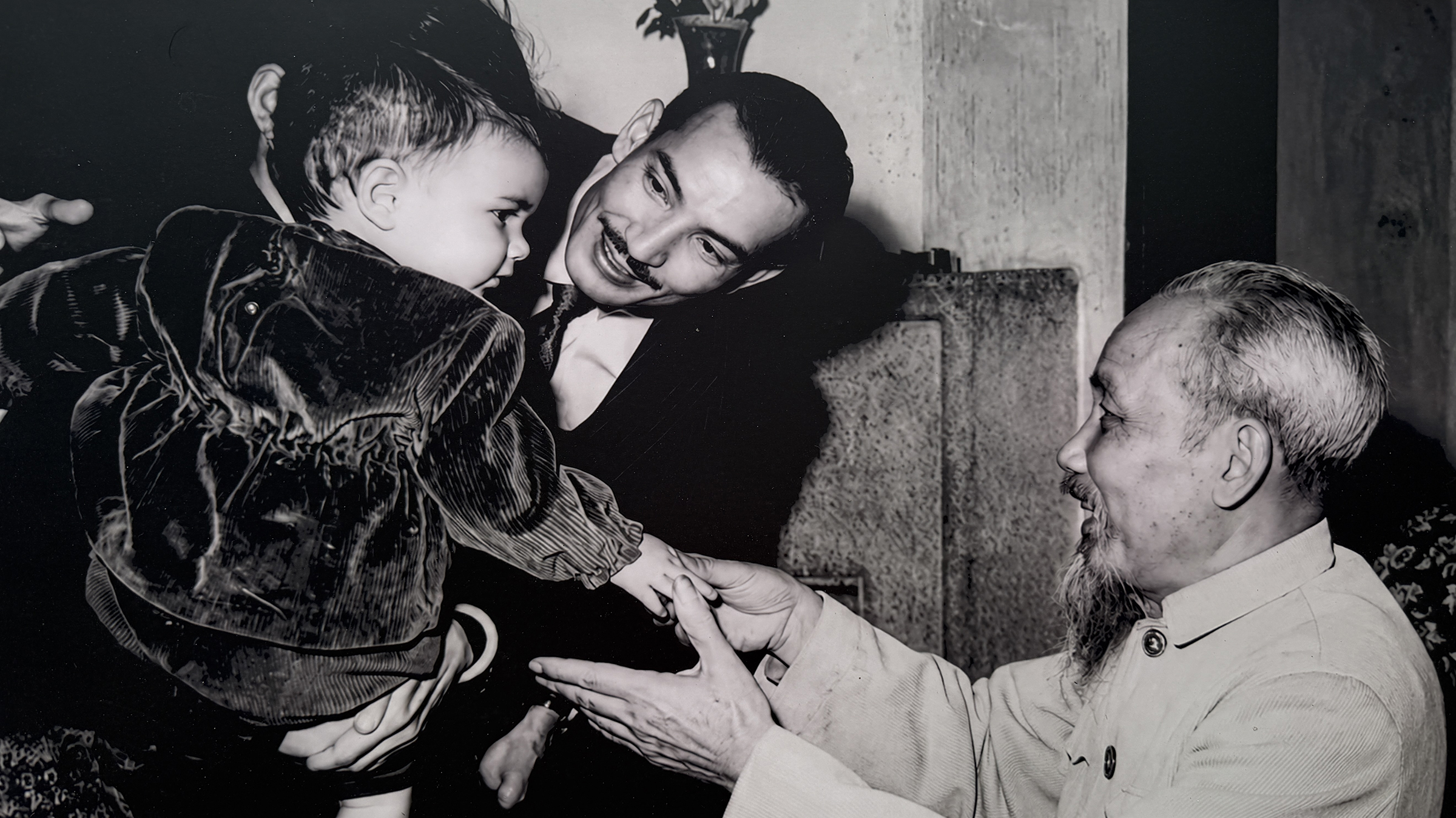
After the two nations established diplomatic relations in 1960, President Ho frequently welcomed Cuban diplomatic, press, and filmmaking delegations to the Presidential Palace for visits and work. The accompanying photo shows President Ho with Ambassador Mauro Garcia Triana and his son during the Cuban Embassy's first diplomatic reception in Vietnam in 1962.
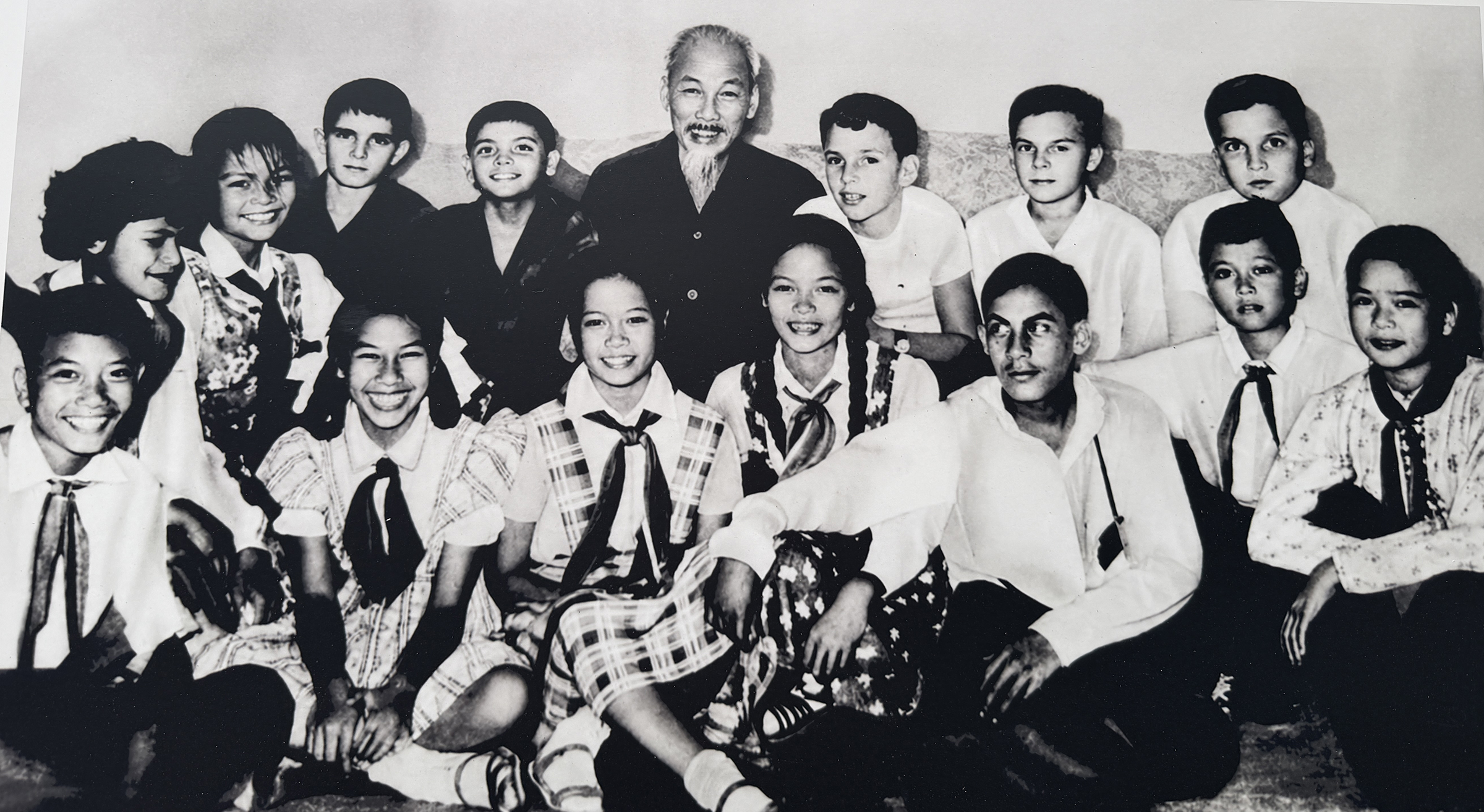 |
President Ho Chi Minh photographed with Cuban children in Hanoi.
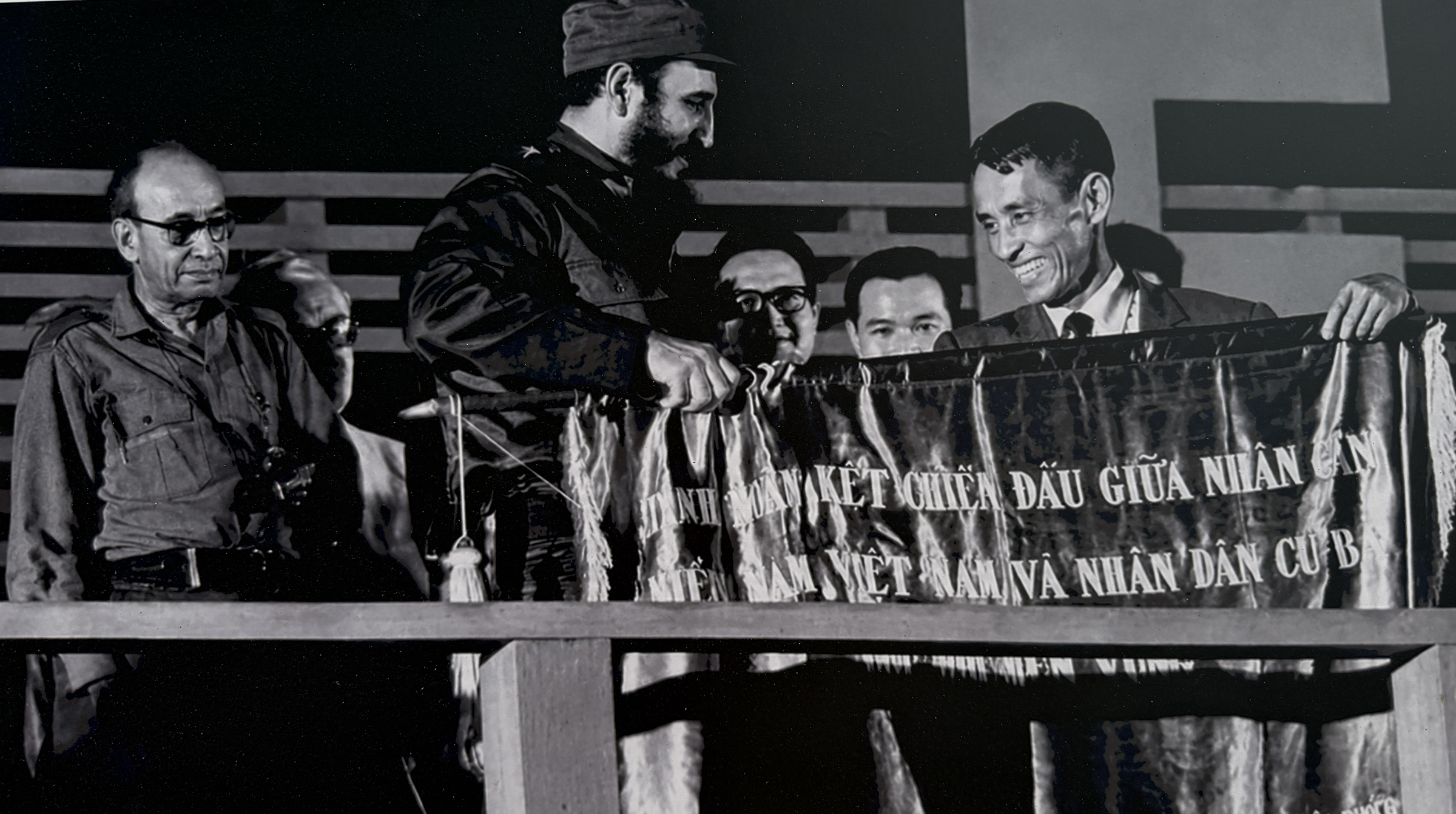 |
Half a world away, Cuba offered strong support to Vietnam during the resistance war against the US for national salvation. Fidel Castro's statement, "For Vietnam, Cuba is ready to shed its own blood," became a symbol of the relationship between the two countries.
The photo shows him with Tran Buu Kiem, Vice Chairman of the National Liberation Front of South Vietnam, during a visit to Havana in 1969.
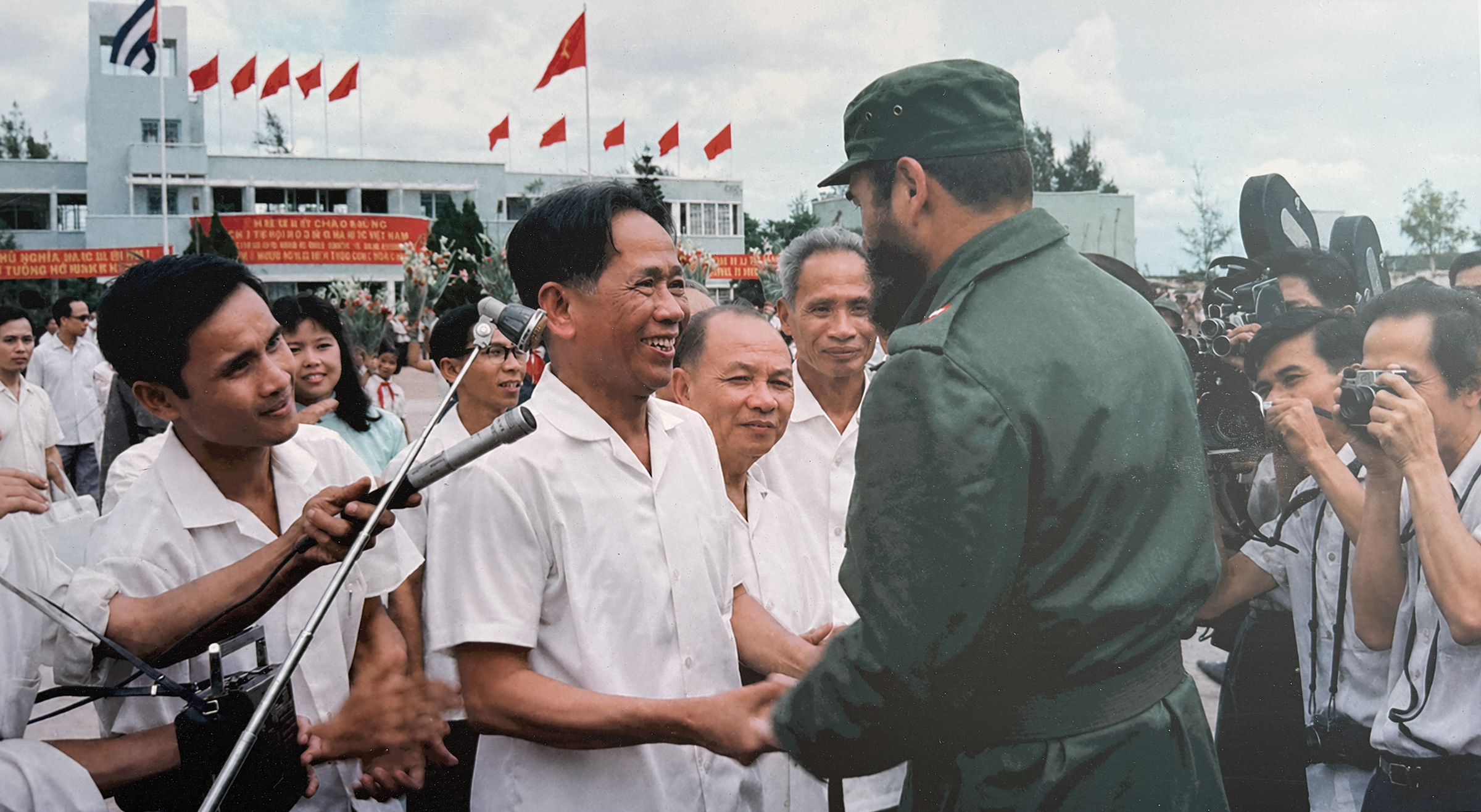 |
Le Duan, General Secretary of the Workers' Party of Vietnam, welcomed Commander-in-Chief Fidel Castro on 12/9/1973, during his first official visit to Vietnam.
This special trip to the liberated region of Quang Tri occurred just eight months after the signing of the Paris Agreement. At that time, Quang Tri had been liberated for over one year, but 15% of its southern area remained occupied. Fidel Castro expressed his desire to visit and became the first and only foreign head of state to tour liberated South Vietnam before the country's complete reunification. Over three decades, Commander-in-Chief Fidel Castro visited Vietnam three times: in 1973, 1995, and 2003.
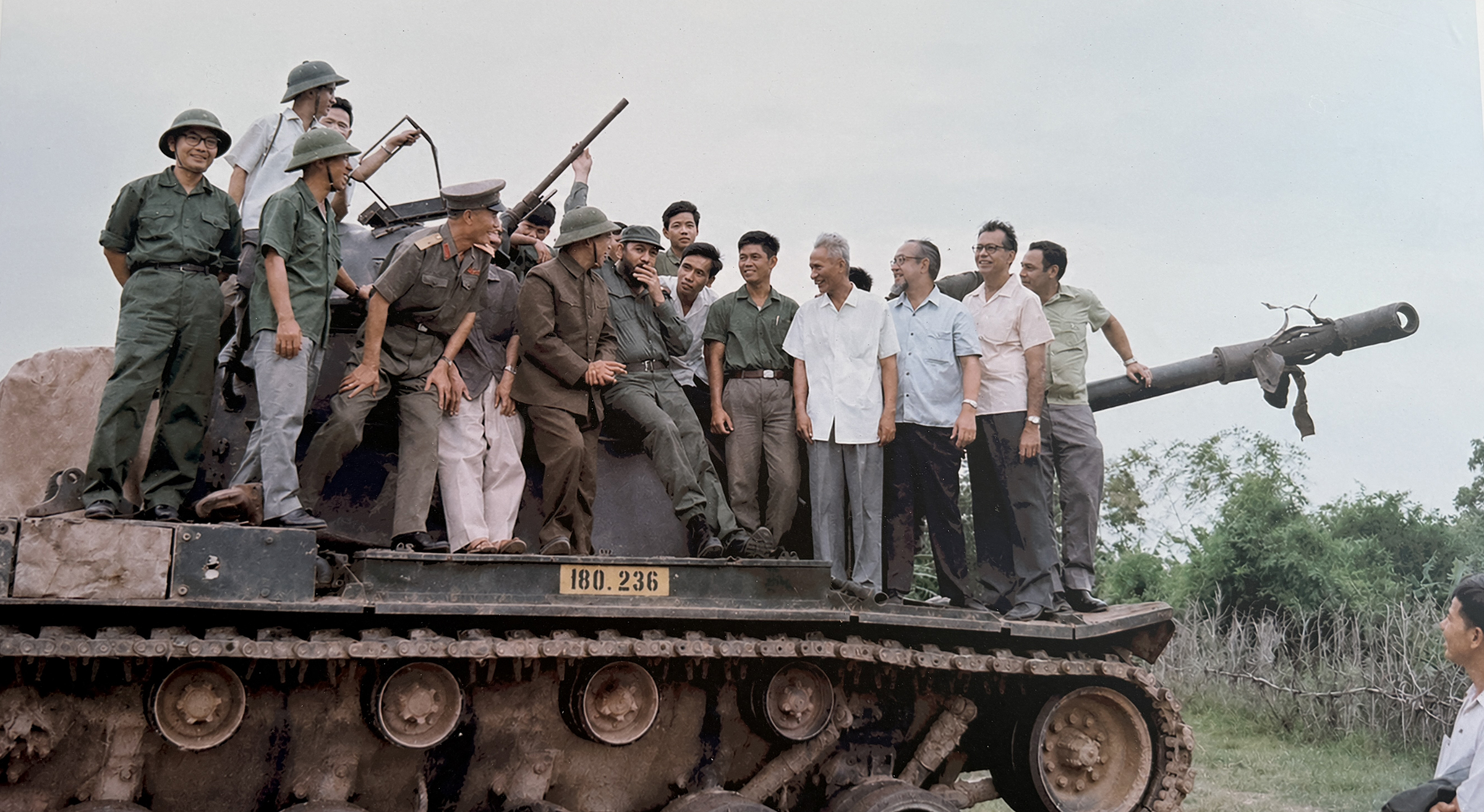 |
He and his delegation stood for a photo on a captured liberation army tank at the Doc Mieu military base. That year, the delegation crossed the Ben Hai River, traversed Doc Mieu – home to the McNamara electronic barrier – to visit Dong Ha, then proceeded along Route 9 to the Provisional Revolutionary Government of the Republic of South Vietnam headquarters in Cam Lo district.
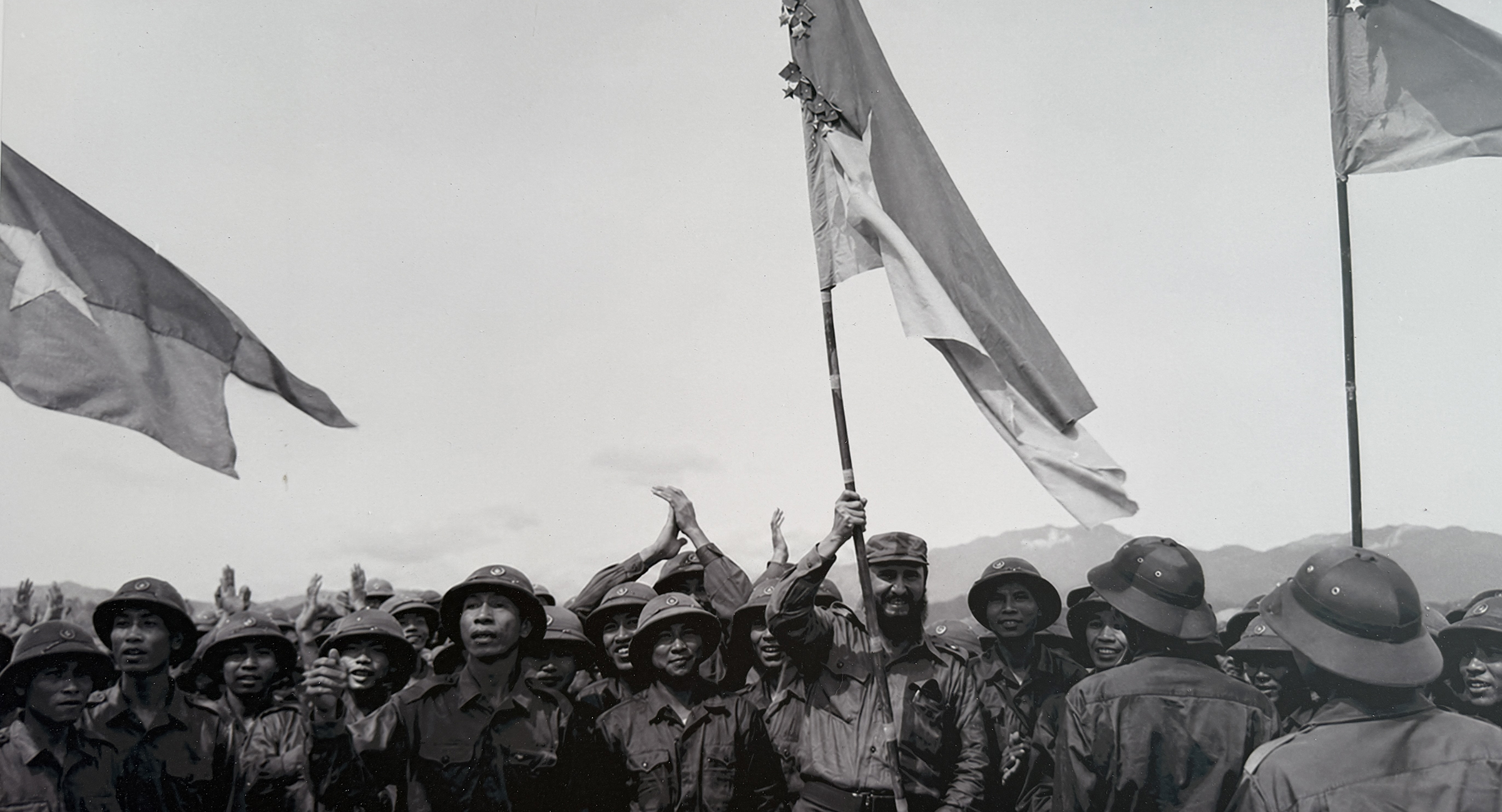 |
He raised the flag of the Khe Sanh Regiment, part of the Tri Thien-Hue Liberation Army.
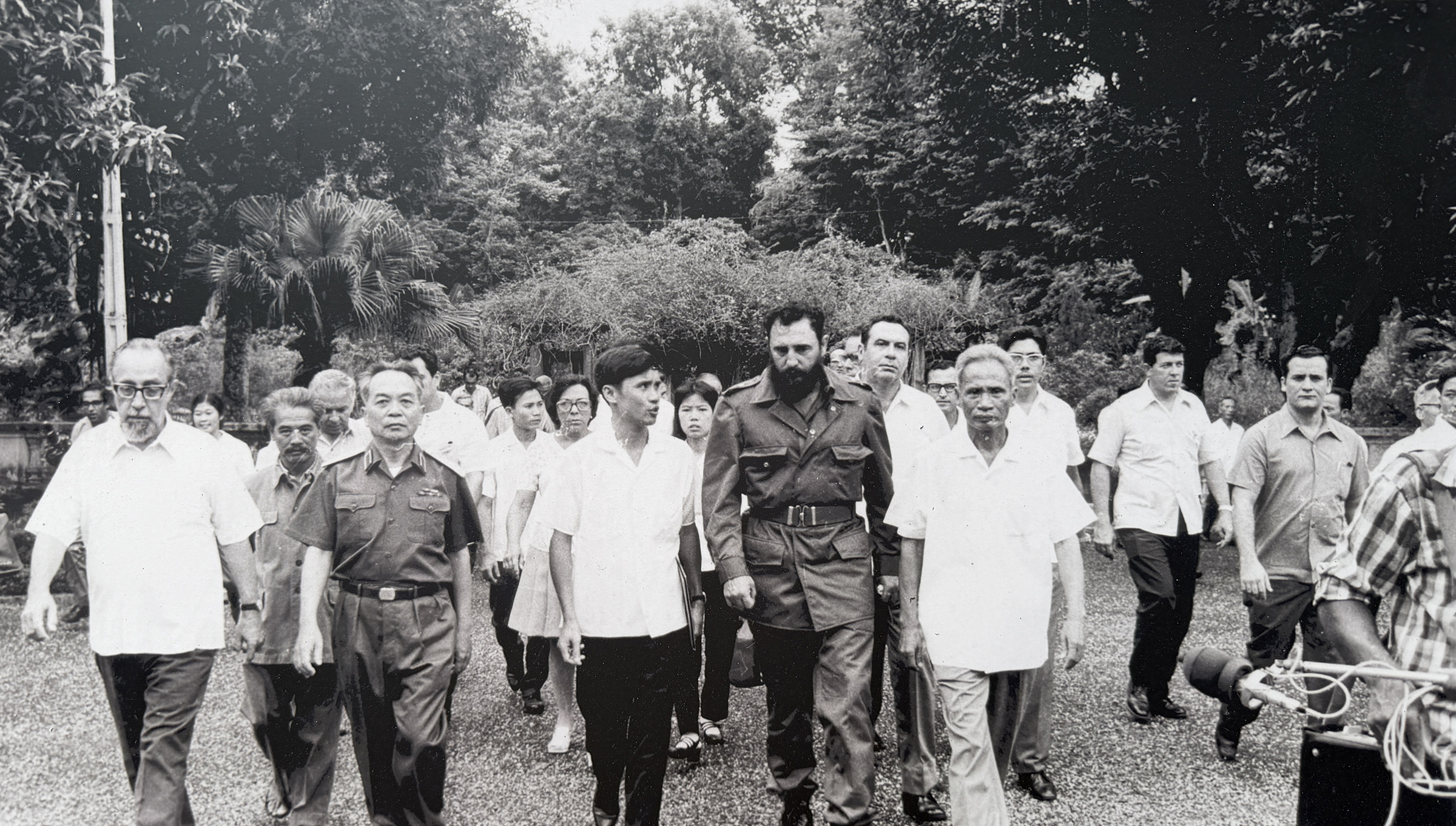 |
He visited the place where President Ho Chi Minh lived and worked during his lifetime in Hanoi.
The memorial site at the Presidential Palace was where President Ho resided for 15 years, from 19/12/1954 to 2/9/1969. After President Ho's passing, the Politburo and the Party Central Committee decided to preserve the memorial area, its relics, and artifacts at the Presidential Palace.
One year later, a high-level Vietnamese delegation visited Cuba. The photo shows him welcoming Prime Minister Pham Van Dong and pictured with Deputy Commander Nguyen Thi Dinh of the Liberation Army of South Vietnam during the 1974 visit to Cuba.
He conversed with General Vo Nguyen Giap during the Vietnamese delegation's visit to Cuba in 1975. Nearly three decades later, the two met again when Fidel Castro came to Vietnam in early 2003.
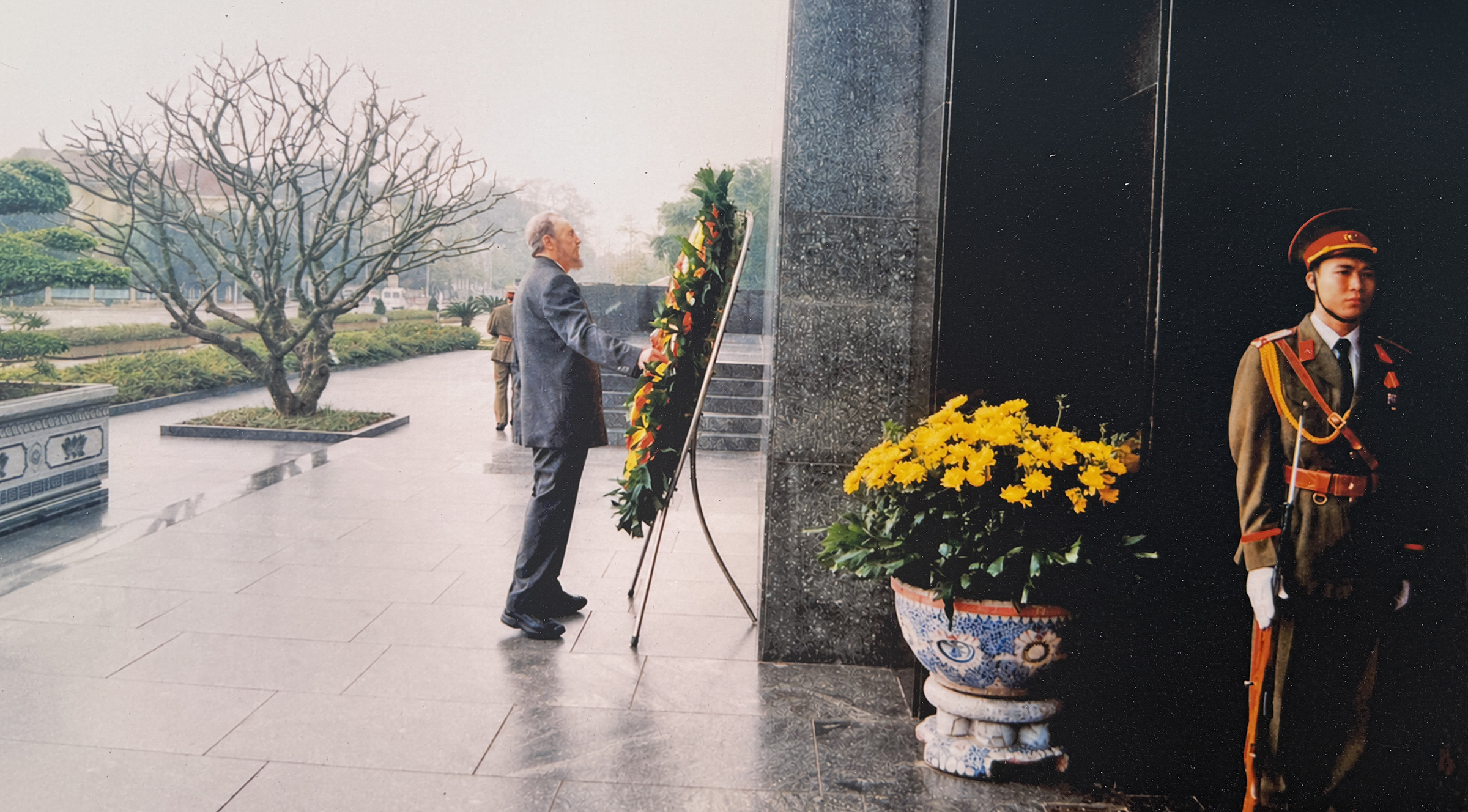 |
Commander-in-Chief Fidel Castro visited President Ho Chi Minh Mausoleum in february 2003 during his final visit to Vietnam. The legendary Fidel Castro passed away in 2016 at the age of 90.
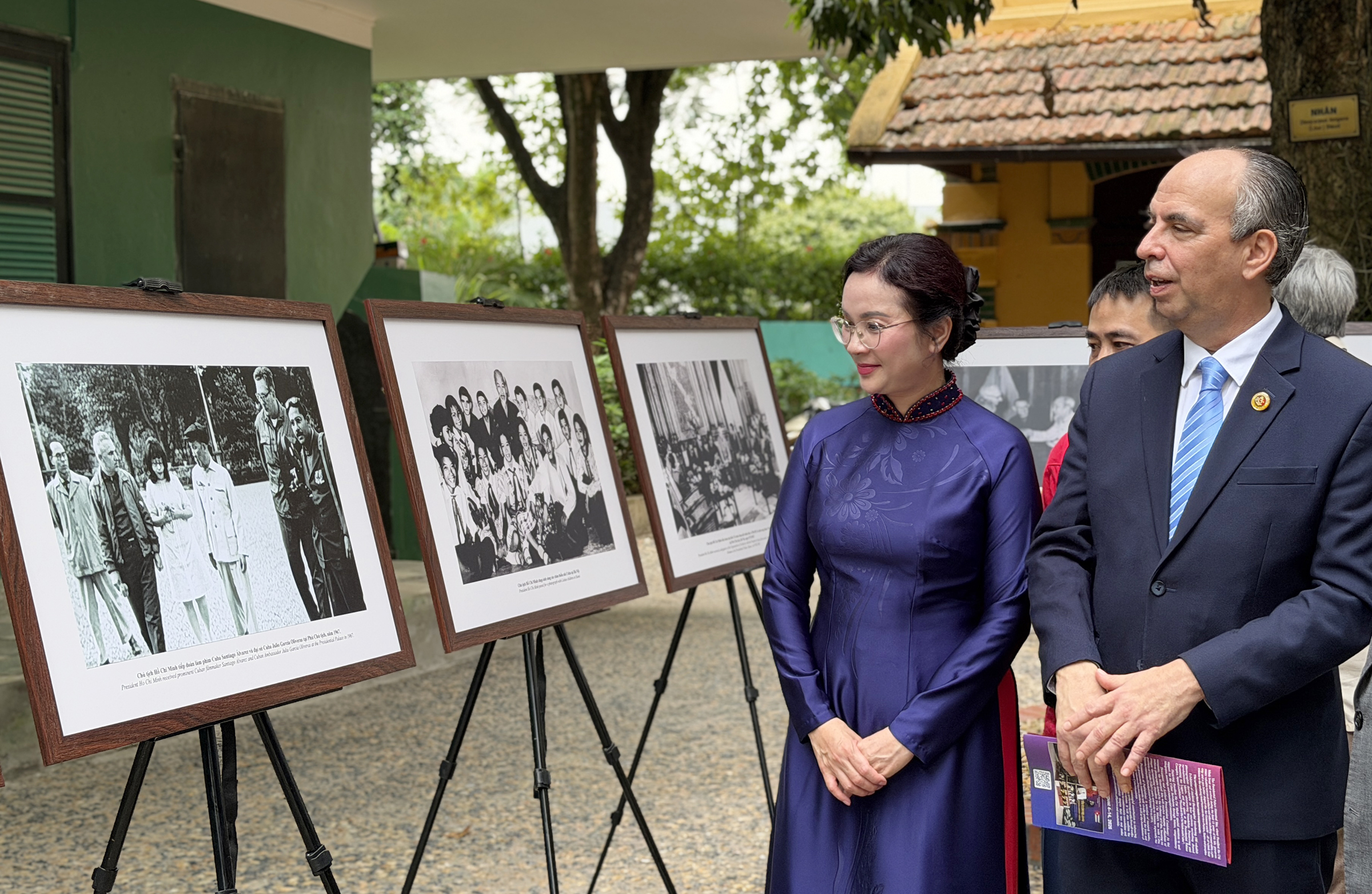 |
The event showcases over 100 documentary photographs depicting the lives, careers, and contributions of the two leaders.
Hong Chieu