On the afternoon of 24/9, the National Assembly Standing Committee discussed the draft Law on Cultural Industry Development. A key component of the draft is a mechanism allowing organizations, businesses, and individuals to trial new technologies, products, services, or business models within film, music, electronic games, and other cultural industries.
According to the draft, these trials would operate within defined limits regarding time, space, and scope of activity. Beyond film, music, and games, priority areas also include fine arts, cultural tourism, design, fashion, handicrafts, cuisine, software, and digital content. The outcomes of these trials will be evaluated to determine which effective models can be scaled.
Each decision authorizing a trial must clearly specify the activities permitted, any differing legal provisions that apply, risk control measures, the responsibilities of all involved parties, and how feedback from participants will be gathered. The decision must also outline conditions for suspension, termination, or extension of the trial.
The draft sets clear boundaries for this mechanism: it cannot override regulations concerning intellectual property rights, tax obligations, prohibited acts, or the rights of citizens guaranteed by the Constitution and other laws. Should a trial be halted, the implementing entity must ensure all legally established rights and obligations are met and address any consequences for participants and affected parties. Exemption from liability during the trial period will follow the Law on Science, Technology, and Innovation, and will not be automatically applied in all cases.
Minister of Culture, Sports and Tourism Lam Thi Phuong Thanh stated that Vietnam possesses significant potential for cultural industry growth, yet connections from creation and production to distribution and consumption remain limited. The government developed this bill to address existing legal gaps, support the market, and facilitate the development of cultural products into viable business ventures.
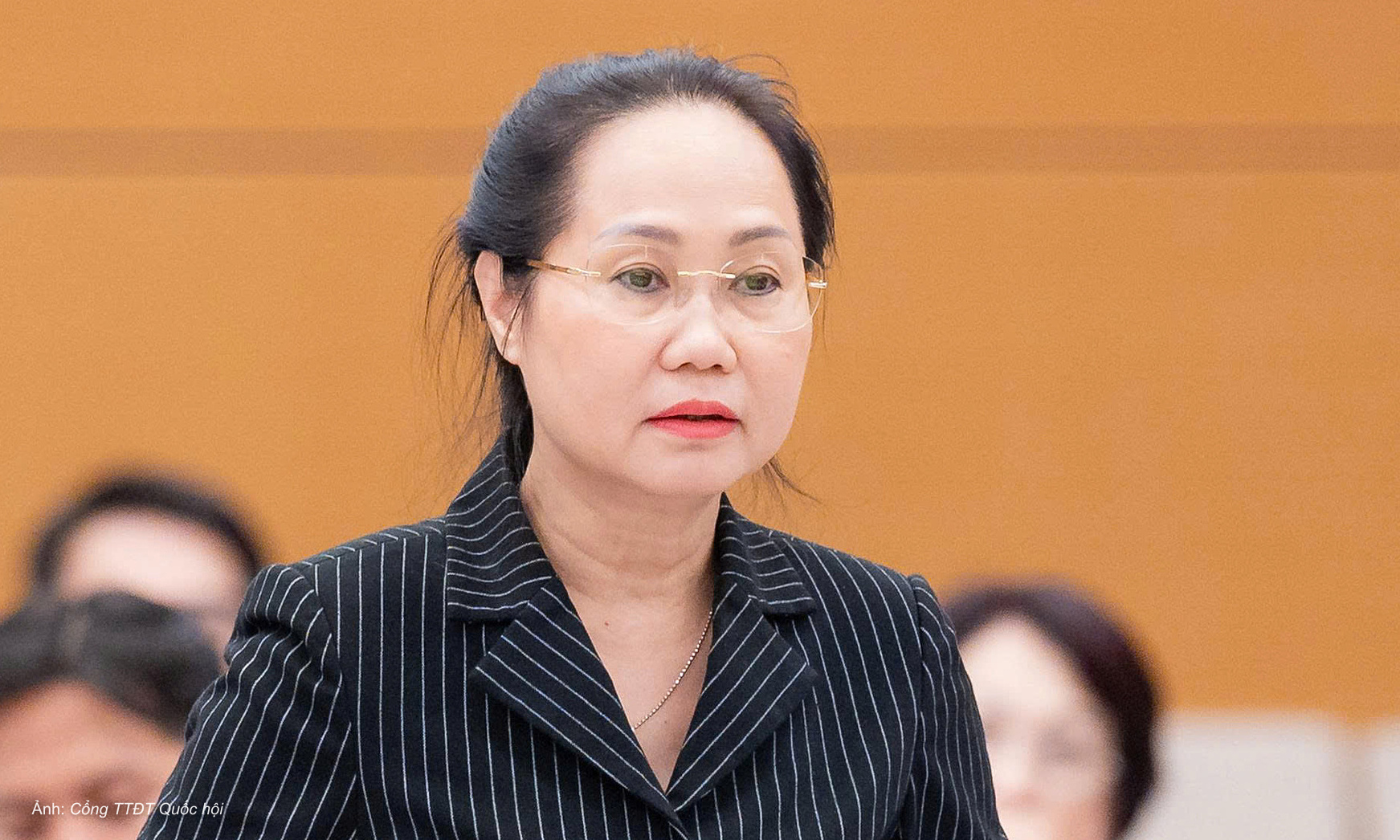 |
Minister of Culture, Sports and Tourism Lam Thi Phuong Thanh presents the Law on Cultural Industry Development bill on the afternoon of 24/9. *Photo: National Assembly E-portal* |
In addition to the trial mechanism, the draft proposes establishing identification codes and digital profiles for intellectual property assets within cultural industries. This aims to facilitate information retrieval, valuation, transactions, and rights protection. The creation of these profiles will be voluntary, and the identification code will not replace official registration or certificates of intellectual property protection.
The draft also addresses the use of intellectual property assets as capital contributions or as collateral for loans. Under the proposed regulations, banks may refer to valuation certificates when considering loan applications, but they will retain discretion over accepting intellectual property as collateral and granting credit.
Regarding human resources, the draft proposes scholarships, tuition fee waivers, living expense support, and credit for students pursuing fields identified as priority training areas for the cultural industry. Another policy targets consumers of cultural products: students, veterans, poor and near-poor households, and disabled people may receive partial cost support when using certain eligible products. The draft outlines implementation through a national cultural card integrated into personal identification accounts or via other forms specified by the government.
In its preliminary review report, the Standing Committee for Culture and Social Affairs generally agreed with the trial mechanism. However, it recommended reviewing the mechanism to ensure consistency with the Law on Science, Technology, and Innovation, particularly concerning trial duration, approval authority, and liability exemption. The committee also noted the difficulty in valuing intellectual property assets and emphasized the need for a thorough assessment of the feasibility of support policies and accurate identification of beneficiaries.
The National Assembly Standing Committee agreed to submit the bill at the second session; the National Assembly is expected to consider and pass it at the third session, mid-2027.
Son Ha