At a seminar titled "Ending Bear Captivity in Hanoi" on 24/9, hosted by Nhan Dan Newspaper, Education for Nature Vietnam (ENV) reported a significant reduction in captive bears nationwide—approximately 97% since 2005. Hanoi is now a central focus in the final phase of ending bear captivity. In 2026, local authorities successfully facilitated the transfer of three bears to rescue centers; however, many households have yet to agree.
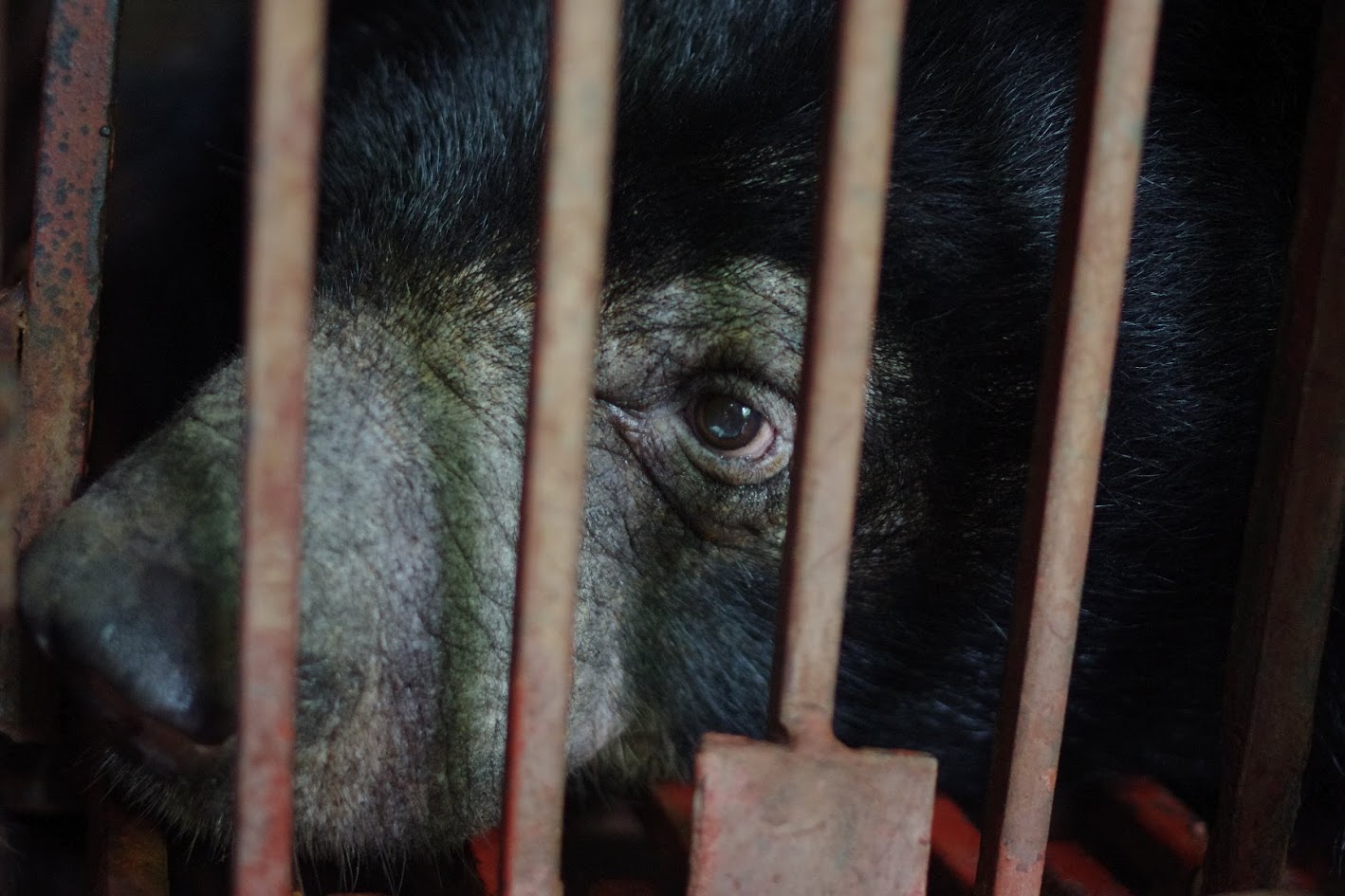 |
Captive bears at a facility in Phu Tho. *Photo: ENV*
According to Nguyen Van Cong, Vice Chairman of Phuc Tho Commune People's Committee, the current difficulty stems from the varied circumstances and mindsets of each bear owner. Some households acquired bears when they were young, investing substantial resources and effort into their long-term care, fostering a strong bond with the animals. Consequently, a single approach for encouraging transfers cannot be applied to all households.
The Phuc Tho Commune People's Committee has requested the Hanoi Forest Protection Department, the Department of Agriculture and Environment, and other relevant units to advise the City People's Committee on issuing a document regarding the cessation of bear captivity. This document should clearly define the transfer process and its implementation timeline.
Bui Thi Ha, Deputy Director of ENV, emphasized that ending bear captivity in Hanoi requires a specific approach. Instead of general campaigning, agencies must clarify the responsibilities of each party, develop a clear roadmap, and implement measurable solutions.
Authorities could approach each household individually to understand the owners' circumstances and aspirations. Simultaneously, they should facilitate direct visits to rescue centers, allowing owners to learn about the care provided to bears after transfer. This approach aims to address owners' concerns about the bears' well-being after leaving the place they have cared for them for many years.
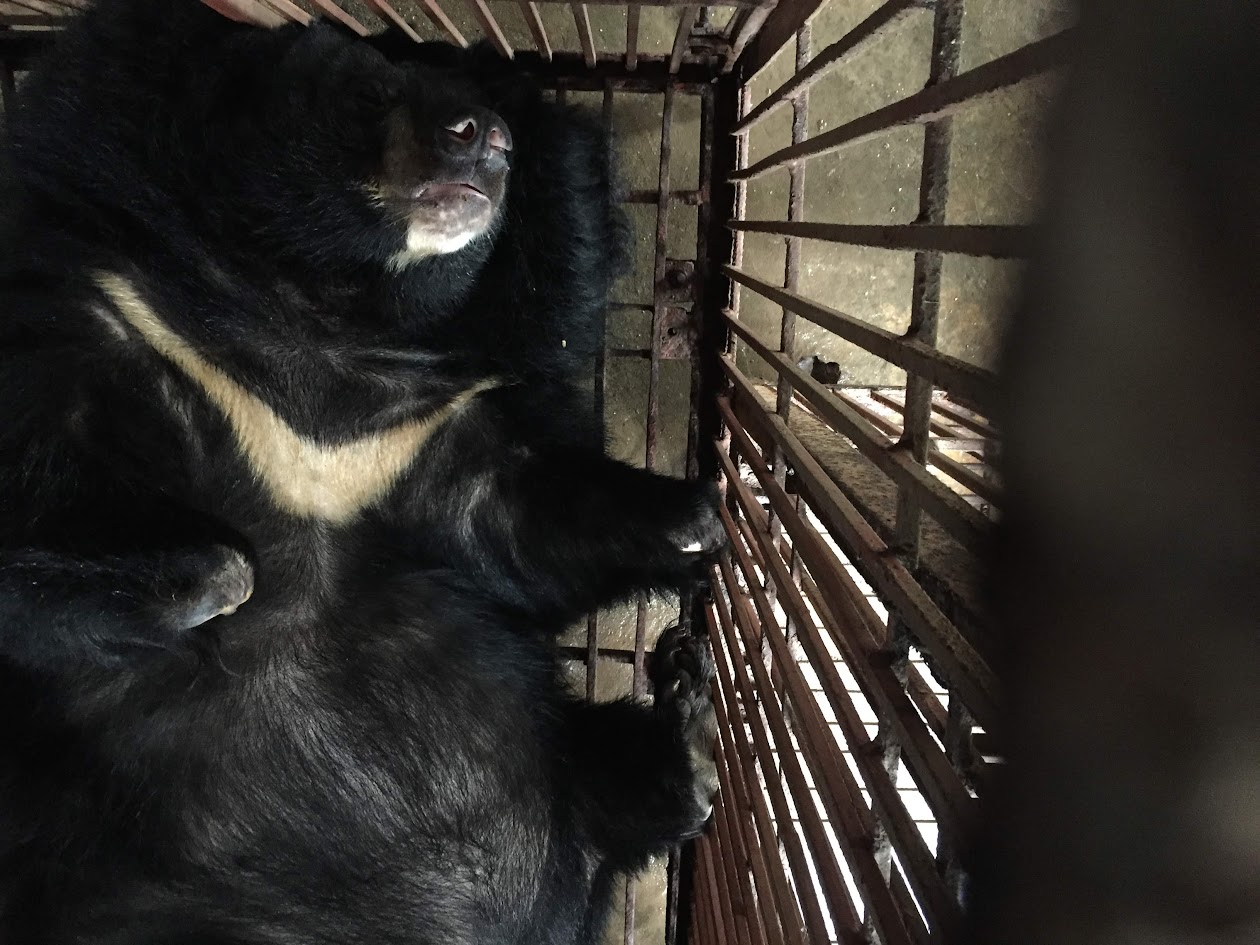 |
Captive bears in Phuc Tho. *Photo: ENV*
While awaiting a comprehensive transfer plan, management agencies will continue to monitor the remaining captive bears. This oversight aims to prevent any new cases of bear captivity and to gradually encourage owners to voluntarily transfer their animals.
Bui Huy Khoi, Deputy Head of the Hanoi Forest Protection Department, stated that the department considers managing and monitoring captive bears an ongoing task. For the remaining cases, authorities will review each household individually, understanding their circumstances and aspirations, and developing suitable approaches instead of applying a general plan.
Khoi added that bringing owners to visit rescue centers is one way for them to gain more information before deciding on a transfer. The underlying principle is to move bears to facilities with appropriate care conditions, while avoiding financial mechanisms that could lead to the surrender of bears being perceived as a form of purchase or compensation.
Gia Chinh