On the afternoon of 27/7, the National Assembly Standing Committee provided feedback on the draft law amending and supplementing a number of articles of 9 military and defense laws. These include the laws on: National Defense; Officers of the Vietnam People's Army; Professional Soldiers, National Defense Workers, and Public Employees; Military Service; Vietnam Border Guard; People's Air Defense; Reserve Mobilization Force; Civil Defense; and Militia and Self-Defense Force.
General Phan Van Giang, Deputy Prime Minister and Minister of National Defense, stated that the draft law focuses on amending regulations related to organizational restructuring and addressing urgent issues arising in practice.
Currently, the country has regional military command boards. After the law is amended, units will be organized according to a new model, associated with deploying regular military personnel to commune-level military command boards. "This is the first time in the army's history that regular officers will be deployed to the commune level," General Phan Van Giang said.
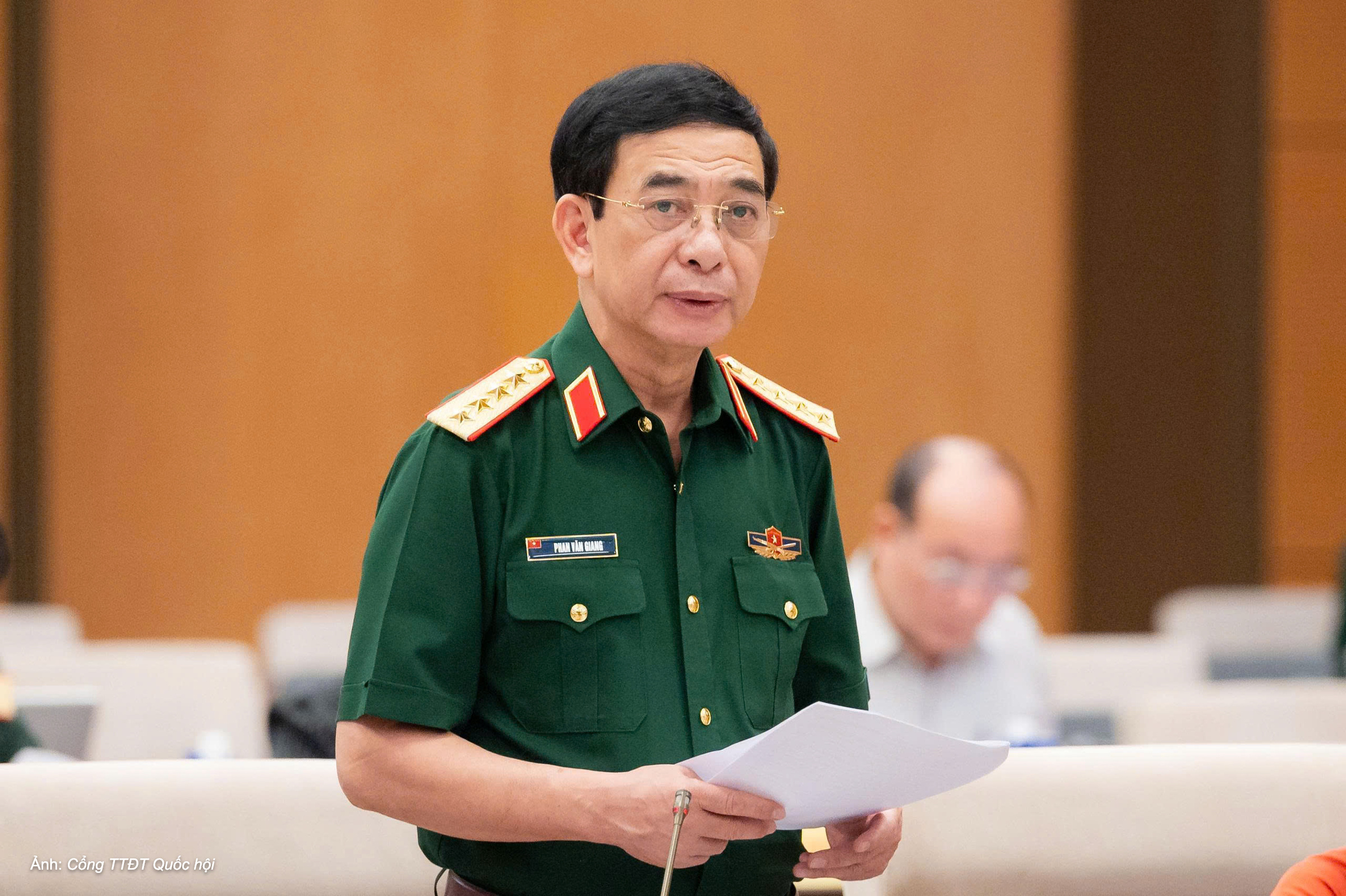 |
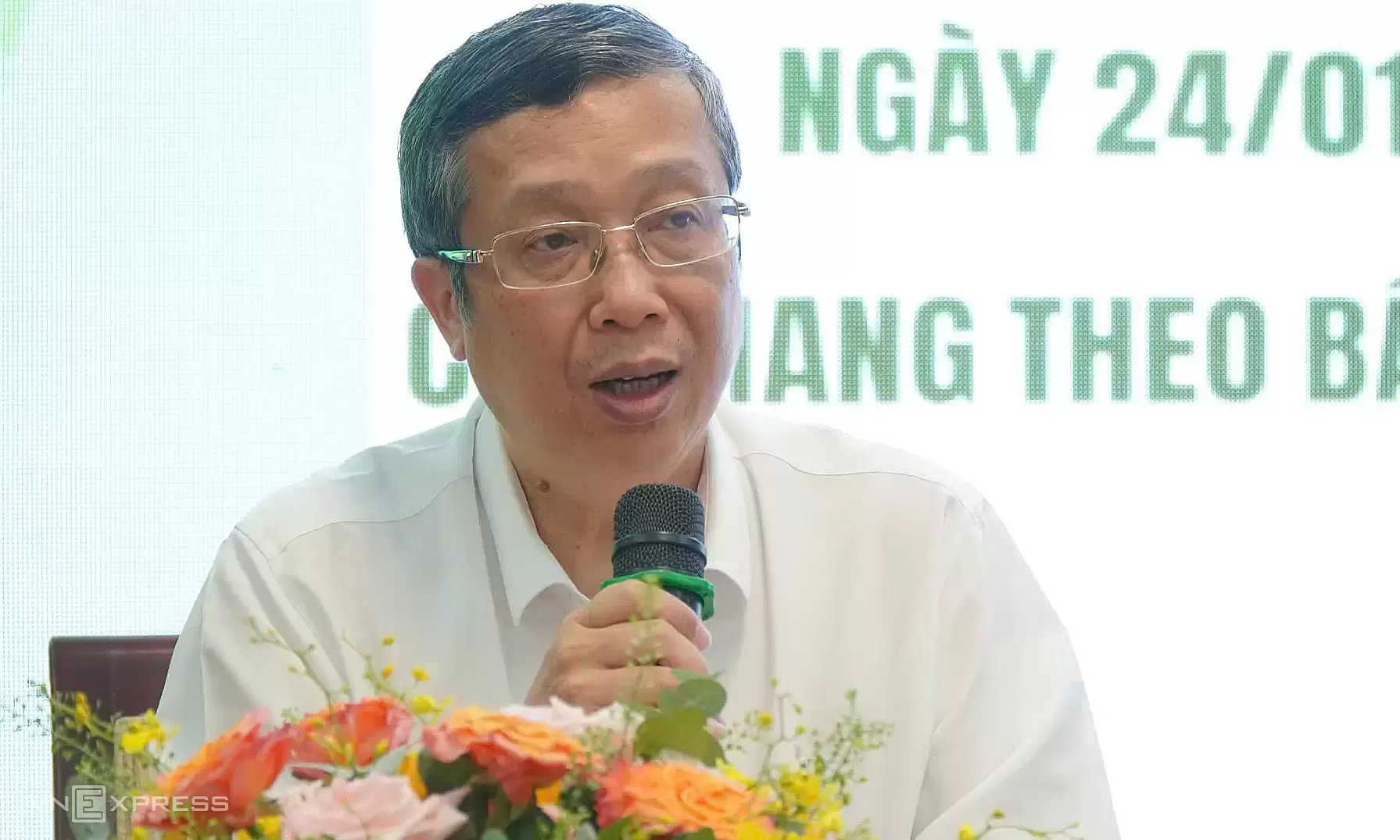
Deputy Prime Minister and Minister of National Defense Phan Van Giang. |
Regarding the Law on Officers of the Vietnam People's Army, he stated that this amendment concerns officer positions: commander, deputy commander, political commissar, and deputy political commissar of provincial-level military commands, as well as commune-level positions. The draft law also adjusts the maximum service age for commune-level military command board commanders and appoints positions for reserve mobilization units.
Specifically, the positions of commander and political commissar of provincial-level military commands are being reclassified from the group of "division commander, division political commissar" to the same group as commanders and political commissars of branches and naval regions. The positions of commander of commune-level military command boards are grouped with battalion commanders and battalion political commissars.
The Law on Militia and Self-Defense Force will amend regulations concerning commune-level military command boards, specifying that commune-level military command boards are local military agencies directly subordinate to the Hanoi Capital Command, the Ho Chi Minh City Command, and provincial-level Military Commands.
Commenting on the organization of local military apparatus, National Assembly Chairman Tran Thanh Man stated that the transformation of commune-level military command boards into local military units and the deployment of regular army officers to assume command positions is a major and correct policy of the Party.
The National Assembly Chairman cited examples: during natural disasters, floods, or fires at the commune level, the army is one of the leading forces that undertakes missions, exerting itself in rescue operations and assisting the people. In the 500-day-night campaign to search for, gather, and identify the remains of martyrs, the army led alongside other forces.
The National Assembly Chairman also suggested studying the opinions of the verification agency regarding the arrangement of regular officers as political commissars for commune-level military command boards. This proposal aligns with the deployment of officers to the commune level to implement a single-commander system linked with the political commissar system.
If such an arrangement cannot yet be implemented, clear regulations are needed regarding the position, functions, duties, and working relationships of the commune-level military command board's political commissar, when this role is concurrently held by the Party Committee Secretary. This is a unique concurrent position, serving both as a command role and involving Party and political work.
Son Ha