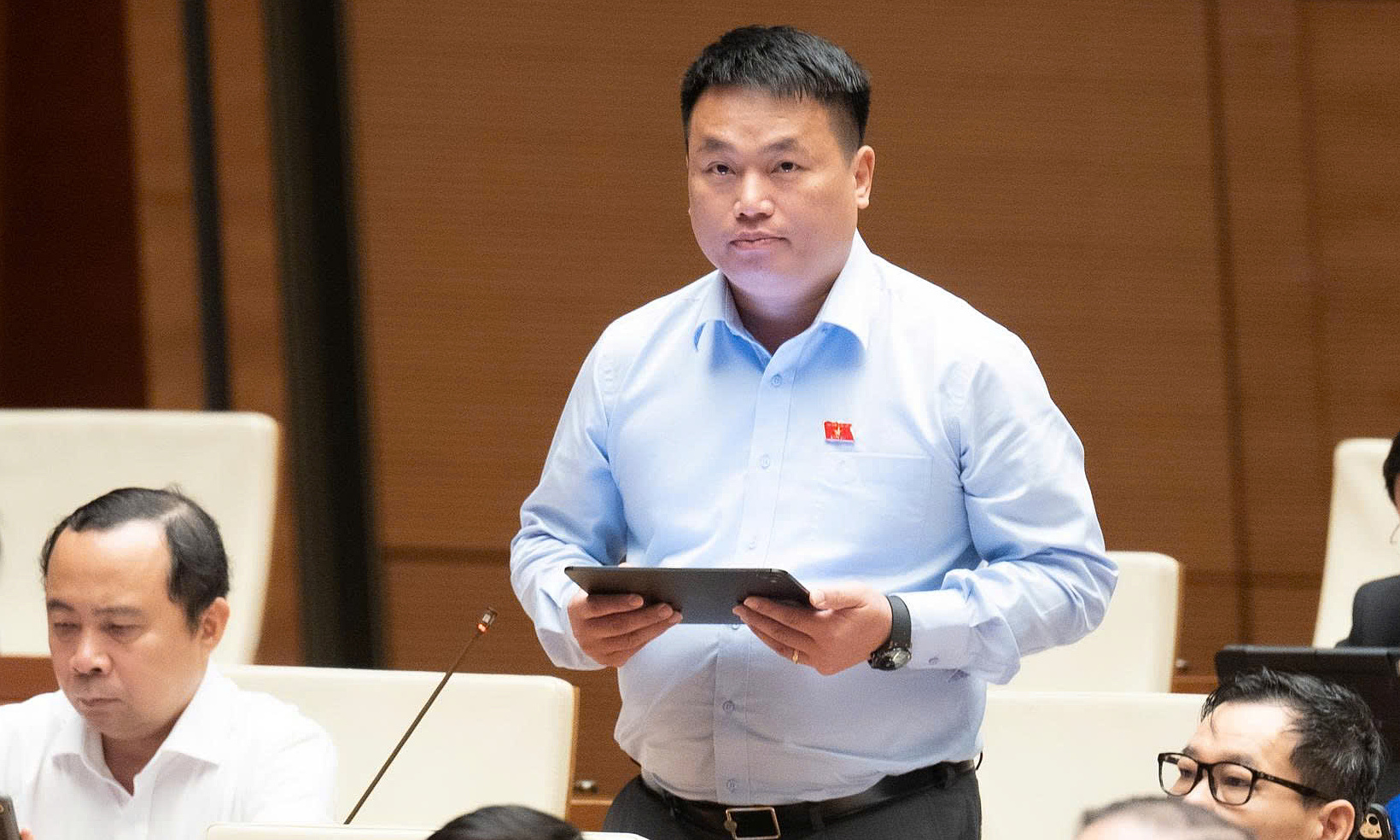
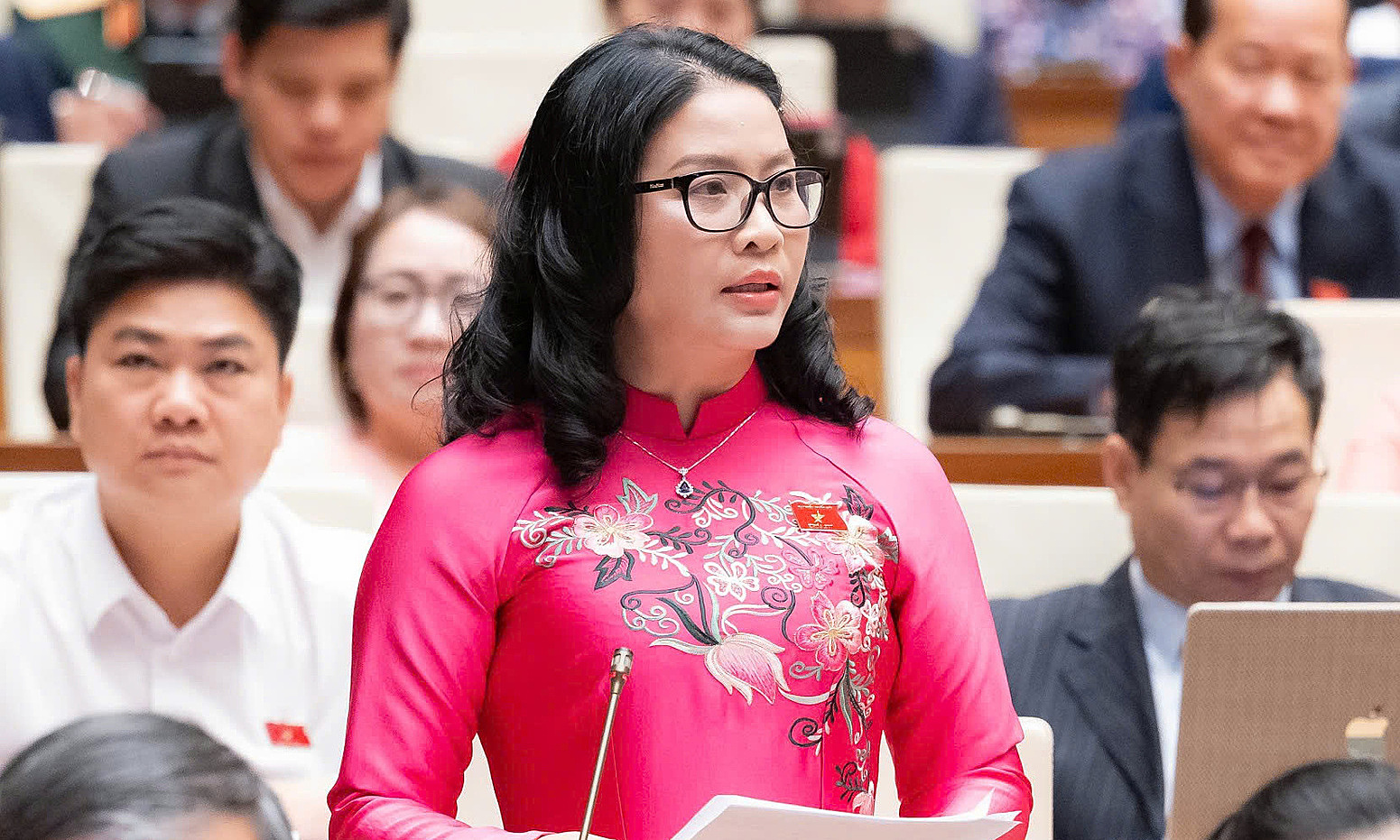
Speaking before the National Assembly on the morning of 21/4, Delegate Le Thi Ngoc Linh, Chairwoman of the Ca Mau Provincial Women's Union, stated that Vietnam is entering a new development phase with a significant challenge: rapid population aging while birth rates decline below the replacement threshold.
According to her, the current total fertility rate is lower than the replacement birth rate of 2,1 children. In 2022, the birth rate remained around this threshold, decreasing to about 1,96 children in 2023 and further to 1,91 children per woman in 2024. This trend indicates shrinking family sizes and an insufficient number of births to maintain a stable population in the long term. Meanwhile, Vietnam is rapidly transitioning from a demographic dividend phase to an aging population, with an increasing proportion of people aged 60 and above, while the young labor force tends to decrease.
The delegate believes that to overcome the low birth rate, population policies need significant adjustment, shifting from family planning towards maintaining a sustainable replacement birth rate. This includes clearly zoning and prioritizing areas with low birth rates, especially large urban centers and industrial zones.
She emphasized the role of communication in changing societal perceptions of marriage and childbirth, encouraging marriage and childbirth at appropriate ages, and curbing the trend of delay among young people. "We should encourage couples to have two children, viewing this as a social responsibility linked to the country's sustainable development", she stated.
Concurrently, the delegate proposed that the State implement practical, long-term financial support policies for families, such as assistance with childbirth and childcare costs, expanded exemptions and reductions for medical examination and treatment fees, and tax incentives for households raising young children.
The childcare service system also requires synchronous investment, expanding the network of nurseries and preschools, especially in urban and industrial areas, and developing after-hours childcare services. At the same time, the State needs policies to support housing, stable employment, and increased income so that young couples can feel secure starting families and having children.
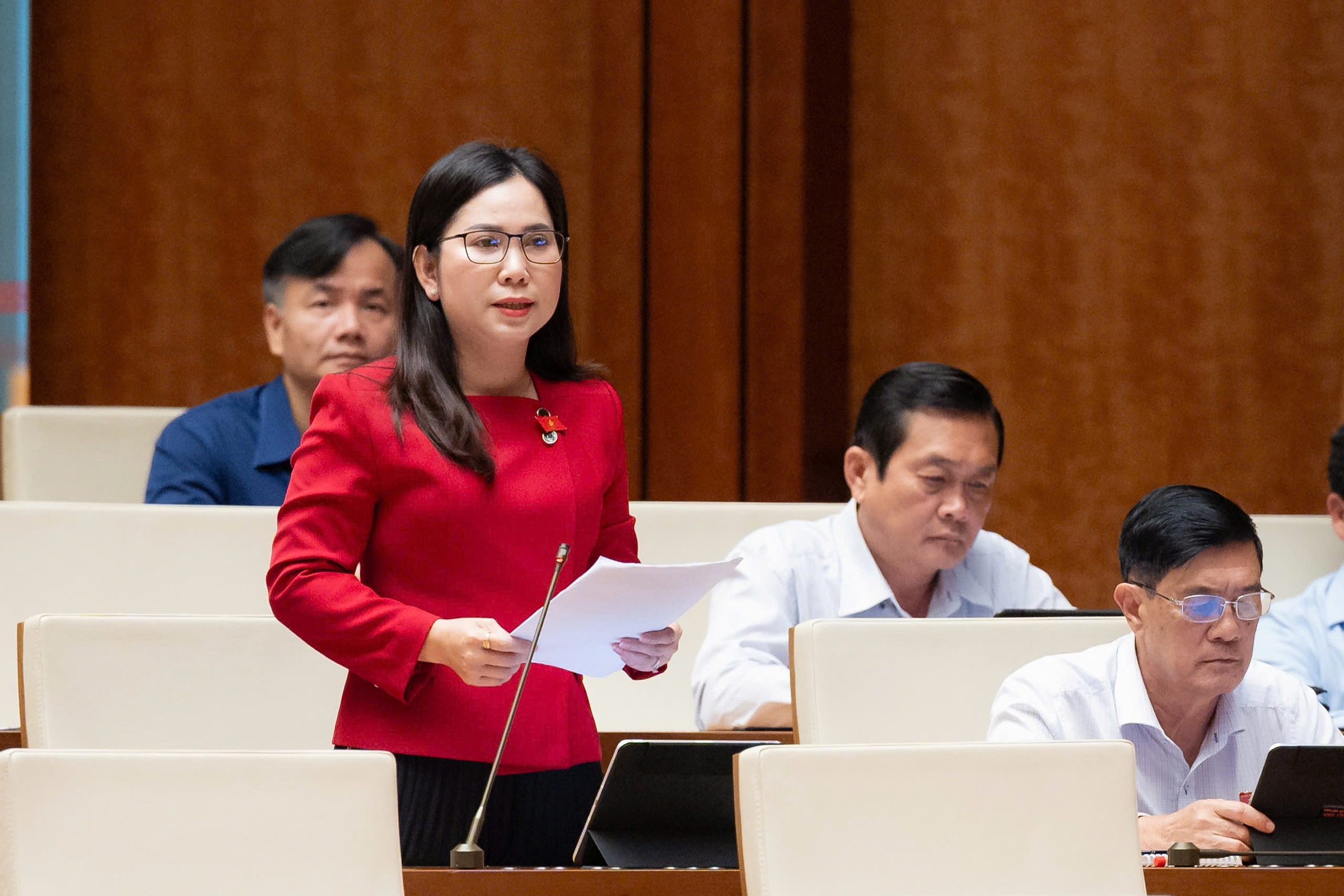 |
Delegate Le Thi Ngoc Linh, Chairwoman of the Ca Mau Provincial Women's Union. Photo: Hoang Phong |
According to Ms. Linh, pro-natalist policies should be implemented proactively, synchronously, and over the long term, centering on families and women. These policies should respect the right to choose to have children while creating conditions for people to desire and be able to have children.
In the long term, she proposed that the National Assembly review and amend legal regulations related to population, labor, social security, and gender equality in a synchronous manner. The State needs timely, strong policy decisions to create a favorable environment for childbirth and child-rearing.
The amended Population Law, enacted in 2025, has added numerous pro-natalist policies. These include financial support, preferential loans and social housing purchases, exemption from some screening examination fees, and penalties for disclosing fetal gender to limit the sex imbalance at birth.
The national birth rate in 2025 is projected to reach only about 1,93 children per woman, threatening the goal of maintaining the replacement birth rate by 2030. Vietnam is also facing the risk of a male surplus due to the birth rate of boys being higher than the natural balance since 2006.
Son Ha