 |
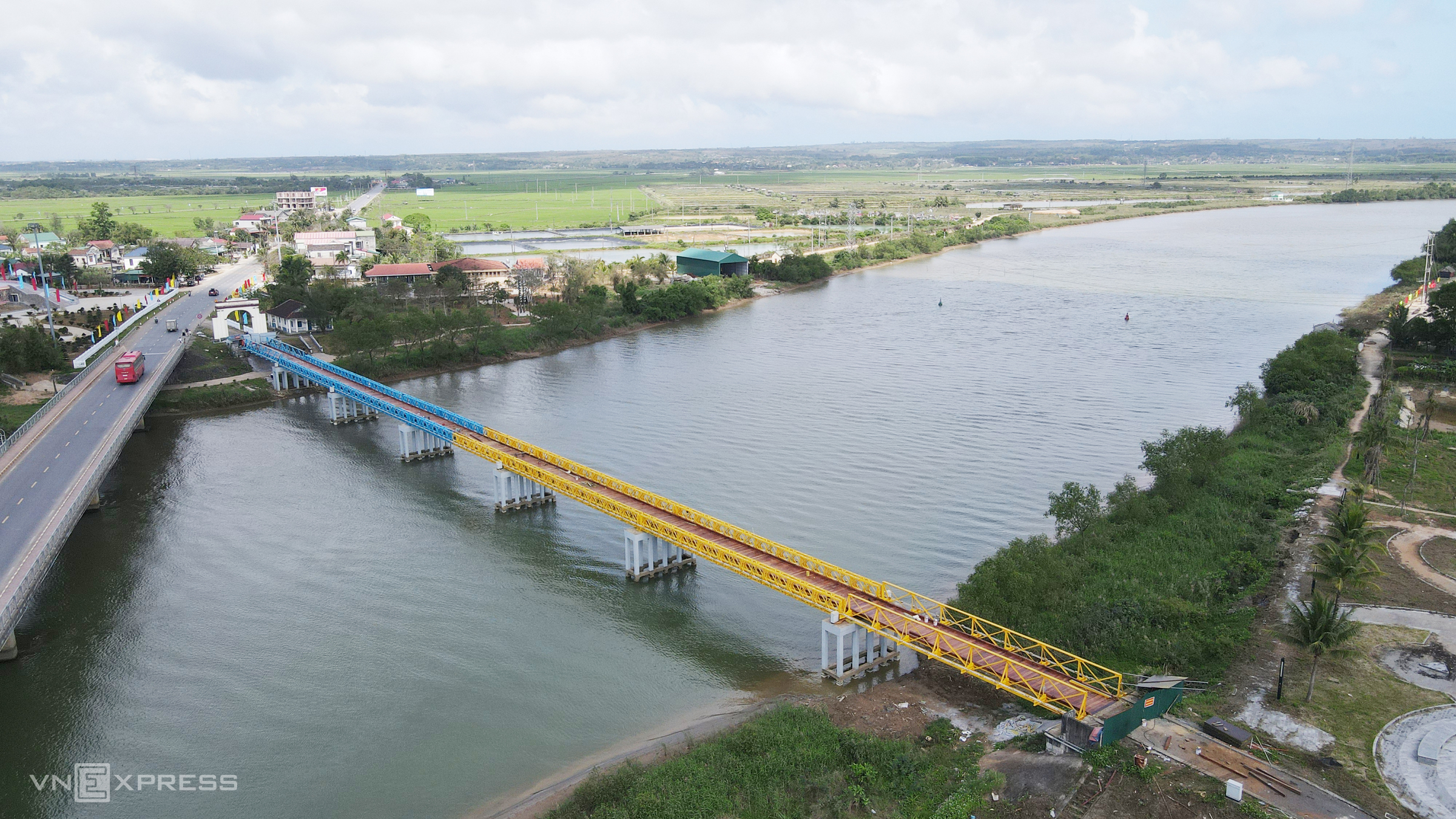
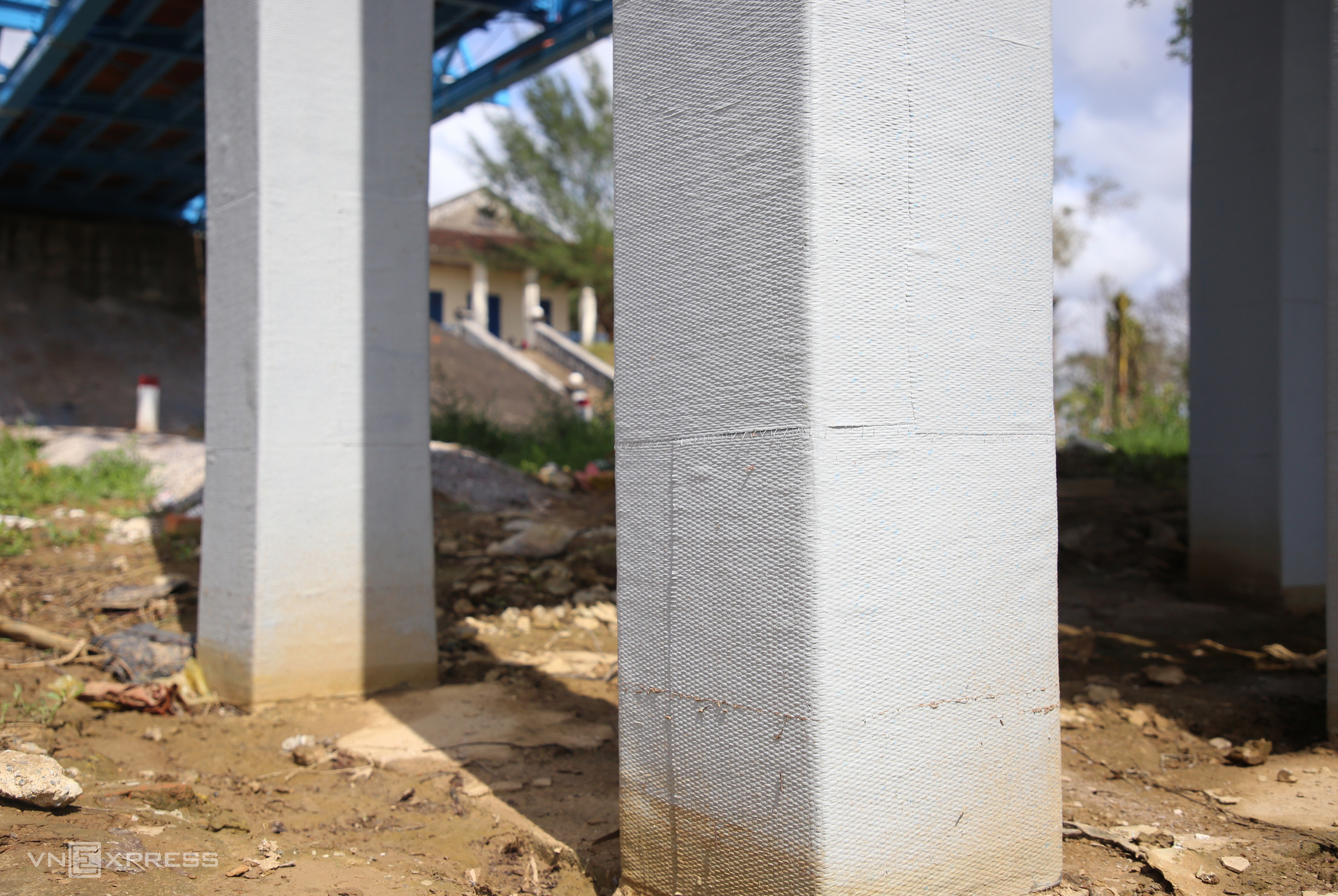
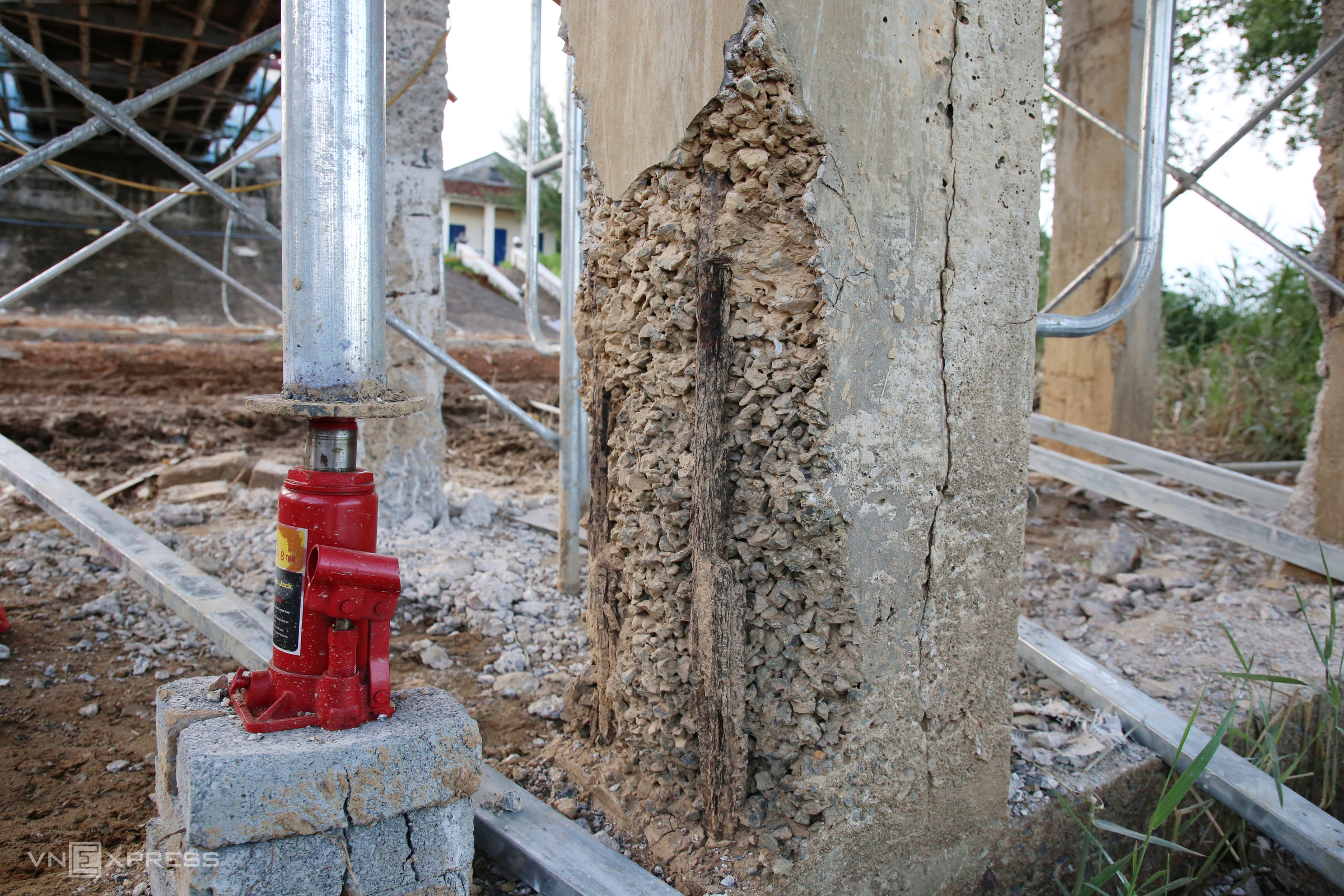
Exposed steel bridge piers were reinforced with high-strength concrete wrapped in carbon mesh. Materials dismantled during the renovation that are no longer in use will be preserved for future display. |
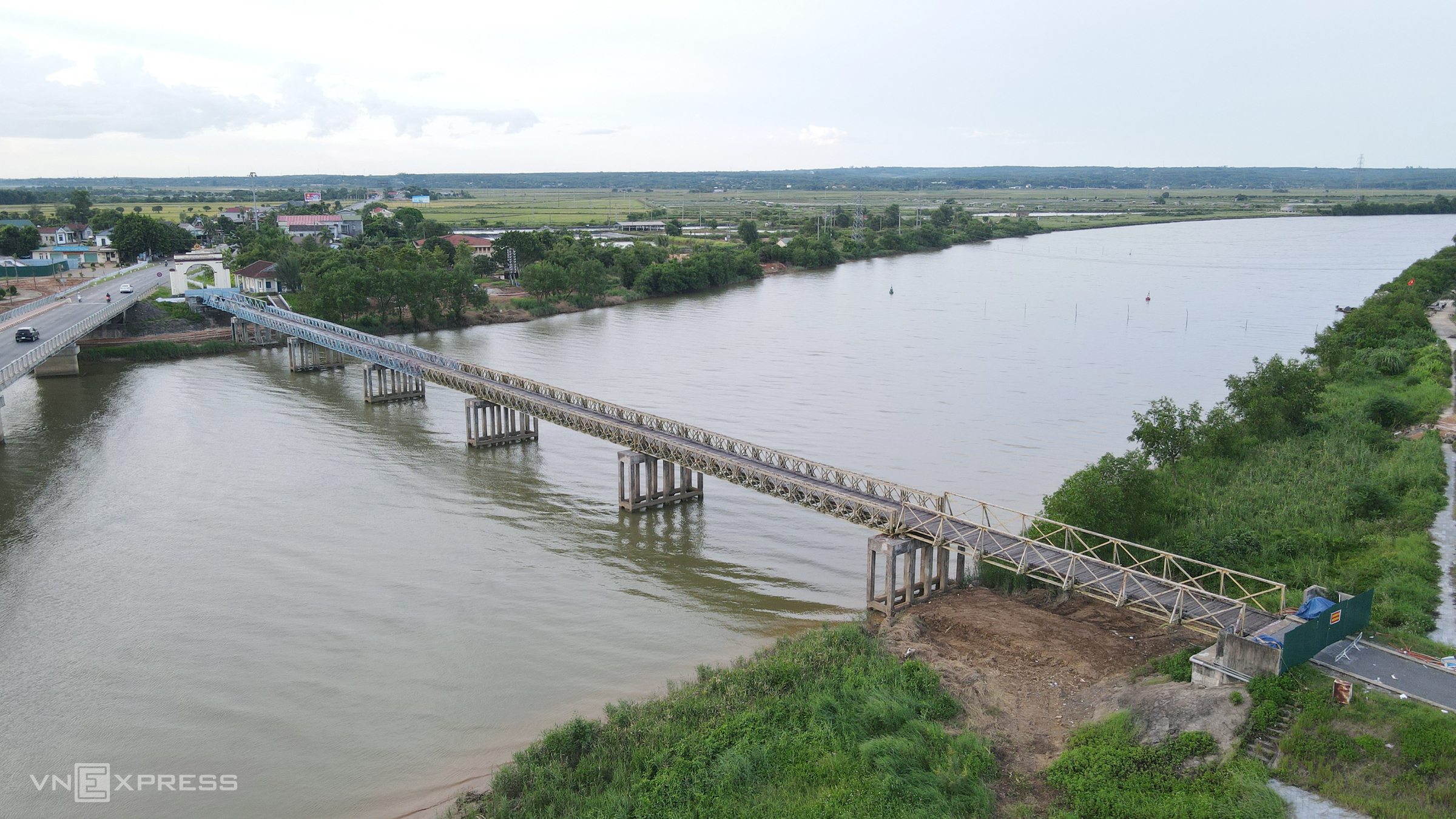 |
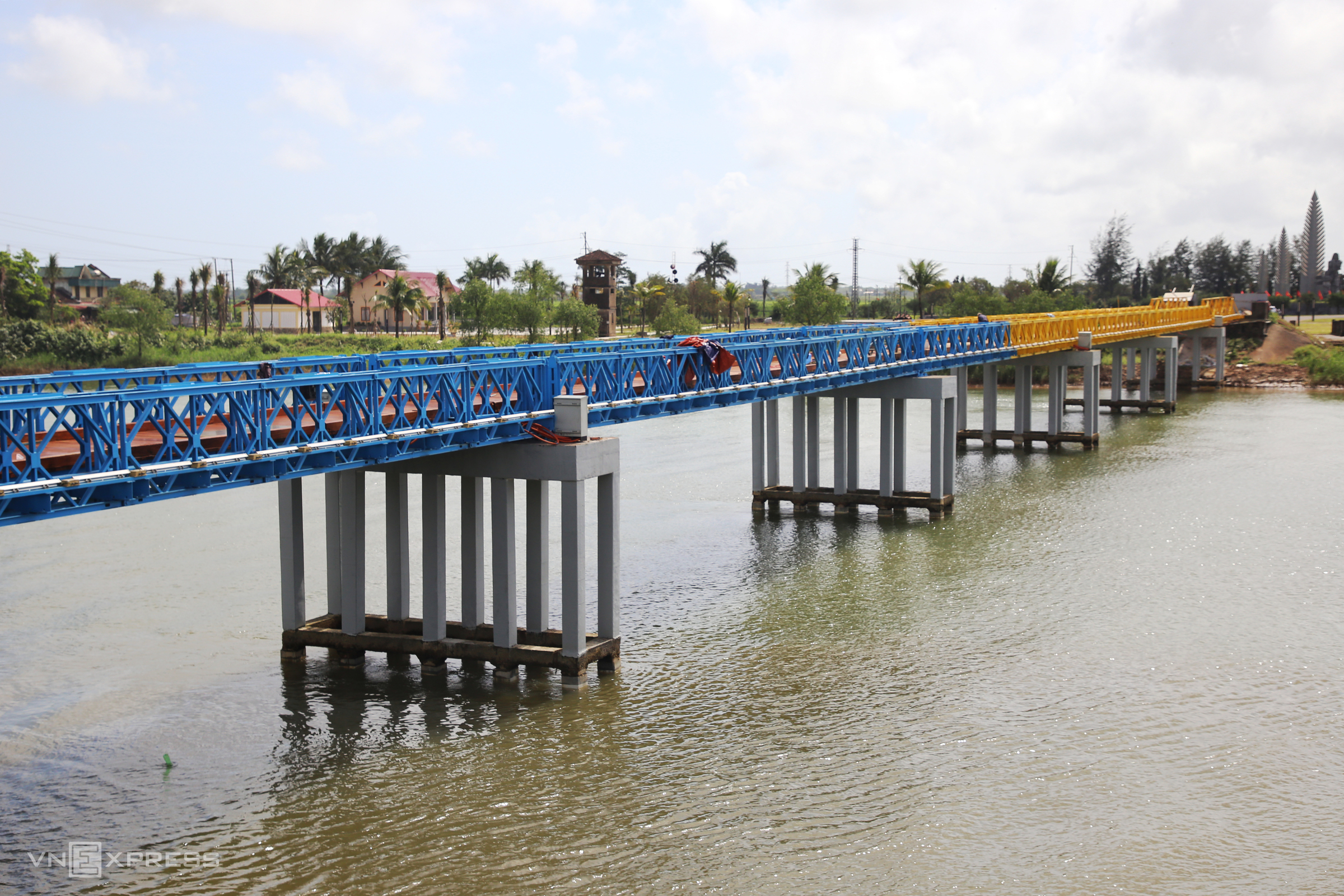
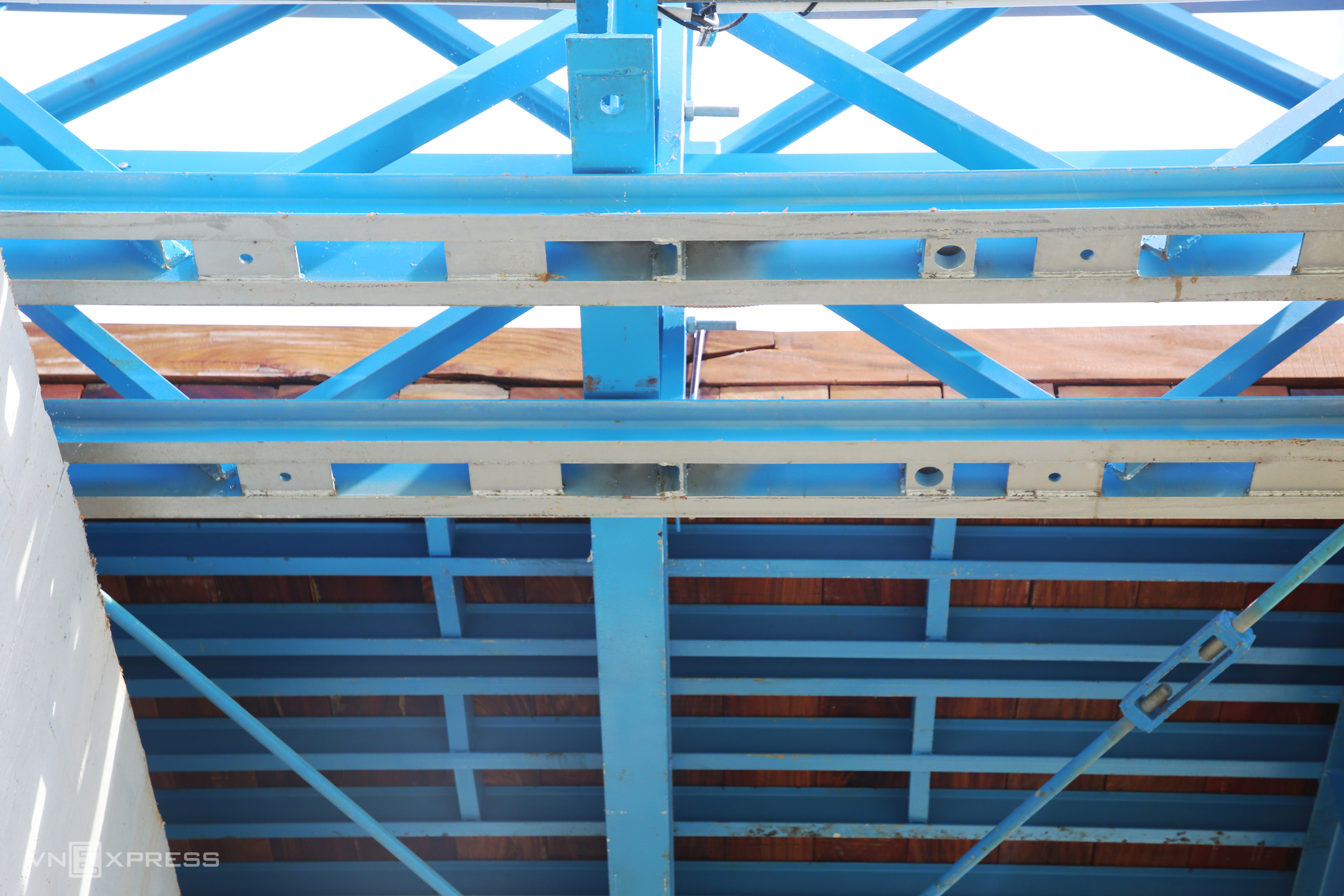
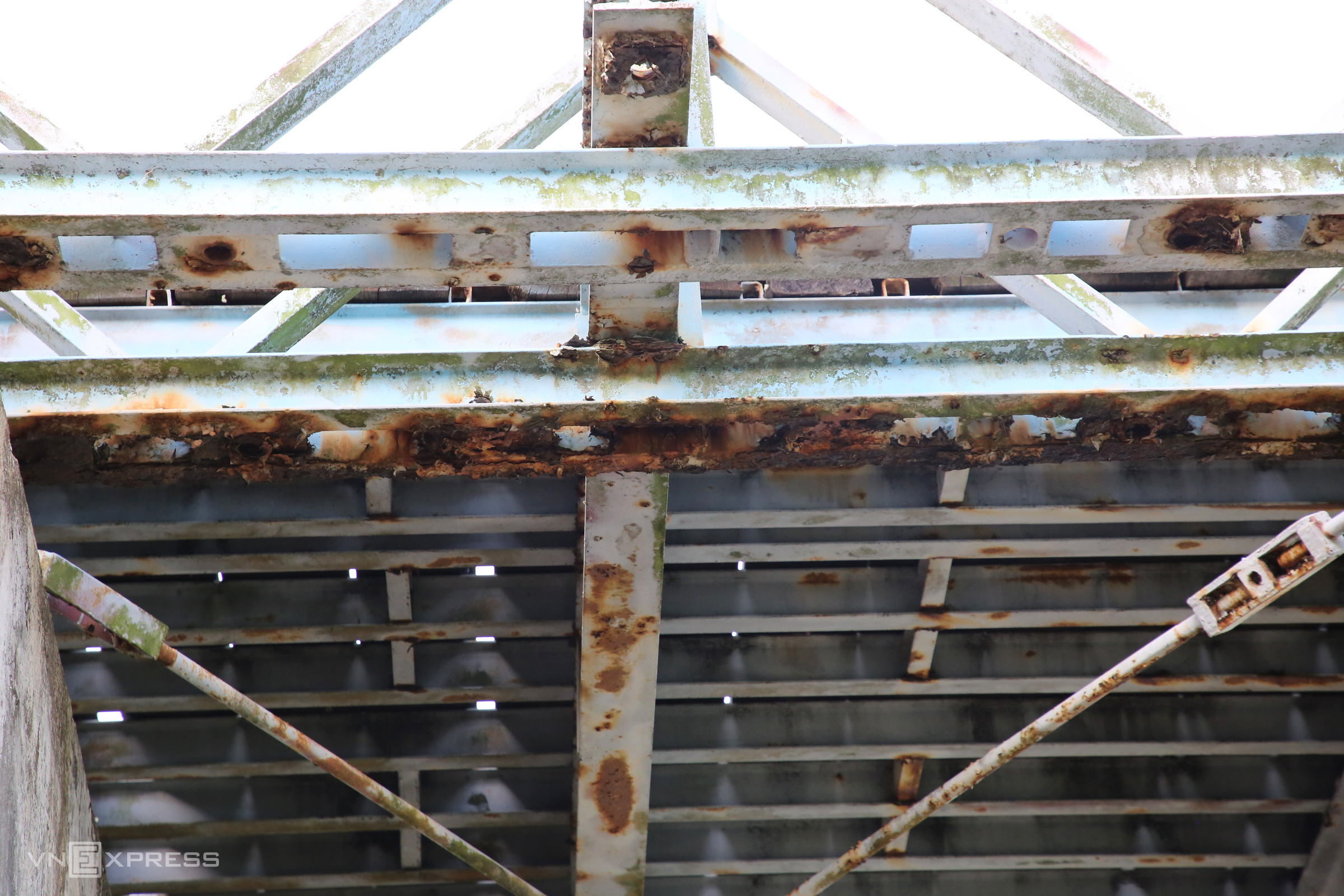
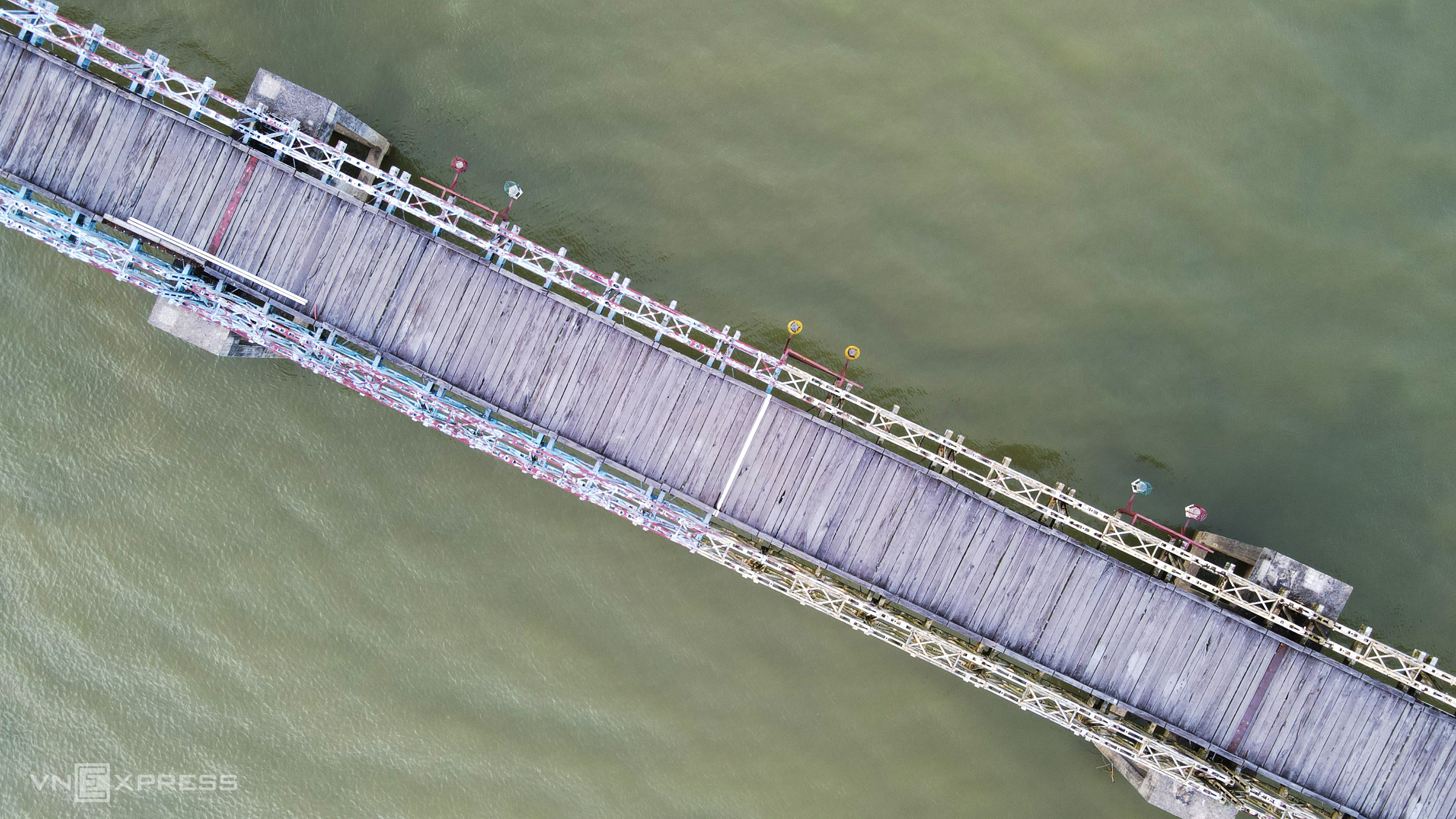
The faded blue paint at the northern end of the bridge, along with rusted and corroded steel girders and screws, have been replaced. |
The Hien Luong - Ben Hai special national historical site, located along National Highway 1, has completed major restoration work and is ready to welcome visitors. This significant project, costing 80 billion VND, includes the renovation of Hien Luong Bridge, the Flag Tower, and the combined house. The Quang Tri Provincial Investment and Construction Project Management Board is the investor, with construction beginning in 9/2025.
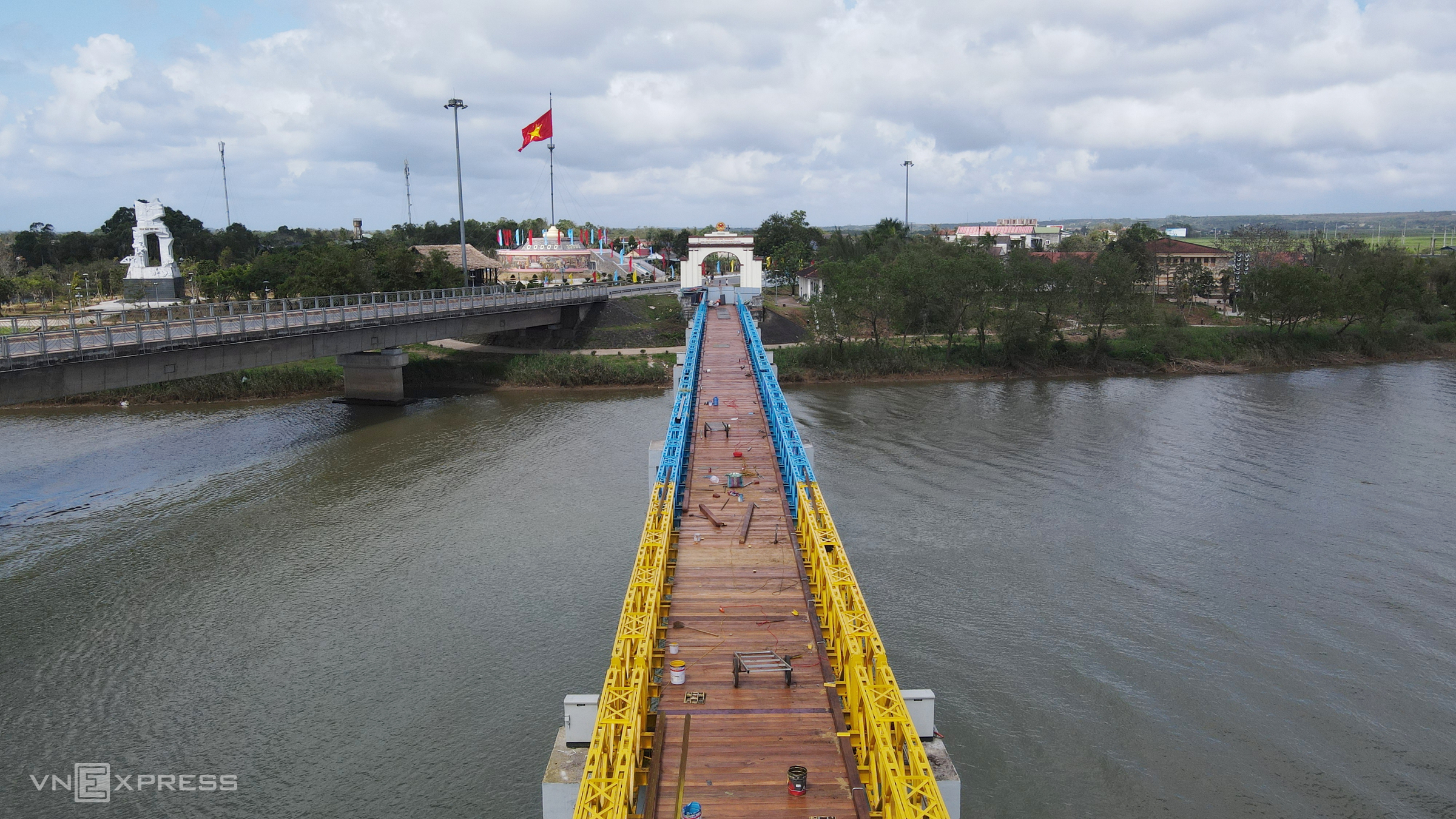 |
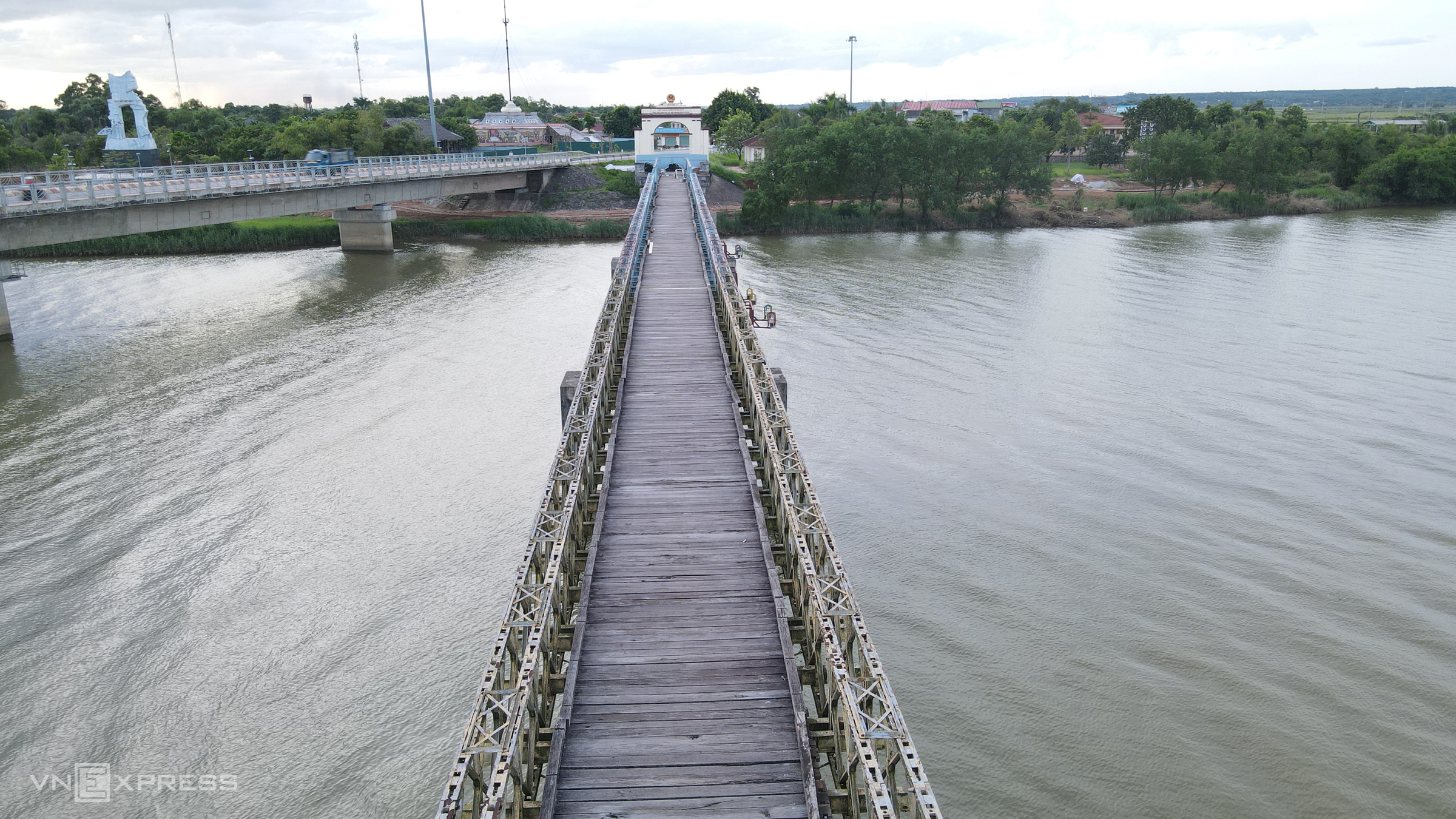
The ironwood bridge deck and sleepers on the southern side of the bridge had deteriorated, with many rotten planks replaced. |
 |
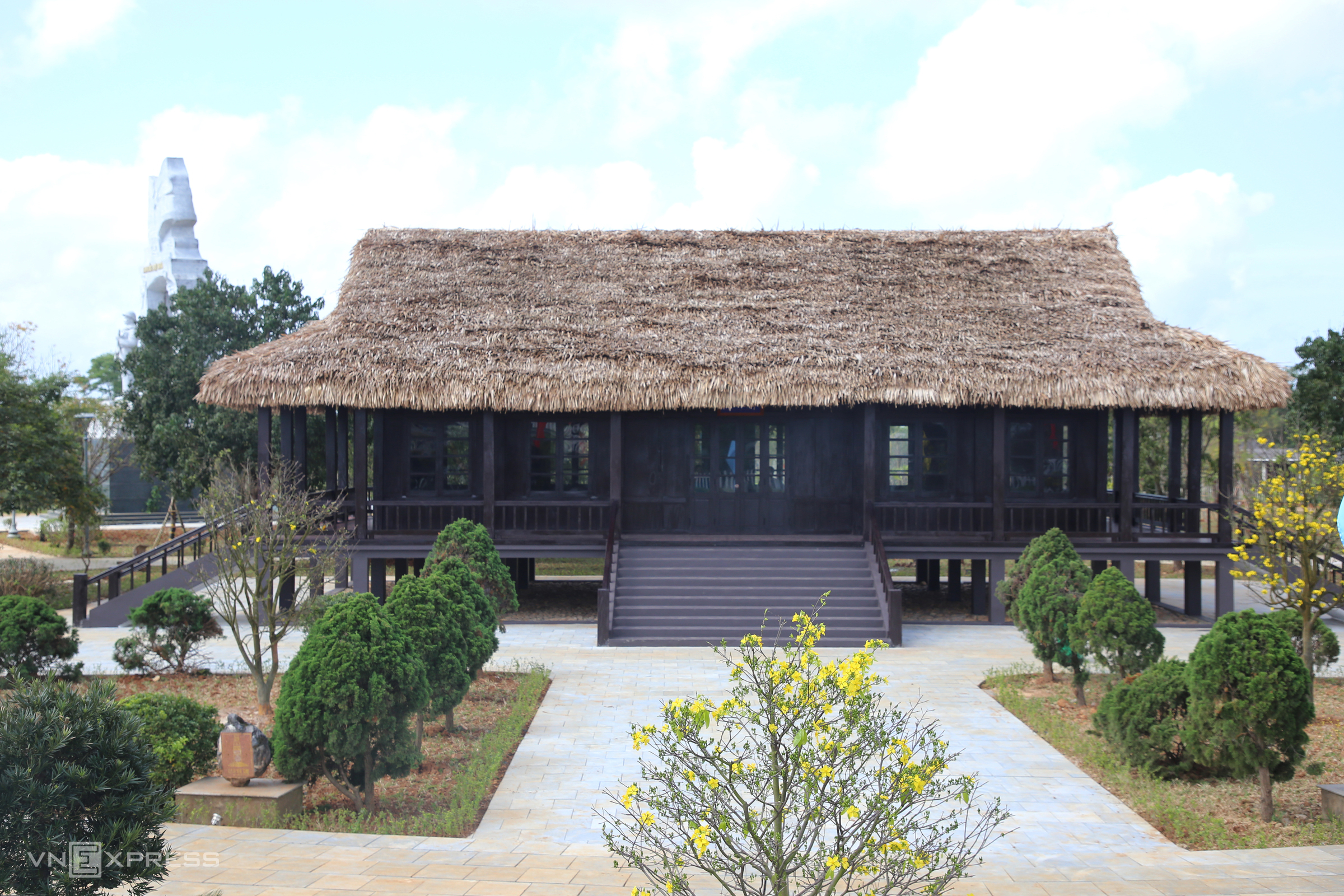
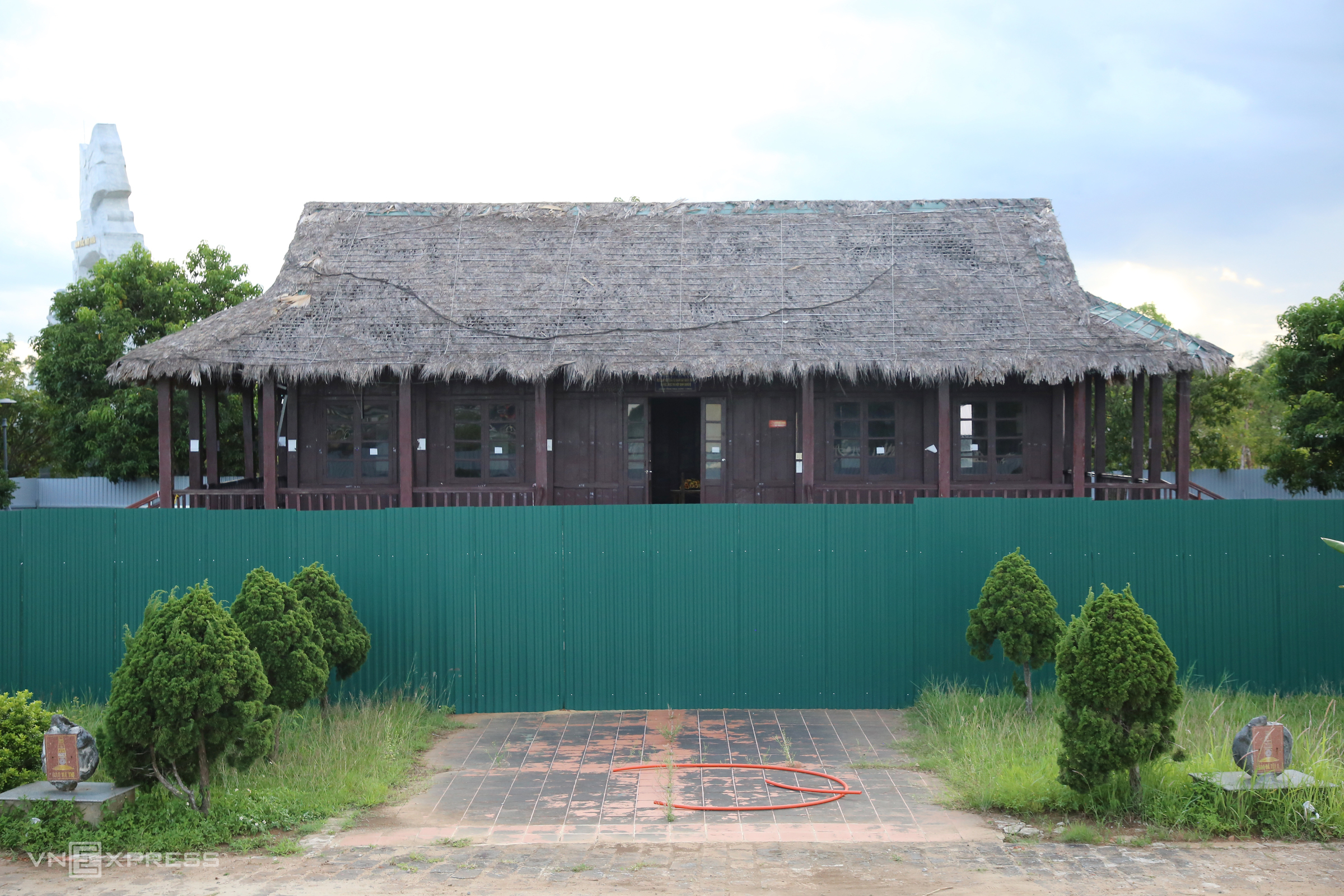
The combined house, made of ironwood, on the northern side of the bridge had its roof re-tiled, damaged wood replaced, and steps and railings repaired. Green trees have been planted in front, with many apricot trees blooming during Tet. |
Hien Luong Bridge, originally built by France in 1952, spans 178 meters with seven reinforced concrete piers, a steel body, and a deck made of pine wood planks. Following the 1954 Geneva Accords, Vietnam was temporarily divided into two regions, with the 17th parallel and the Ben Hai River serving as the demarcation line. From that point, Hien Luong Bridge became a historical witness to 21 years of national division.
From 1954 to 1967, the bridge was divided into two sections: the northern half was managed by the Border Police of the North, while the southern half belonged to the Saigon government. During this period, the bridge was the site of an intense "paint war". Initially, the northern side was painted red and the southern side blue. Driven by the desire for reunification, the northern bank repainted its side blue, prompting the southern bank to paint its side yellow. This "paint war" continued until 1960, when the two colors, blue and yellow, were permanently maintained.
After the country's reunification in 2001, Quang Tri province restored Hien Luong Bridge across the Ben Hai River to its original French-built design, using ironwood planks for the deck to serve tourism. However, at that time, the bridge was painted in a single color. In 12/2013, Hien Luong Bridge was designated a special national historical site. In 2014, the bridge was painted blue on the northern side and yellow on the southern bank for the first time, recreating a historical period.
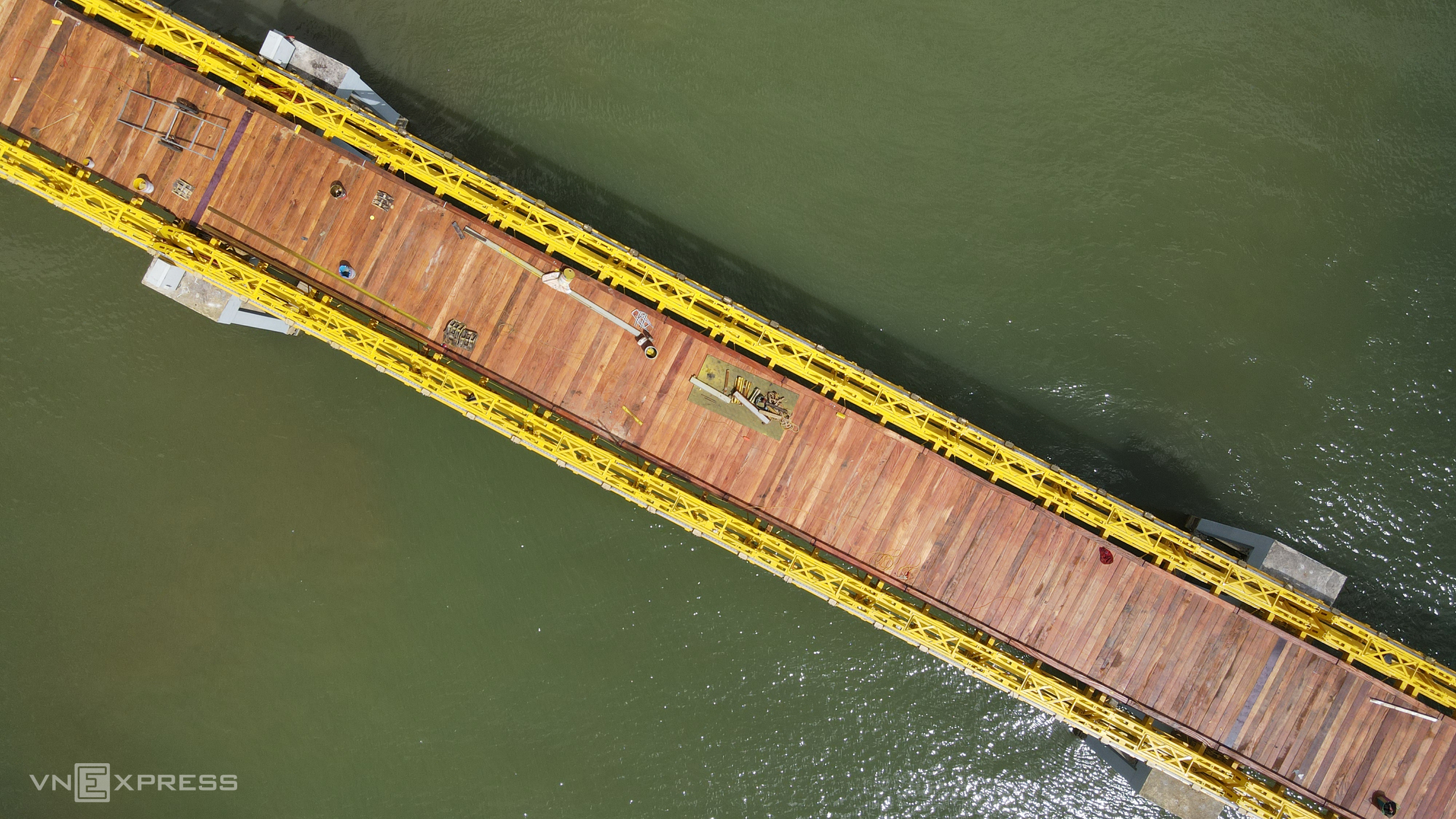
{"caption_all":"The Hien Luong Bridge deck was dismantled, with 894 wooden planks replaced by new Lao ironwood. To protect the wood, the construction unit applied a PU coating. The restoration process preserved the original elements, ensuring historical accuracy. ","caption_items":"["",""]"}
 |
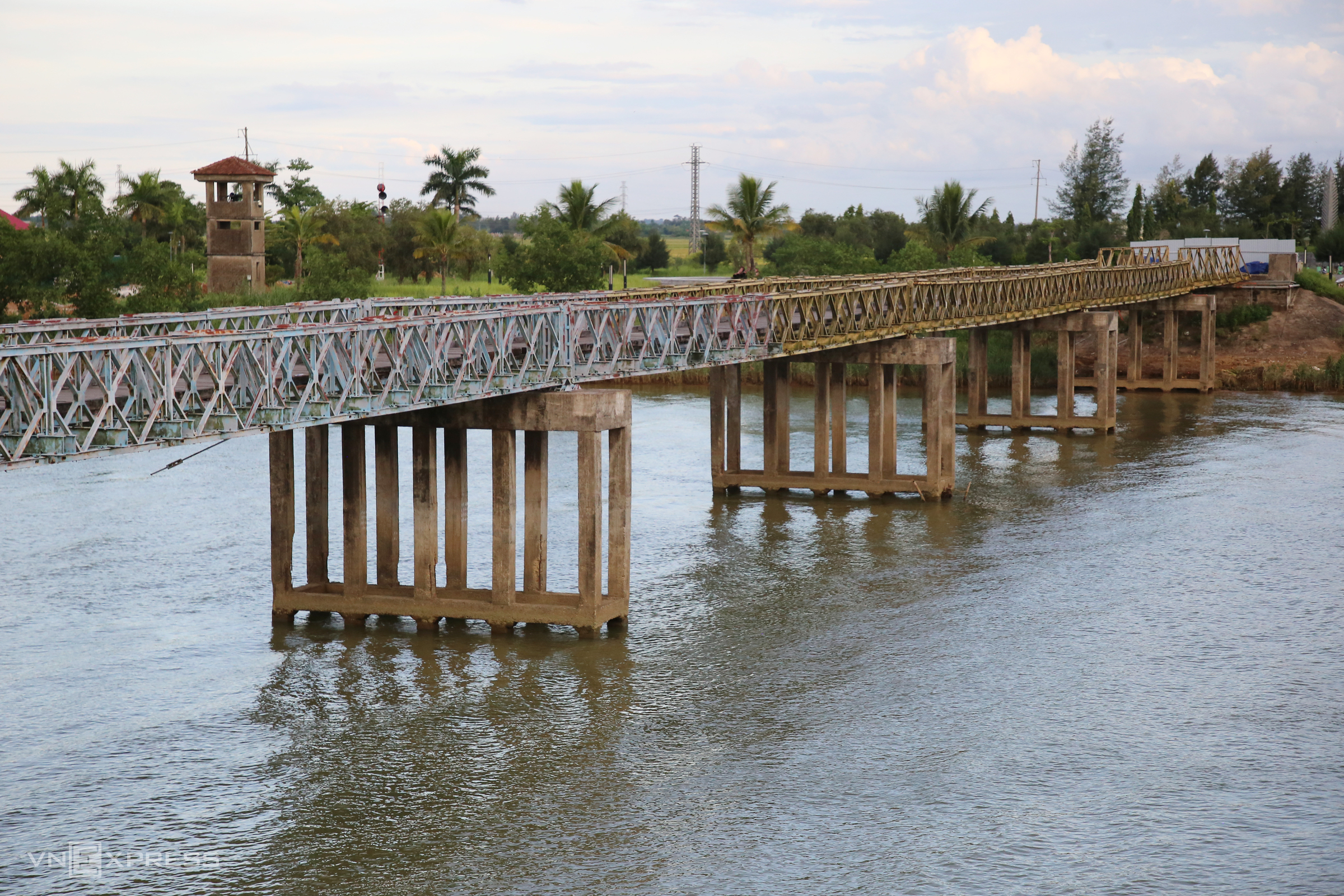 |
Since its last repair in 2014, the bridge's iron bars had deteriorated, the railing paint faded, and the wood rotted. After the recent restoration, a new coat of paint covers the structure, and many components have been replaced. During the 21 years of national division, Hien Luong Bridge was split into two parts, each 89 meters long and painted in two distinct colors. The northern bank featured 450 planks, with the bridge structure painted sky blue. The southern bank had 444 planks, with its structure painted yellow.
 |
 |
 |
 |
 |
 |
 |
 |
 |
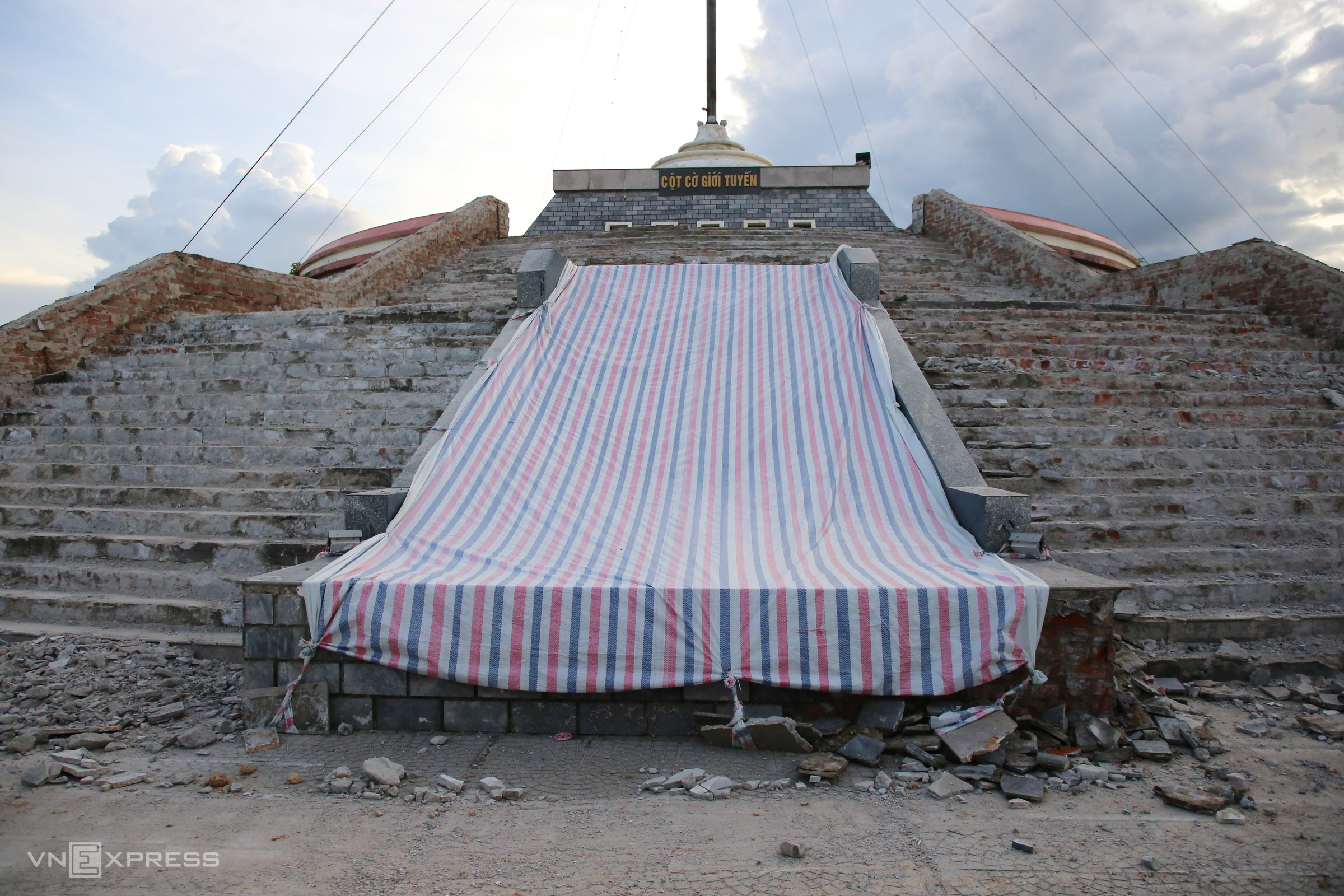 |
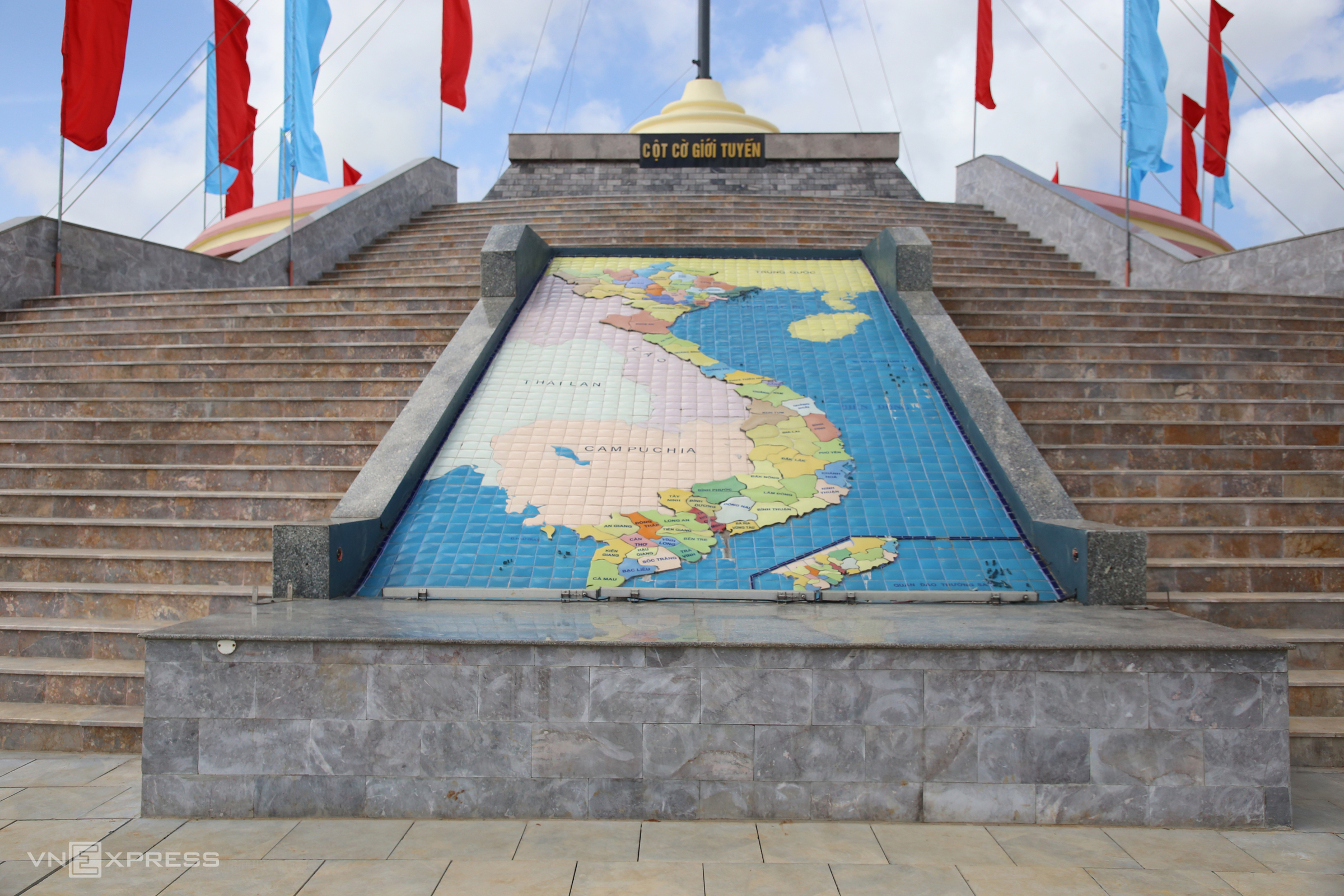
The Flag Tower on the northern side of the bridge had its stone steps replaced and its flag-raising system upgraded. The basement has been renovated into a documentary screening room. The demarcation line flagpole was reinforced from the old structure, which was over 20 years old, painted a near-black color, and braced with anti-rust stainless steel.
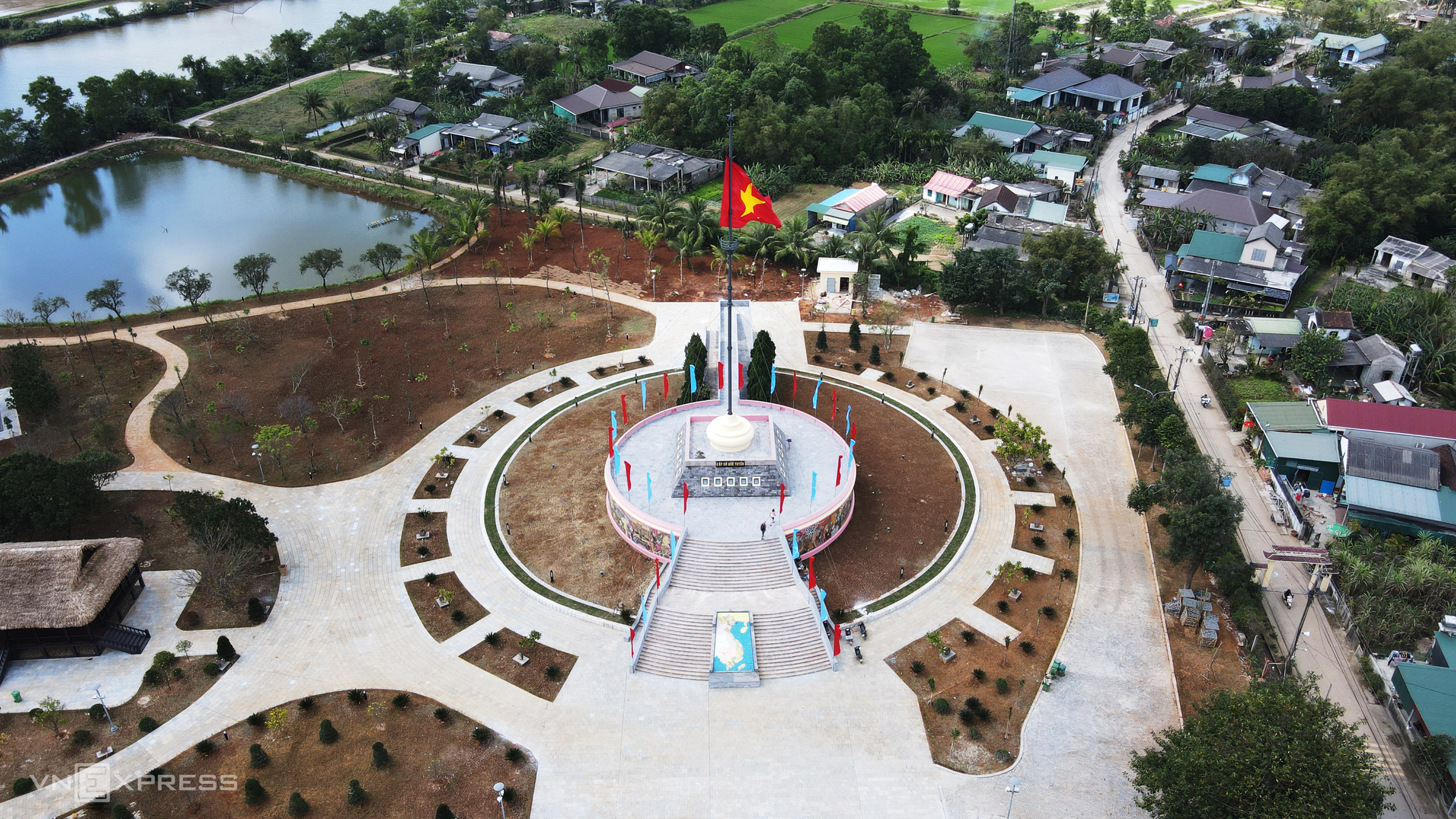 |
The flagpole, located on the northern bank of the Ben Hai River, stands as a historical witness to the "flag competition" that took place on both sides of the demarcation zone after the 1954 Geneva Accords. The current flagpole was built according to the 1962 design, standing 38,6 meters tall, with a supplementary base added to honor victory. Since the demarcation line was established, the flagpole's height was continuously increased. When the US and the Republic of Vietnam government on the southern bank raised their flagpole to its highest at 35 meters, the Democratic Republic of Vietnam government on the northern bank erected a 38,6-meter flagpole in 1962, flying a flag measuring 96 square meters. A cabin is located 10 meters from the top of the flagpole, allowing for easy flag retrieval and hoisting. This was the tallest flagpole in the demarcation zone during the "flag competition".
Following the completion of the restoration, many tourists have visited the site. During the Binh Ngo Lunar New Year, admission to the historical site was free, with visitors primarily exploring the outdoor areas. The exhibition house opens periodically upon demand. Ticket sales are expected to begin on 1/3.
Dac Thanh