 |
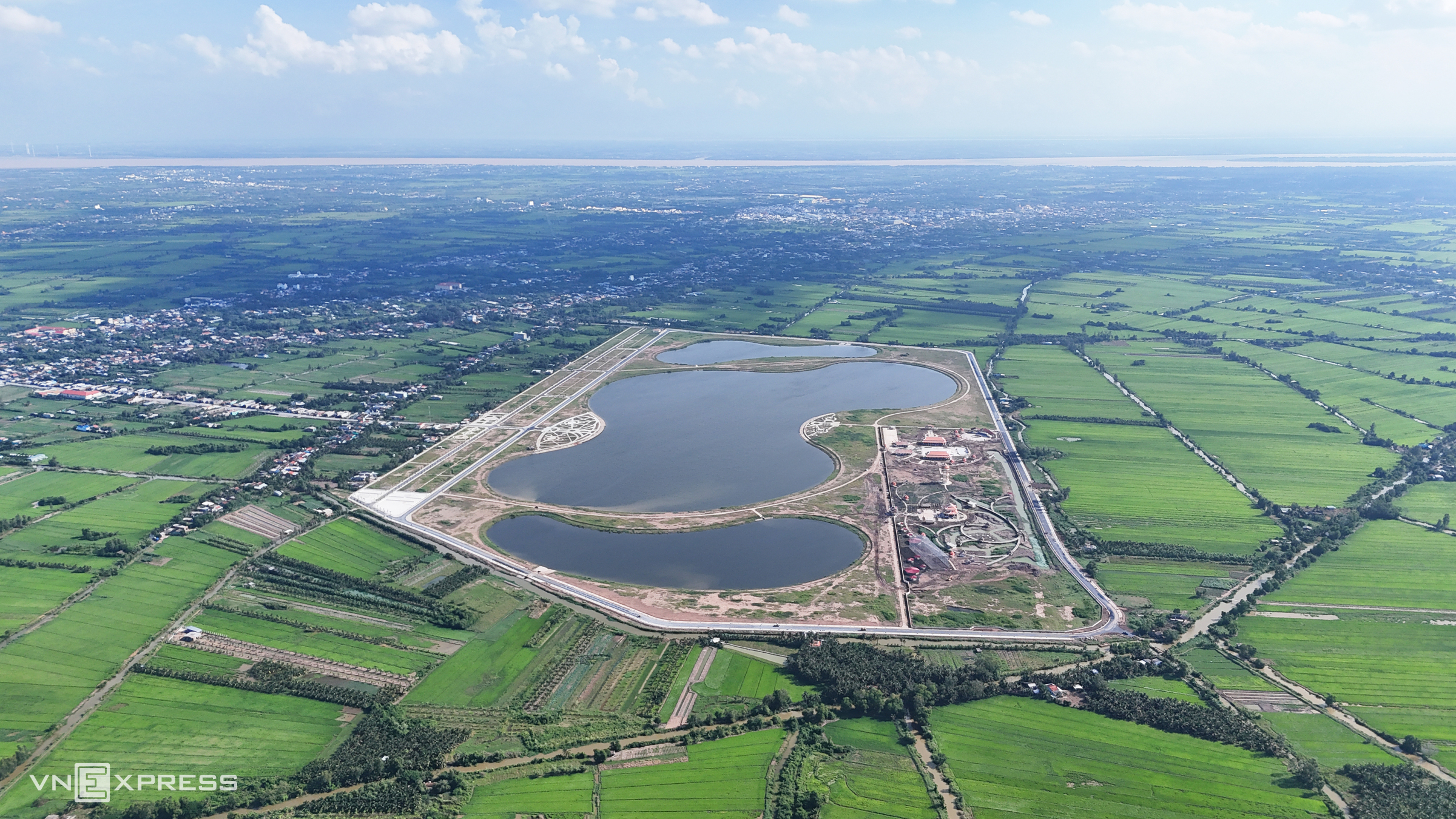
The Lac Dia Lake project in Tan Xuan commune spans over 92 hectares, with the lake surface covering more than 56 hectares. Construction began five years ago.
With a capacity of 2,3 million cubic meters, Lac Dia is the third largest freshwater reservoir in the Mekong Delta, following An Khanh lake in Ca Mau (over 3,8 million cubic meters) and Lang The lake in Vinh Long (over 10 million cubic meters).
Upon completion, the reservoir is expected to provide water to approximately 60,000 households in the coastal communes of Bao Thanh, Tan Thuy, Ba Tri, and My Chanh Hoa, areas that frequently experience freshwater shortages during the dry season.
The project comprises three interconnected lakes and auxiliary components: internal roads, feeder canals, regulating sluices, a lighting system, a residential area, a wastewater treatment zone, and a water treatment plant. The freshwater reservoir component is now complete, featuring a central lake spanning over 40 hectares and two smaller lakes, each over 7 hectares. A system of regulating sluices facilitates water circulation among the lakes, promoting natural sedimentation and maintaining water levels.
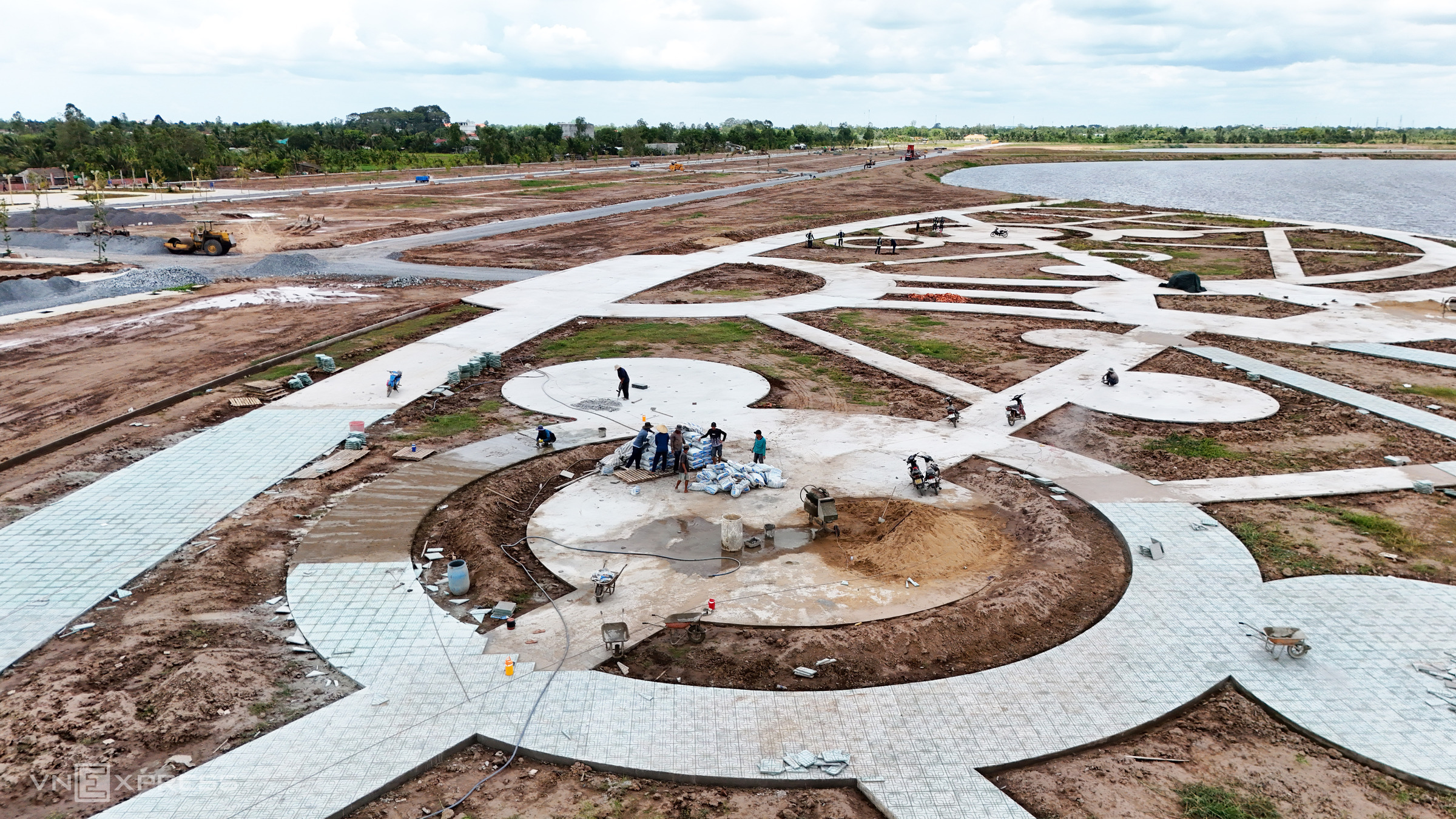 |
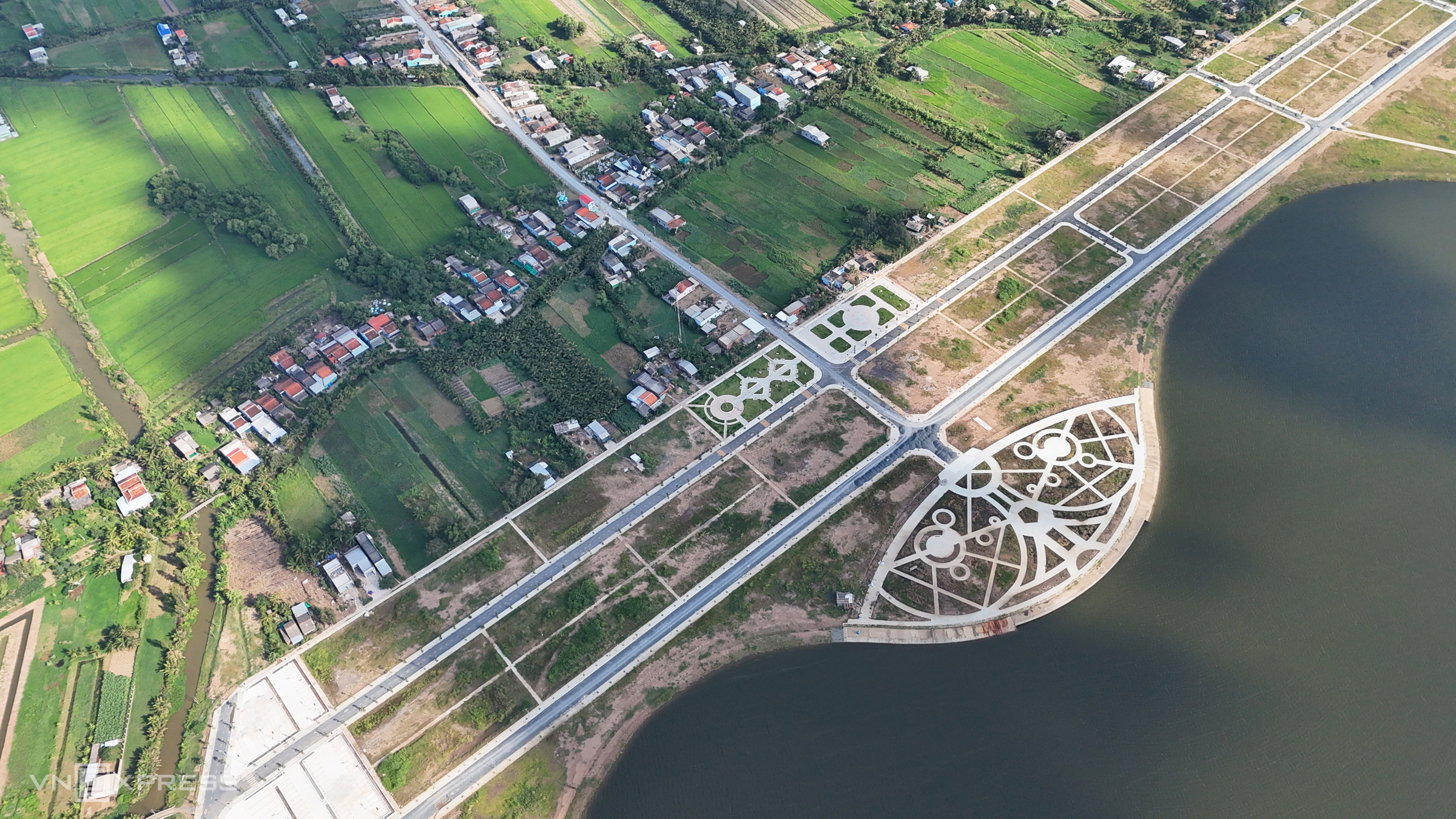
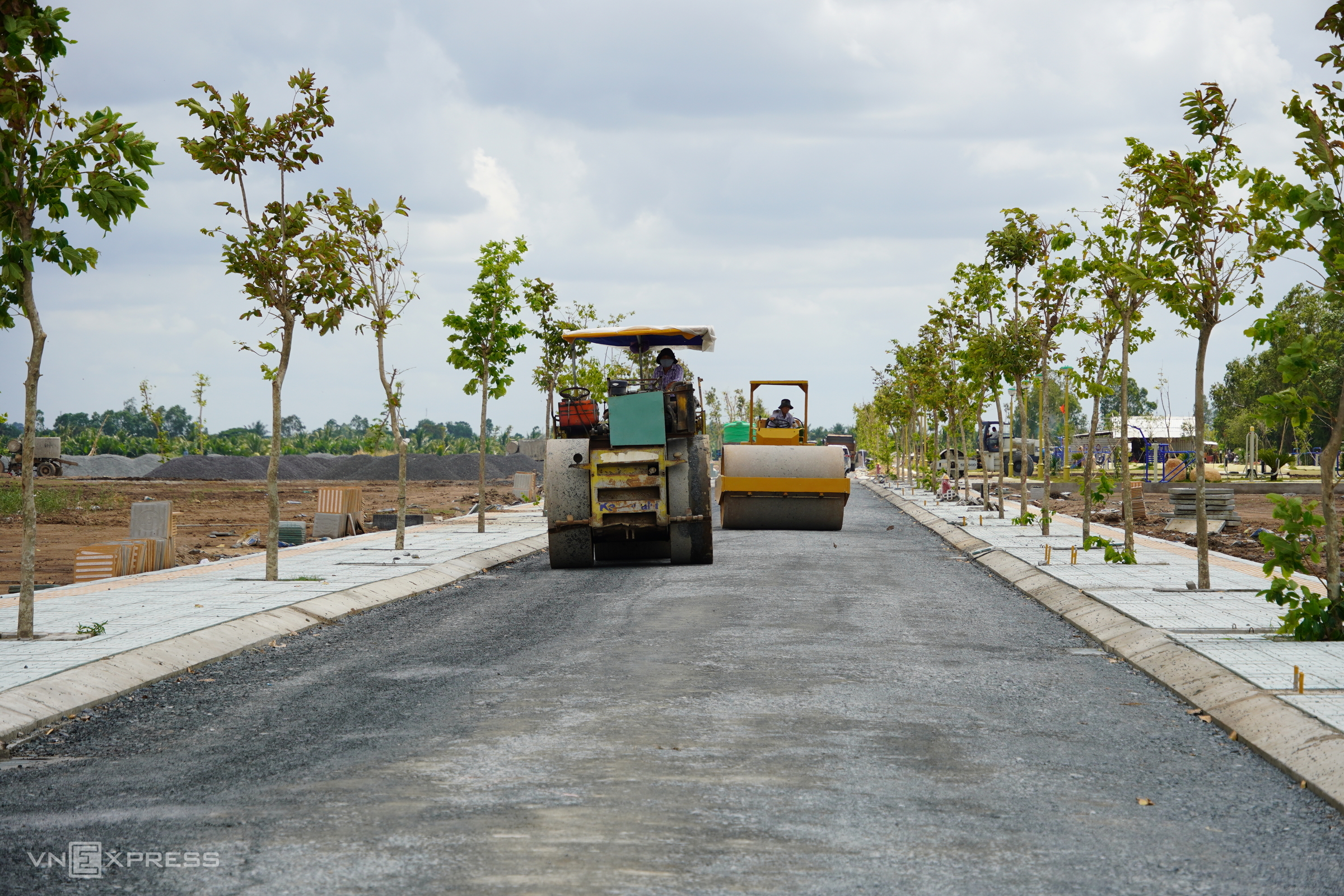
The park and green space system along both sides of the lake have been completed. Road construction is approximately 95% finished and is expected to be accepted in september.
 |
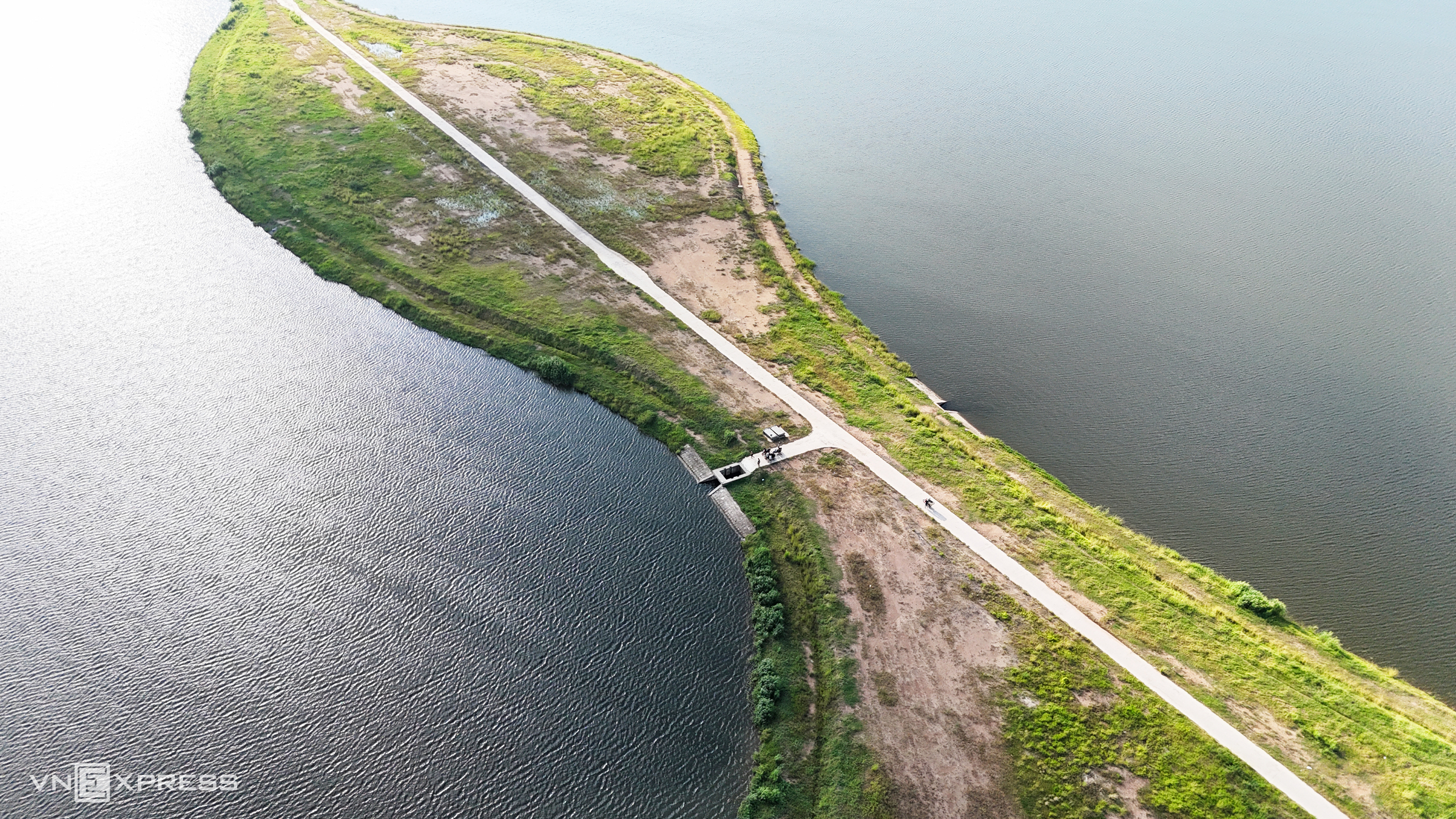
An embankment separates the central lake from the two auxiliary lakes, featuring regulating sluices and concrete roads for operation and access.
 |
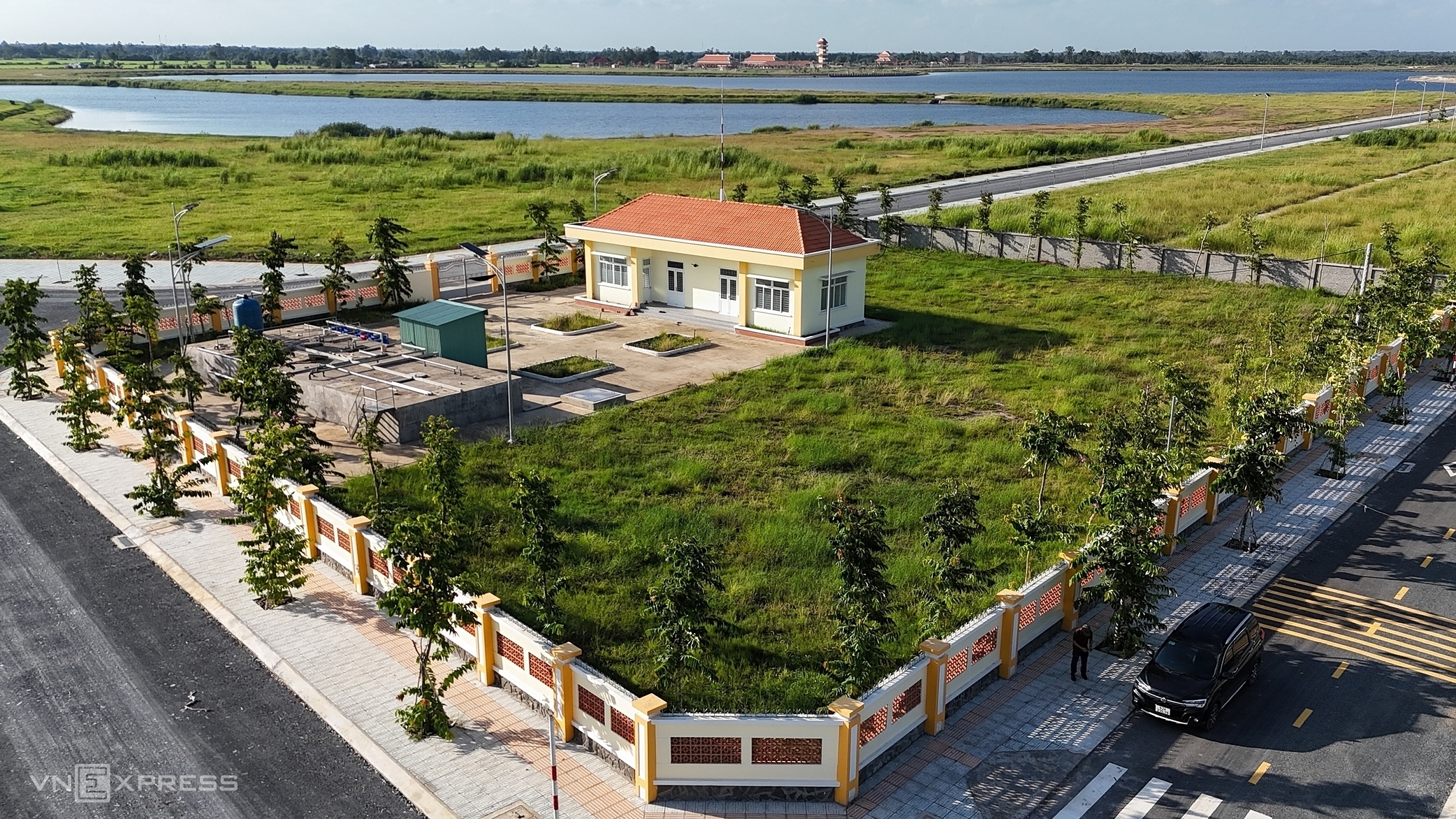
The wastewater treatment plant is located in the Lac Dia residential area. The contractor for the project's water treatment plant is expected to be selected in september.
 |
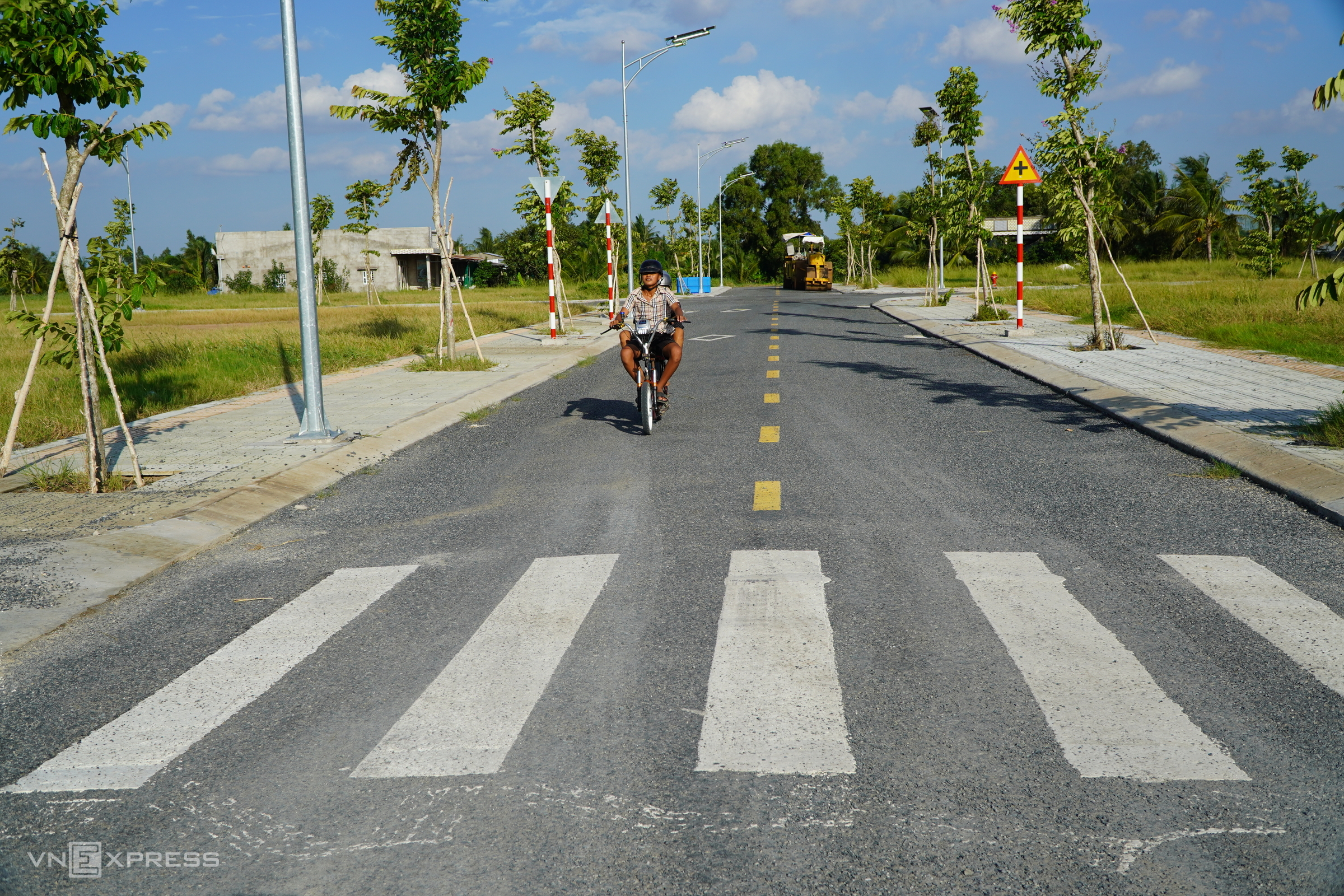
Roads around the residential area have been paved, lit, and lined with trees.
 |
Adjacent to the lake, the Bung Lac Dia Historical, Cultural, and Revolutionary Relic Site, which began construction in 2025, is expected to be completed this year. Lac Dia, formerly part of Phu Le commune, Ba Tri district, Ben Tre province, was a wild coastal area spanning over 100 hectares. During the resistance against America, it served as a crucial base for revolutionary forces. The 13,5-hectare relic site includes a central area, entertainment facilities, historical re-enactments, and a resort, with a total investment of approximately 90 billion dong. Once finished, the site will connect with the Lac Dia lake landscape to develop ecotourism and create additional livelihoods for local residents.
 |
The lake is over 3 meters deep. While the fencing system is not yet complete, numerous 'no swimming' and 'no fishing' signs have been installed around the lake. Nevertheless, some residents and students still enter the area to swim, fish, and fly kites.
As evening falls, some residents bring tables and chairs to the lakeside area to sell refreshments.
El Nino is forecast to remain strong to very strong from late this year until early 2027, increasing the risk of drought, water scarcity, and saline intrusion in the Mekong Delta. In this context, Lac Dia lake is expected to contribute to proactively securing water sources for coastal communes that regularly face freshwater shortages during the dry season.
Location of Lac Dia freshwater lake. *Graphics: Tam Thao*.
Hoang Nam