The Ministry of Public Security is currently seeking public feedback on a draft decree that proposes real-time transmission of driver and passenger compartment camera images from certain transport vehicles to the Traffic Police Department. This initiative is part of a broader regulatory update concerning journey monitoring devices and their data management systems.
The draft decree mandates journey monitoring devices for commercial transport oto, tractor-trailers, ambulances, road rescue vehicles, and internal transport vehicles. Additionally, depending on vehicle type and implementation schedule, these vehicles will require cameras to record either driver images or passenger compartment images. While devices can be integrated, they must meet specific technical standards for each function.
Journey monitoring devices must record vehicle travel, speed, stopping times, and continuous driving duration. In-vehicle cameras are required to continuously capture images of both the driver and the passenger compartment, including passenger activities like boarding and alighting, across all lighting conditions.
The Ministry of Public Security proposes that all data from journey monitoring devices, driver cameras, and passenger compartment cameras be transmitted to the service provider's server. This data would then be forwarded to the Traffic Police Department's system in real time.
According to the drafting agency, this real-time data will be crucial for enforcing road traffic safety laws and for maintaining public order and security.
Journey data must be stored for a minimum of 30 days on the device, one year on the service server, and three years on the Traffic Police Department's system. Driver images require storage for at least three days, while passenger compartment images need a minimum of 10 days of storage.
 |
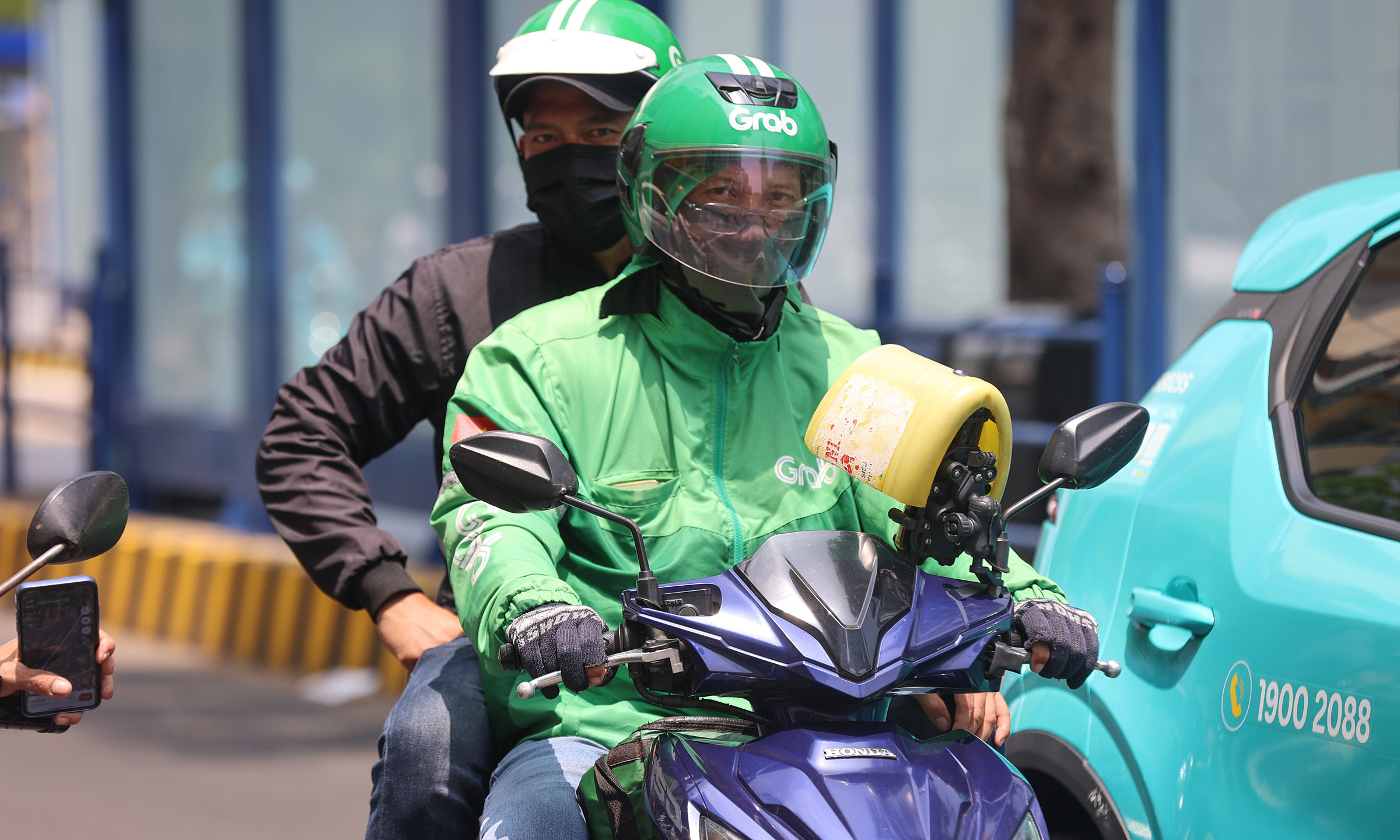
Proposal to transmit driver images to the Traffic Police Department in real time. Photo: Tuan Nguyen |
The draft outlines a phased implementation schedule for camera installation. From 1/1/2028, commercial passenger vehicles with under 8 seats (excluding the driver), commercial goods transport vehicles (except tractor-trailers), and internal transport vehicles must install driver image recording cameras. Passenger compartment cameras will be mandatory for commercial passenger vehicles with over 29 seats starting 1/1/2029, and for vehicles with from 8 to 29 seats from 1/1/2030.
The Ministry of Public Security highlights that numerous countries have already implemented journey monitoring systems and in-vehicle cameras to proactively detect unsafe traffic behaviors. Currently, Vietnam's regulations do not mandate these devices to include automatic detection, safety risk warnings, or real-time data transmission capabilities.
The drafting agency believes these new regulations will establish a legal framework for monitoring, supervising, and penalizing violations by commercial transport vehicles, thereby helping to prevent and reduce traffic accidents.
Public feedback on the draft is open until 18/6.
Viet An