 |
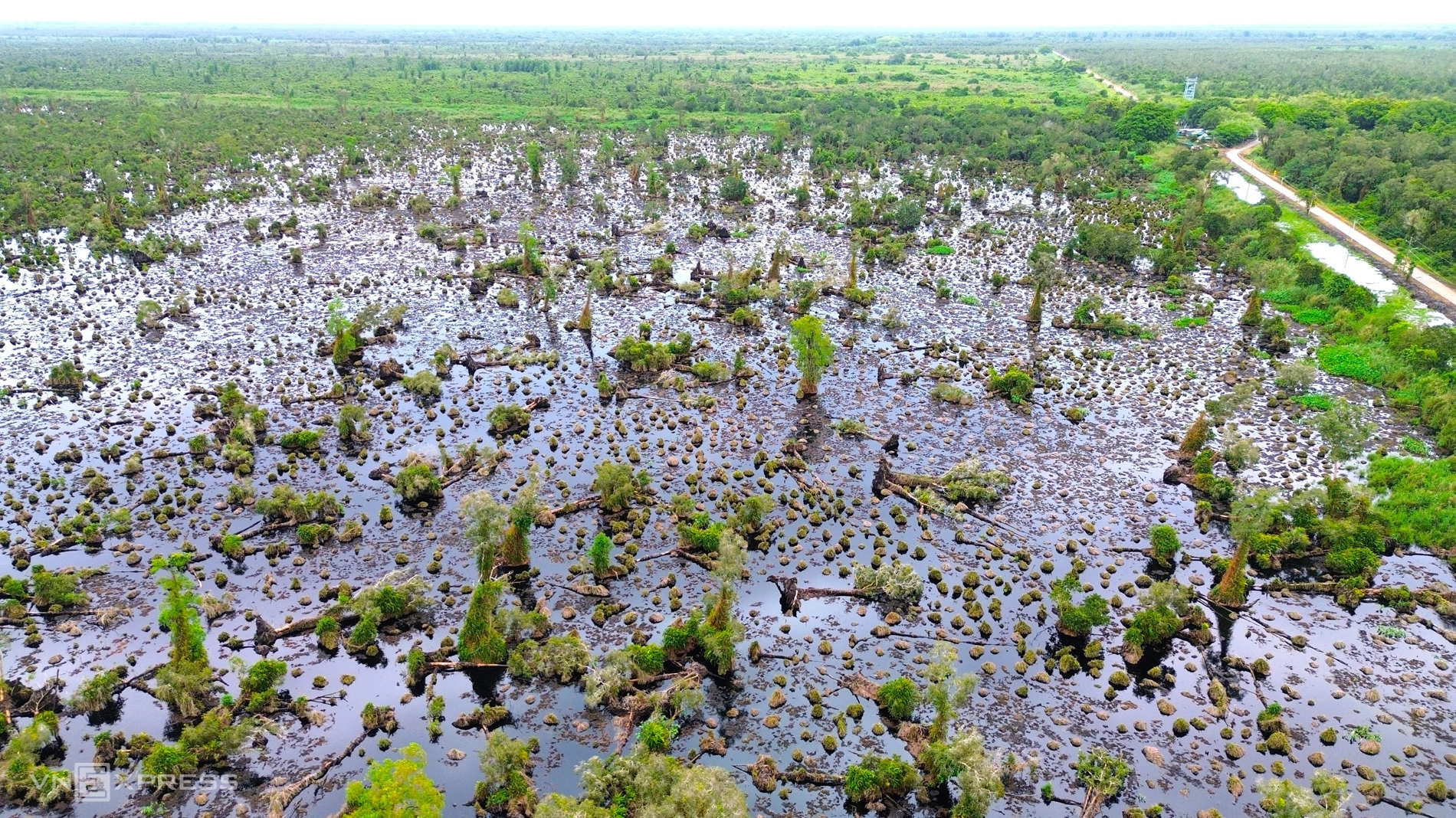
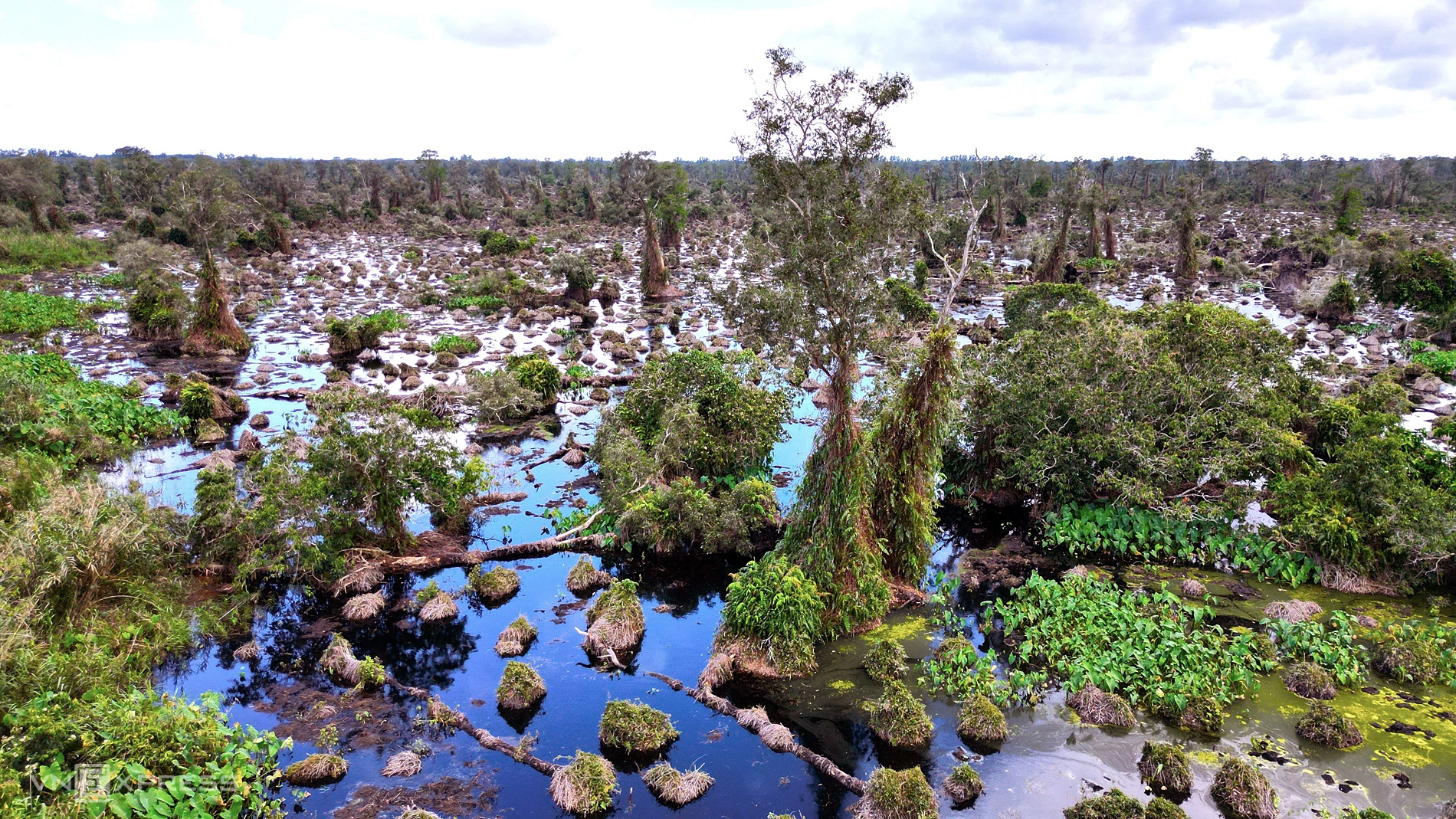
Dead and broken melaleuca tree trunks are scattered across U Minh Ha National Park. In the distance, a healthy forest patch remains. According to the park's records, forest degradation has been evident for the past ten years, becoming particularly pronounced in sub-zones one and three.
U Minh Ha National Park is one of three important wetland conservation areas in the Mekong Delta. It serves as the core zone of the Cape Ca Mau World Biosphere Reserve, recognized by UNESCO.
 |
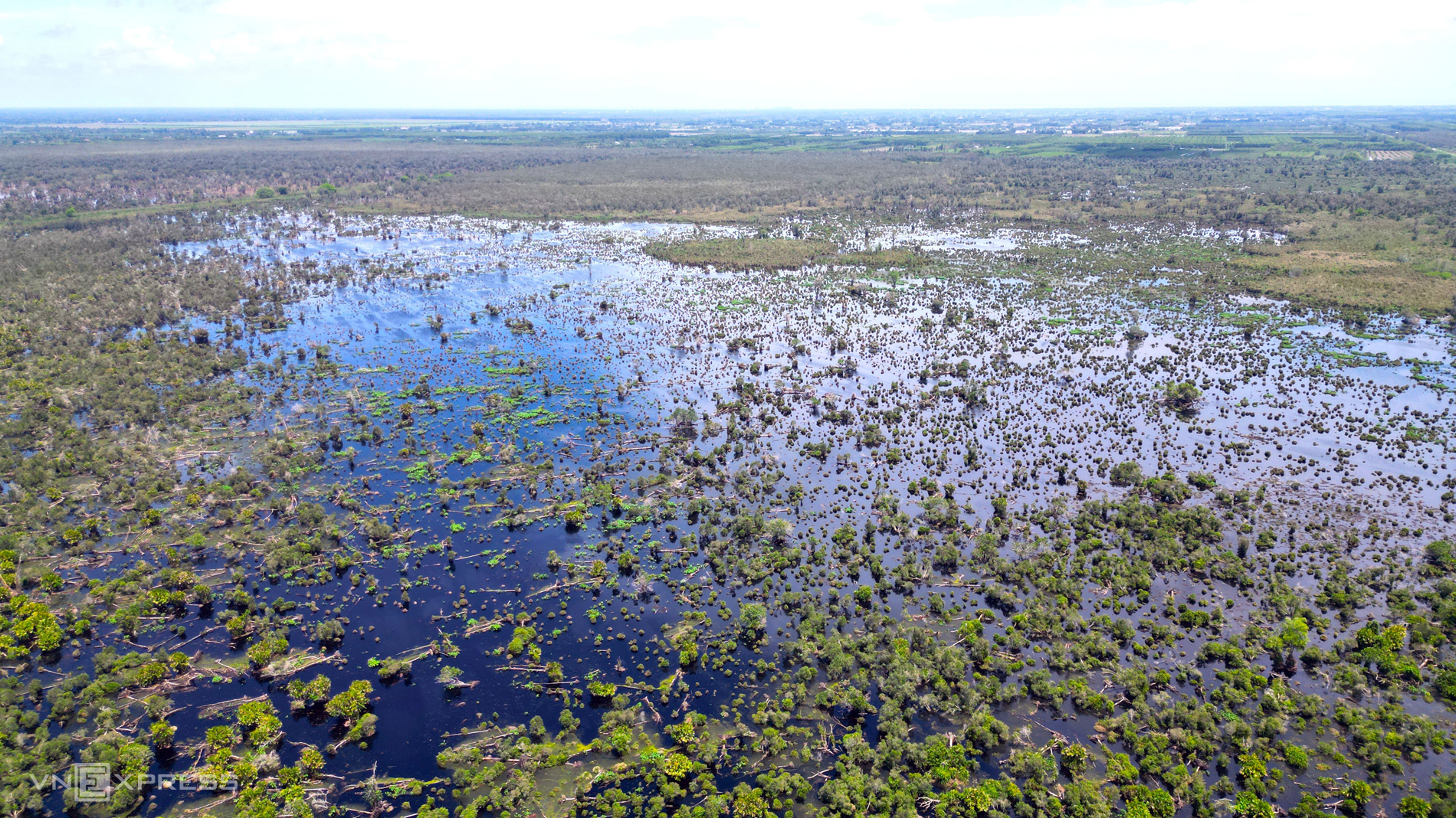 |
Sub-zone one, viewed from above, reveals a vast expanse of water dotted with melaleuca trunks.
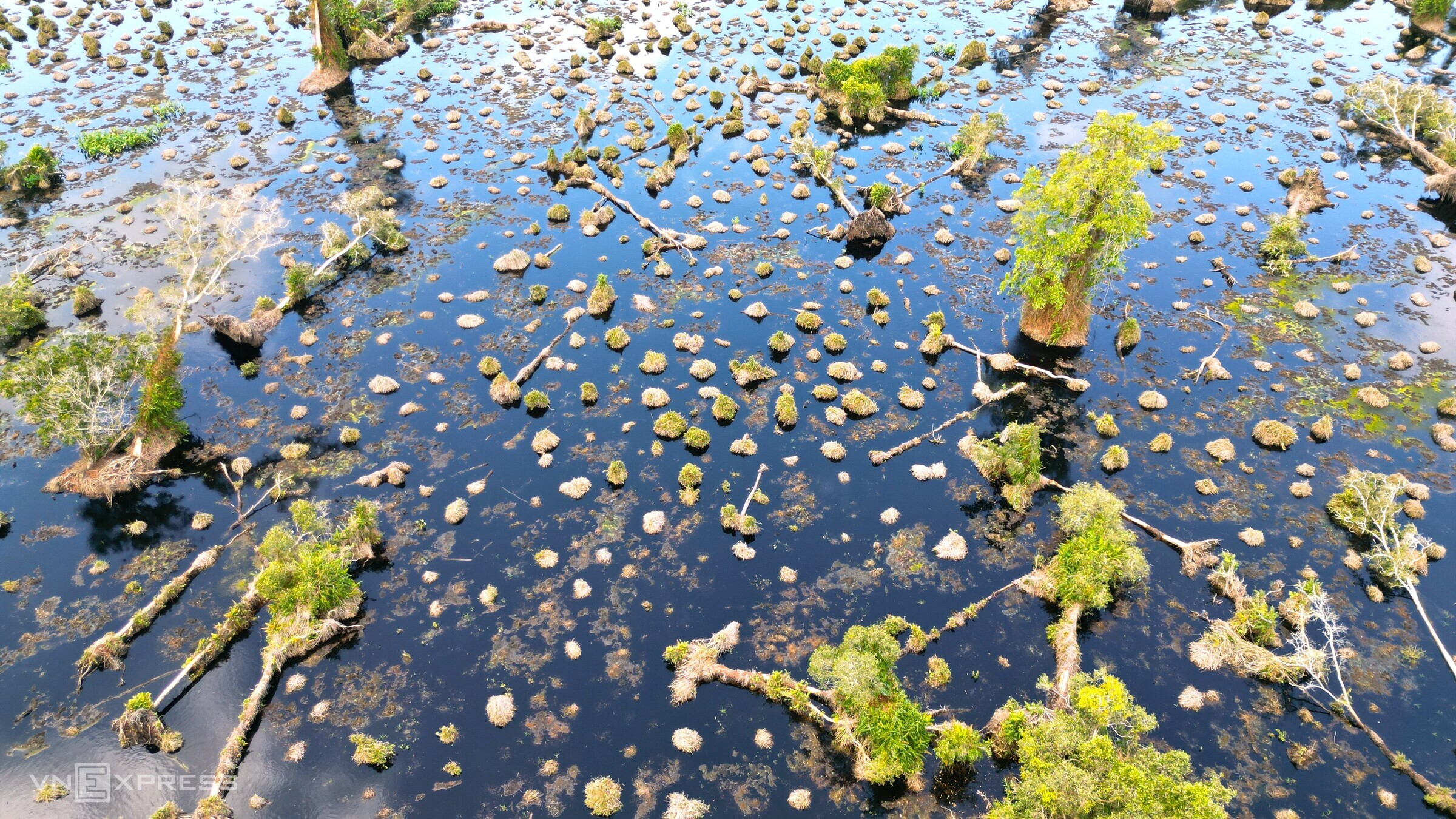
Initial causes for the decline are attributed to prolonged water retention for fire prevention. Additionally, many forest areas, having existed for a long time, are entering a natural phase of aging and decay.
Le Thanh Dung, Deputy Director of U Minh Ha National Park, stated that the park is collaborating with specialized agencies and scientists to assess the current forest status and propose water regulation solutions for melaleuca forest restoration.
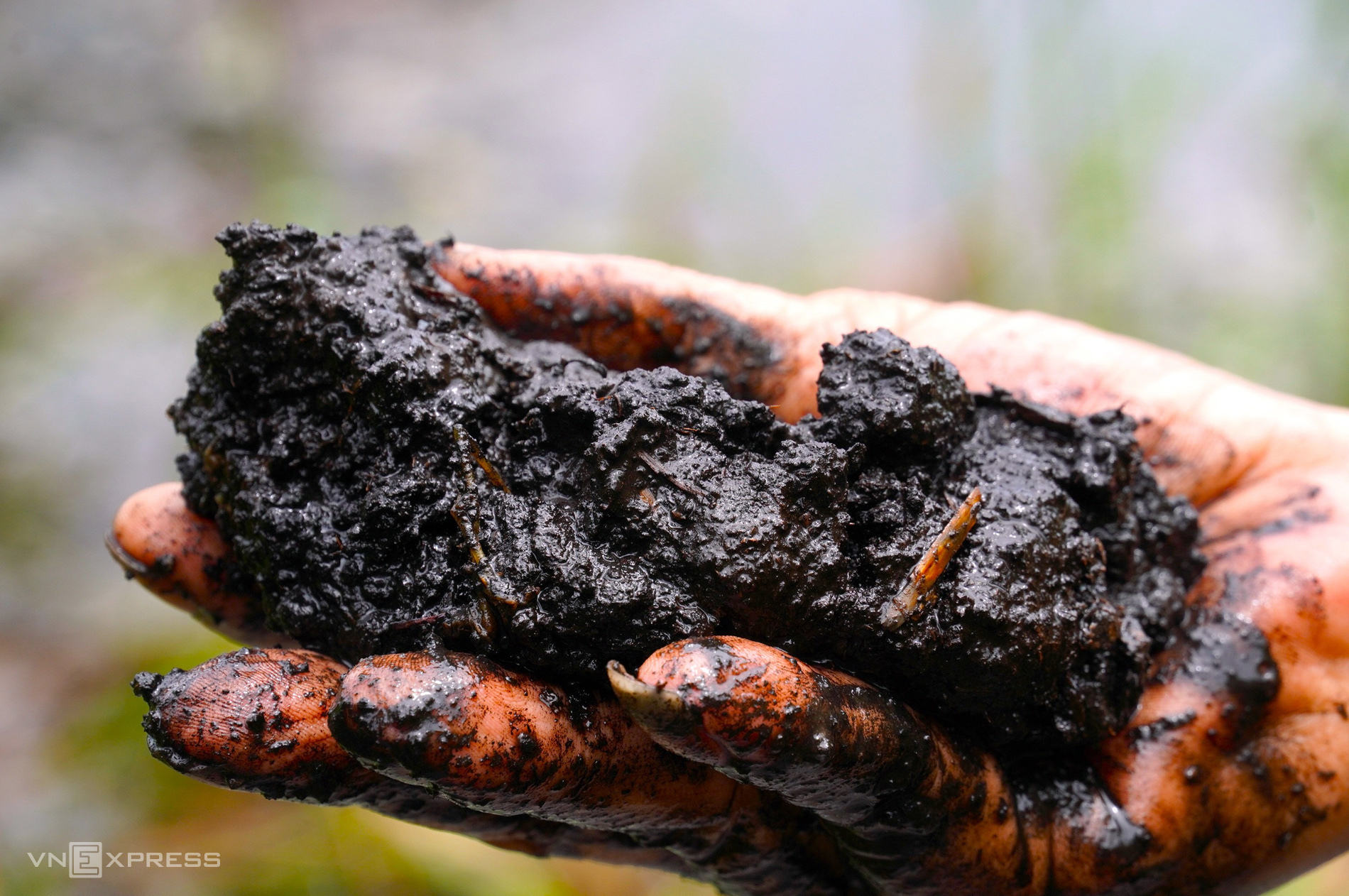
Large melaleuca trees are completely uprooted, interspersed with clumps of grass and tree stumps submerged in water for extended periods. The root mass of melaleuca trees is pulled from the ground, bringing with it a thick layer of black peat. According to the U Minh Ha National Park Management Board, during the dry season, the peat layer loses cohesion, causing many old melaleuca trees to lose their grip and easily fall in large numbers.
Forest rangers from U Minh Ha National Park survey the declining melaleuca trees. Due to its status as a strictly protected area, direct intervention measures in the forest are limited.
 |
The water in U Minh Ha forest has a characteristic reddish-brown color, formed from the peat soil layer.
According to experts, the dark water reduces the amount of light penetrating to the lower layers, affecting the photosynthetic capacity of regenerating trees. This is also considered a reason why regenerating melaleuca trees struggle to grow.
 |
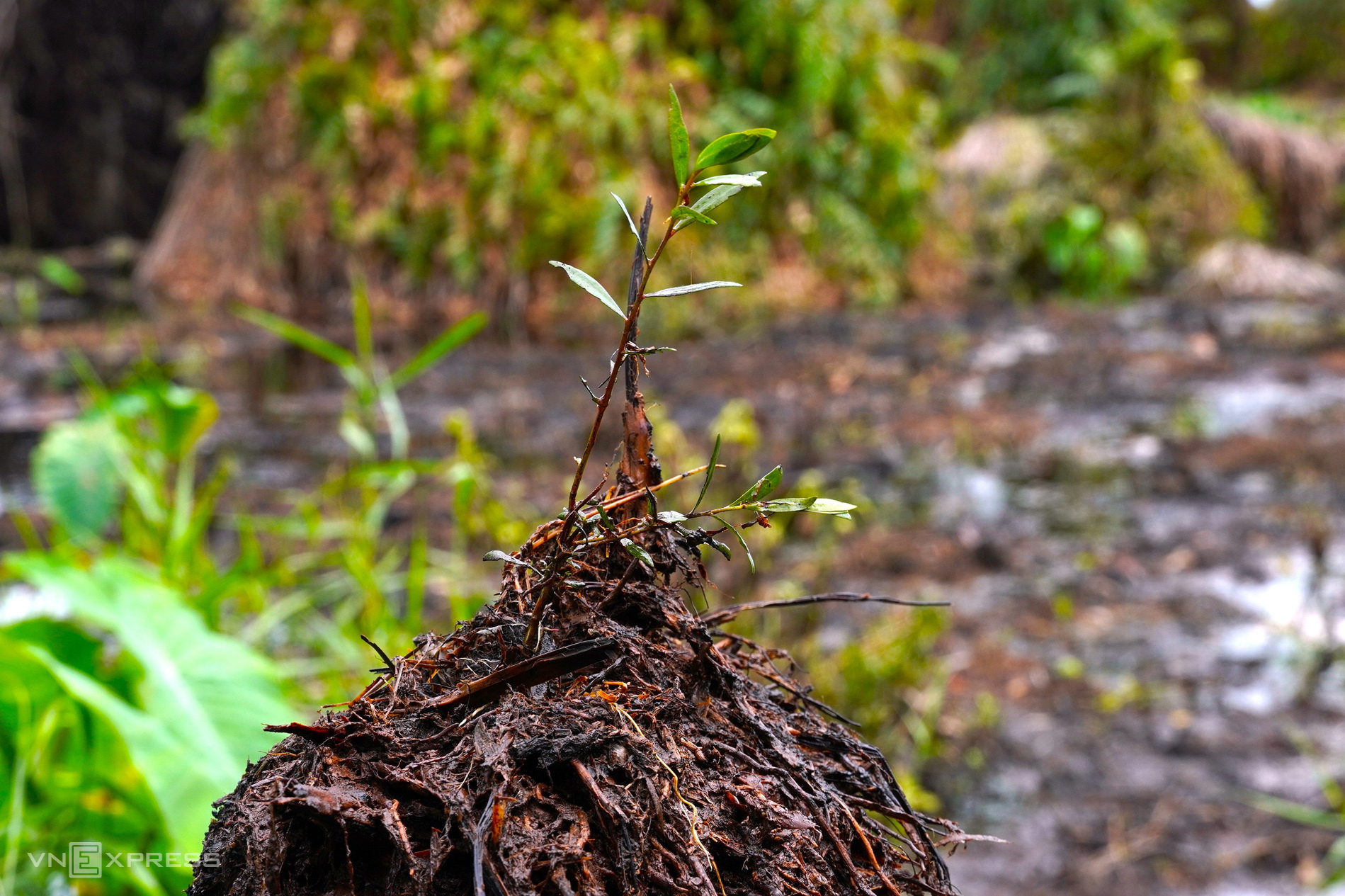
A melaleuca sapling, about 30 cm tall, faces a high risk of dying. Under prolonged high water conditions, young melaleuca trees struggle to rise above the water level to photosynthesize, leading to death in their early growth stages.
In addition to the 300 hectares of degraded forest, another 400 hectares are at risk of further decline if adverse conditions persist.
 |
As the melaleuca forest declines, many clearings form and are gradually replaced by other plant species such as grass, sedges, reeds, and ferns. This indicates a shift in the ecosystem's structure if the forest is not restored.
The core zone of U Minh Ha National Park spans over 8,500 hectares. This includes over 2,500 hectares designated for the conservation of the melaleuca forest ecosystem on peatland and over 5,190 hectares for the restoration and sustainable use of the wetland ecosystem.
 |
Chuc Ly