According to the office culture regulations issued by the Phu Tho provincial People's Committee in 12/2025, officials, civil servants, public employees, and workers must wear neat, polite attire suitable for their work, profession, and traditional customs and good morals. Specifically, those working in public offices must wear modest clothing: skirts extending below the knee and without excessively high slits. Collarless dresses, jeans, or collarless t-shirts are prohibited, and proper footwear, such as shoes or sandals with backstraps, is required.
The province encourages officials to wear suits, ties, traditional ao dai, or standard office uniforms. Officials working at one-stop service centers are encouraged to use specific uniform designs, ensuring professionalism and politeness. For ceremonies, important meetings, or when hosting foreign guests, men should wear suits or long-sleeved shirts with dress pants and ties, while women should wear traditional ao dai or suits. Ethnic minorities may wear their traditional festival attire.
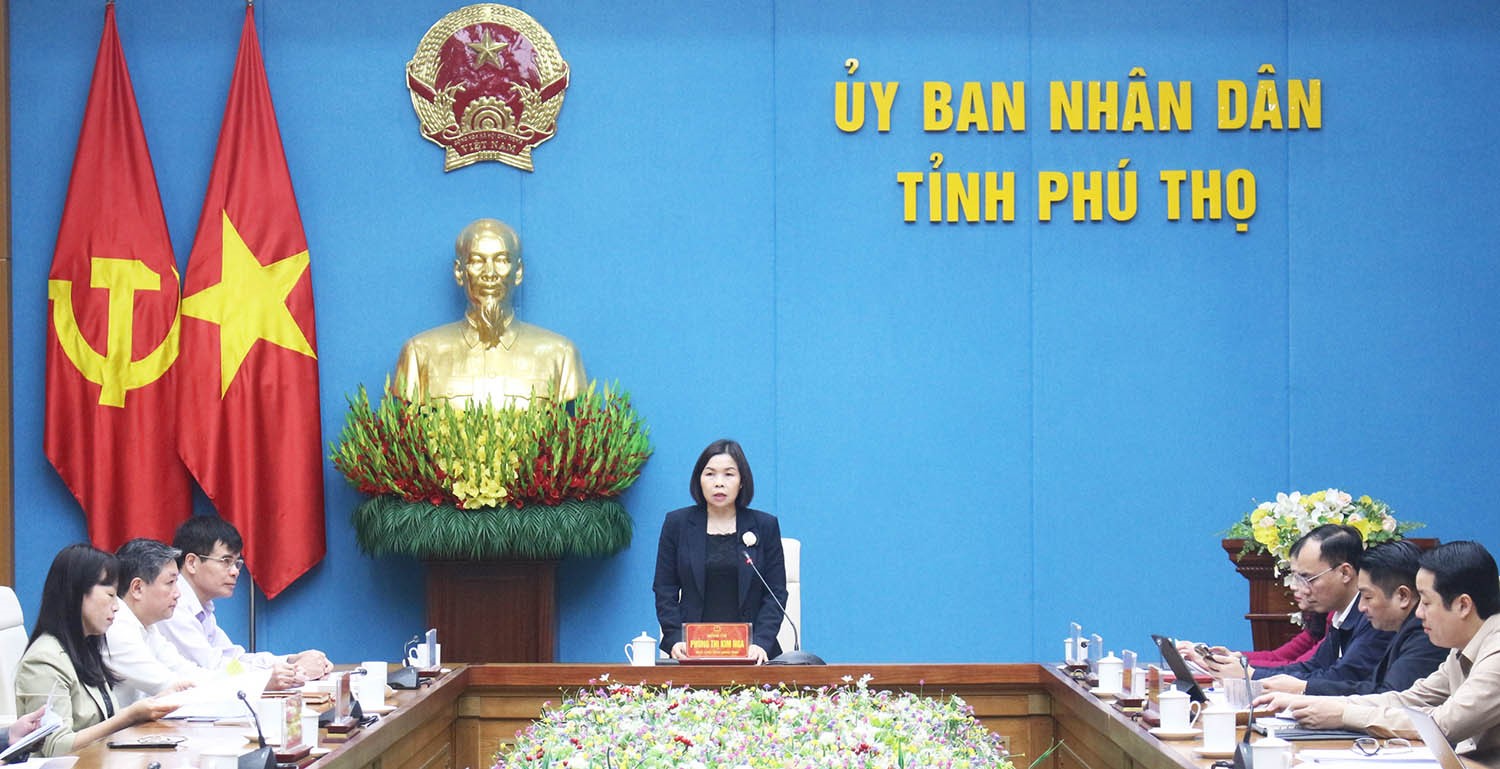 |
A working session at the Phu Tho provincial People's Committee. Photo: Phu Tho E-portal |
Beyond attire, the regulations clearly outline standards of conduct for interacting with the public. Officials must show respect, listen attentively, provide dedicated guidance, and offer thorough explanations for inquiries. They are required to practice the "4 Sins": saying hello, sorry, thank you, and asking permission; and the "4 Luons": always smiling, being gentle, listening, and helping. Furthermore, they must avoid using slang, jargon, or confusing language in communication.
Officials at one-stop service centers must proactively greet citizens, clarify their needs, provide specific guidance, and be ready to serve. When facing complaints or feedback, they must be open-minded, acknowledge the input, and admit any mistakes if errors are found.
The regulations prohibit officials from organizing weddings, funerals, longevity celebrations, birthdays, housewarmings, or promotion parties for self-serving purposes in residential or public areas. When individuals express frustration, officials must exercise restraint, listen calmly, and absolutely avoid confrontation, creating tension, acting arrogantly, harassing, or intimidating citizens.
The province's office culture regulations comprise 5 chapters and 17 articles, comprehensively covering the purpose, implementation principles, dress code, work ethic, standards of conduct, ethics, lifestyle, and office layout for agencies and units within the province.
Gia Chinh