"If an arrangement is found to be incorrect, it should be changed again next week, or even revert officials to their previous positions if the initial plan proves unsuitable," Tran Luu Quang stated on the afternoon of 22/9, concluding the 9th meeting of the Ho Chi Minh City Party Committee Executive Board.
This directive comes as Ho Chi Minh City recently implemented a two-tier government model. The administrative apparatus and job positions are still being adjusted, leading to some departments, sectors, communes, and wards experiencing confusion in task assignment and workflow management.
According to Quang, personnel restructuring aims not only to consolidate the apparatus but also to ensure the right people are in the right jobs, possessing sufficient capacity and responsibility to achieve the city's development goals. This year, Ho Chi Minh City targets over 10% growth, one million billion dong in budget revenue, and 100% disbursement of public investment capital.
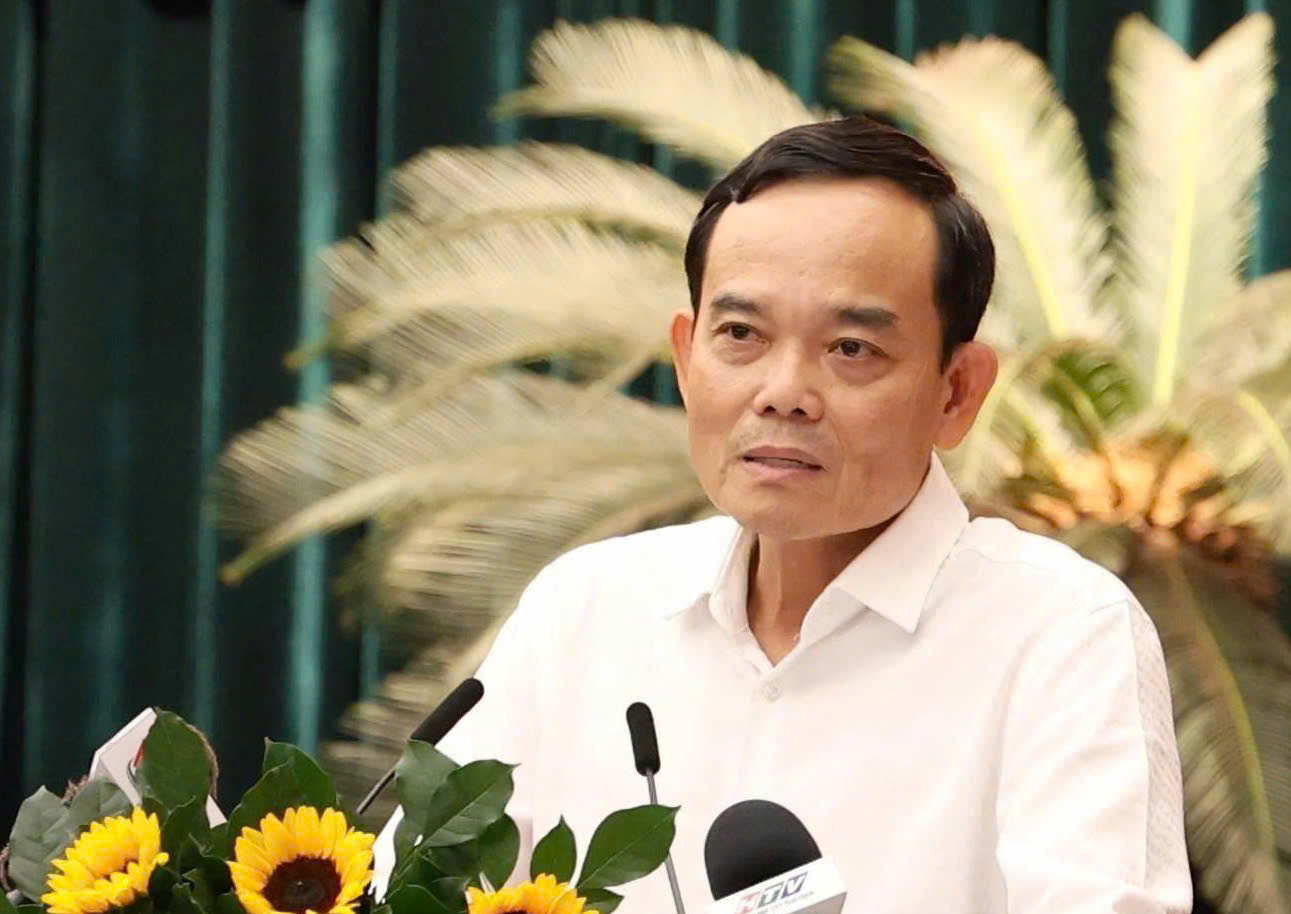 |
Secretary of Ho Chi Minh City Party Committee Tran Luu Quang concluded the Ho Chi Minh City Party Committee Executive Board meeting on the afternoon of 22/9. *Photo: An Phuong*
The Party Committee Secretary noted that during the reorganization, departments, sectors, communes, and wards still face challenges in personnel placement and task allocation. Some officials expressed concerns about their positions, while the workload and management requirements continue to grow.
He stressed that officials should not assume someone who previously worked in one field cannot handle another. Many current leaders, he pointed out, do not have specialized training for their current roles. He cited his own case, having studied mechanical engineering but now serving as Party Committee Secretary, constantly learning throughout his career.
The Party Committee Secretary urged departments, sectors, and localities to continue self-arranging and adjusting personnel to meet job requirements. He emphasized that apparatus restructuring is "decisive" and an ongoing process, not a one-time event.
If placements are unsuitable, decisive changes must be made. The crucial aspect is that all decisions must be reasonable, transparent, and free from personal motives.
Official evaluations will be tied to job positions, KPIs, work standards, and feedback from citizens and businesses to assess effectiveness. This process is linked to the responsibility of the head of each unit.
Quang stated that superiors must understand and trust their subordinate leaders, granting them appropriate authority. Conversely, if a leader fails to fulfill their duties, they must be held accountable.
"If I, as the Party Committee Secretary, found myself not fulfilling my duties, I would accept resignation," he said, emphasizing that higher positions entail greater responsibility, and accountability for underperformance is essential.
He advised officials within the system to change their mindset, be more proactive, and "delegate tasks" more effectively. Citing numerous real-world examples, he highlighted how citizens in various areas suffer due to issues that authorities should resolve swiftly. Therefore, commune and ward secretaries, who are closest to the people, must pay attention and urge officials to act.
In addition to reorganizing the current workforce, Quang emphasized that Ho Chi Minh City must prepare human resources for the long term. The city is collaborating on a project to scout talent from major universities and experts, aiming to build a companion force for future development.
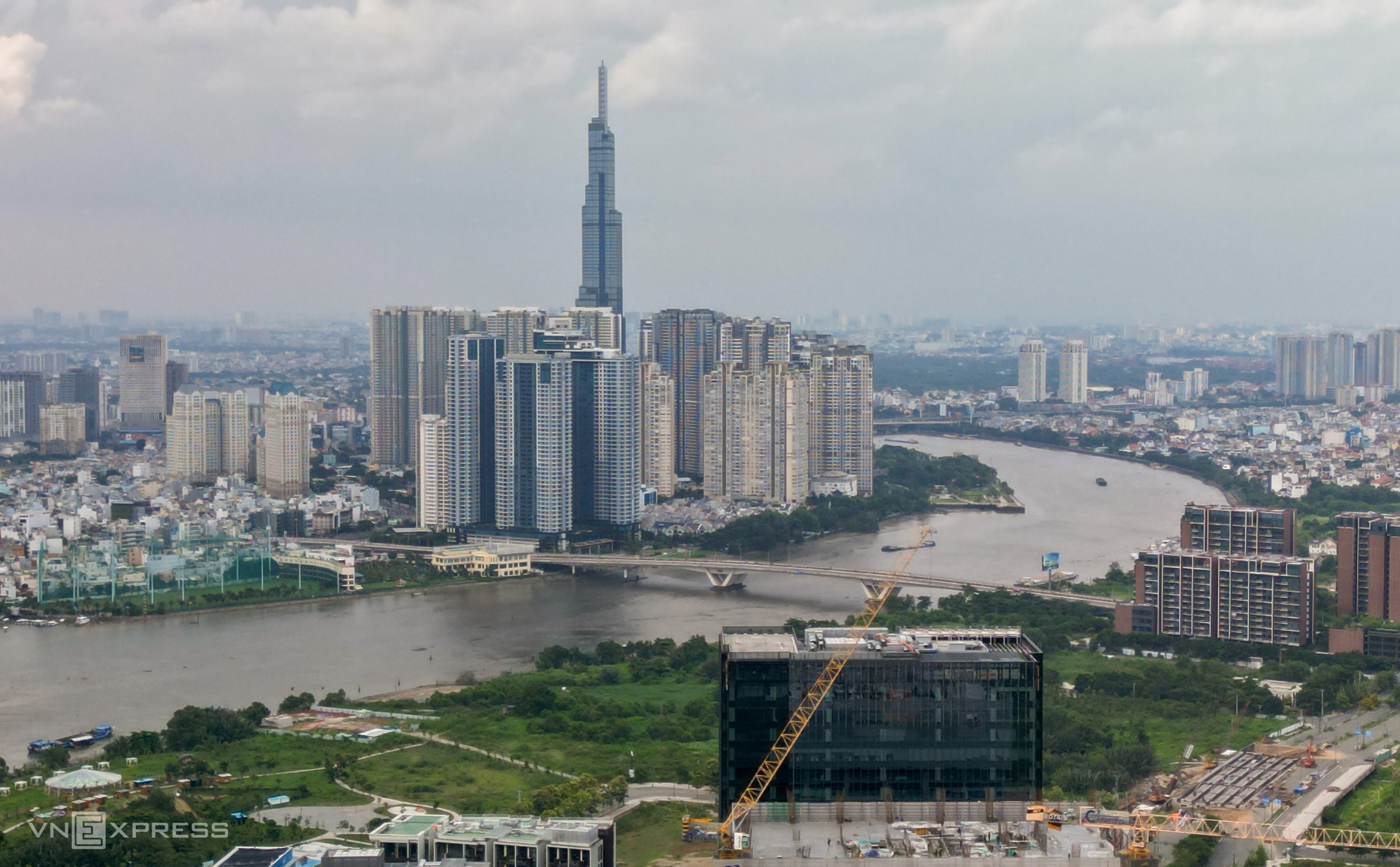 |
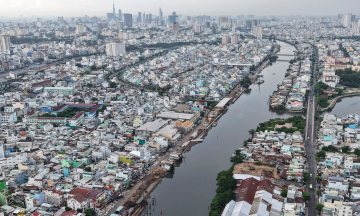
Real estate in the central area of Ho Chi Minh City, near the Saigon River, 8/2026. *Photo: Quynh Tran*
Beyond personnel matters, the head of the city's Party Committee called on the entire system to focus on three major goals this year: over 10% growth, one million billion dong in budget revenue, and 100% disbursement of public investment capital.
He acknowledged these are significant challenges but noted that opportunities for achievement are "considerable," particularly in QIV, a period often marked by breakthrough development. Ho Chi Minh City is also at a juncture where new mechanisms are beginning to take effect, including the Urban Development Law, expected to be effective from 1/10, along with resolutions approved by the City People's Council.
According to him, many investors await new mechanisms to implement projects, while numerous departments, sectors, and localities also await new regulations to resolve long-standing issues. "The question is not whether we can achieve these goals, but how we will achieve them," Quang asserted.
However, budget collection requires careful review of revenue sources but "without over-collection." Businesses must operate and generate profits to pay taxes. The city must create an environment conducive to business operations, thereby fostering sustainable revenue sources.
Regarding land revenue, he cautioned against organizing auctions "at all costs," stressing the need for a comprehensive market assessment. If the market is sluggish, the land should be held back, considered a reserve for the city.
Earlier, during the discussion, Truong Minh Huy Vu, Deputy Chairman of Ho Chi Minh City People's Committee and Director of the City Development Research Institute, reported that the city's QIII and first nine months' growth was the highest in the past 10 years, with foreign direct investment (FDI), logistics, and services being bright spots.
However, to achieve the two-digit growth target for 2026, QIV must see growth exceeding 13,5%. The city needs to unlock three resources: public, private, and FDI investment, while ensuring capital flows genuinely into production and business.
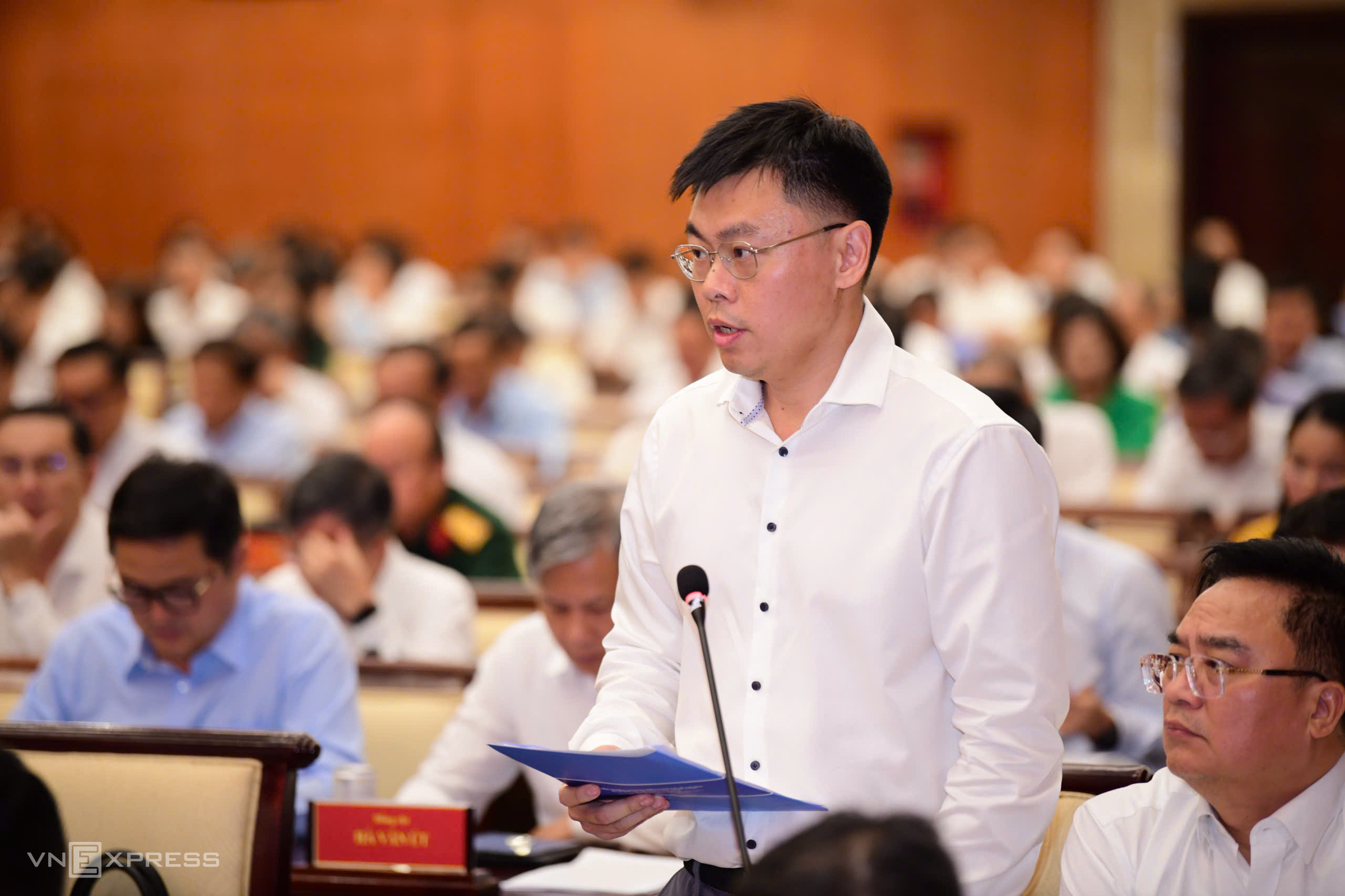 |
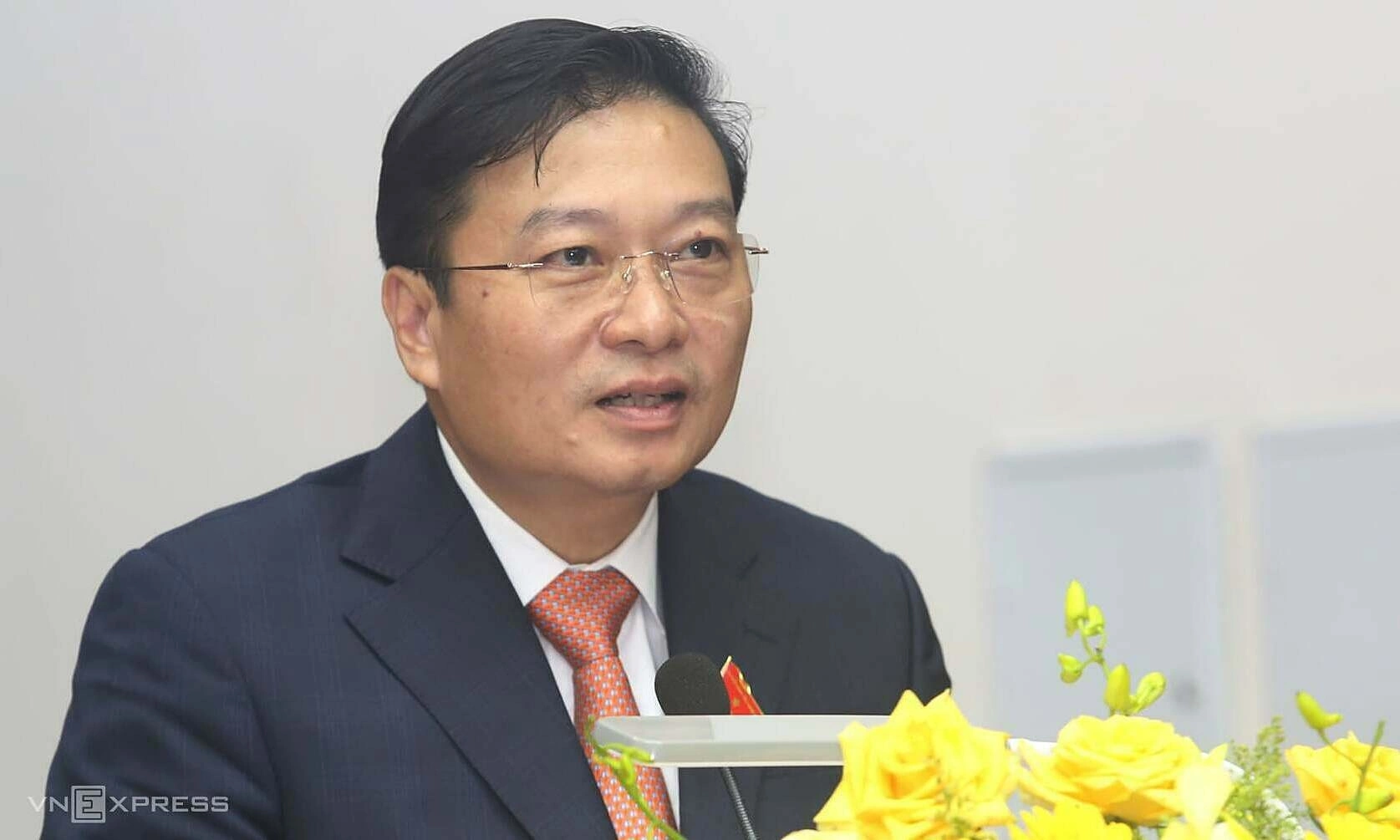
Deputy Chairman of Ho Chi Minh City People's Committee and Director of the City Development Research Institute Truong Minh Huy Vu spoke at the discussion on the afternoon of 22/9. *Photo: An Phuong*
According to Vu, alongside investment resources, the city's economy is expected to receive an additional boost in the last three months of the year from a series of events, festivals, and preparations for the Tet holiday, thereby stimulating consumption, shopping, tourism, and services.
In the first nine months, Ho Chi Minh City collected 670,599 billion dong in budget revenue, achieving 83,5% of the central government's estimate; public investment disbursement reached approximately 103,319 billion dong, fulfilling 70% of the plan. The city has resolved difficulties for 233 out of 921 outstanding projects, but the pressure to achieve two-digit growth and over one million billion dong in budget revenue targets in the final quarter remains substantial.
Le Tuyet