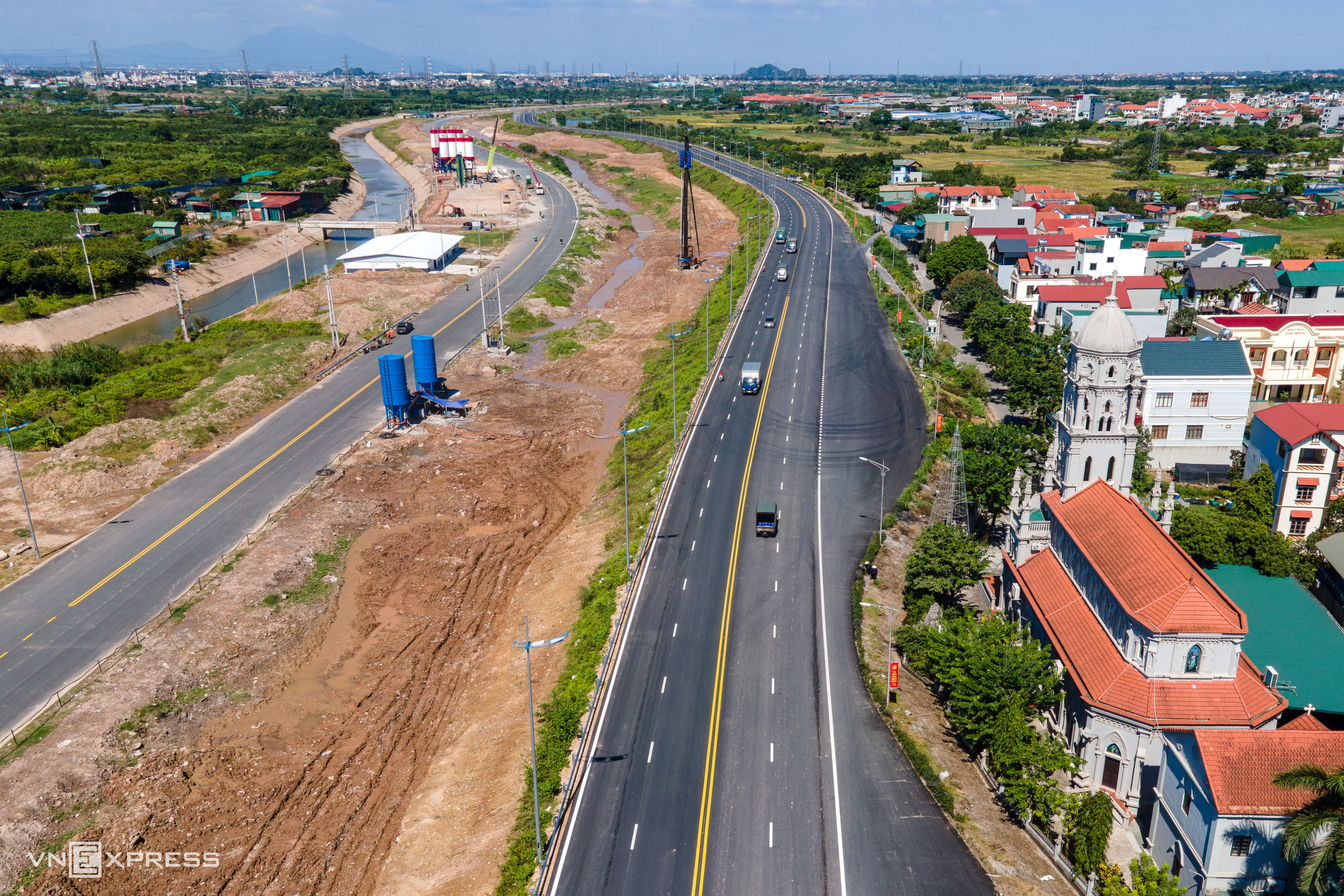
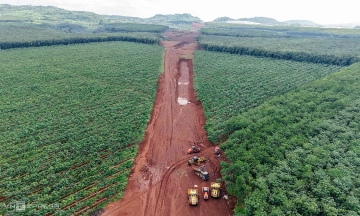
On the morning of 24/8, the National Assembly passed a resolution allowing the relocation of Dong Coi communal house in Thuan Thanh ward and Tam Son communal house in Luong Tai commune, Bac Ninh province. Both are provincial-level historical-cultural relics, located within the project area for a road connecting Gia Binh international airport with Hanoi.
The relocation will only proceed when necessary and no alternative exists to preserve the relics in situ. The Bac Ninh Provincial People's Committee is responsible for preserving the architecture, original elements, and historical, cultural values of each communal house. The relocation plan must be public, transparent, and involve public consultation.
The relocation process must not diminish, distort, or lose the inherent identity, cultural characteristics, architecture, and beliefs of the relics. Local authorities must also consider the livelihoods and cultural lives of affected communities.
The government will direct agencies to develop a feasible relocation plan, ensuring the integrity of the relics and balancing infrastructure development needs with heritage preservation.
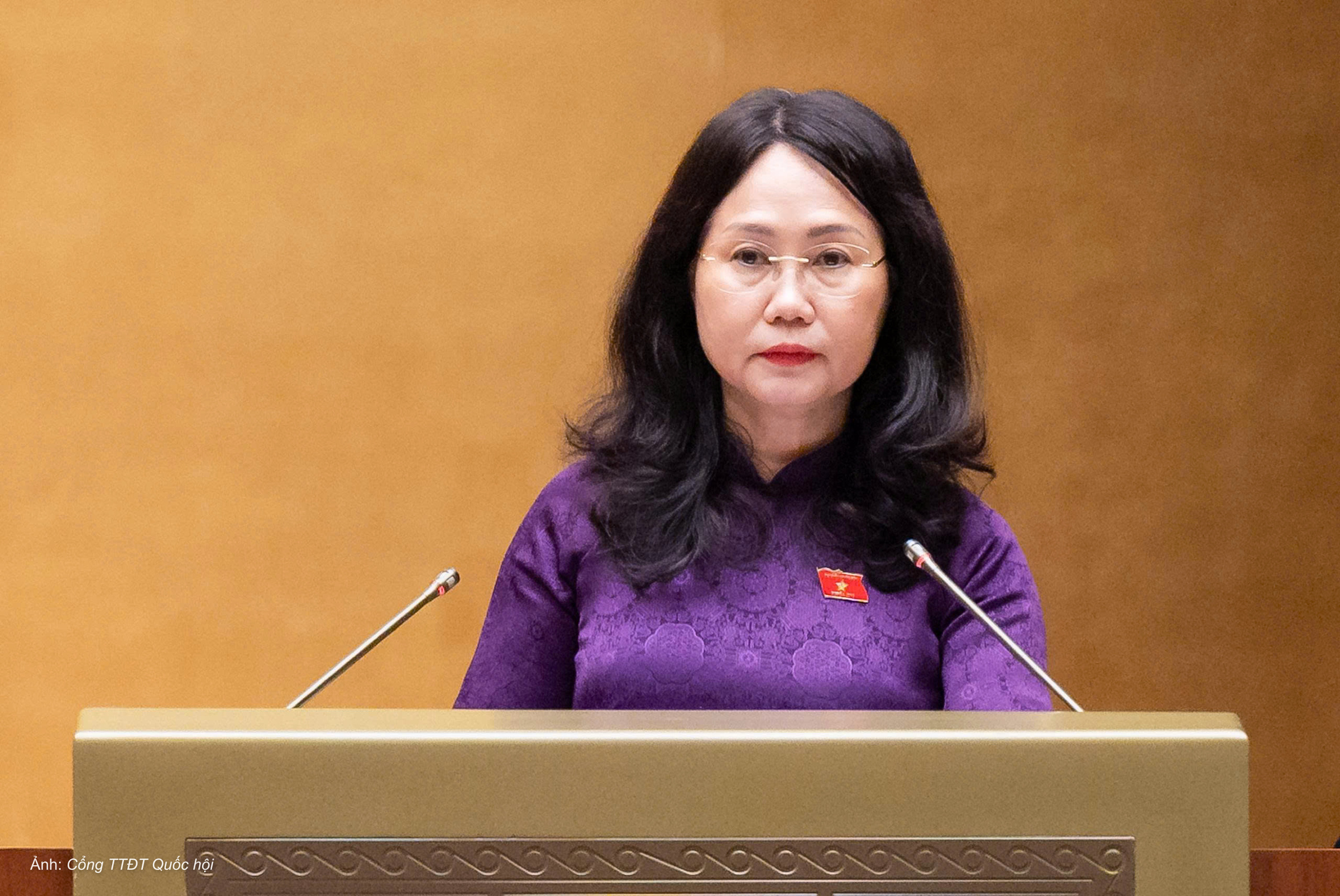 |
Minister of Culture, Sports and Tourism Lam Thi Phuong Thanh presented an explanation before the National Assembly voted to approve the resolution, on the morning of 24/8. *Photo: National Assembly E-portal* |
Previously, the government proposed relocating three provincial-level relics in Bac Ninh to serve two projects. Besides Dong Coi communal house and Tam Son communal house, located on the road connecting Gia Binh airport with Hanoi, Tan Tran temple is within the project area for building barracks for the Public Security Air Force Regiment. However, Tan Tran temple was not included in the resolution due to aspects requiring review under regulations on beliefs and religions. The government will continue to examine legal issues related to this relic.
The Gia Binh International Airport project in Bac Ninh is expected to have a total investment of nearly 196,000 billion dong. It is planned to 4F standard, with a phase one capacity of 30 million passengers per year. The project is envisioned as a new-generation aviation economic hub, including airport infrastructure, urban areas, and adjacent urban zones.
Son Ha