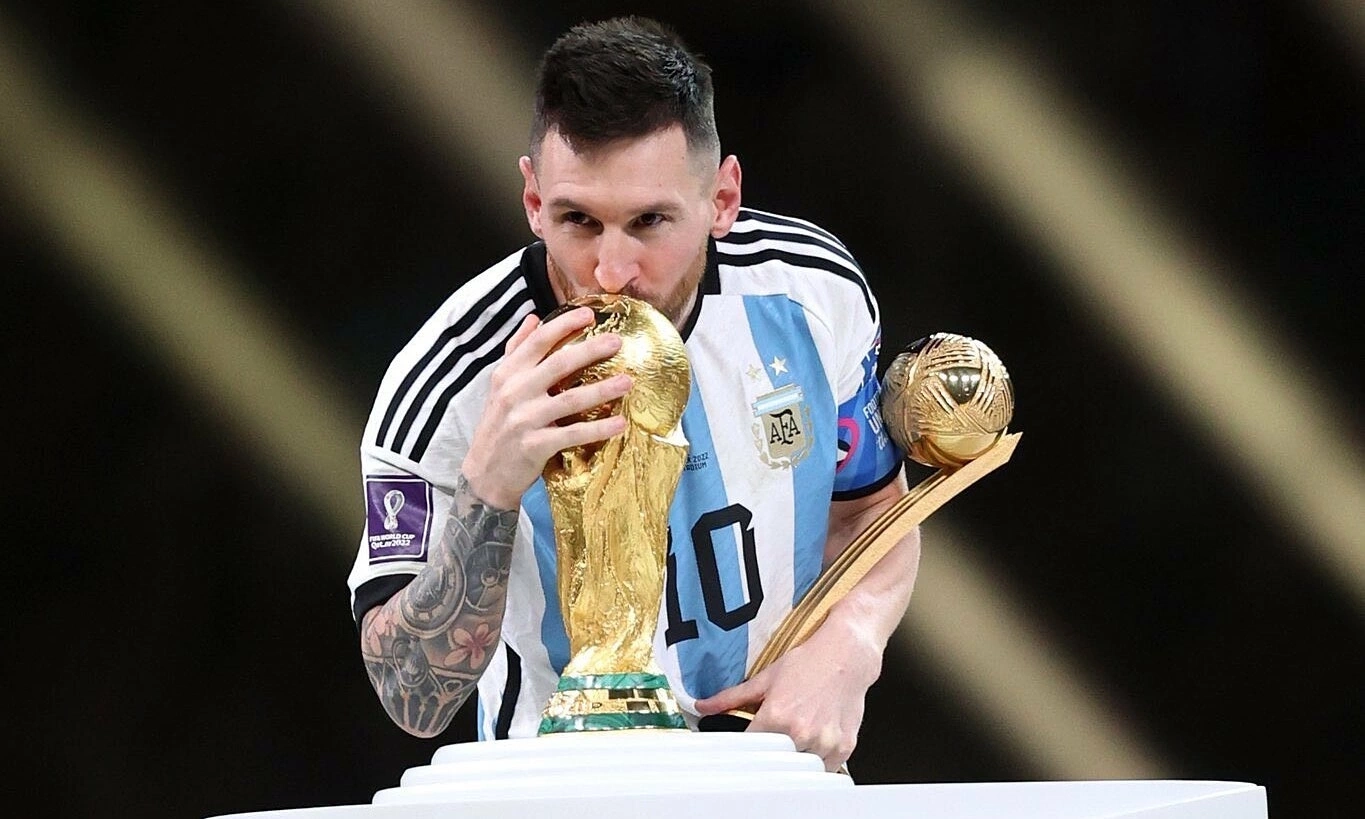
In the round of 16 victory against Cape Verde, Messi walked for a moment before suddenly accelerating. From the instant he started his run behind the opponent's defense until the ball settled in the net, only three seconds passed.
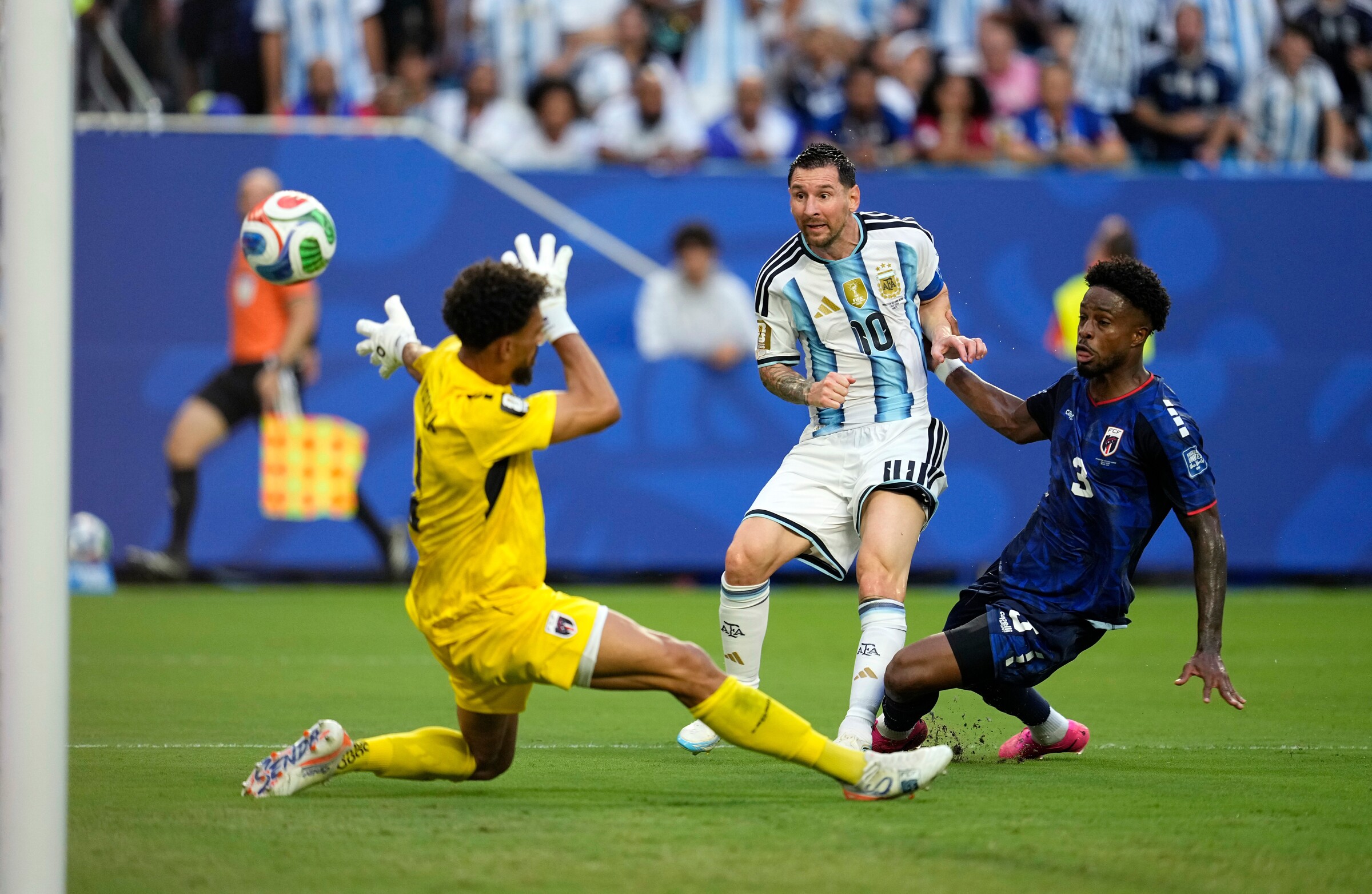 |
Messi (10) scored the opening goal for Argentina in their 3-2 victory over Cape Verde in the 2026 World Cup round of 16 at Hard Rock Stadium, Miami Gardens, Florida, US on 3/7. *Photo: AP*
That brief period was enough for the Argentina captain to break free from his marker, receive a long pass from Lisandro Martinez, and score the opening goal. Those three seconds encapsulate Messi's playing style at 39: patiently waiting, conserving every stride to explode at the precise moment.
Modern football increasingly emphasizes high intensity, pressing, and continuous sprints. Messi's playing style goes against this trend. However, this very difference has allowed him to dominate football's biggest stage.
According to FIFA statistics, Messi covered a total of 35,868 m in his first five matches at the 2026 World Cup. Of this, 22,958 m, or 64% of the distance, was covered at speeds between 0 and 7 km/h, primarily walking. No other top attacking player in the tournament spent as much time at low speeds as the Argentina captain.
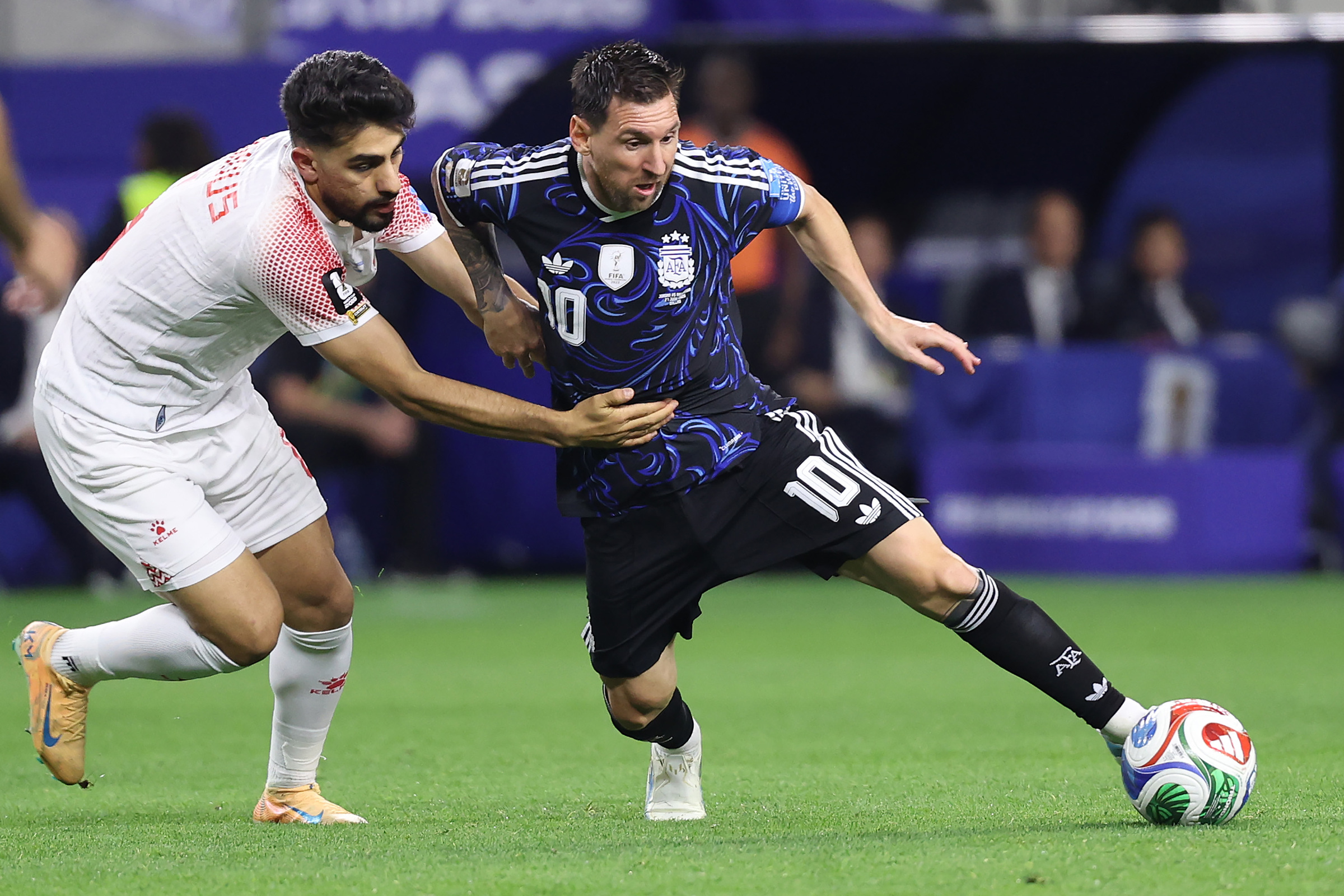 |
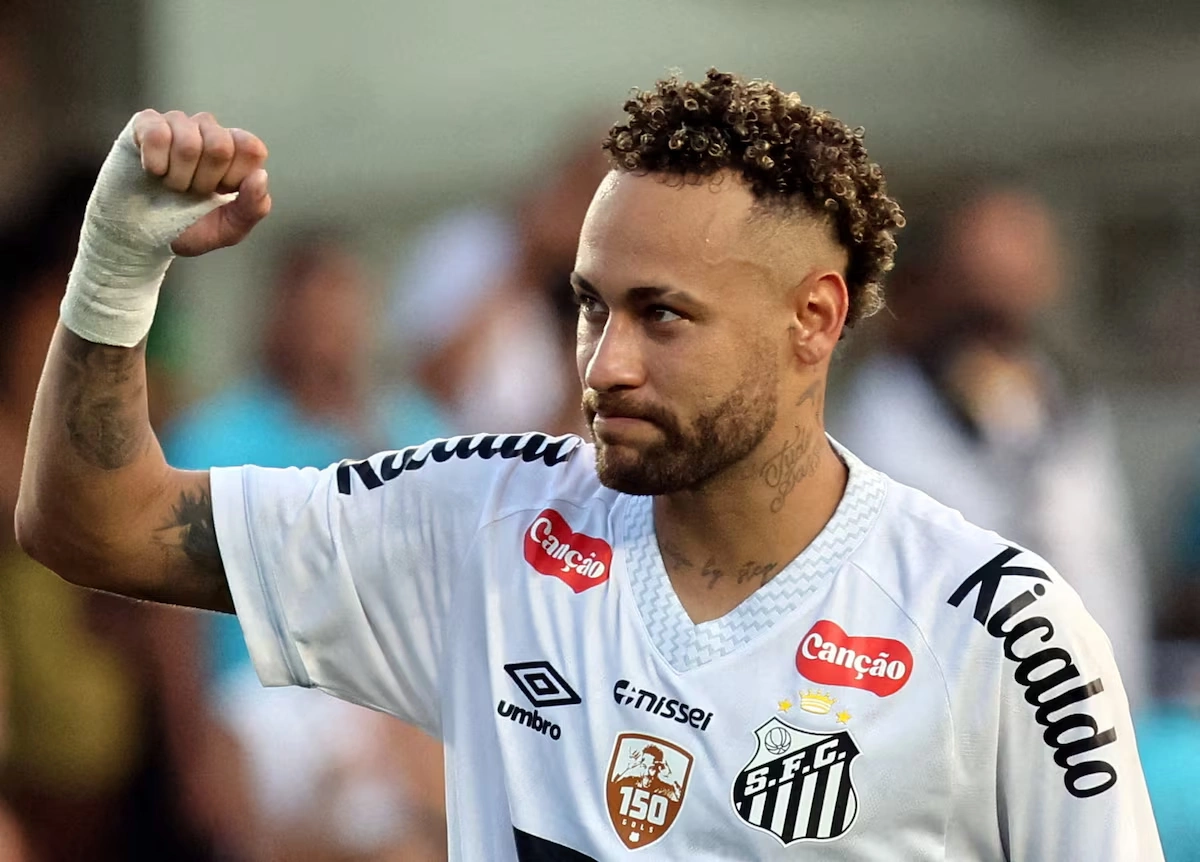
Forward Lionel Messi (number 10) dribbles past Amer Jamous (number 6) during Argentina's 3-1 victory over Jordan in the final group J match of the World Cup at Arlington, Texas, Dallas, US on 27/6/2026. *Photo: AP*
Walking does not mean Messi disappears from the game. Instead, it is his time to observe, analyze, and prepare for the next decisive moment. While teammates and opponents are constantly moving, Messi takes the time to read spaces, observe defenders' positions, and calculate the optimal moment to accelerate.
A test conducted by the British newspaper Telegraph during the second half of the match against Cape Verde illustrated this more clearly. In a 15-minute period, Messi's actual running time was only 51 seconds. If extrapolated for the entire match, he would have run for approximately 5 minutes, or about 5% of the total duration.
In return, almost every acceleration he makes carries a threat. The goal against Cape Verde is clear evidence. Opposing defenses, accustomed to seeing Messi walk in front of them, need only a moment of distraction for him to immediately exploit the space behind. While speed may no longer be Messi's greatest strength, his ability to choose the optimal moment to move remains world-class.
Statistics from the group stage further highlight a paradox. Among 618 outfield players, Messi leads in goals scored but ranks last in average distance covered per 90 minutes. In other words, no one scores more goals than him, and no one runs less.
Compared to other top forwards, the difference is even more striking. After five matches, Harry Kane made 600 high-speed runs, Vinicius Junior had 514, Ousmane Dembele 477, Mikel Oyarzabal 461, and Kylian Mbappe 336. Erling Haaland was closer to Messi with 314 high-speed runs, but the Norwegian forward did not even play in the final group stage match.
Messi completed only 298 high-speed runs, significantly fewer than other top forwards. However, the effectiveness of each acceleration is superior. He does not run to be involved in every play; he only runs when a genuine opportunity arises.
Of course, this tactic is not always applicable. When Argentina found themselves trailing 0-2 against Egypt in the round of 16, Messi was forced to adapt. In the final 20 minutes of the match, he consistently drifted to the right wing, dribbled, broke through, and directly pulled his team back into the game.
From the 76th minute onwards, Messi touched the ball, dribbled, shot, and created the most chances on the field. In the match against Egypt alone, he completed nine successful dribbles, whereas in the previous four matches combined, he had only 15.
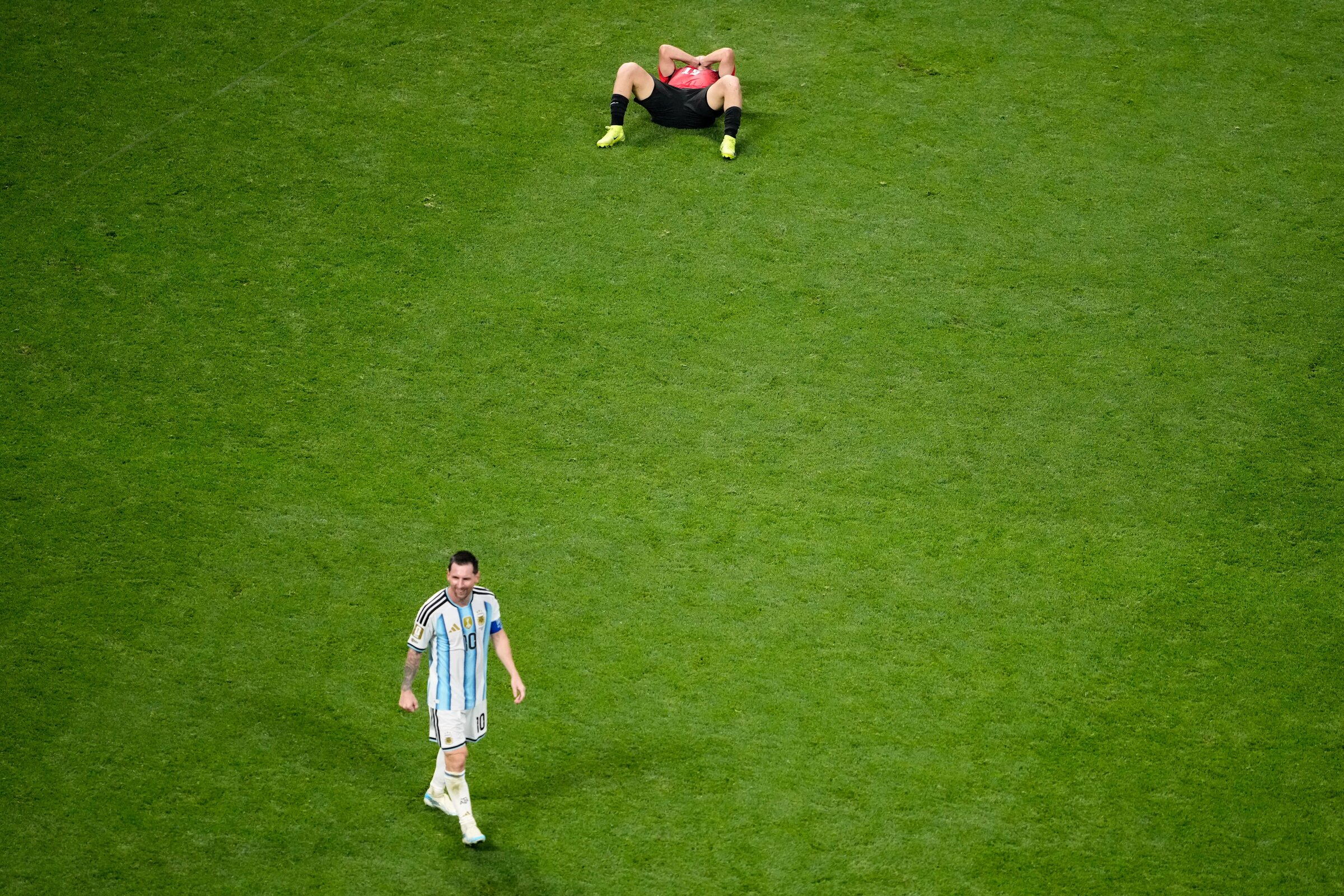 |
Messi celebrates after Argentina's 3-2 victory over Egypt in the 2026 World Cup round of 16 at Mercedes-Benz Stadium, Atlanta, Georgia, US on 7/7. *Photo: AP*
That was also Messi's most exhausting match since the start of the tournament. After the emotional comeback, he broke down in tears on the field. This image illustrates the cost of being forced to play in his old style, rather than his carefully calculated energy-saving approach.
At 39, Messi understands his physical limits better than anyone. He no longer has the stamina for continuous bursts of speed like during his peak at Barca. Instead of fighting the aging process, Messi has adjusted his playing style to adapt. He reduces the number of accelerations, decreases the distance covered, and conserves all his physical energy for decisive moments.
However, this tactic is only effective when the entire team is willing to sacrifice for an individual. Argentina effectively defends with 10 players for most of the match. When Messi walks further up the field, his teammates must run more to cover the space. They press more aggressively, track back faster, and constantly support each other to help their captain conserve valuable energy.
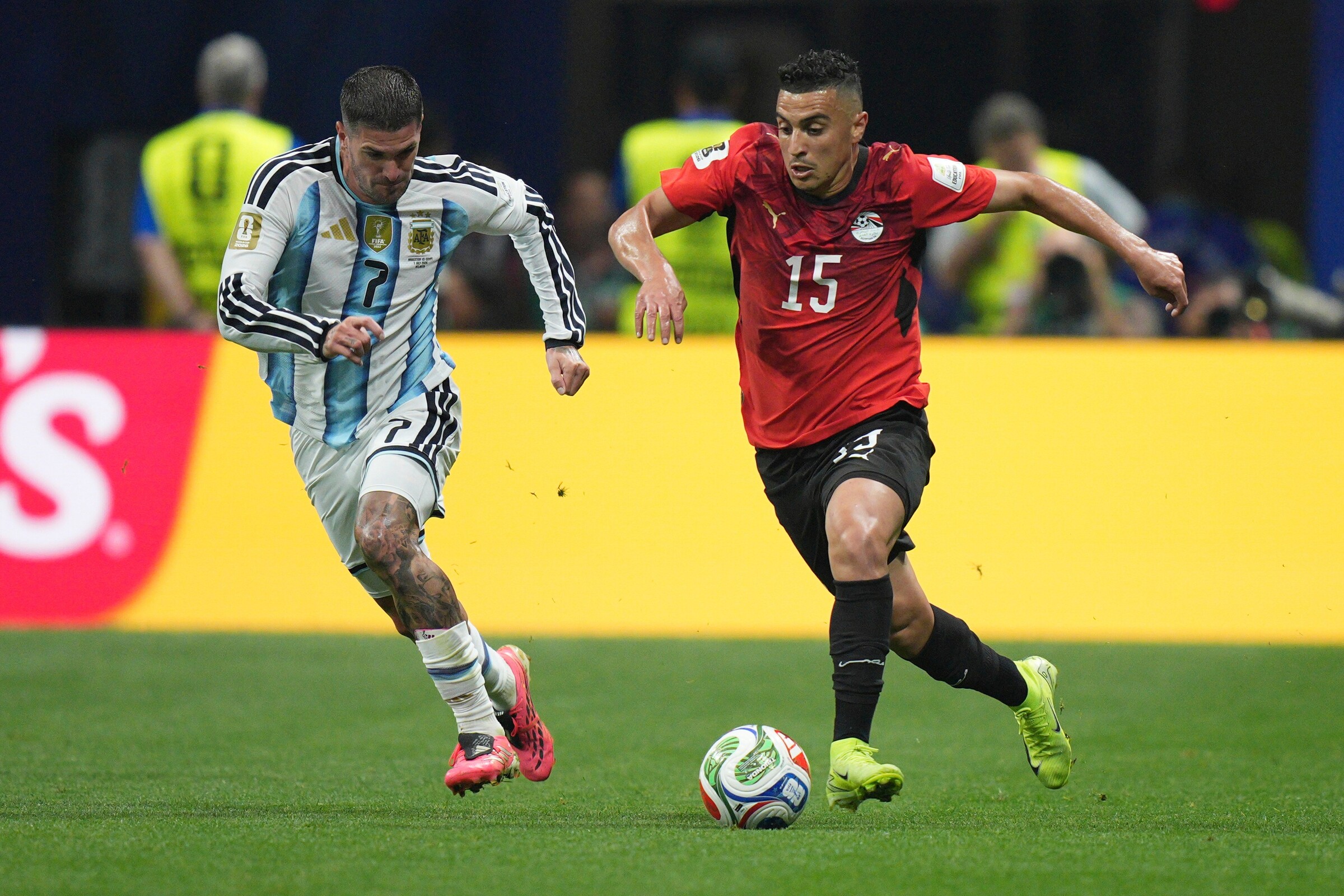 |
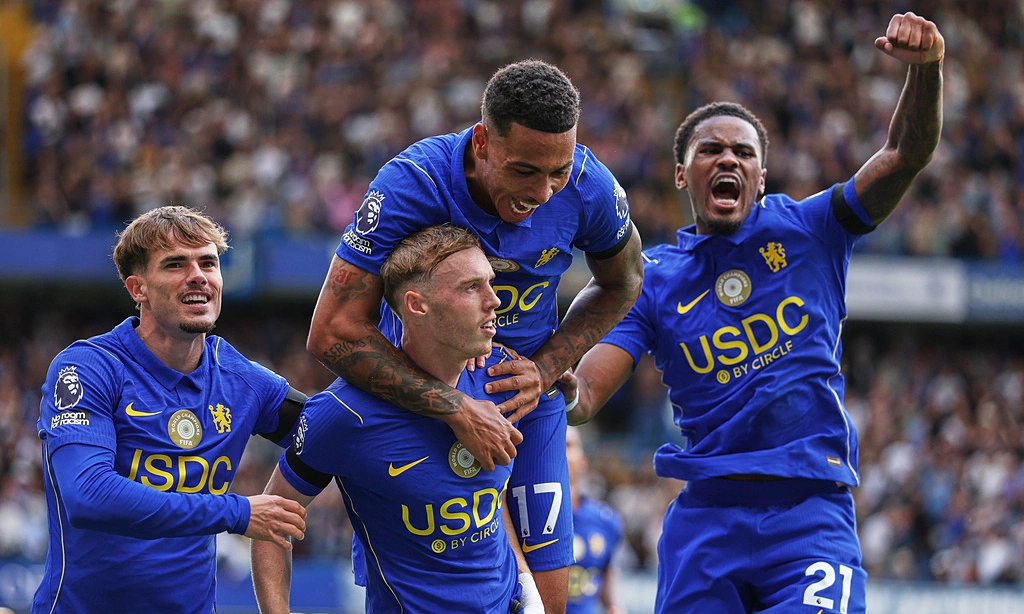
Rodrigo De Paul (7, right) challenges Karim Hafez (15) during Argentina's 3-2 victory over Egypt in the 2026 World Cup round of 16 at Mercedes-Benz Stadium, Atlanta, Georgia, US on 7/7. *Photo: AP*
The most crucial player in this setup is Rodrigo De Paul. The midfielder has long been likened to Messi's "bodyguard." He consistently appears when the captain is fouled and simultaneously undertakes an immense workload in midfield.
While Messi spends 64% of his playing time at low speeds, De Paul's rate is only 44%. Despite playing fewer minutes, the midfielder still covers a distance nearly equivalent to Messi's. Meanwhile, Alexis Mac Allister and Enzo Fernandez have both covered approximately 50 km after five matches, significantly more than the captain (35,87 km). When calculating distance covered per 90 minutes, Messi ranks last in Argentina with 6,9 km, excluding goalkeepers.
This sacrifice reflects how Argentina has built its system around Messi. Players accept running more, competing harder, and doing more of the heavy lifting in exchange for the number 10's moments of genius.
So far, this strategy is proving effective. Messi has scored eight goals and provided one assist in just his first five matches at the 2026 World Cup. He may no longer run the most, but he still makes the biggest difference.
Xuan Binh (according to Telegraph)
Egypt national football team | Cape Verde national football team | Switzerland national football team | Argentina national football team | 20