During Tet, daily routines and diets are often disrupted by parties, leading to excess energy. Balancing the enjoyment of the festive atmosphere with maintaining training discipline becomes a challenge for runners. However, according to the Food and Agriculture Organization of the United Nations (FAO), no food is inherently "bad." Instead of strict abstinence, the key to staying in shape lies in understanding the nutritional value of each dish and consuming them when the body needs them most.
Eat banh chung after intense training
A banh chung made from glutinous rice, pork, and mung beans, weighing about 0,8-1 kg, contains approximately 1,800-2,000 calories. Many people feel tired after eating this dish because it is rich in easily absorbed carbohydrates and fats, which require the digestive system to work harder. If eaten as a main meal close to a run, this dish can cause a heavy, sluggish feeling. However, if consumed after a training session, it becomes an ideal recovery "fuel."
Glutinous rice has a high glycemic index, aiding rapid glycogen replenishment. According to guidelines from the American College of Sports Medicine (ACSM), consuming carbohydrates combined with protein after high-intensity exercise effectively supports muscle recovery. Therefore, after a long run to kick off the new year, a piece of banh chung eaten with pickled onions and green vegetables will help runners quickly replenish energy without worrying about accumulating excess fat.
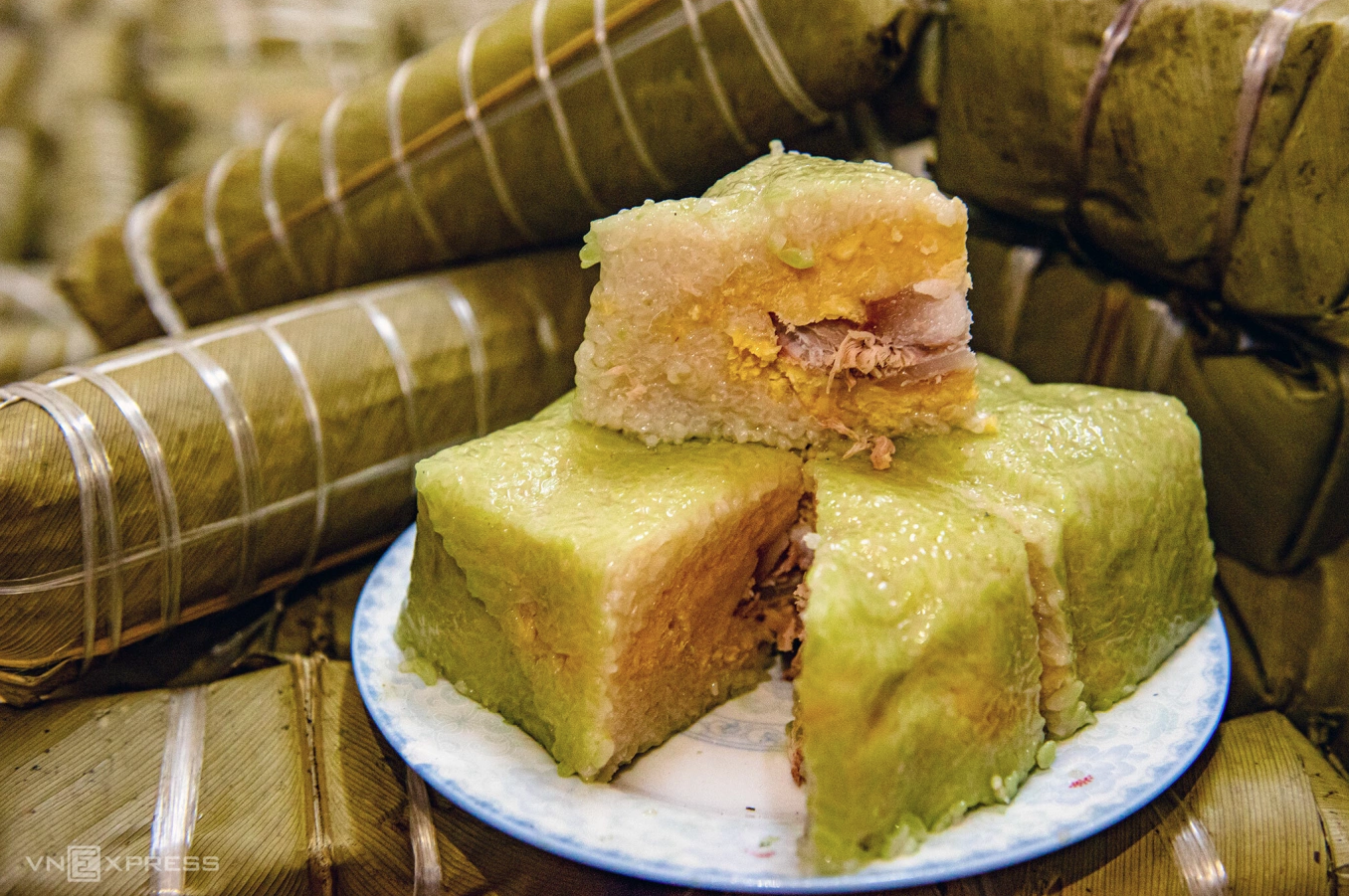 |
Banh chung Lo Khe, Dong Anh, Ha Noi. Photo: Thanh Hue |
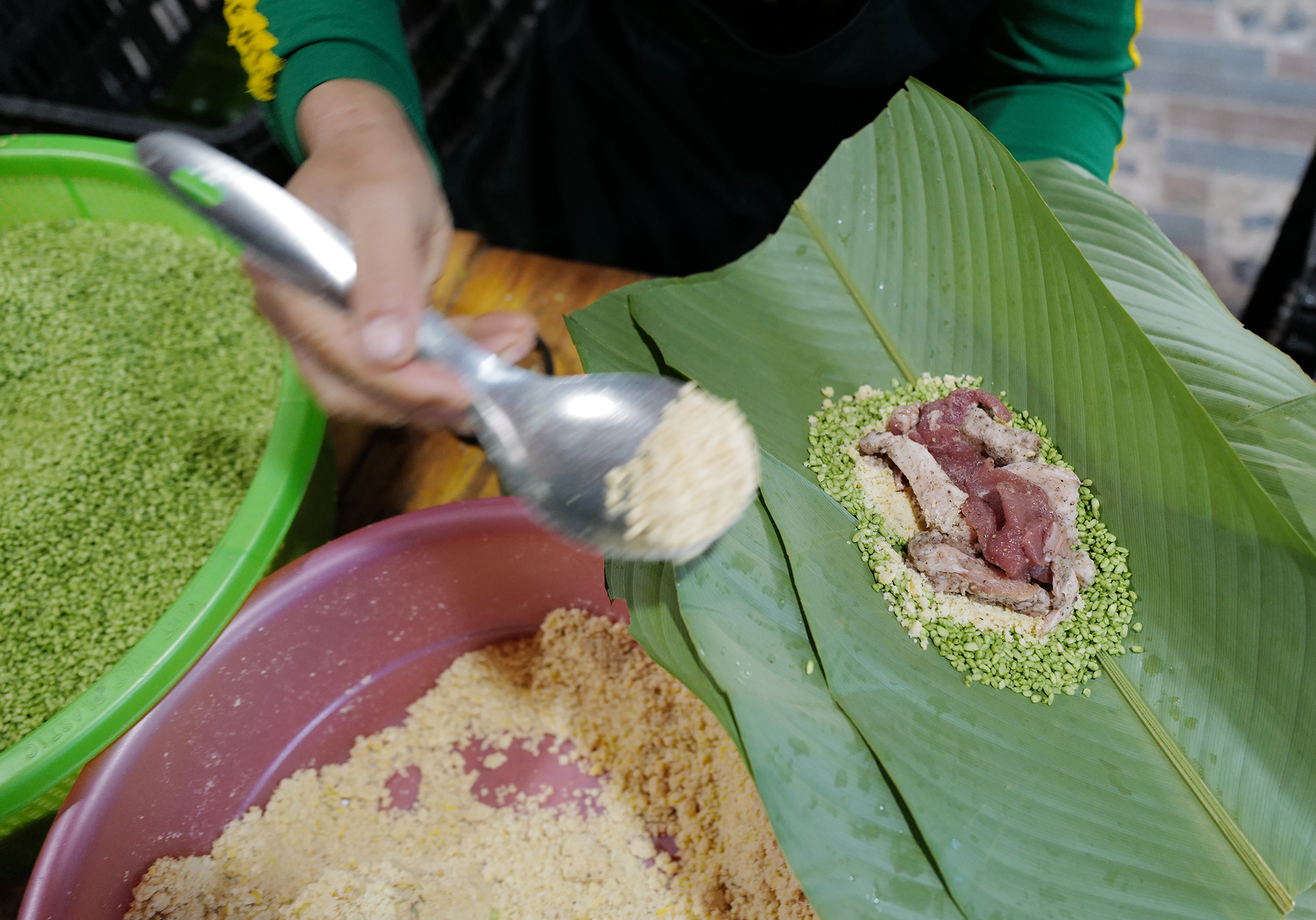 |
Banh chung - a traditional Vietnamese dish for Tet. Photo: Ngoc Thanh |
Gio, cha, and various meats support recovery
On the Vietnamese Tet feast tray, there are often various types of gio cha, chicken, beef, and pork prepared in many ways. These are important sources of animal protein, a nutrient that plays a crucial role in the recovery and regeneration of muscle fibers after exercise. According to ACSM guidelines, athletes need adequate protein intake to support the repair of muscle tissue damaged during exercise, especially after running sessions.
However, gio and cha often contain high sodium levels. Runners should control their intake to avoid excessive water retention or continuous thirst. It is best to combine them with plenty of green vegetables and carbohydrates in main meals rather than consuming them as all-day snacks.
Consume nuts during or after a light run
Nuts such as sunflower seeds, pumpkin seeds, and cashews are sources of good fats (omega-3, omega-6), vitamin E, and minerals essential for nervous system function. According to the World Health Organization (WHO), this food group is rich in good fats, helping to maintain energy and a feeling of fullness when portion sizes are controlled.
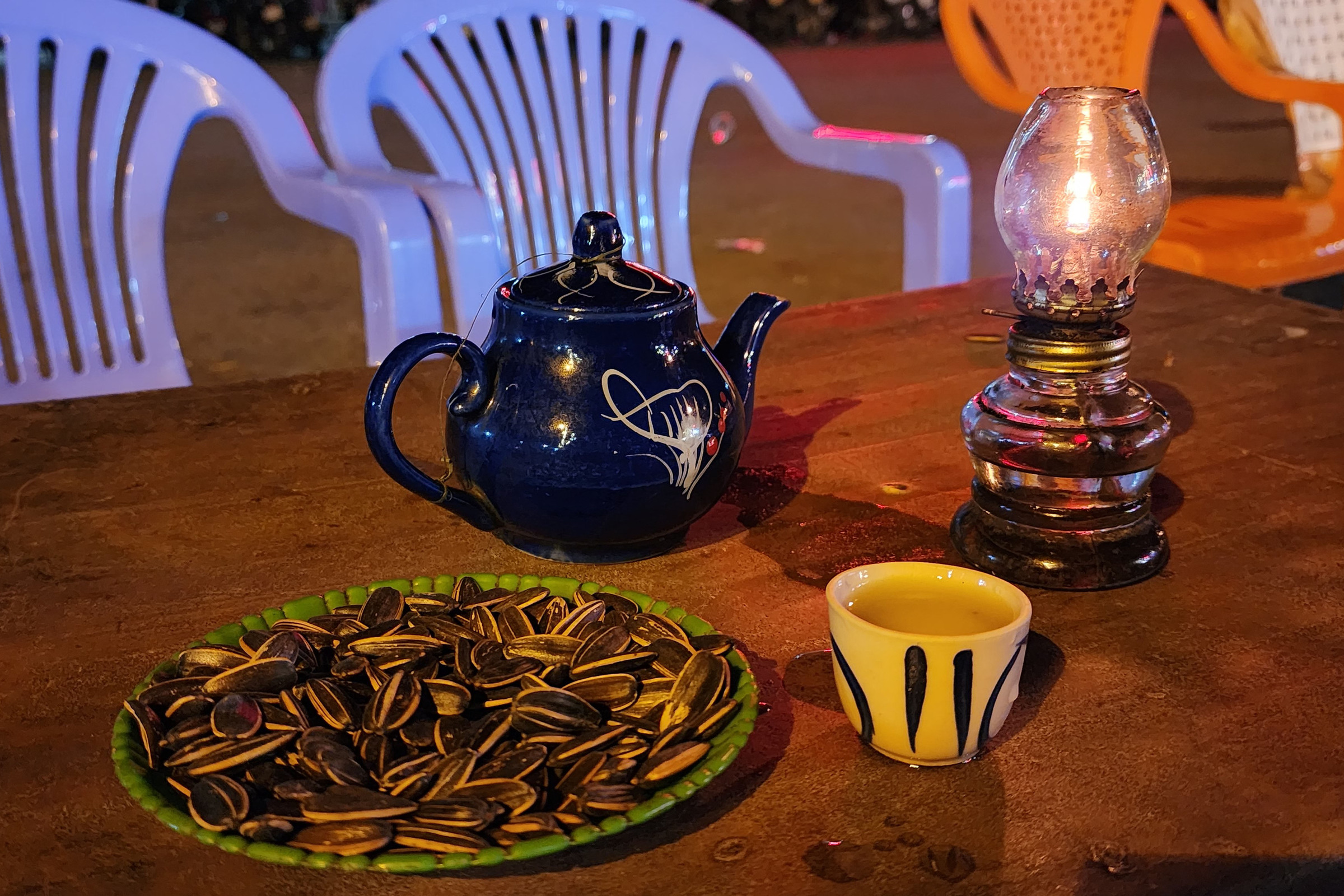 |
Sunflower seeds are used by many families to offer guests during Tet. Photo: Vo Thanh |
However, due to their high fat and fiber content, they digest slowly. Runners should avoid eating nuts 2-3 hours before running to prevent bloating or side stitches. The best time to snack on them is during mid-day meals, away from training sessions, in a limited quantity of about one small handful (20-30g).
Use ginger jam after running in cold weather or with low blood sugar
Among Tet jams, ginger jam stands out due to its gingerol and shogaol content, which are bioactive compounds in ginger. Research published in the Journal of Ethnopharmacology and Phytotherapy Research shows that ginger stimulates peripheral circulation and creates a mild thermogenic sensation, helping the body feel warmer after exposure to cold environments.
For runners training early in the morning or late in the evening during the cold weather at the beginning of the year, a small amount of ginger jam after a run can provide comfort and aid muscle relaxation after exercise. However, nutrition experts note that this is not a primary recovery food but should be considered a supplementary item, as ginger jam still contains sugar and requires portion control.
Supplement vitamins and minerals from fruits
Spring in Vietnam is also the season for many fruits such as oranges, tangerines, pomelos, bananas, papayas, and pineapples – foods rich in vitamin C, potassium, and magnesium. Potassium plays a role in muscle contraction and nerve transmission, while vitamin C participates in antioxidant processes and tissue recovery after exercise.
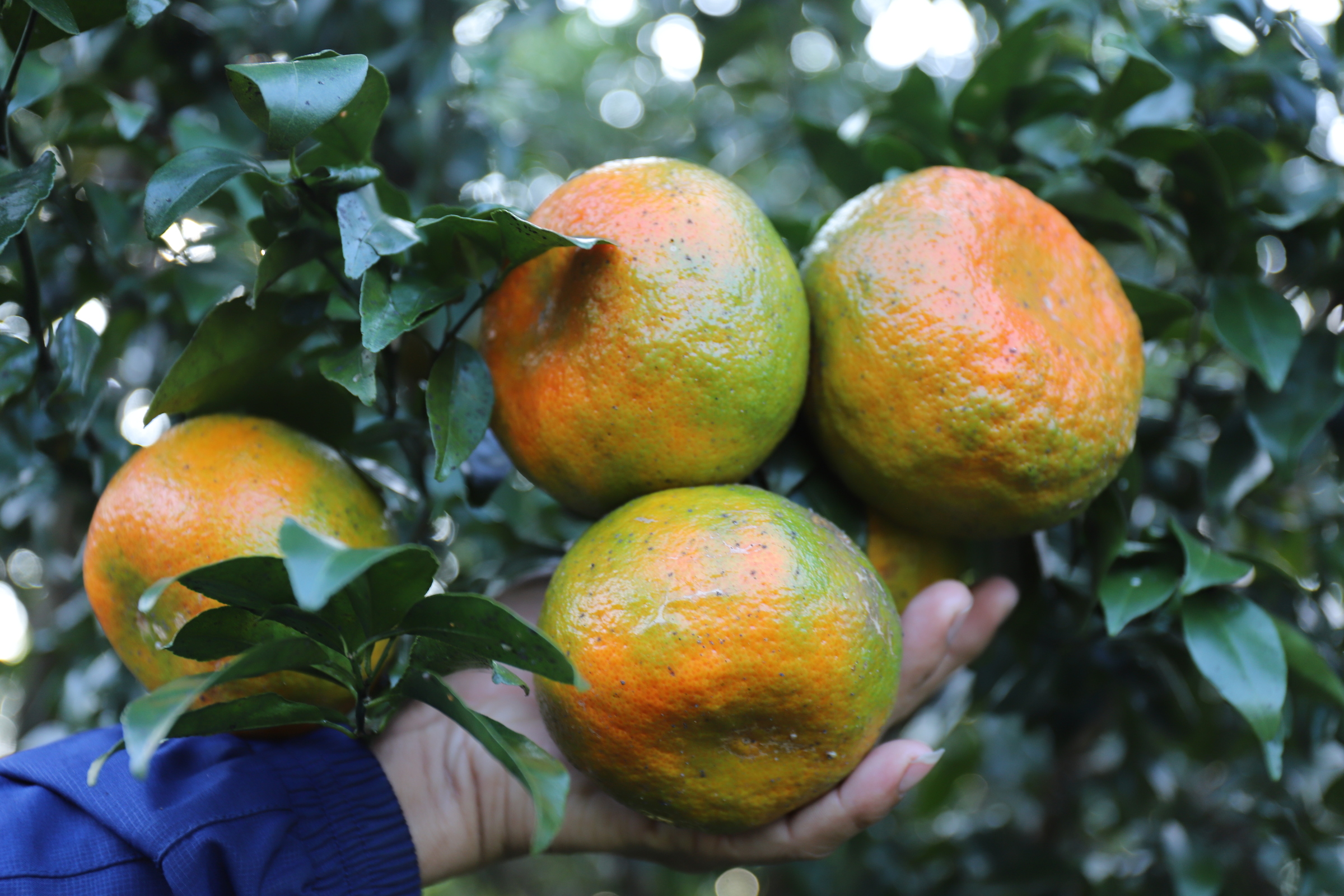 |
Tet is also the season for oranges and tangerines. Photo: Duc Hung |
Therefore, runners can consume fruit immediately after a training session to rehydrate, replenish micronutrients, and support recovery. Nutrition experts also advise eating whole fruits instead of juice to benefit from fiber and limit the intake of free sugars.
Lan Anh
The VnExpress Marathon Ho Chi Minh City Midnight takes place on 22/3, right after the Lunar New Year. Smart eating will provide runners with a good foundation to prepare for their early-year running goals. Interested runners can register here.