 |
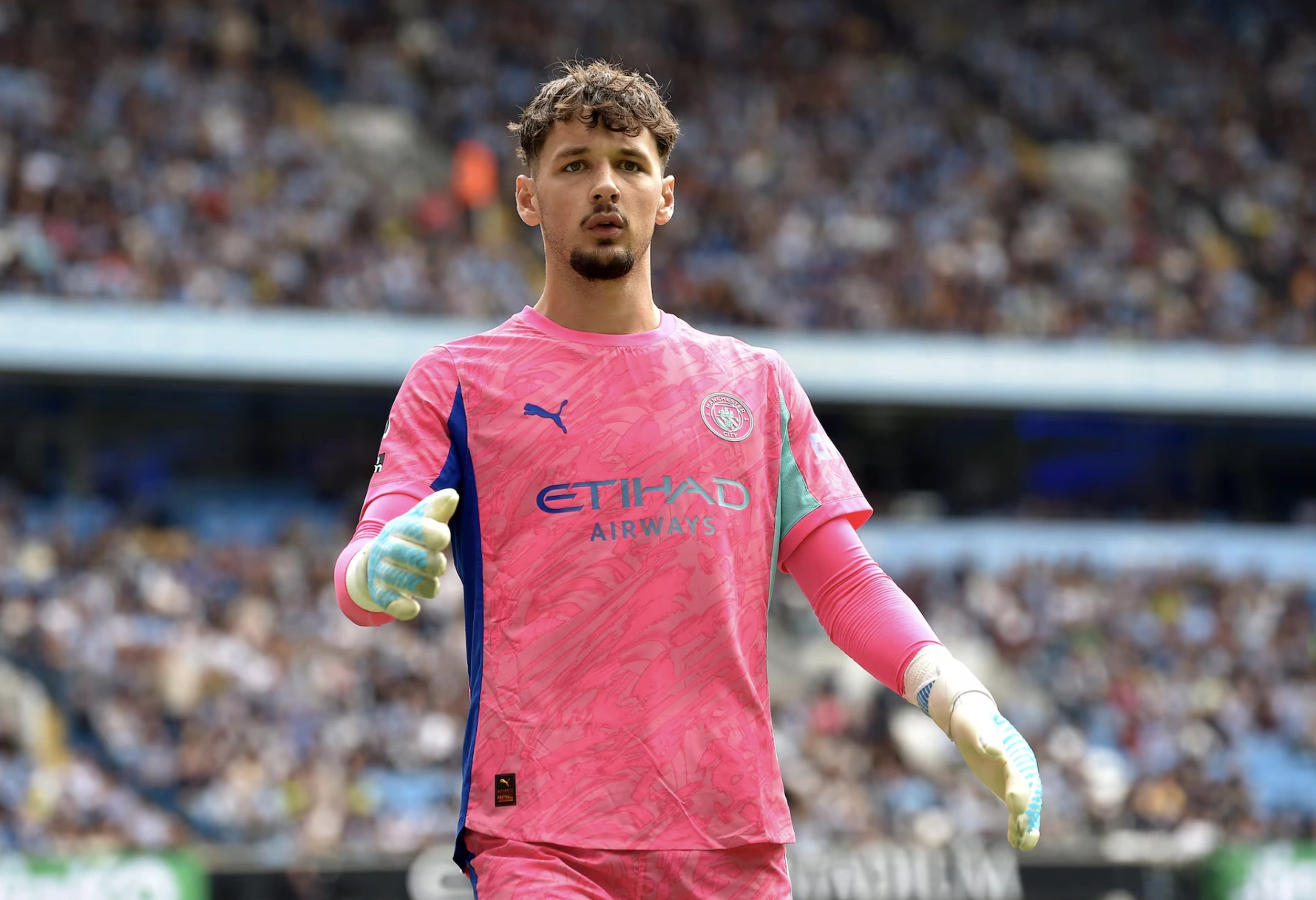
Goalkeeper James Trafford during the Manchester City versus Tottenham match in the Premier League at Etihad Stadium, Manchester, England on 23/8/2025. Photo: Reuters |
Leeds is set to break its club transfer record, having reached an agreement to sign James Trafford from Manchester City for 54 million USD. Leeds will also become the only Premier League club whose record transfer fee was paid for a goalkeeper.
This statistic is notable given the position's importance in modern football. Arsenal won the Premier League with a solid defense built around David Raya in goal. Spain clinched the World Cup with Unai Simon as their primary shot-stopper. Paris Saint-Germain also won the Champions League last season thanks to Matvey Safonov's surprising stellar performance.
However, goalkeepers' values in the transfer market still lag far behind other positions. To date, Kepa Arrizabalaga remains the most expensive goalkeeper in history, with Chelsea spending 92 million USD to activate his release clause from Athletic Bilbao in 2018. Alisson ranks second following his 90 million USD transfer from AS Roma to Liverpool in the same year.
Before these deals, the most prominent transfer was Juventus's 44 million USD acquisition of Gianluigi Buffon from Parma in 2001. Excluding inflation, Trafford would only be the fourth goalkeeper in history to command a transfer fee exceeding 54 million USD. The other is Andre Onana, who joined Manchester United for 59 million USD in 2023.
To illustrate the disparity, Trafford's fee would push Odysseas Vlachodimos, who joined Newcastle from Nottingham Forest for 27 million USD in 2024, out of the top 20 most expensive goalkeepers in history.
Meanwhile, transfers exceeding 100 million USD are no longer rare for forwards and midfielders. Harry Maguire remains the most expensive defender in history with a fee of 108 million USD when he joined Manchester United in 2019, but 19 other defenders have been transferred for 67 million USD or more.
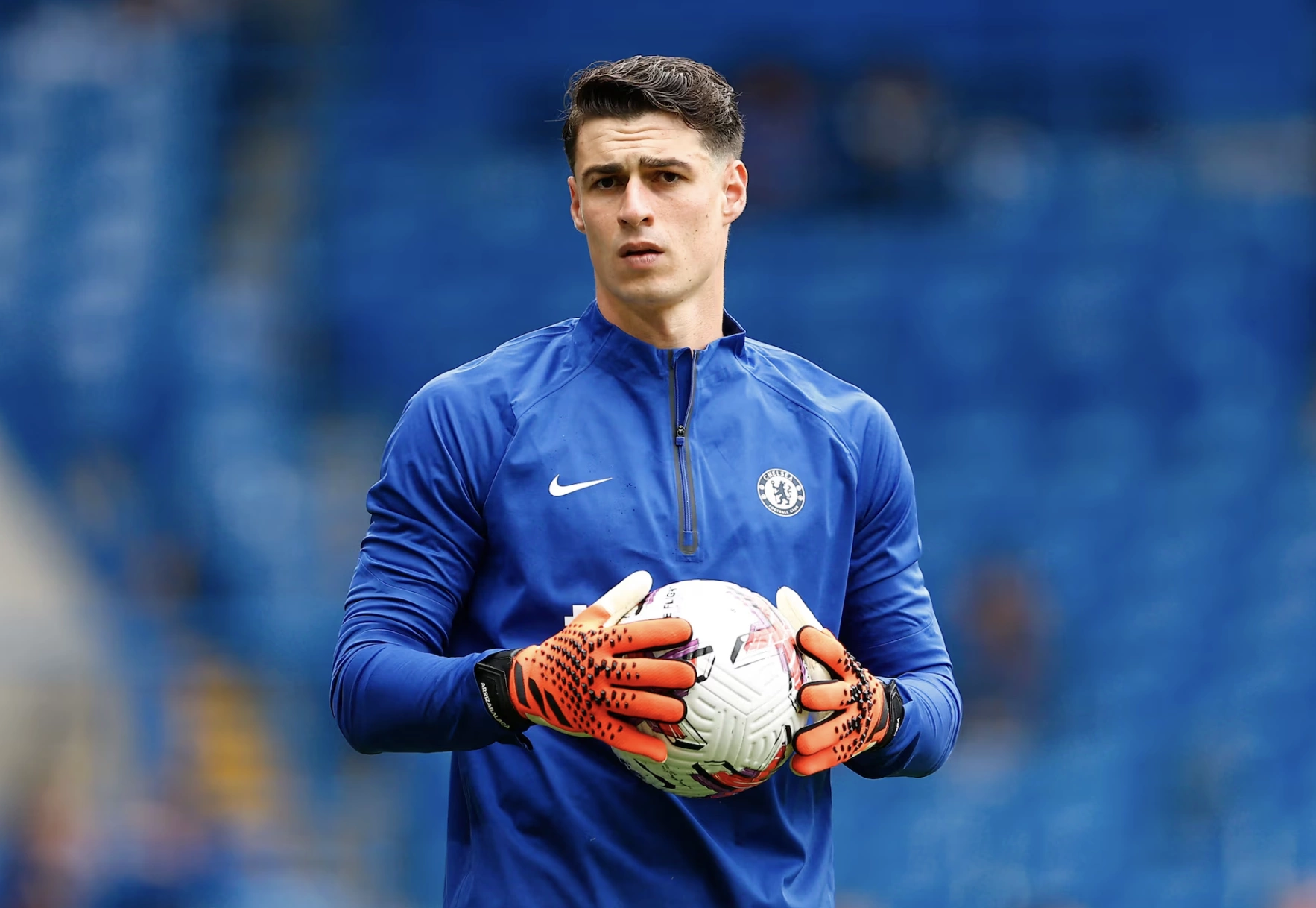 |
Goalkeeper Kepa Arrizabalaga warms up before the Chelsea versus Nottingham Forest match in the Premier League at Stamford Bridge, London, England on 13/5/2023. Photo: Reuters |
This gap raises the question: why are goalkeepers consistently "undervalued"?
Experts suggest the primary reason lies in how football has evaluated players for decades.
Forwards easily prove their worth through the number of goals they score. Their moments of brilliance also readily impress fans and club executives.
In his biography of coach Brian Clough, journalist Jonathan Wilson recounted that when Nottingham Forest spent 365,000 USD to buy goalkeeper Peter Shilton in 1977, many board members objected, arguing that "a player who only operates for about five minutes in an entire match is not worth such a significant investment."
This perspective reflects a common view for many years, where transfer decisions were primarily based on perception rather than professional data.
Today, clubs possess much more modern scouting and data analysis systems. However, according to Ian Graham, former Director of Research at Liverpool from 2012-2023 and author of "How to Win the Premier League," evaluating goalkeepers remains one of the most challenging problems.
He argues that data on shot-stopping ability is quite comprehensive, but many other important aspects are still not accurately recorded.
For example, traditional data providers often only record when a goalkeeper successfully catches the ball or makes a mistake in aerial situations, instead of noting whether they decide to rush out. To fully assess a goalkeeper's capabilities, clubs must use tracking data combined with complex analytical models, which not every team has the resources to implement.
According to Graham, this data gap leads many clubs to misjudge, resulting in failed transfers and making them more hesitant to spend large sums on this position.
He cites Liverpool as an example. The Merseyside club was one of the first to hire goalkeeper specialist Hans Leitert to build a dedicated data system. Leitert's analyses significantly contributed to Liverpool's decision to sign Alisson, who later became a key factor in helping the club win two Premier League titles and one Champions League.
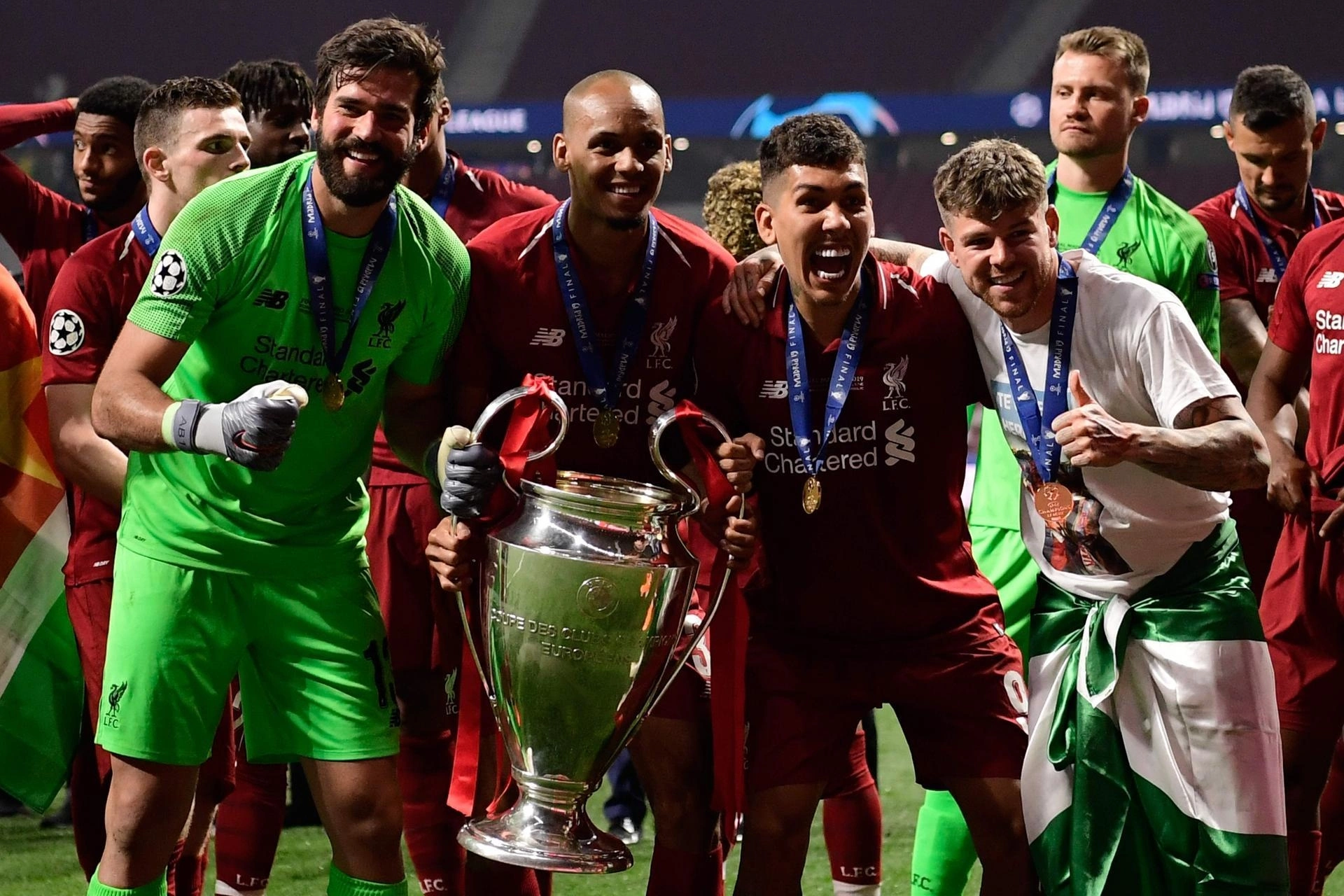 |
Alisson Becker celebrates the 2019 Champions League title with Liverpool players. Photo: AFP |
The goalkeeper transfer market operates differently
According to Devin Ozek, former Sports Director at Fenerbahce and involved in squad planning at Bayer Leverkusen, goalkeepers typically stay with a team longer than players in other positions.
"A good goalkeeper can perform consistently for 5-8 years. Therefore, clubs have ample time to prepare a replacement, rather than having to constantly buy players for attacking or midfield positions," he said.
Ian Graham agrees with this assessment. He notes that major teams almost always need to add forwards or midfielders each season, but only need to find a new number one goalkeeper about every five years if the current one meets requirements.
This is also why most clubs do not invest heavily in backup goalkeepers. Unlike other positions where competition is seen as a positive factor, goalkeepers require stability and absolute trust. Excessive rotation often negatively impacts performance. This is another factor contributing to a quieter goalkeeper market, as Ozek observed.
A scout from a Premier League club suggests the market is also influenced by the law of supply and demand.
"The number of truly world-class goalkeepers a club would be willing to spend a huge amount on is currently fewer than 10. Most are starting for top teams and have almost no reason to leave. Gianluigi Donnarumma is a rare case who has been available for transfer recently," he said.
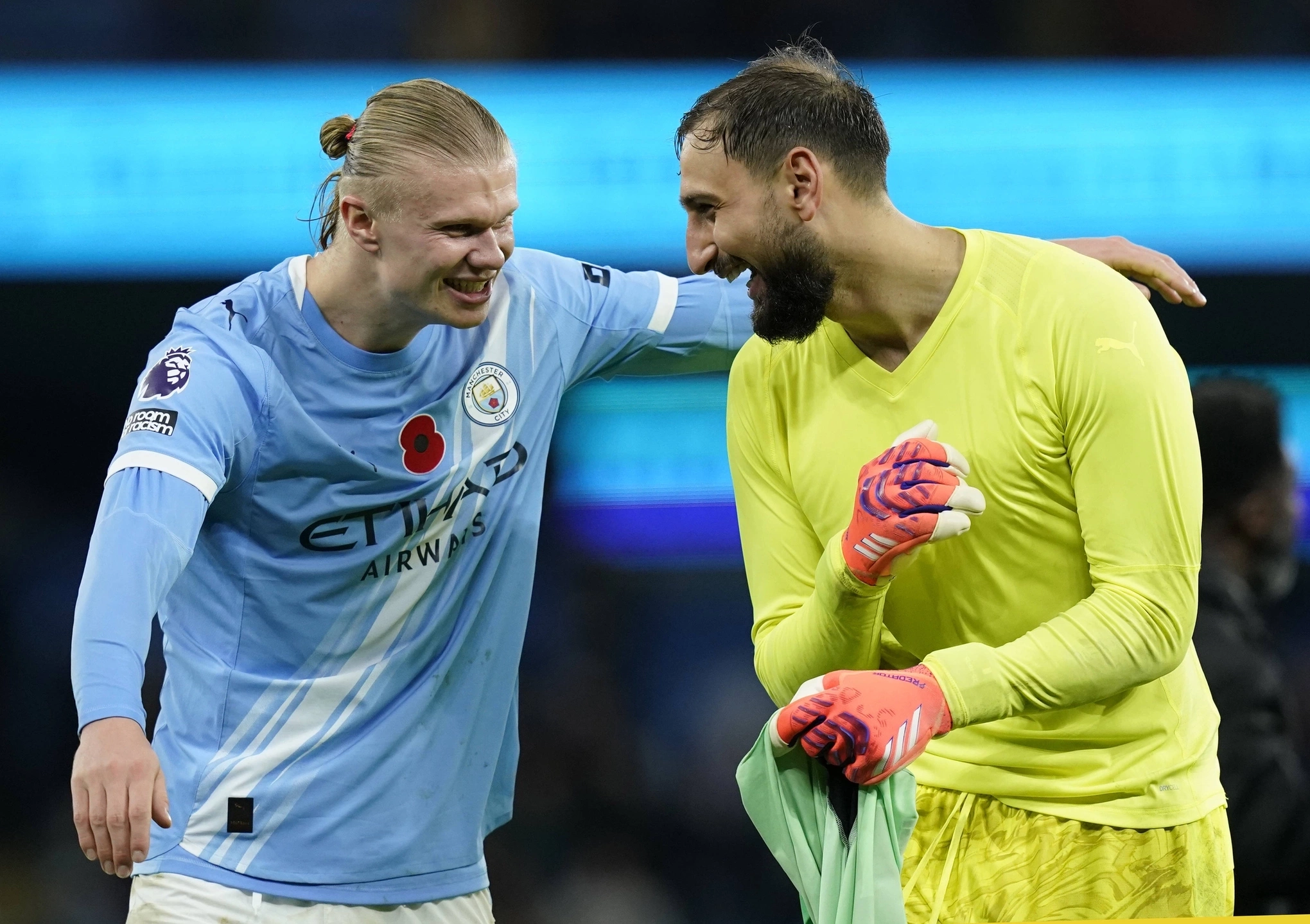 |
Goalkeeper Donnarumma (right) celebrates with forward Haaland after Manchester City defeated Liverpool 3-0 at Etihad Stadium, Manchester, in Premier League matchday 11 on 9/11/2025. Photo: Reuters |
When excellent goalkeepers rarely appear on the market, blockbuster transfers also become infrequent.
From a youth development perspective, the supply is also not abundant. Most young players dream of becoming goal-scorers rather than shot-stoppers. Furthermore, the goalkeeper position demands specific physique and inherent qualities, further narrowing the pool of suitable talents.
In modern football, goalkeepers not only protect the goal but also participate in ball distribution, breaking pressing systems, and initiating counter-attacks. Their role is increasingly expanding and directly influences the team's overall playing style. However, the transfer market has yet to fully reflect that value.
Few would deny that a goalkeeper is an indispensable link in a team's success. Yet, how much they are truly worth and how much clubs should spend on this position remains an unresolved question.
Hong Duy compiled