Normal blood pressure is below 120/80 mmHg. An acute hypertensive crisis occurs when blood pressure suddenly rises above 180/120 mmHg.
Doctor Huynh Thanh Kieu, Head of Cardiology Department 1 at the Heart Center, Tam Anh General Hospital, Ho Chi Minh City, notes that while those with existing high blood pressure may experience acute hypertensive crises, the condition can also affect individuals with no prior history of blood pressure problems.
Medical professionals categorize acute hypertension into two primary types: hypertensive urgency and hypertensive emergency. Hypertensive urgency involves very high blood pressure without signs of target organ damage. In contrast, a hypertensive emergency features severely elevated blood pressure that causes damage to organs such as the heart, eyes, brain, kidneys, or aorta.
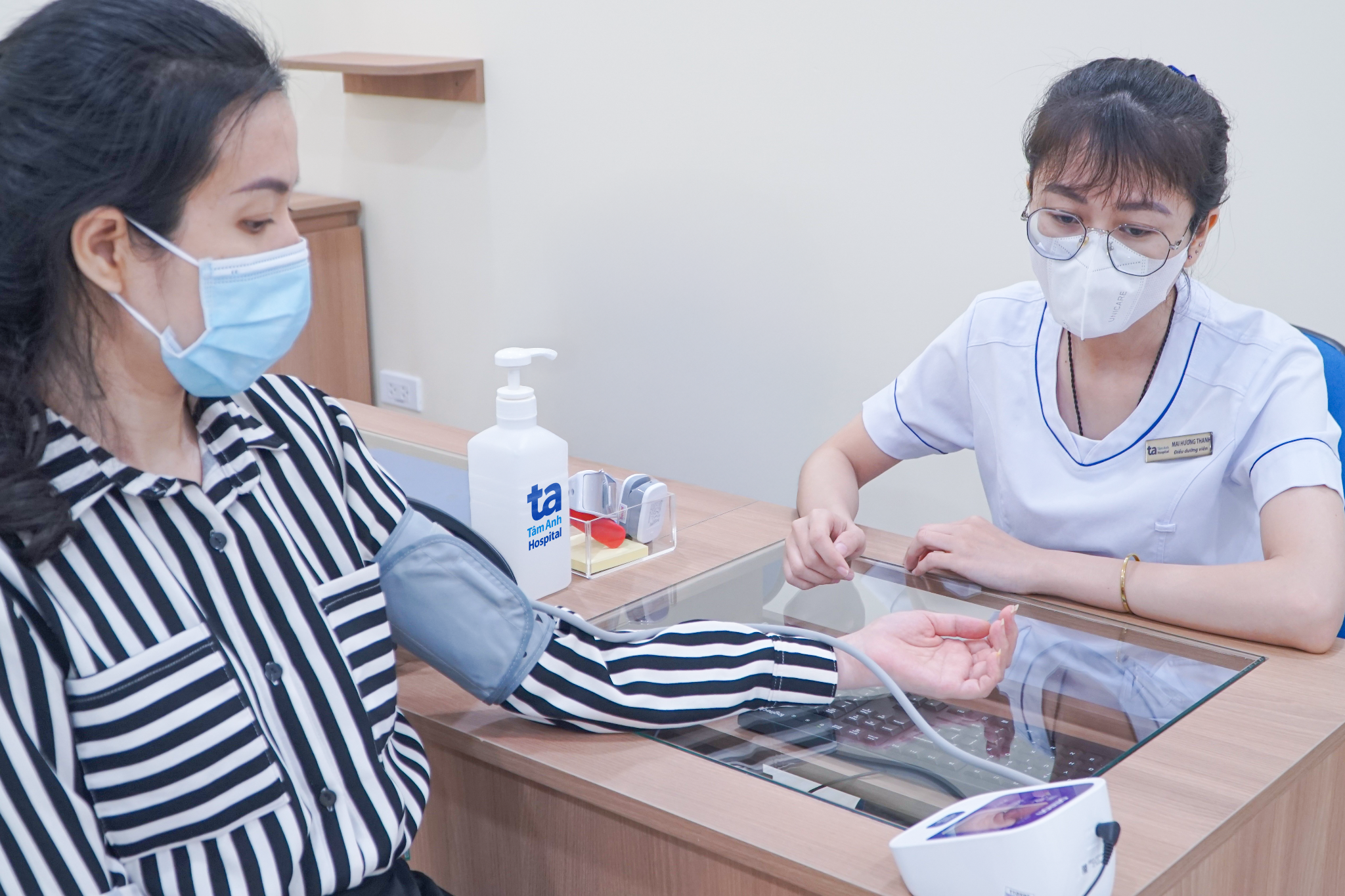 |
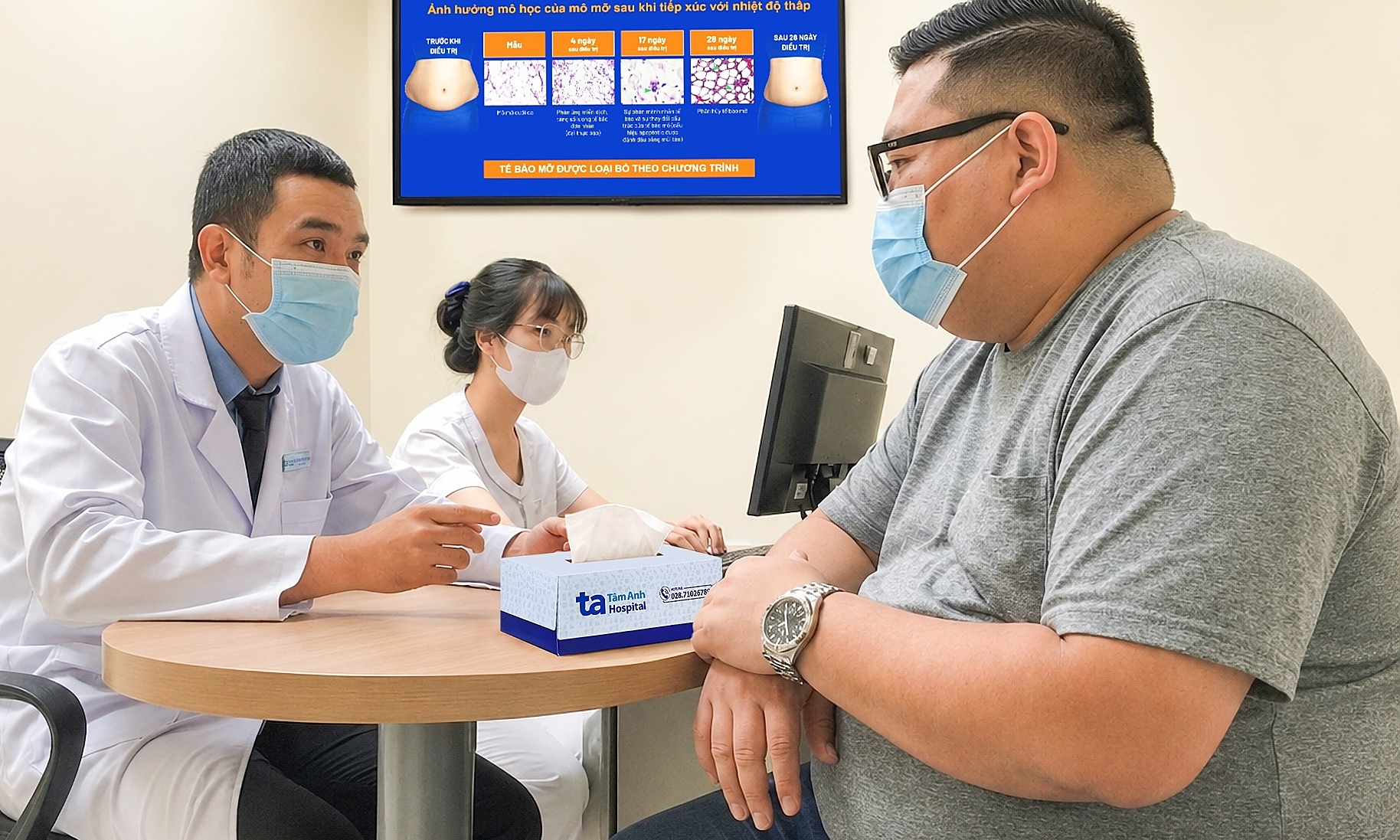
Regular blood pressure checks allow for timely treatment if hypertension is detected. Photo: Tam Anh General Hospital. |
Hypertensive urgency often presents without symptoms, making blood pressure measurement the only way to detect it. Some individuals may experience restlessness, dizziness, mild headaches, nosebleeds, or shortness of breath. Doctor Kieu recounts treating many patients with no history of hypertension and no apparent symptoms, whose systolic blood pressure (the top number) was found to be over 200 mmHg upon measurement.
Patients experiencing a hypertensive emergency may present with chest pain, dizziness, shortness of breath, palpitations, reduced urination, seizures, or severe headaches. In severe cases, stroke-like symptoms can occur, including facial drooping, slurred speech, limb weakness, and vision changes such as eye pain, vision loss, or blurred vision.
A primary cause of acute hypertension is inconsistent medication use, where patients either do not take the correct dosage or stop their medication without medical advice.
Other contributing factors include kidney disease, endocrine disorders, excessive anxiety or panic, high sodium intake, substance abuse, head injuries, and brain tumors. Additionally, certain medications for other conditions, such as steroids, antidepressants, and some cold remedies, can increase risk. The likelihood of acute hypertension is higher in individuals with a body mass index (BMI) of 30 or greater, men, those who do not take blood pressure medication regularly, and those who use non-prescribed drugs.
A hypertensive emergency can cause severe internal organ damage, including sudden heart function decline, fluid accumulation in the lungs leading to acute pulmonary edema, abrupt loss of kidney function, and bleeding around the brain. Patients showing these signs require immediate emergency medical attention. Doctors will administer oral or intravenous antihypertensive drugs to safely lower blood pressure. The specific treatment plan depends on the affected organs and the severity of the damage.
After treatment, continuous blood pressure monitoring is crucial to prevent re-hospitalization. Maintaining an ideal weight, avoiding overweight and obesity, controlling sodium intake, limiting alcohol, following a heart-healthy diet, regular exercise, and quitting smoking are essential. Patients with diabetes, dyslipidemia, or chronic kidney disease must also ensure their underlying conditions are stably managed.
Doctor Kieu advises individuals with risk factors to monitor their blood pressure regularly at home. He cautions against self-diagnosing or taking over-the-counter painkillers, headache remedies, or vestibular disorder medications, as this can delay proper treatment. Healthy individuals should also undergo periodic blood pressure checks to detect any abnormalities early and allow for timely intervention.
Thu Ha
| Readers can submit cardiology questions here for doctors to answer |