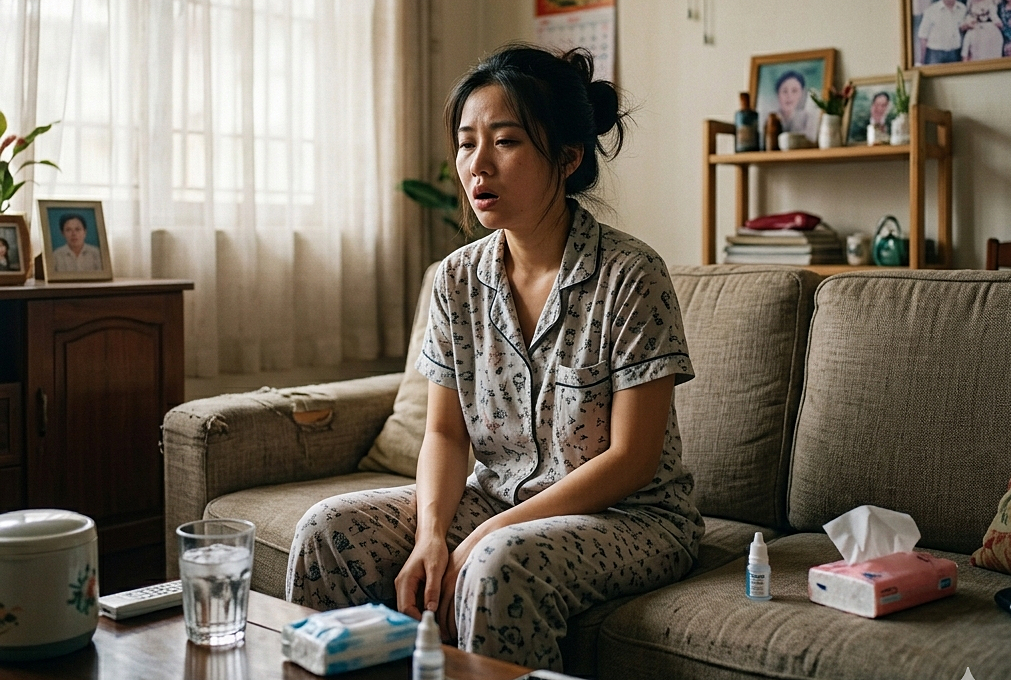
Hypertension (high blood pressure) is often called the "silent killer" because many cases show no clear symptoms until the condition becomes severe.
The World Health Organization (WHO) estimated that by 2024, approximately 1.4 billion adults aged 30-79 globally would have hypertension, accounting for about 33% of the population in this age group. However, less than one-fifth are adequately controlled. Below are some less common signs that may indicate this condition.
Frequent urination
Frequent urination, especially at night, can be linked to hypertension. Studies show that individuals who frequently urinate at night have a higher risk of developing hypertension. It can also be an early sign of metabolic disorders like diabetes.
Chest pain
Elevated blood pressure forces the heart to work harder, which can cause chest pain or tightness. This symptom requires attention as it may relate to heart disease, angina, or a heart attack. If prolonged, this condition can lead to severe complications.
Swollen ankles
Chronic high blood pressure reduces the heart's pumping efficiency, leading to fluid accumulation in the lower body, especially the ankles. This is a common complication in individuals with chronic hypertension.
Dizziness
Individuals with hypertension may experience dizziness or lightheadedness. This symptom is common in older adults with the condition and can affect balance.
Vision problems
Hypertension can damage blood vessels in the eyes, causing blurred vision or dark spots. Severe cases can result in double vision, headaches, or even vision loss if left uncontrolled.
According to the WHO, modifiable risk factors include: an unhealthy diet (excessive salt intake, high saturated and trans fats, low fruit and vegetable consumption), physical inactivity, tobacco use, alcohol consumption, and being overweight or obese. Additionally, environmental factors like air pollution also contribute to an increased risk of hypertension and related diseases.
Non-modifiable risk factors include: a family history of hypertension, age over 65, and co-existing conditions such as diabetes or kidney disease. Experts recommend that everyone, especially those over 40, should have their blood pressure checked at least once a year. Individuals with co-existing conditions like diabetes or kidney disease require regular monitoring as advised by healthcare providers.
Bao Bao (According to *Times of India*)