 |
Beyond its renowned street food, Hanoi is developing diverse restaurant models across various price segments.
According to journalist Jovel Chan, who specializes in Vietnamese cuisine, the markets in TP HCM and Hanoi have seen a rise in high-end restaurant spaces alongside traditional street food stalls over the past three to five years.
"Chefs often draw inspiration directly from family recipes and neighborhood dishes. As a result, high-end restaurants here offer a more authentic and less formulaic experience compared to cities like Singapore or Bangkok, which have a high density of upscale dining establishments," Chan stated.
The following are seven restaurants in Hanoi that showcase the diversity of the city's culinary landscape.
Photo: Giang Huy.
 |
Gia
Chef Sam Tran built her culinary career in Melbourne in the late 2010s, initially hoping to open a restaurant there. However, when the Covid-19 pandemic erupted, she was in Vietnam and unable to leave. Undeterred, she opened Gia in Hanoi, and three years later, she became the first recipient of the Young Chef award from Michelin Guide Vietnam.
Gia, meaning "family," introduces lesser-known Vietnamese dishes, such as a creative take on thit dong (jellied pork) served as an appetizer, or braised eel with rice. The menu changes quarterly, and ingredients are sourced from various provinces across Vietnam.
"We previously used some imported ingredients, but customers expressed a desire to try Vietnamese dishes made from local produce. So, I focused on incorporating indigenous ingredients throughout my entire menu," she explained. Photo: Giang Huy
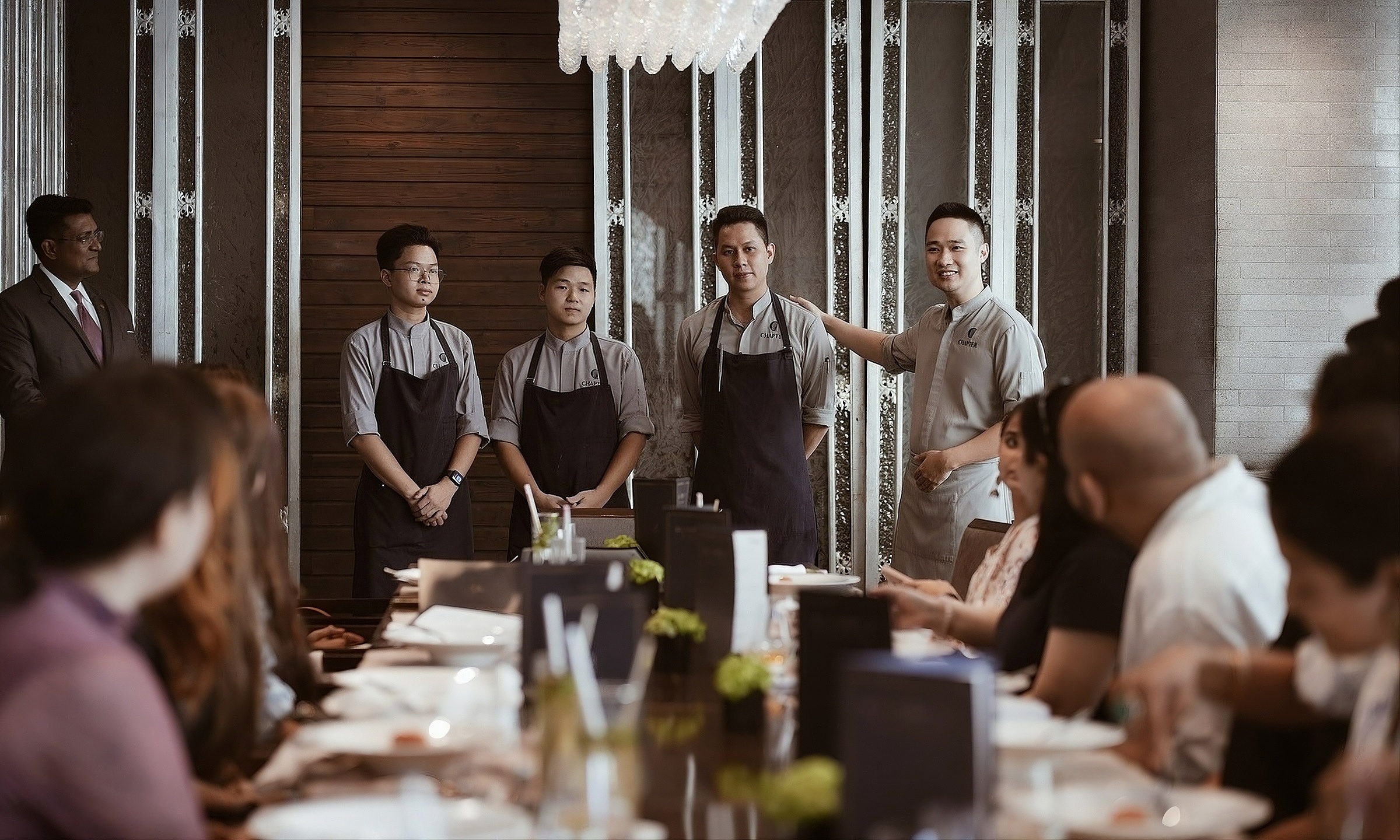 |
Chapter Dining
Chef Quang Dung's parents initially guided him toward a career in finance to become a banker, but his passion for cuisine led him in a different direction. After working in kitchens in the UK and Vietnam, he established Chapter Dining in Hanoi's Old Quarter in 2021, marking a new chapter in his life.
The restaurant offers a tasting menu focusing on Northern Vietnamese cuisine, sourcing ingredients from local farmers. The current menu draws inspiration from the open hearths found in stilt houses in the northern highlands. Each dish comes with a story about its ingredients or inspiration. Dishes include pho with egg yolk and chicken feet, or corn served with smoked Northwest-style sausage and French Comte cheese. Photo: Chapter.hanoi
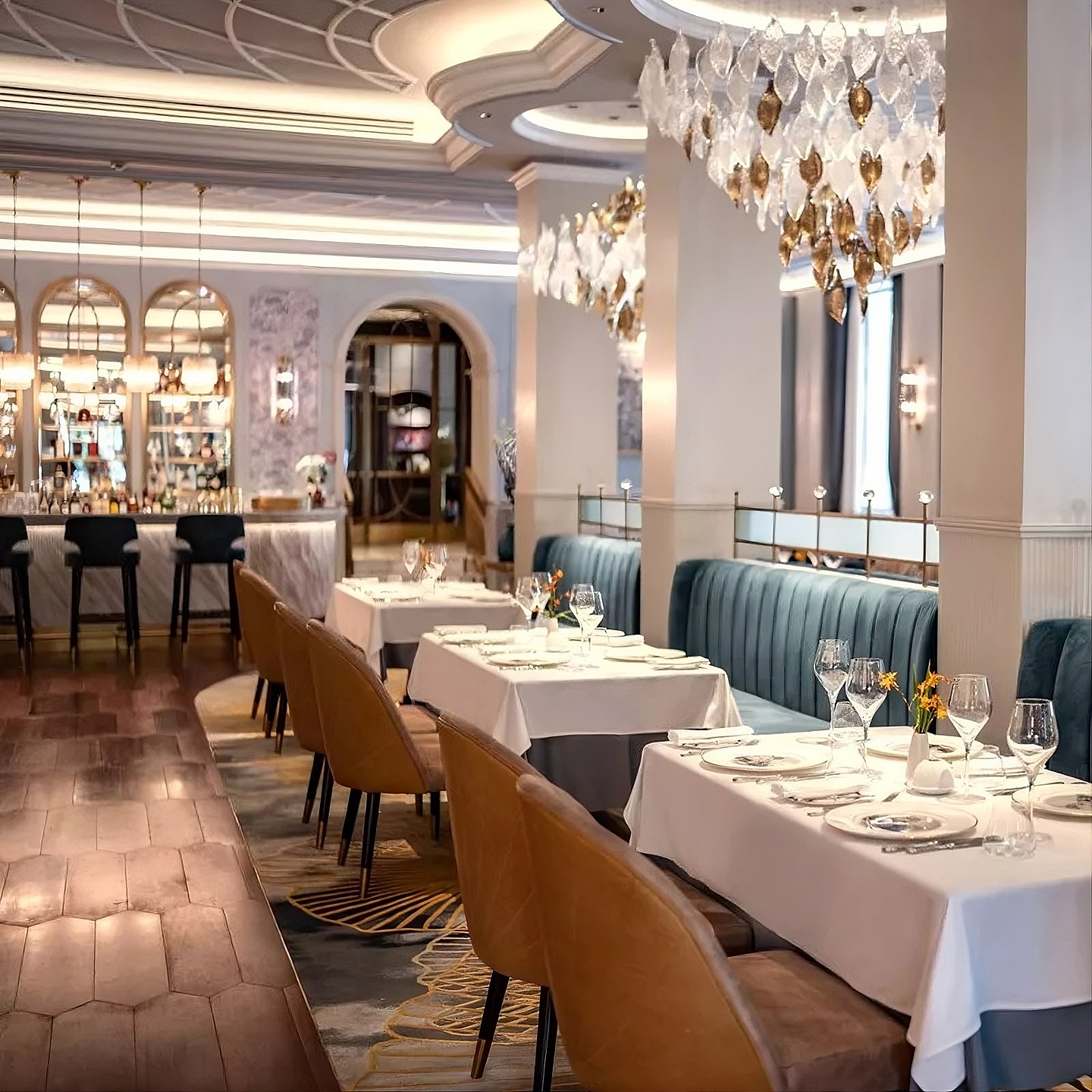 |
Le Beaulieu
The Sofitel Legend Metropole Hanoi hotel has maintained a French restaurant on its premises since its opening in 1901, and Le Beaulieu continues that legacy. Chef Charles Degrendele noted that the a la carte menu retains a traditional style with classic French dishes like lobster bisque or beef Rossini.
For the tasting menu, they offer a modern fusion of classic French dishes with Vietnamese flavors. The restaurant's spring tasting menu is inspired by various honeys harvested from different regions of Vietnam. These are used in dishes such as langoustine salad with Lao Cai mint honey from the Northwest and desserts featuring Dak Lak honey. Photo: Michelin Guide
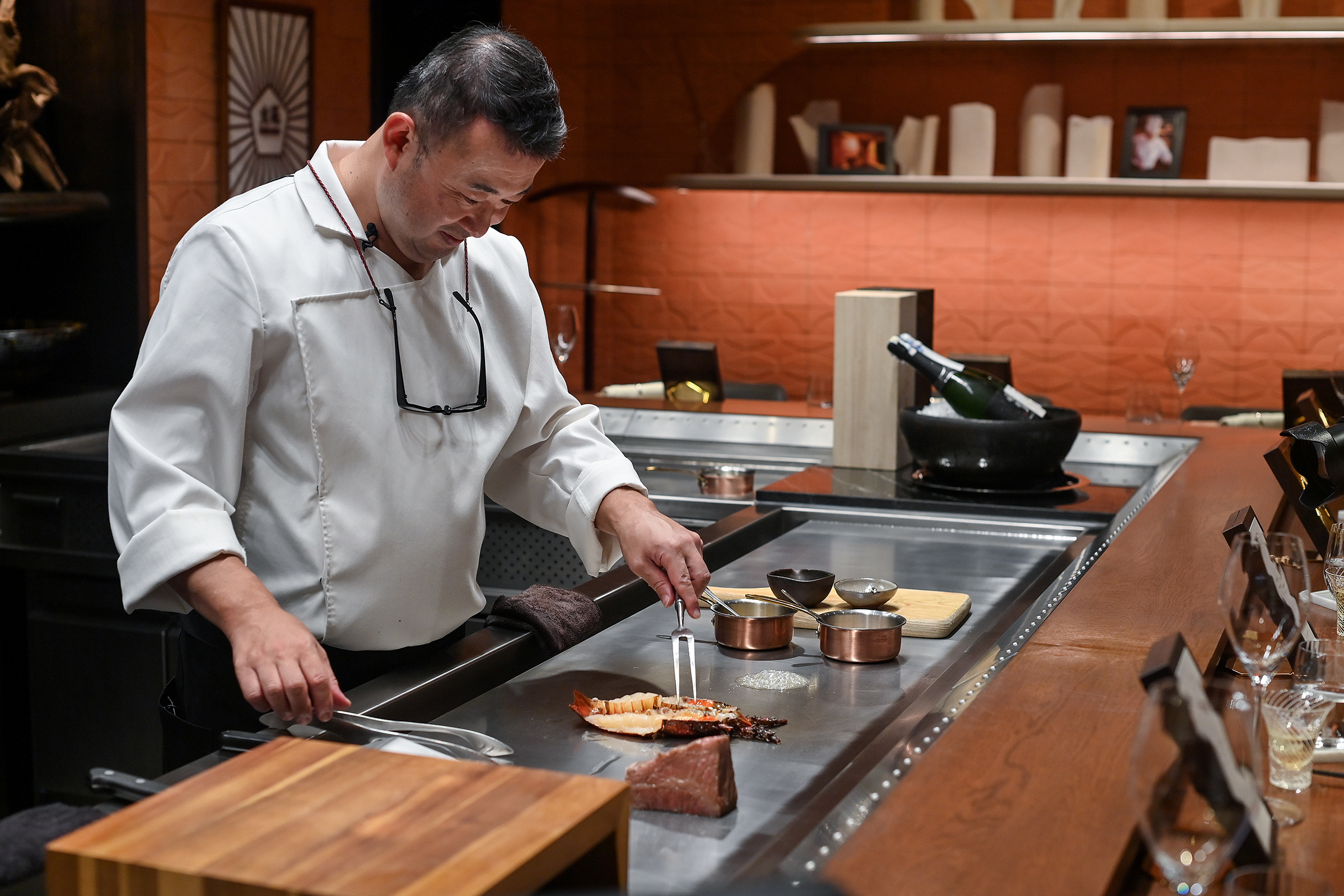 |
Hibana by Koki
The intimate 14-seat setting at Hibana by Koki, the only Japanese restaurant in Vietnam to earn a Michelin star, allows diners to focus entirely on the food.
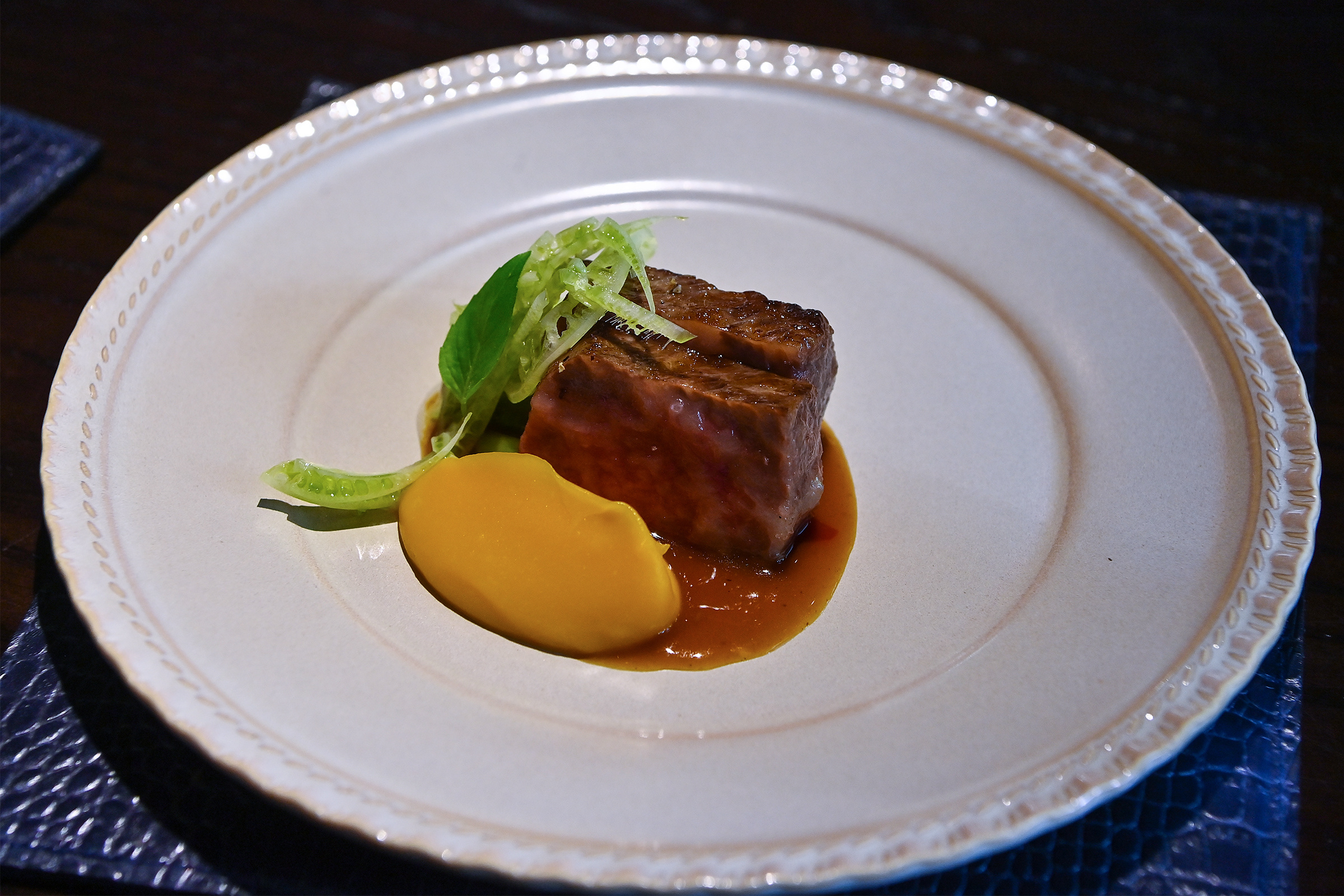
Chef Yamaguchi Hiroshi personally prepares dishes on the teppanyaki grill using premium ingredients like bluefin tuna and lobster flown in from Japan. The chef highlights Yaeyama Kyori beef from Japan's Okinawa islands, a lesser-known variety compared to Kobe wagyu. He pan-sears the meat on the teppan and finishes it over charcoal. Other highlights of the spring tasting menu include teppanyaki-grilled grouper with fresh seaweed lemon butter sauce and sakura sea bream sashimi topped with caviar. Photo: Giang Huy
 |
Jumarc
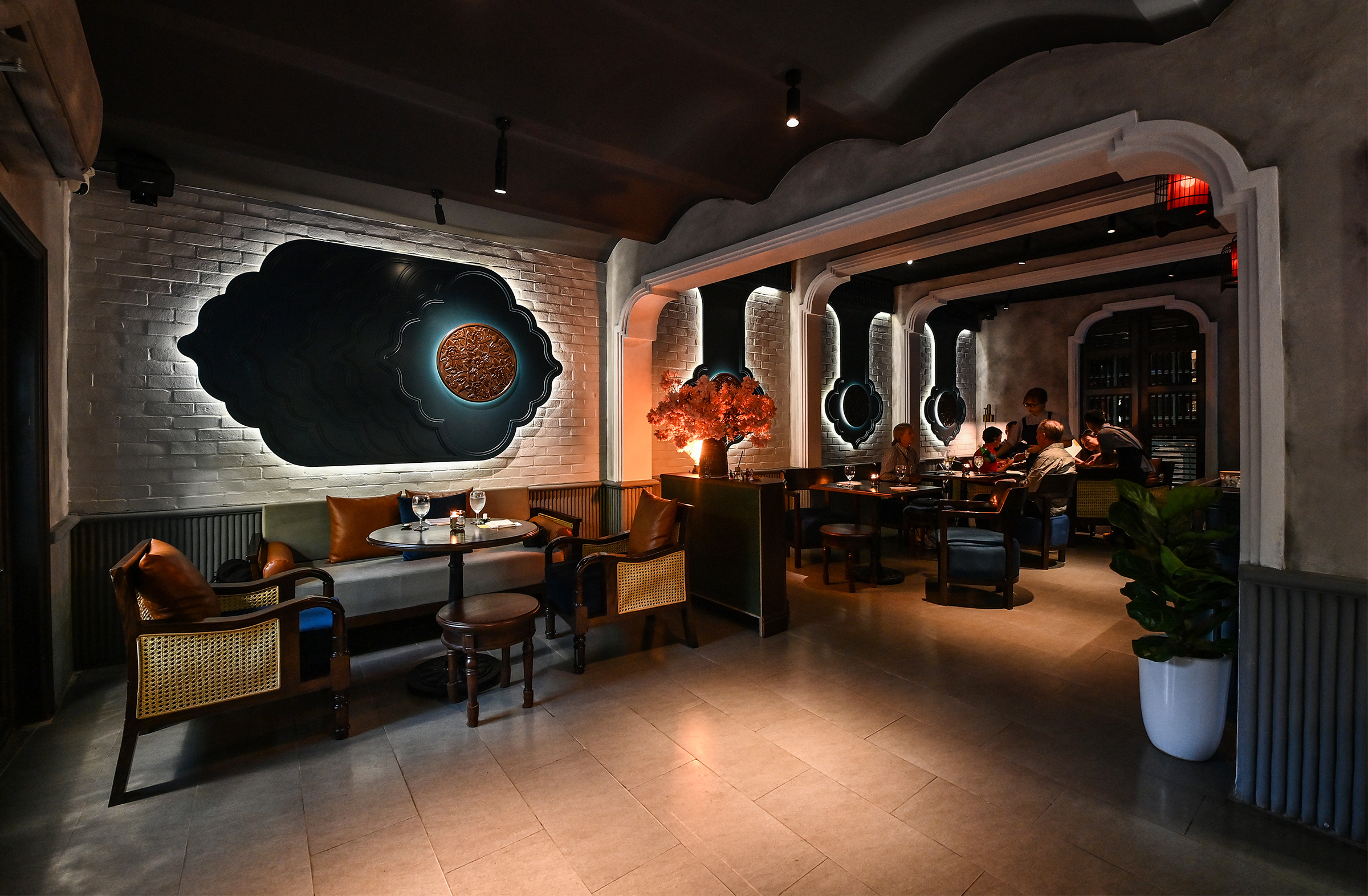
Located opposite Trang Tien Plaza, Jumarc is a modern Korean restaurant and wine bar. Abstract artworks adorn the walls, alongside a whiteboard featuring handwritten messages for diners to read while awaiting their meals.
The menu presents a collection of Korean-inspired fusion dishes, such as creamy lobster tteokbokki with grilled shrimp, truffle dumplings in ginseng chicken soup, or a creative yukhoe (Korean beef tartare) topped with pear and egg yolk. Photo: Tripadvisor
 |
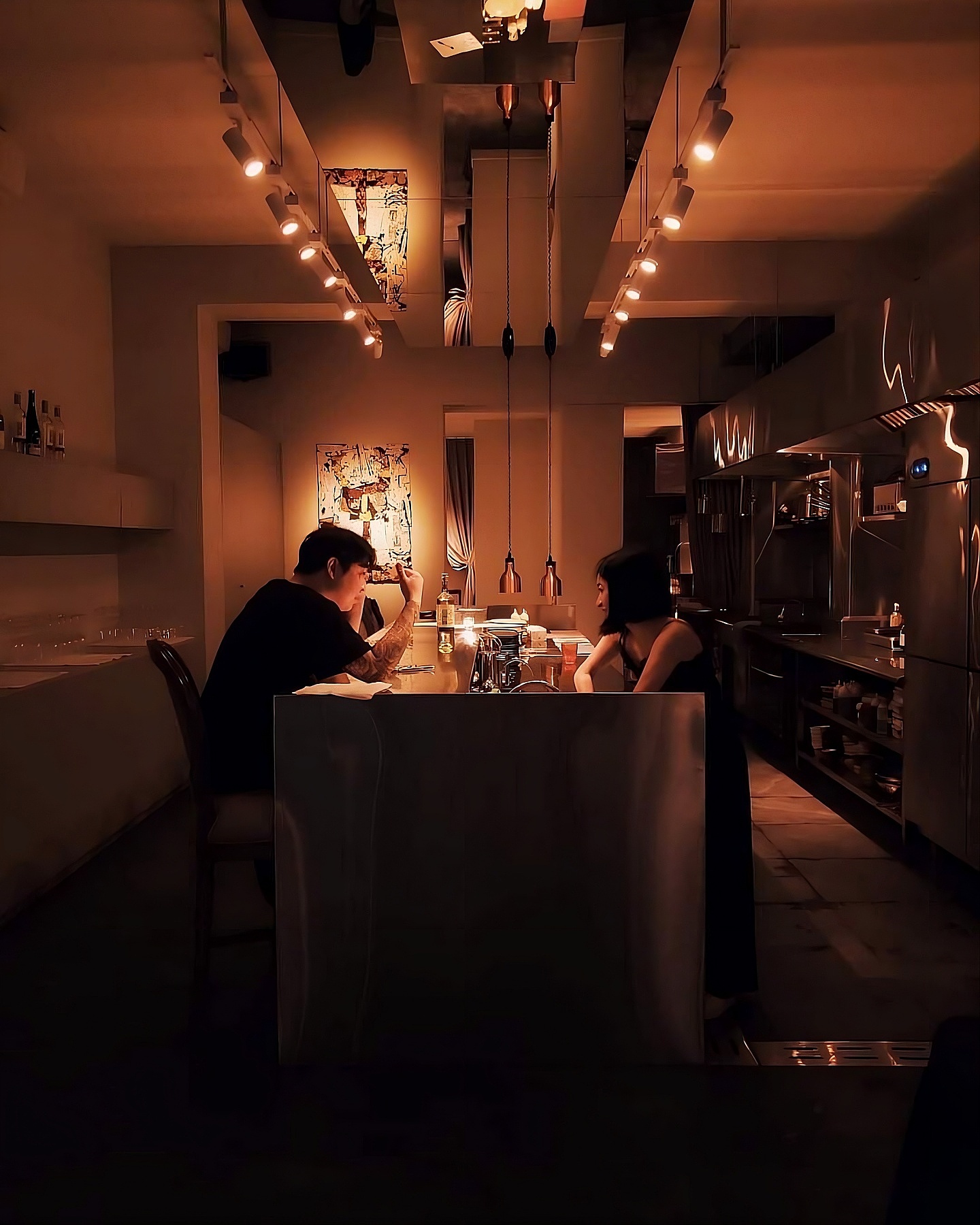
Etesia
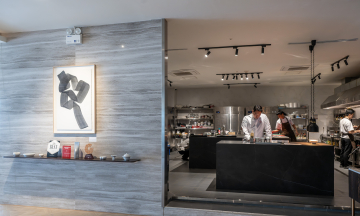
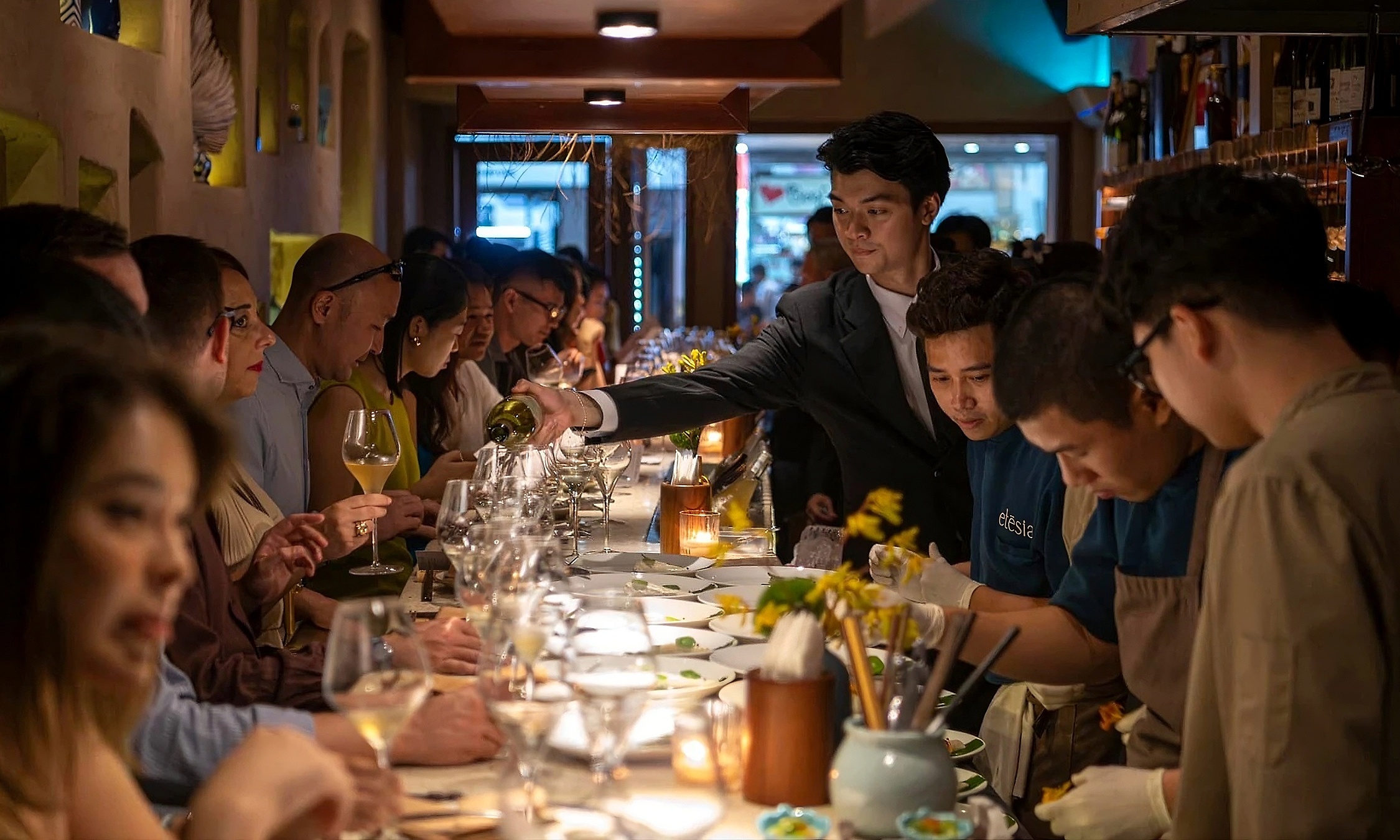
Long counter kitchens are a common design in Hanoi restaurants, and at Etesia, the 18-seat kitchen counter is where live cooking demonstrations take place. Chef Hoang Minh's menu draws inspiration from the Mediterranean region with dishes like beef tartare with moc butter and physalis, offering a light acidity, or Sicilian-style Italian pasta.
Asian culinary influences are evident in dishes such as octopus with kimchi sauce or lobster with Goan spices served with lobster rice cooked in coconut milk. Photo: Etesia
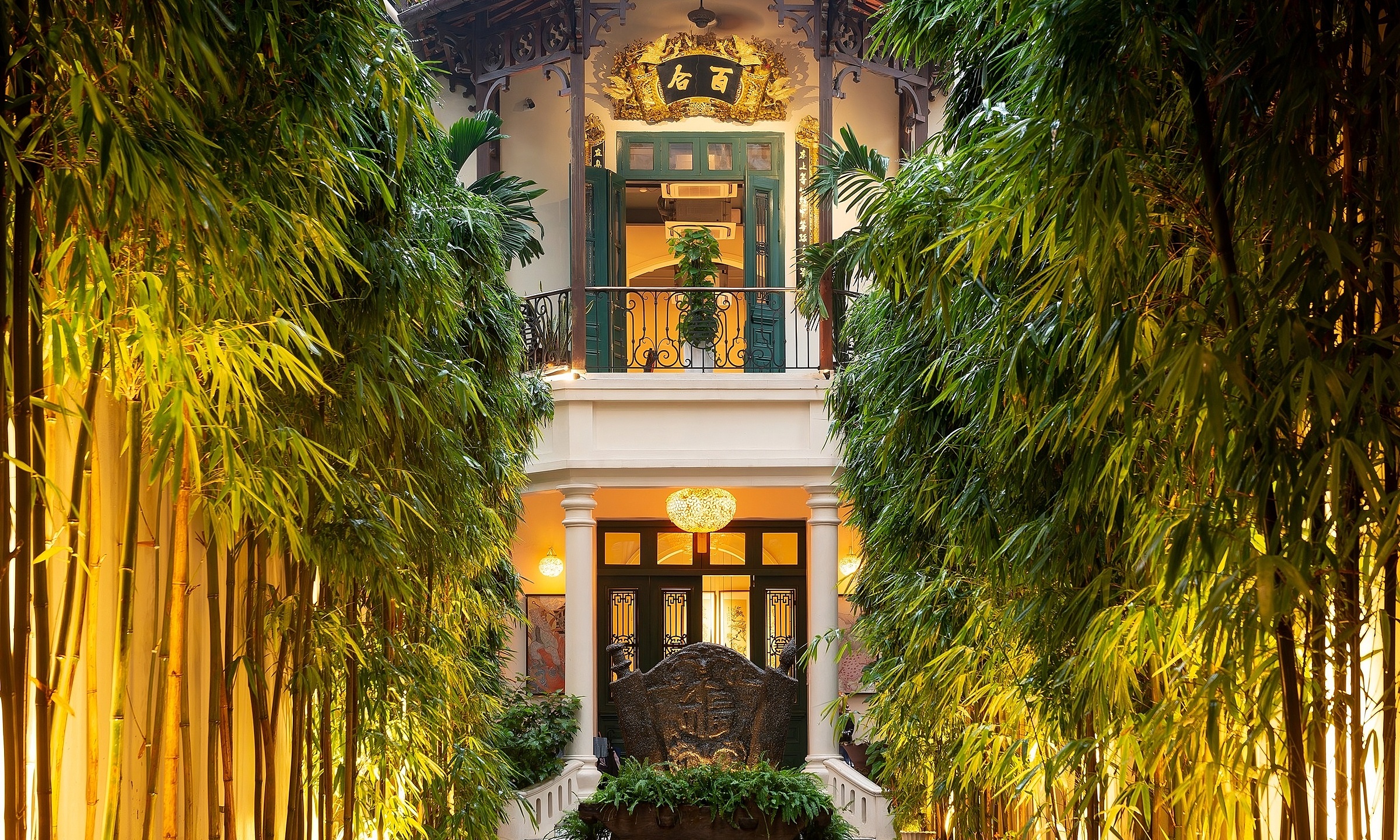 |
Cha Ca Thang Long
Despite having three branches on the same street, the family-run Cha Ca Thang Long restaurant sometimes sees customers queuing. All three establishments serve cha ca, a dish made from lightly grilled ca lang (hemibagrus fish), marinated in turmeric, galangal, and shrimp paste. The dish is stir-fried directly at the table in a deep pan, served with generous amounts of spring onions and dill, along with side dishes including vermicelli noodles and fried spring rolls. Photo: Chacathanglong