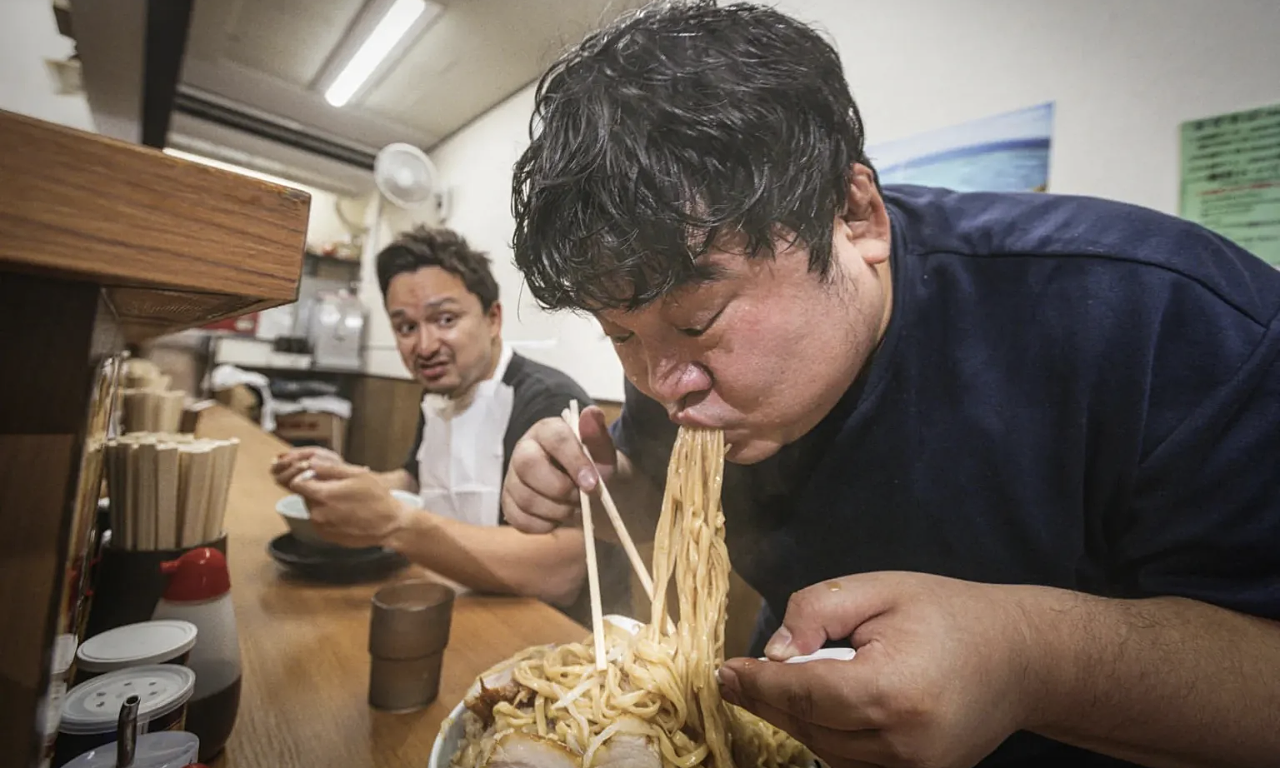
Frequent flyers note that choosing the wrong seat can ruin a trip, leading to constant disturbances, missed meals, or difficulty finding a comfortable position.
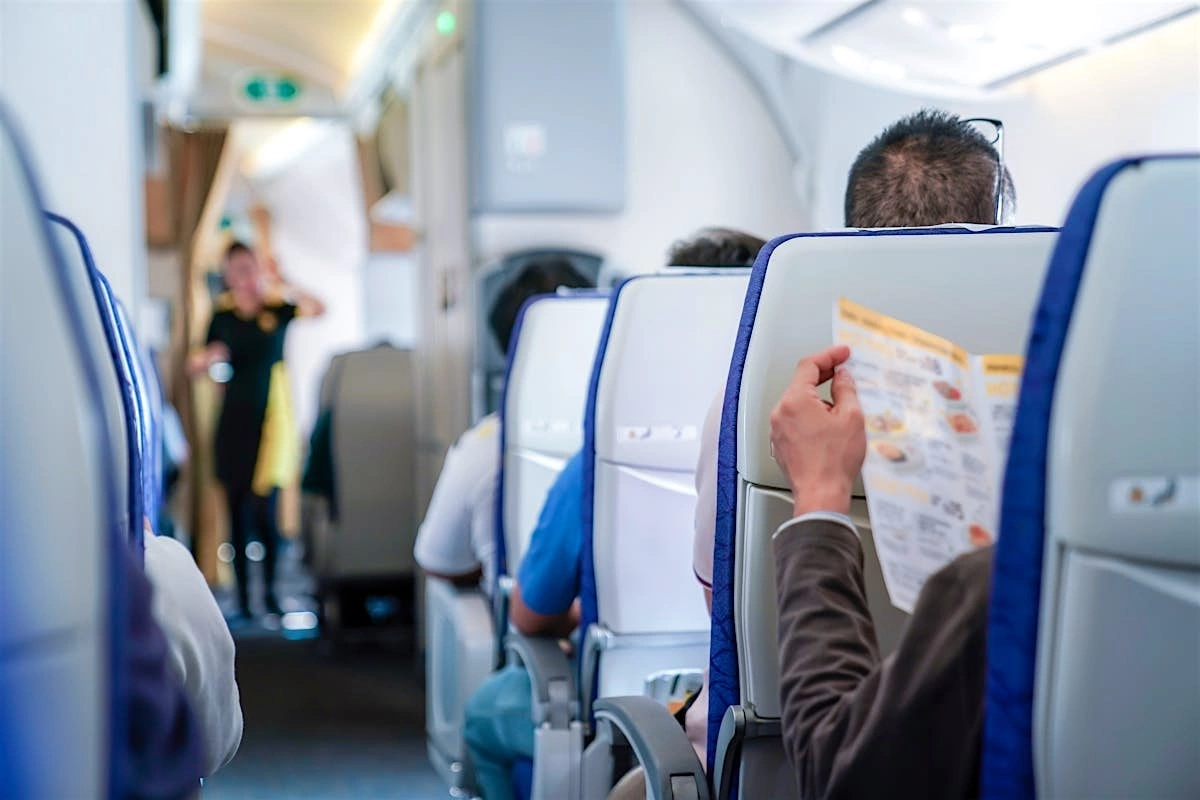 |
Seat layout in a narrow-body aircraft with one aisle. *Photo: Lonely Planet* |
Middle rows
American travel experts advise avoiding the two window seats in the middle rows (typically seats A and F or K). On narrow-body aircraft with one aisle, there are usually 30-45 rows.
Wide-body aircraft have two aisles and may have over 50 rows. Passengers can refer to the seat map for their specific aircraft type to choose an appropriate location.
Andrea Platania, a travel expert at Transfeero, a US and European-based airport transfer platform, states that flight attendants typically serve meals from both ends of the aircraft. Passengers in the middle rows might find their preferred meal or drink is unavailable by the time service reaches them.
For example, airplane meals often offer two options like pasta and rice, or chicken rice and beef rice. If passengers at both ends of the plane choose chicken rice, those in the middle rows might only have beef rice as an option.
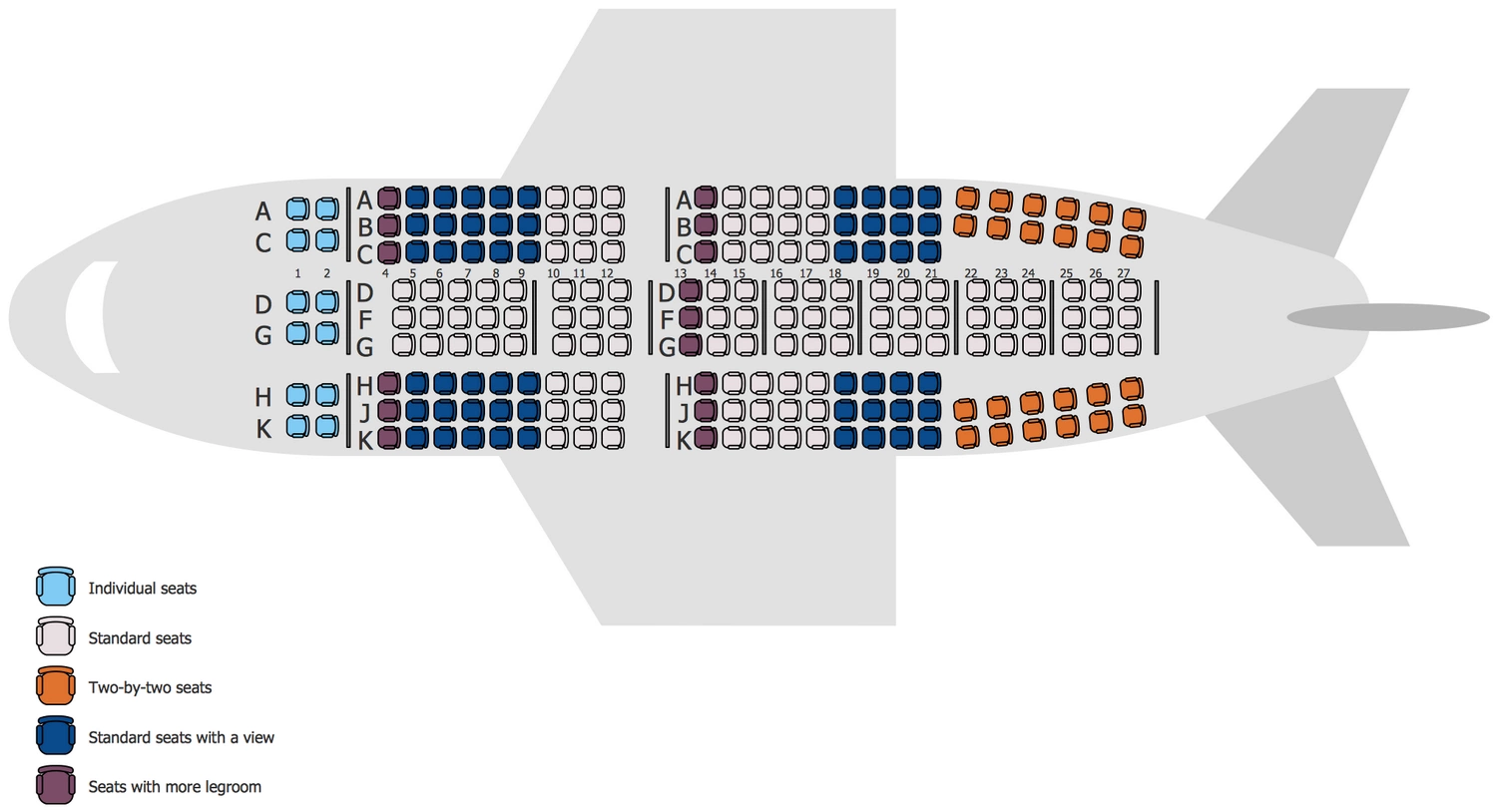 |
Seat map on a wide-body aircraft flight. *Photo: Concept draw* |
These two seats are often far from restrooms and close to the window. Consequently, leaving your seat requires passing two other passengers, which is considered "quite inconvenient" due to constant disturbances.
"Theoretically, these two seats aren't bad, but in practice, they are the least convenient," Andrea said.
Middle-row seats also often align with the aircraft's wings, resulting in a more restricted view compared to other window seats.
Last row seats
This row is near the lavatories, causing issues like unpleasant odors and constant passenger traffic, which reduces privacy for those seated there.
"It feels like sitting in a hallway instead of your own space," Andrea added.
The last row seats often back against the aircraft wall, offering no recline or only a slight recline, forcing passengers to sit upright throughout the flight.
"Not being able to recline makes a big difference; you'll feel much more tired after landing," Andrea said.
Furthermore, passengers in these positions are usually among the last to exit the aircraft, which can be problematic for those needing to make a quick connecting flight.
Beyond these rows, American travel expert Kelly Magyarics also shared seat recommendations tailored to passenger needs.
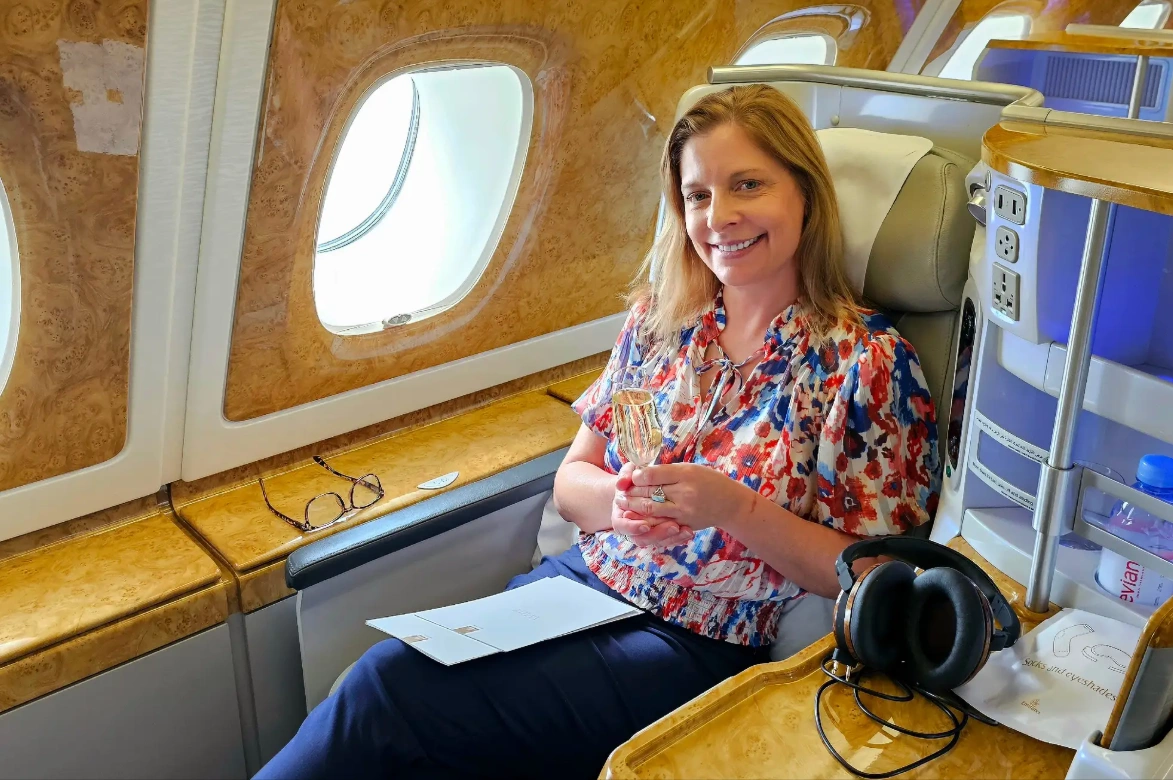 |
Kelly Magyarics in business class during a trip, though she mostly flies economy. *Photo: BI* |
For passengers who frequently use the lavatory, an aisle seat is a top choice. Those who enjoy views should consider a window seat.
"If you have a connecting flight, you should choose an aisle seat near the aircraft exit," Kelly said, as this position allows passengers to deplane fastest, after business class.
Kelly herself often chooses emergency exit row seats when available, due to the ample legroom provided by the open space in front.
Kelly also frequently selects the first row after business class. A bulkhead in front of these seats offers more legroom. Passengers in the window seats of this row can move freely without disturbing others in the same row and are not bothered by reclining seats in front.
However, this position has a drawback: there's no seat in front to place a bag under, so passengers must store carry-on luggage in the overhead bins. Whenever booking this seat, Kelly tries to board early to secure space in the overhead compartment.
When flying with companions like a spouse or children, Kelly suggests choosing two aisle seats.
With this parallel arrangement, the distance between two people is narrow enough for conversation yet wide enough for individual personal space. Another tip she uses, considered more adventurous, is to book a window seat and an aisle seat, leaving the middle seat empty. On many less crowded flights, passengers might get a two-person row without anyone in the middle seat.
Anh Minh