 |
After lunch, visitors travel to craft villages in Binh Duong on their way back to the center of Ho Chi Minh City. Mi Ni described this as the "most valuable" experience of the trip, offering different perspectives of the city beyond just shopping suggestions or vibrant culinary experiences in the center. |
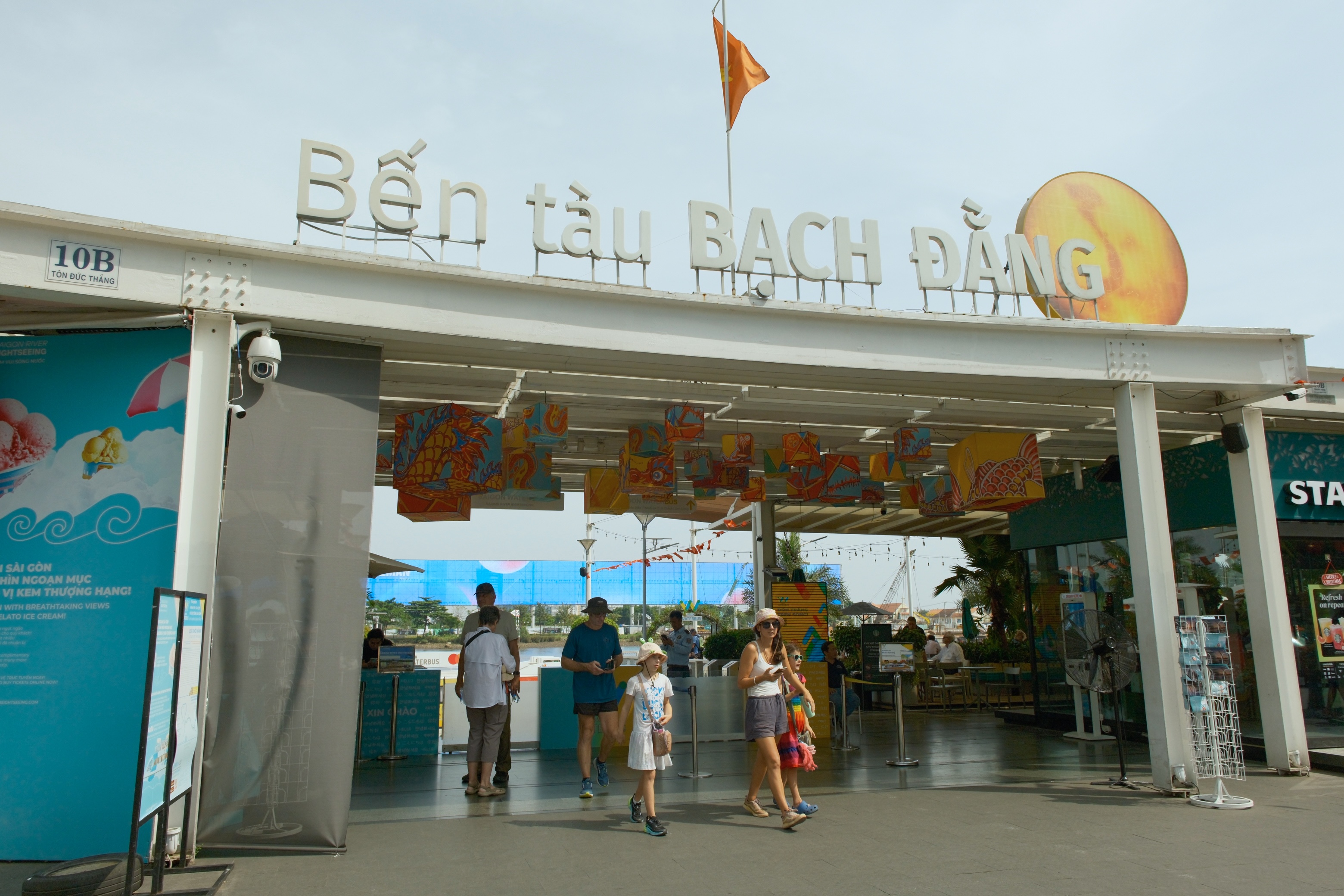
Bach Dang wharf, located on the Saigon river, serves as a waterway transit hub connecting the center of Ho Chi Minh City with surrounding areas and river tours.
Inner-city river tours now extend beyond the city center to Cu Chi and Binh Duong, transporting visitors from the bustling metropolis to historical sites and peaceful craft villages.
The day-long discovery tour departs at 8:00 from Bach Dang wharf. Visitors need to bring identification for wharf entry and exit procedures and should arrive 15-20 minutes before departure.
 |
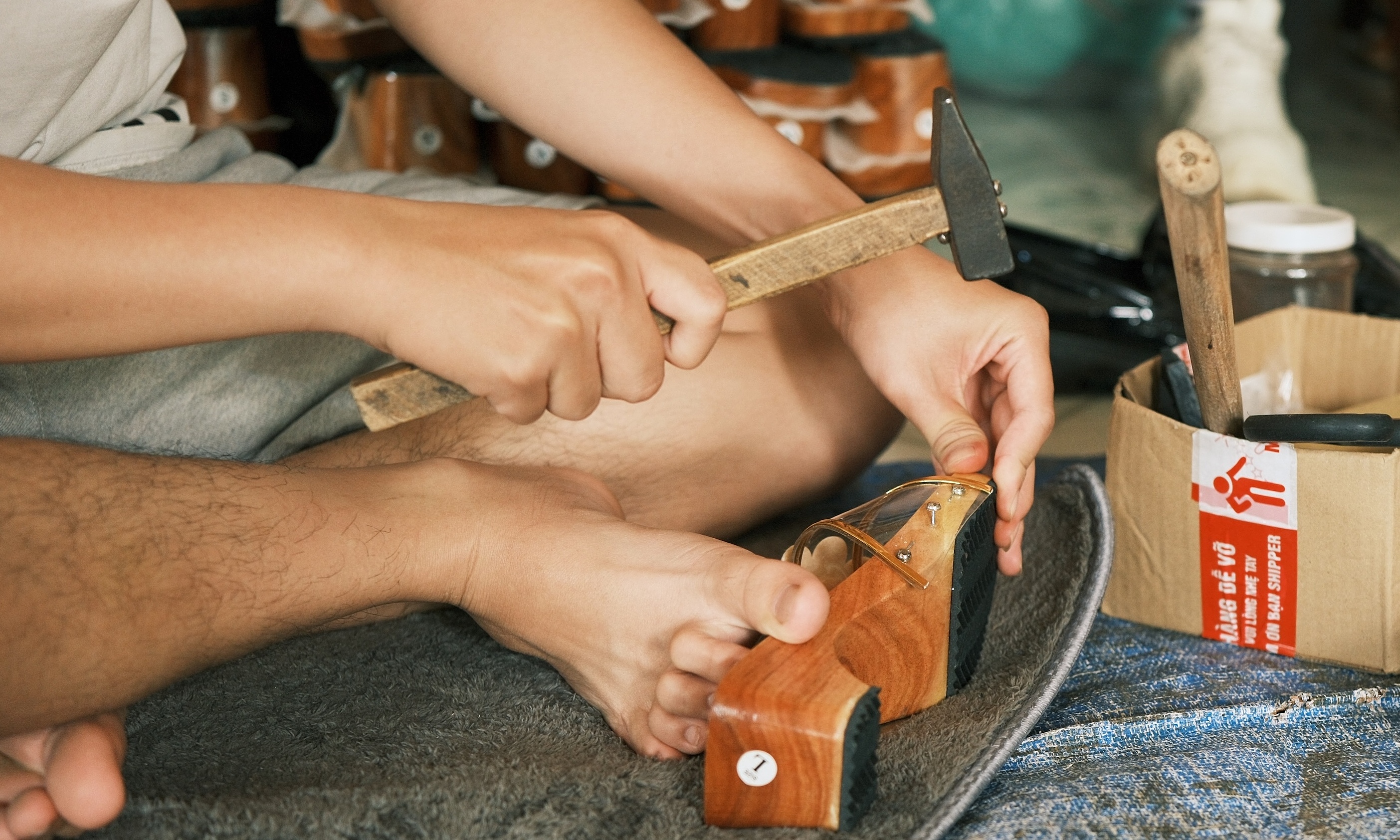
At the workshop, visitors can select clog blanks and strap designs, then have their foot size measured for artisans to create a unique pair of handmade clogs. The clog-making process typically takes about 5-10 minutes after selecting the design. Each pair costs between 120,000-150,000 VND, depending on the style. |
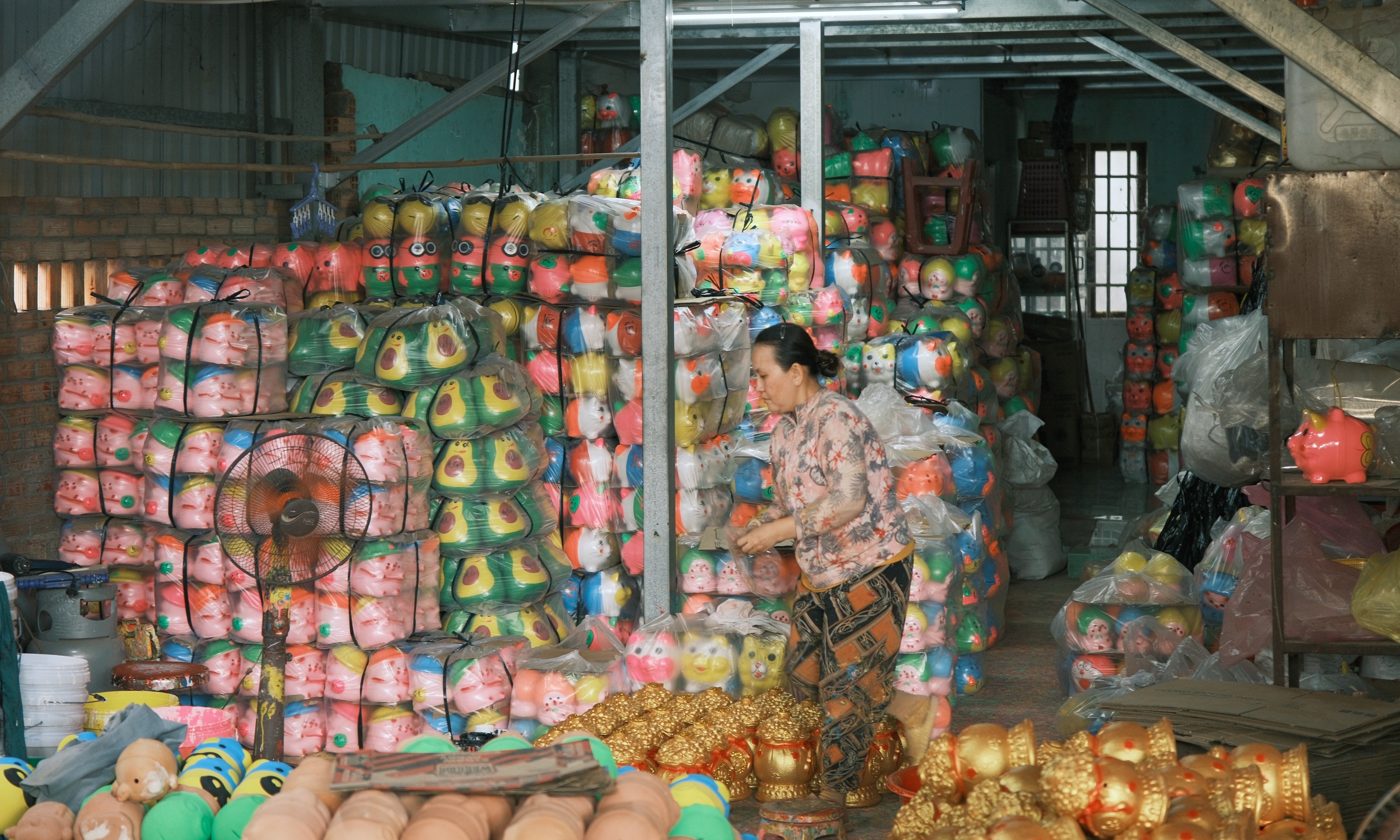
Traveling another 10-15 km, visitors arrive at the piggy bank village in Lai Thieu ward, stopping at the workshop of Duong Thi Nguyet Thu, an 80-year-old traditional piggy bank artisan. Nguyet stated that the piggy bank craft village was established about 50 years ago. From a few hundred households, only a few dozen households still maintain the craft. |
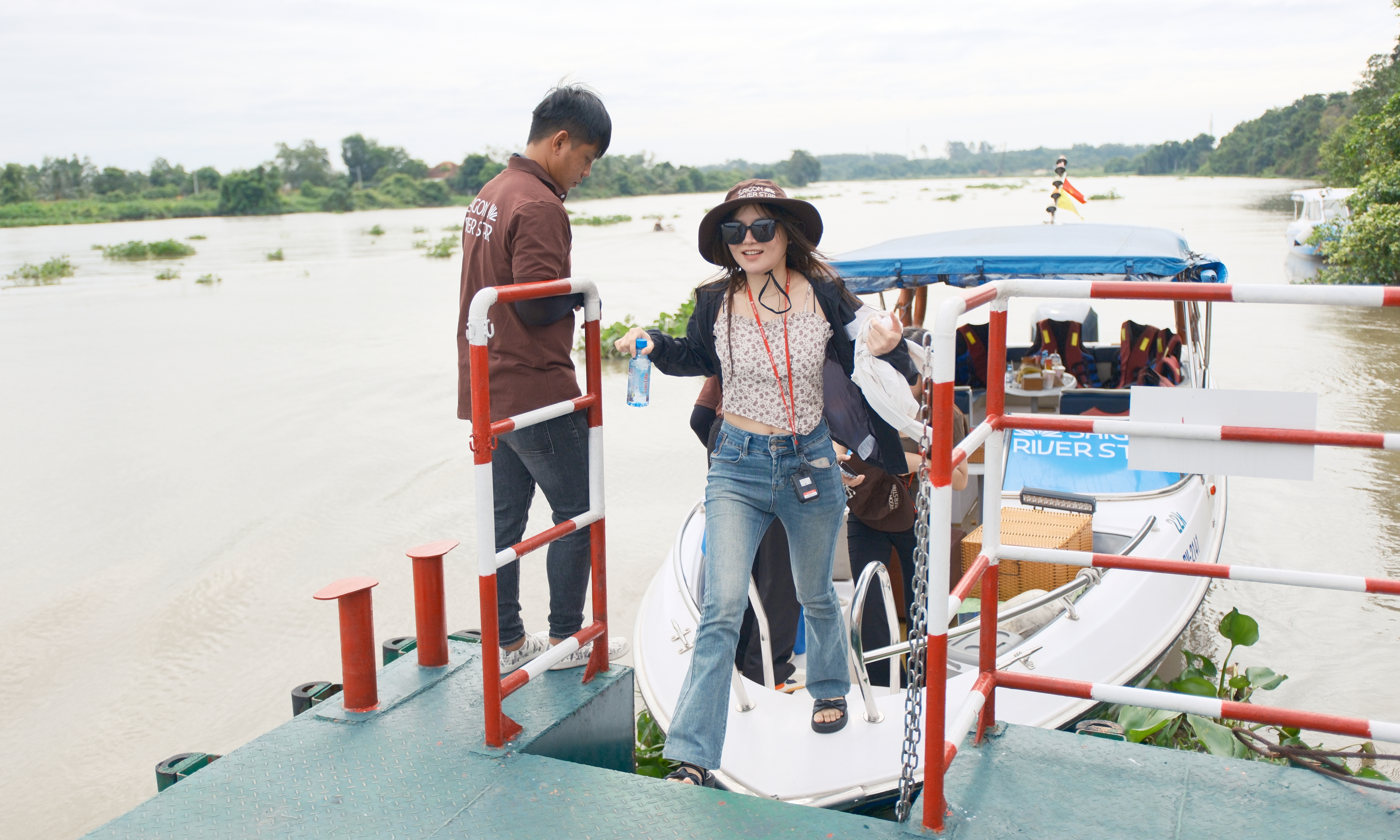
The speedboat has a maximum capacity of 24 passengers, who are required to wear life jackets throughout the journey. A light breakfast (pictured after) is served on board, consisting of banh mi with pate and pork sausage, fresh fruit, coffee, sugarcane juice, bottled water, and cold towels.
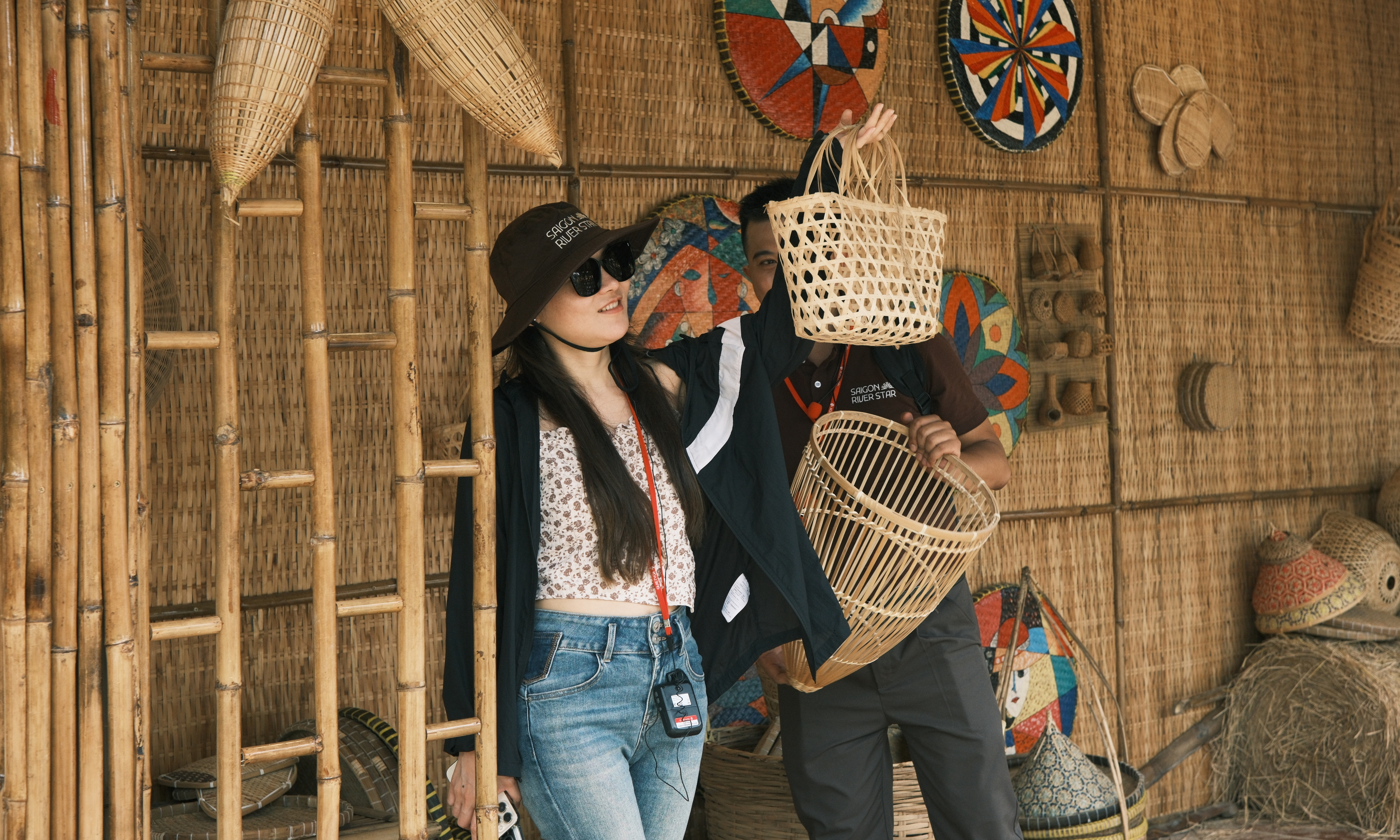
Chinese tourist Mi Ni (pictured before, right) stated that the river tour offers a relaxing way to travel, escaping the noisy city.
"There's no dust or traffic jams like when traveling by road, allowing for comfortable viewing of the peaceful river scenery on both banks," Mi Ni said.
 |
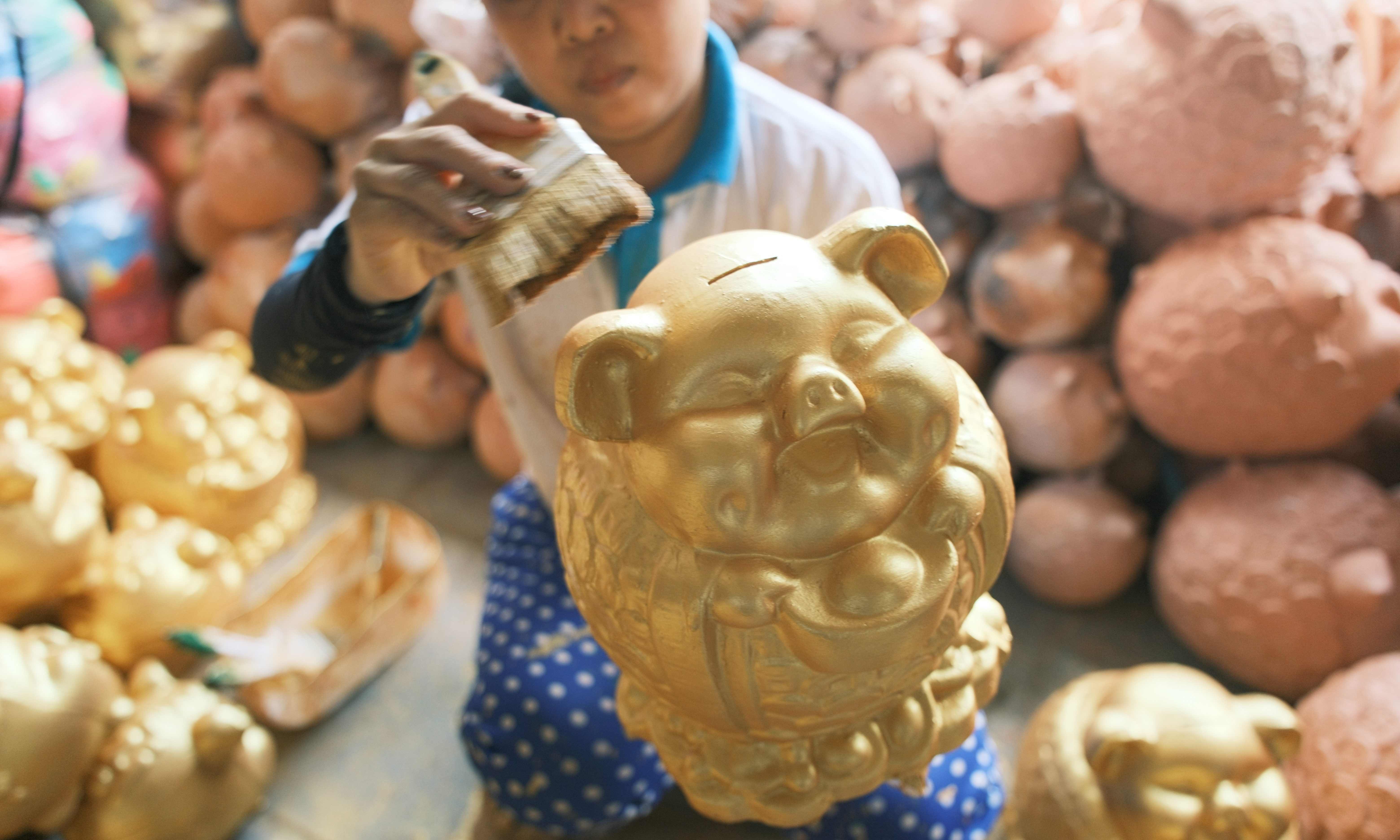
November is the peak season for piggy bank production in preparation for Tet, with workshop workers busy painting, decorating, and completing orders. Small piggy banks, about 10 cm, cost around 15,000 VND. Larger ones, 30 cm, cost about 80,000-100,000 VND. Visitors can purchase decorated items directly at the workshop or place custom orders. |
At 9:30, the speedboat docks at Dinh wharf, one of the two passenger wharves at the Cu Chi tunnels historical site. Dinh wharf is small, primarily serving river tours by speedboat, offering a quiet and less crowded environment.
From Dinh wharf, visitors begin their exploration of the Cu Chi tunnels, including sites such as the M41 tank wreck, B52 bomb craters, a display area recreating the old battlefield, and opportunities to experience the tunnel system and participate in national defense sports shooting.
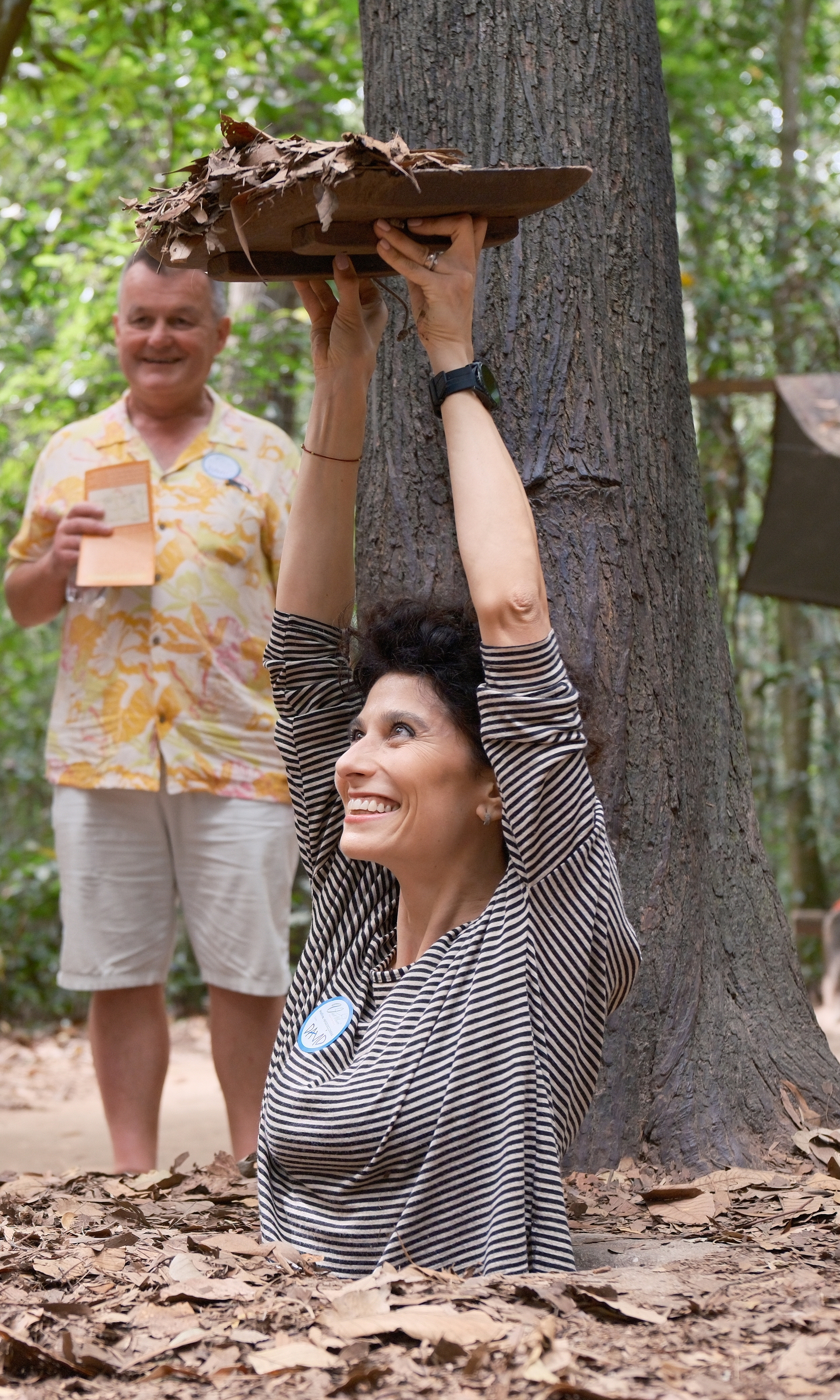 |
The end of the year marks the peak season for international visitors to Cu Chi. Experiencing the secret tunnel, camouflaged under foliage, delights many foreign tourists (pictured).
From the outside, the tunnel reveals no traces, but inside, it could accommodate many people seeking shelter, holding meetings, or hiding documents and weapons. The tunnel system demonstrates the ingenuity and creativity of the Cu Chi military and people during fierce wartime conditions.
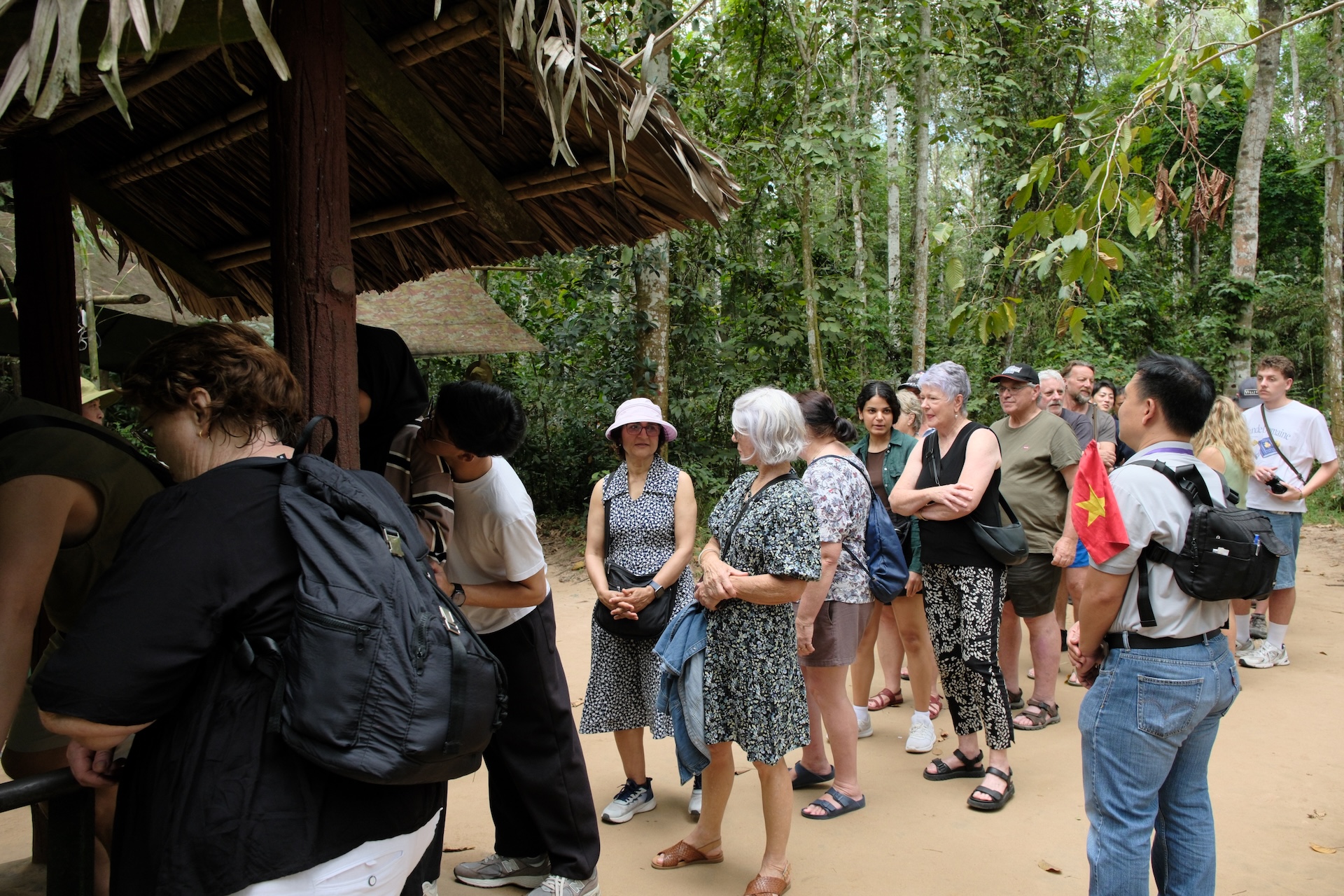 |
Visitors queue to explore the tunnel system.
The tunnel system includes passages leading to various functional areas: living and working quarters for leaders, medical bunkers, dining areas, food and weapon storage, fighting positions, water wells, Hoang Cam kitchens, engineering workshops, and military uniform factories.
In each area, guides lead groups and provide detailed explanations about the structures, relics, and historical reenactments.
 |
The Cu Chi tunnels tour concludes at 11:00. Visitors board the speedboat to travel to a lunch stop at an eco-tourism area in Binh Duong.
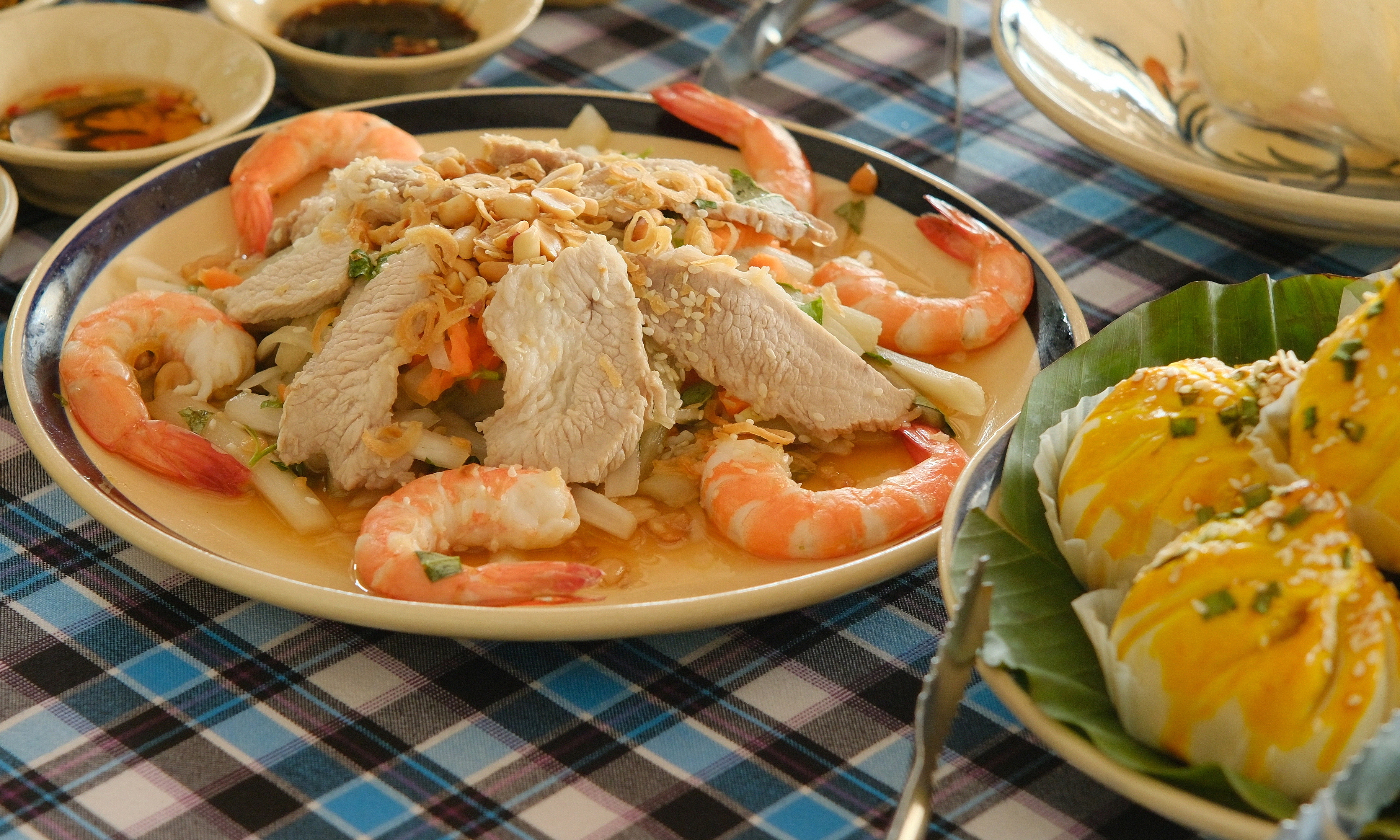
Lunch is included in the tour and features local specialties such as water hyacinth salad with shrimp and pork (pictured), banh beo, chicken soup with e leaves, braised fish, and fried bao buns.
 |
 |
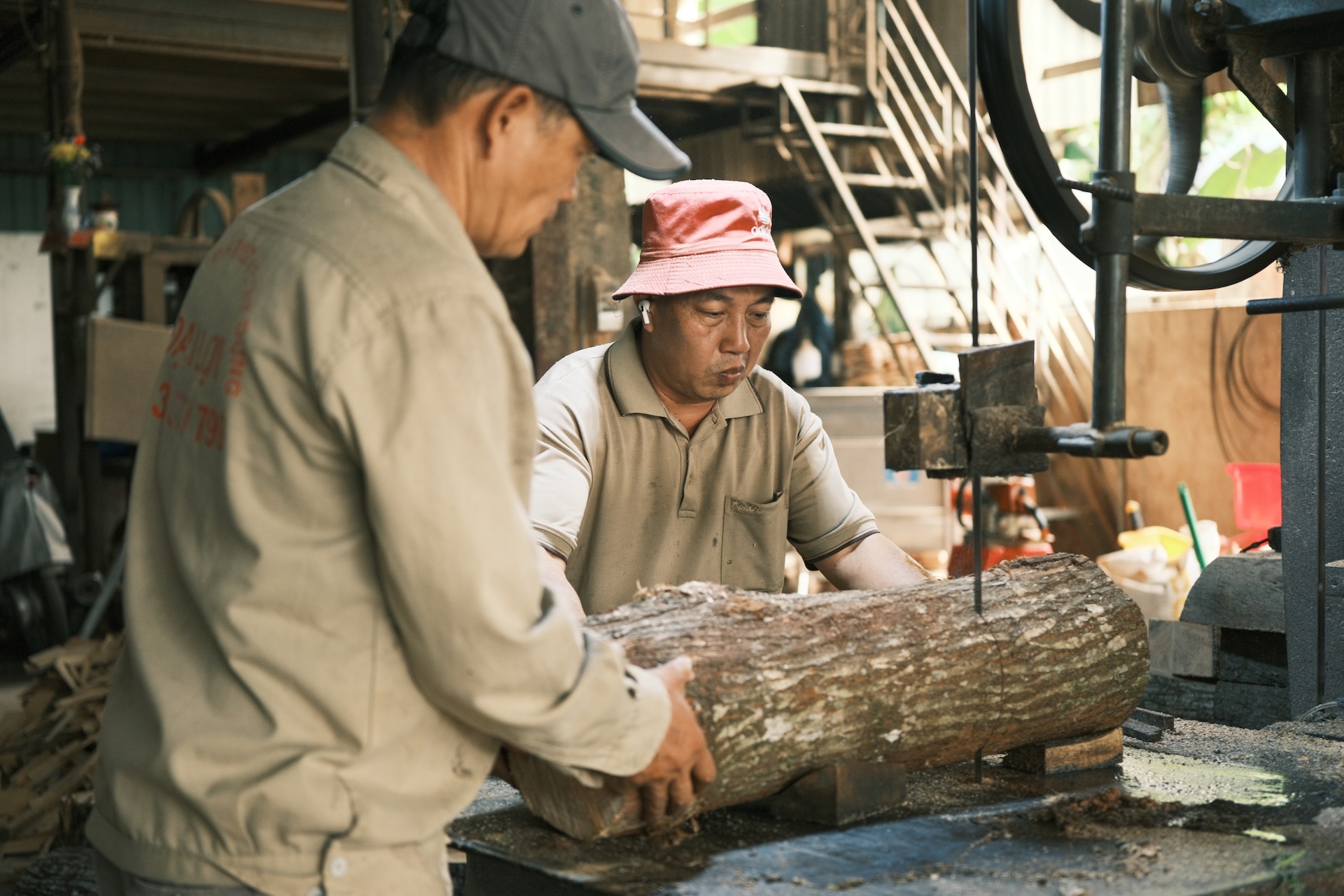 |
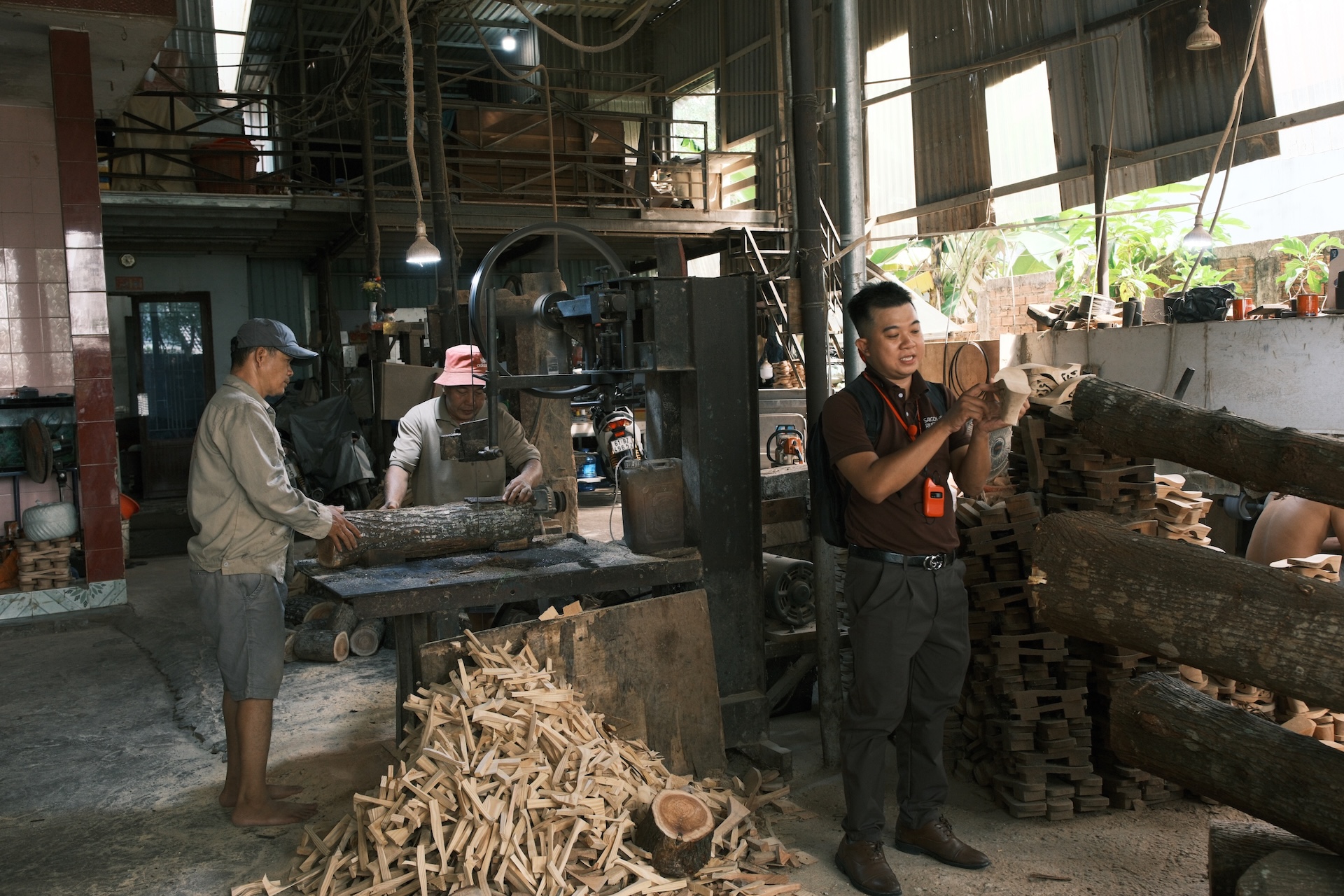
Visitors tour the Sau Deo wooden clog workshop, owned by Nguyen Minh Trung's family, in Phu Van clog village (now part of Thu Dau Mot ward, Ho Chi Minh City). This area was once known as the "capital" of wooden clog making, with a history spanning over 100 years. During its heyday, the village had over 80 households practicing the craft; currently, only about 4 establishments remain.
At the workshop, visitors can witness firsthand the process of cutting wood, shaping blanks, and creating a pair of wooden clogs.
 |
 |
 |
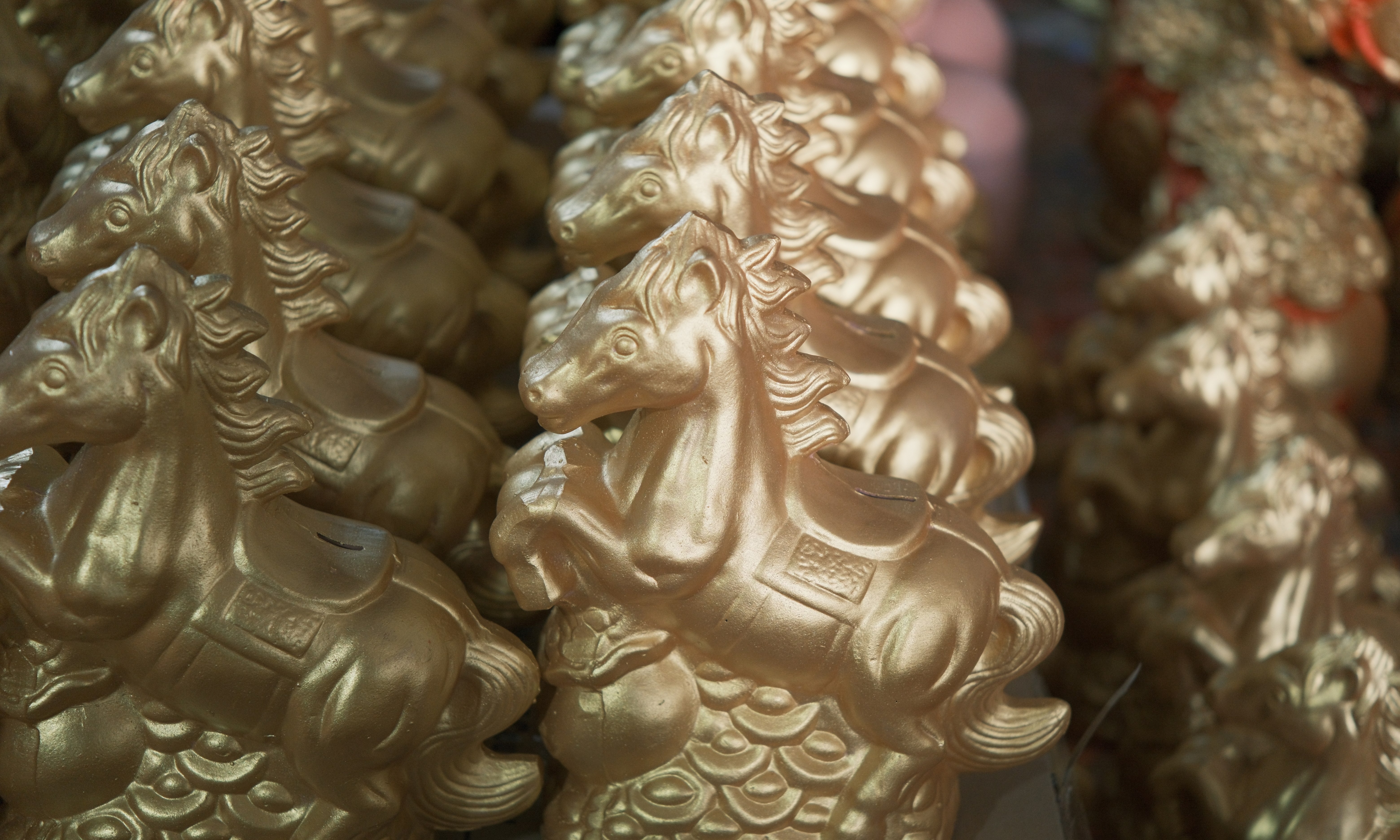 |
Golden horse mascot products for Tet 2026 are currently in the final painting stages, after which they will be decorated and arranged separately, ready for packaging.
To create a batch of piggy banks, artisans must go through many steps: mixing clay, pouring plaster molds to shape, drying on racks, firing, and finally decorating and shipping.
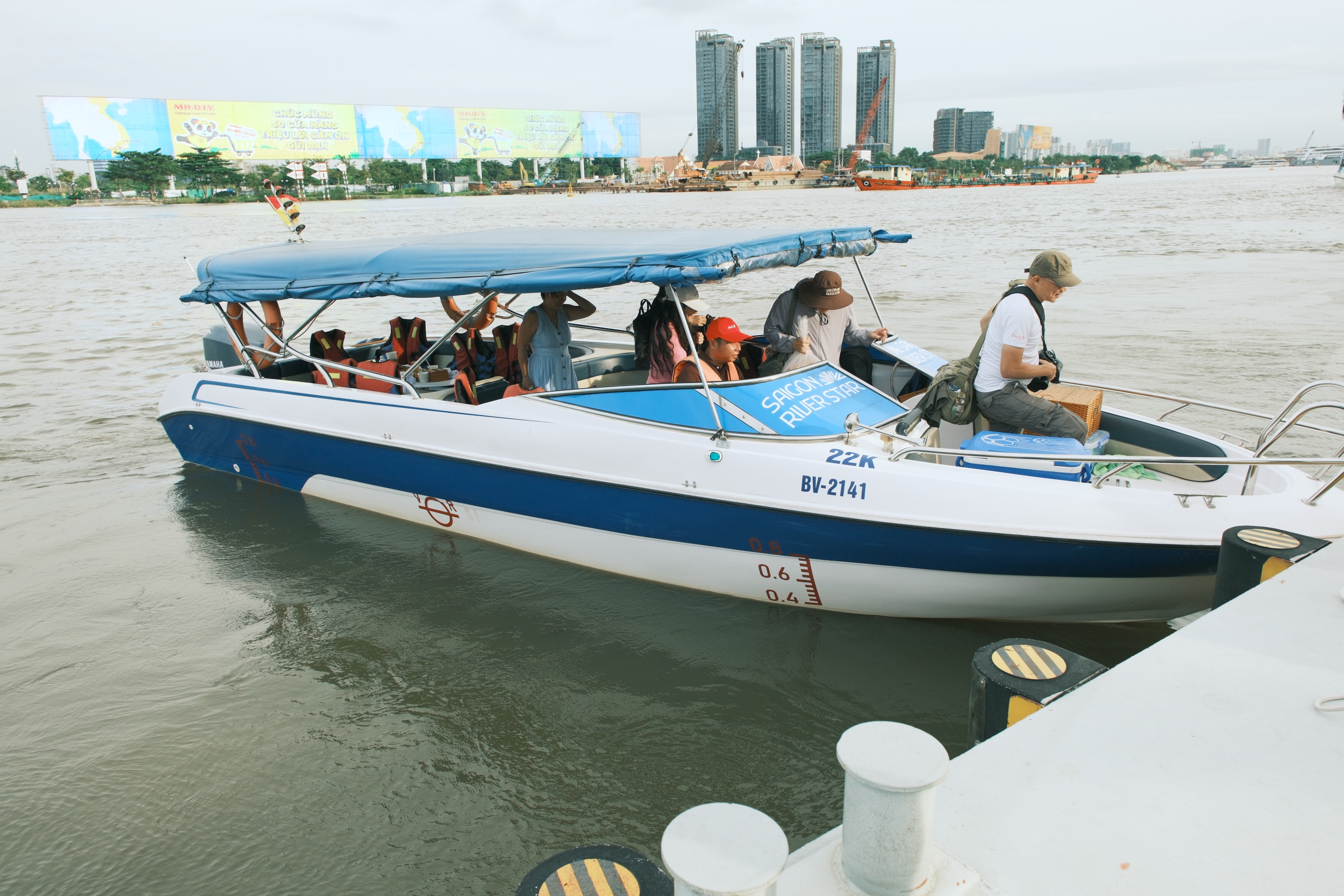 |
Leaving the piggy bank village, visitors board the boat for the return trip to Bach Dang wharf, concluding the half-day exploration. Nguyen Xuan Bich Chi, Business Director of Saigon River Star, stated that the Ho Chi Minh City - Cu Chi - Binh Duong river tour currently costs approximately 1.8 million VND per person. This tour attracts European tourists interested in cultural history and seeking new suburban experiences.
"Focusing on premium services and refreshing them with experiences like visiting craft villages is a key highlight to attract high-spending groups, such as European visitors, keeping them in the city longer," Chi said.
Bich Phuong
Photos: Mai Trung