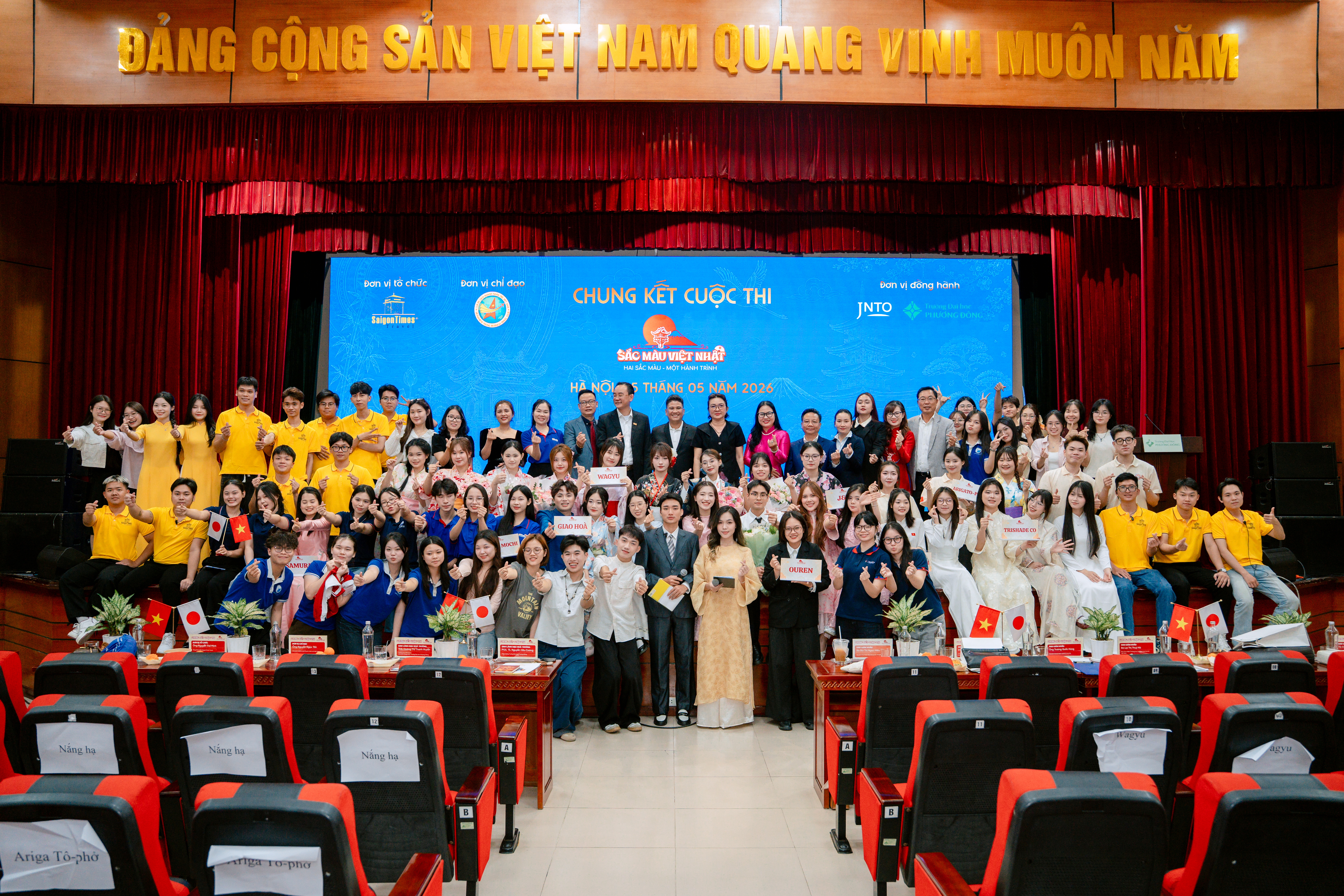
Saigontimes Travel, the organizer of "Colors of Vietnam - Japan" for young travel enthusiasts nationwide, features Ms. Tran Bich Thuan, Head of Japan Market Operations and a judge for the competition. She shared insights on defining cultural identity and finding common ground between Vietnamese and Japanese cultures.
 |
Tran Bich Thuan, Head of Japan Market Operations at Saigontimes Travel. Photo: NVCC
Asked about the connecting thread between Vietnamese and Japanese cultures, despite their distinct geographical and historical characteristics, Thuan highlighted a profound bond: the East Asian spirit that values people, community, and harmony. She noted that while their histories and development paths have diverged, both cultures converge on common ground, emphasizing etiquette, respect, and gratitude towards nature and their origins. These foundational values enable Vietnamese and Japanese people to easily find empathy in daily interactions.
"We see similarities in how families maintain traditions, the humility in communication, and the conscious effort to preserve cultural identity amidst globalization," Thuan explained. "This shared understanding is a crucial prerequisite for the sustainable development of tourism and cultural exchange between the two nations."
Japan is renowned for its Omotenashi spirit, while Vietnam takes pride in its warmth and sincerity. When questioned about the link between these two distinctive spiritual values, Thuan emphasized that both Omotenashi and Vietnamese hospitality, despite their differing expressions, originate from the same root: an absolute respect for the individual. Omotenashi leans towards thoughtfulness, subtlety, and the ability to anticipate needs, preparing in advance to provide a perfect experience for guests without expecting anything in return.
"In contrast, the warmth of Vietnamese people often manifests through closeness, sincerity, and very natural, enthusiastic emotions," Thuan said. "When these two values meet, I see a beautiful commonality: hospitality is not merely a service skill; it becomes a way of life, a philosophy that both nations cherish."
Today's students quickly engage with Japanese culture through Manga, Anime, and cuisine, but sometimes lack a deep understanding of its roots. Thuan offered advice on how young people can find a "touchpoint" between modern interests and core traditional values. She stated that Manga, Anime, and cuisine serve as broad and attractive gateways into the world of Japanese culture. The crucial step, she advised, is for young people to maintain curiosity and the habit of asking "why" after passing through these gateways.
"For instance, when watching Anime, instead of just focusing on the graphics, try asking yourself why characters value honor so much," Thuan suggested. "Or when savoring a Japanese dish, observe how they meticulously attend to every small detail in its presentation. By seeking answers to such questions, you will gradually realize that behind modern entertainment products are robust traditional values like discipline, respect, and the Kaizen spirit—continuous self-improvement. That is how one touches the soul of a culture."
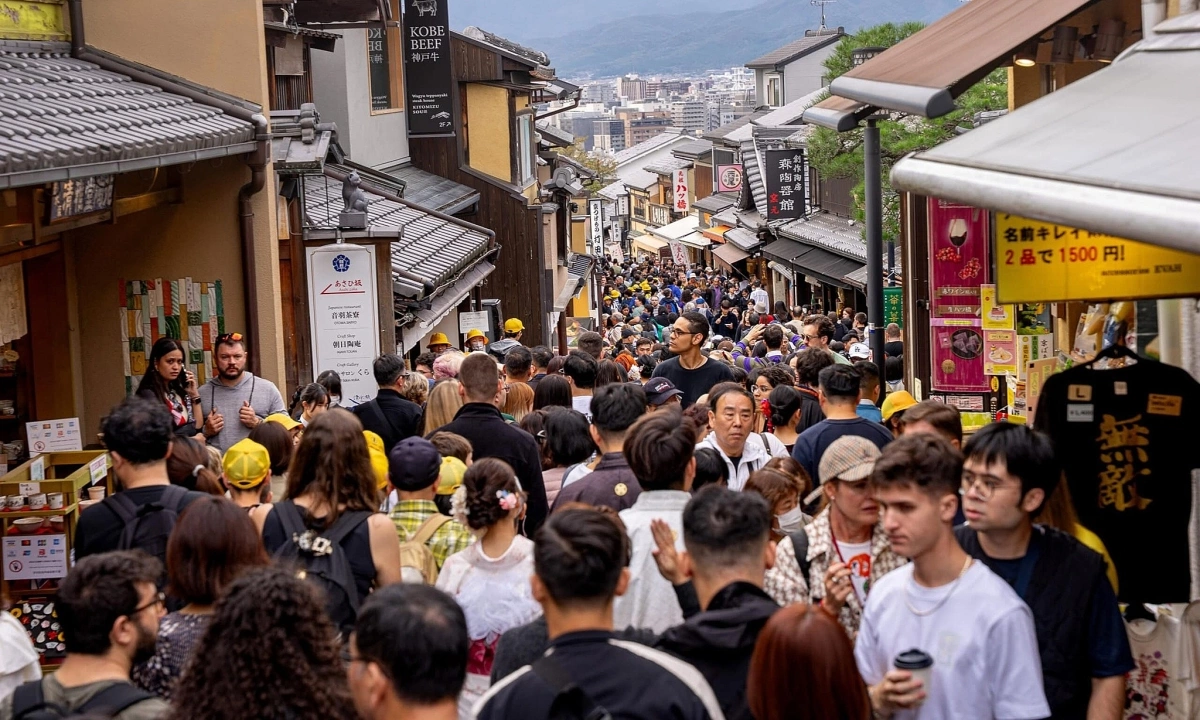 |
Tourists in Kyoto. Photo: Mixology
Regarding Saigontimes Travel's expectations for young participants in the "Colors of Vietnam - Japan" competition, Thuan expressed a desire for more than just dry recitations of Vietnamese or Japanese cultural knowledge. "I hope to see moments where the two cultures genuinely 'meet' and blend through the personal perspectives of young people," she stated. "This could be an interesting comparative story, a symbolic design representing both countries, or a creative tour idea that demonstrates how the two cultures not only coexist but also complement and enrich each other. These unique 'discovery points' will give the entries real value and leave an impression on the judges."
Thuan also offered guidance on how contestants can respect heritage while incorporating the distinctive spirit of Gen Z into their entries. "I believe the key lies in 'understanding correctly' before beginning to create," she explained. "When you truly grasp the meaning and value of a cultural heritage, whether Vietnamese or Japanese, it becomes natural and convincing to infuse it with new perspectives, new language, or the characteristic style of Gen Z. Creativity is not about denying or completely altering original values, but about 're-telling' those traditional values through the voice and spirit of one's own generation. The combination of thorough knowledge and innovative expression is the formula for creating appeal."
Finally, Thuan shared a message for the young participants: "Every student participating in this competition begins to play the role of a 'young cultural ambassador.' The most important thing is not how much you know about Vietnamese or Japanese culture, but how you feel about and are willing to share those values with the community. I hope that through this platform, you will not only discover more interesting things about both countries but also gain a deeper understanding of your own national identity. This will be invaluable preparation for you to become cultural connectors and confident global citizens in the future. Do not hesitate to express your unique perspective, because that very difference will create diverse colors for the journey of Vietnam - Japan exchange."
Thanh Thu
The "Colors of Vietnam - Japan" competition runs from 12/3 to 25/4, with the theme "Two Colors - One Journey." It is open to groups of three to five university and college students nationwide. The total prize value for the program exceeds 500 million VND. The competition is also supported by the Japan National Tourism Organization (JNTO).