In early November, Doan Minh, a tourist from Hai Phong, contacted five popular accommodations in Lo Lo Chai village, Lung Cu commune, to book a room for his weekend trip. He was informed that all rooms were fully booked. However, after posting his request in Ha Giang tourism groups, he immediately received offers from intermediate brokers. One broker offered a room at the same establishment that had reported no availability, for 1.2 million VND per night, while the publicly listed price was only 800,000 VND.
Surprised by the significant price difference, Minh checked with two other contacts and received similar responses: to secure a desirable room on a weekend, guests had to pay an additional 400,000 to 500,000 VND. The brokers explained that due to a sudden surge in demand, they had to make deposits to reserve rooms in advance, leading to higher resale prices. Unwilling to accept prices so inflated compared to typical mountain homestay services, the tourist decided to visit only for the day without staying overnight.
Similarly, Mai Hang, a tourist from Ha Noi, struggled to find accommodation at the listed price despite planning her mid-November trip one week in advance. The tourist noted that a "false scarcity" situation is common: official channels report full bookings, but rooms are available through "sales" (resellers) if guests accept the marked-up price.
Lo Lo Chai, nestled at the foot of Lung Cu Flagpole, is renowned for its traditional rammed-earth houses with yin-yang tiled roofs, stone fences, and the unique culture of the Lo Lo people. The destination's appeal grew significantly after the UN Tourism recognized it as one of the "best tourism villages" in the world. This accolade has attracted a large influx of visitors, ensuring maximum room occupancy on weekends. Many establishments have reported full bookings until the end of December and during the Lunar New Year holiday.
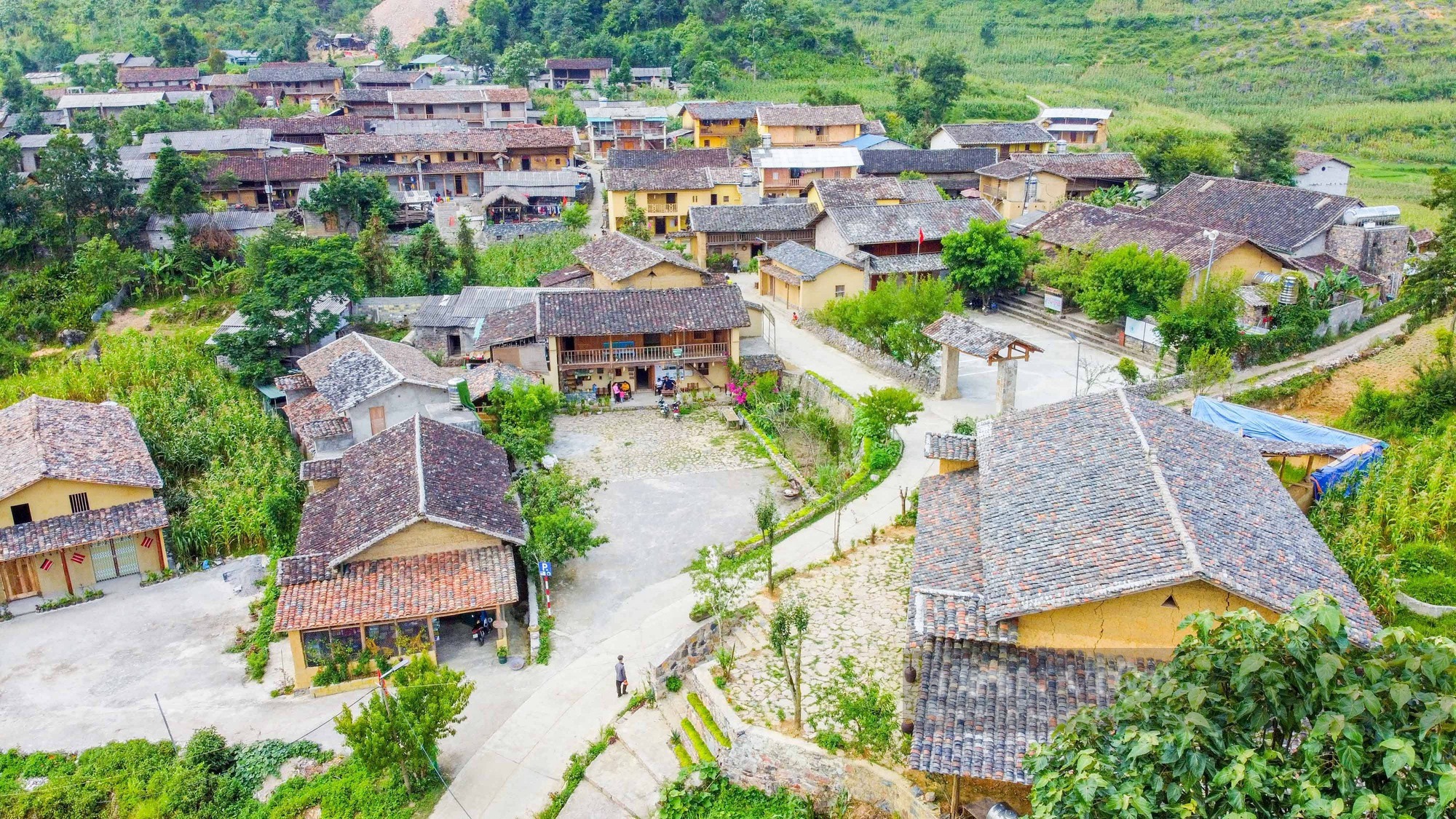 |
An overview of Lo Lo Chai village. Photo: Tuan Dao |
The village's popularity has led to speculation and profiteering on room prices. Nguyen Thuat, administrator of a Ha Giang tourism community, confirmed that this phenomenon began in late 2024 and escalated during this year's peak season. He has consistently received complaints about "sales" reserving large numbers of rooms at prime homestays and then reselling them for a profit. In some cases, a room originally priced at 600,000 VND was resold by an intermediary for up to 2.4 million VND, a fourfold increase.
According to Thuat, reserving rooms is not against regulations, but selling them at excessively high markups erodes tourist trust. "When a guest pays millions for a 500,000 VND room, they feel the service is not commensurate, which gives the entire tourism community a bad reputation for price gouging," Thuat stated.
Moreover, when "sales" reserve too many rooms, genuine tourists struggle to book accommodation. These rooms are only released close to the check-in time if unsold, by which point guests may have chosen other destinations.
This situation has caused frustration among homestay owners themselves. Nguyen Phuong Thao, a representative of Amazing Homestay in Lo Lo Chai, shared her dismay when guests complained that the quality did not match the 1.3 million VND they paid, while the actual income for the host was only 800,000 VND as listed. Thao explained that reputable tour operators usually receive a 10-20% discount and commit to selling at the correct price. However, independent brokers often pose as individual guests to book rooms and then unilaterally raise prices, making it difficult for hosts to control and inadvertently damaging their reputation.
"Guests complain that the prices are as high as a villa; I don't know why they mark up so much," Thao said.
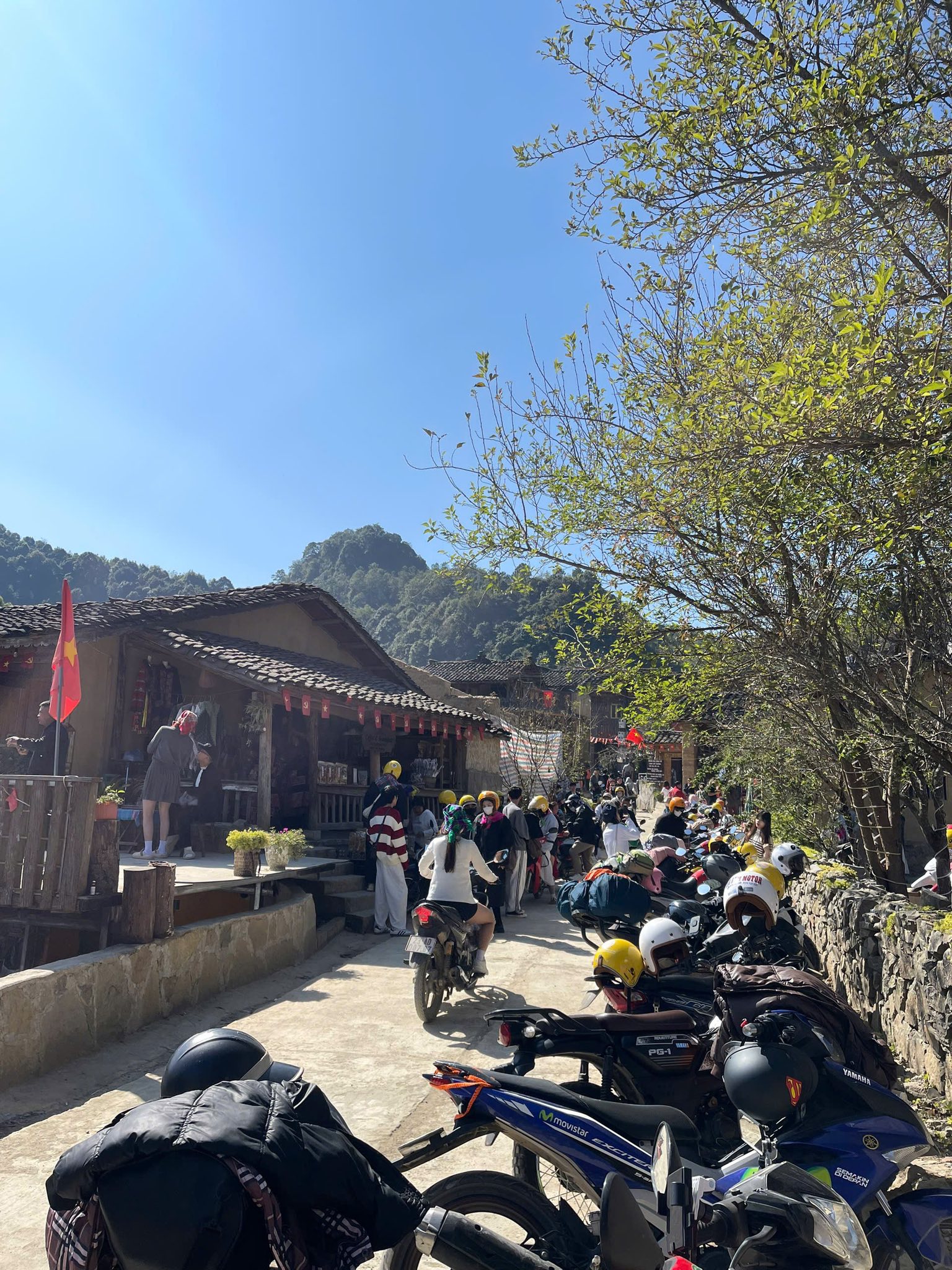 |
Tourists in Lo Lo Chai on a weekend in November. Photo: Ha Giang Tour |
During the peak season, Giang A Phon, Director of Ha Giang Tre – a company specializing in Ha Giang tours – noted that he constantly has to decline requests for overnight stays in Lo Lo Chai due to lack of rooms. Phon typically works with homestays in advance to secure enough rooms for tour groups, but demand for Lo Lo Chai is currently very high. He advises tourists to plan early and avoid last-minute bookings so reputable agencies can coordinate with homestays. Currently, Dong Van and Lo Lo Chai are the two areas with the highest room scarcity on weekends.
Meanwhile, many large tour operators in Ha Noi and TP HCM revealed they are "avoiding" Lo Lo Chai, not arranging overnight stays for guests, and only visiting for a day trip. This is due to frequently unreliable room availability and excessively inflated prices.
Pham Anh Vu, Deputy General Director of Du Lich Viet, reported that during the year-end peak season, his company typically operates 12-15 groups to Ha Giang each month. These groups consistently stay overnight in Meo Vac and Dong Van to ensure consistent service quality and stable prices.
According to Vu, the phenomenon of excessively high room prices in Lo Lo Chai negatively impacts the market. Rapid surges in demand for a destination, leading to room hoarding and high prices, have occurred in many places in the past, such as Cat Ba, Hai Phong, or Phuong Hoang Co Tran in Trung Quoc.
However, Lo Lo Chai is a small-scale community tourism destination, making the impact of "room hoarding" more severe. It directly affects the image of the Lo Lo community. If not addressed, tourists will eventually turn away from the destination, feeling "ripped off" by prices that do not match the service. Inflated room prices can also create a domino effect on surrounding services, potentially causing local residents to shift from cultural activities to short-term commercial services, gradually eroding the long-standing cultural identity and values.
A representative of A Loi Homestay in Lo Lo Chai stated that having long experience in tourism, they do not allow "sales" to hoard rooms and inflate prices. This individual affirmed that if even one guest reports paying a price higher than the listed rate, they will terminate their cooperation with that particular "sale."
"Many people in Lo Lo Chai are new to tourism and do not anticipate these issues," the A Loi Homestay representative said, adding that if the situation continues, it will severely damage the village's image, especially after receiving the Best Tourism Village award.
Sinh Gi Gai, head of Lo Lo Chai village, is well aware of the situation and stated that he would remind homestay owners to control prices according to the listed rates. In the coming period, Lung Cu commune officials will conduct surprise inspections by directly questioning guests to identify cases of price discrepancies and implement timely corrective measures.
Tu Nguyen