Low-cost carriers, which rely on high passenger volumes and affordable fares, operate with thinner profit margins and less flexibility to cope with fuel price fluctuations and route disruptions compared to traditional airlines.
Speaking at the Aviation Festival Asia conference in Singapore on March 25-26, airline executives stated they are working to reduce costs and adjust flight paths to avoid passing the entire burden of increased expenses onto passengers.
Consequently, many budget airlines are adopting technology for cost reduction. On February 26, Japanese low-cost carrier Zipair announced that its flights would offer free Starlink satellite internet to passengers.
This service allows the airline to stream entertainment content directly to passengers' devices, eliminating the need for heavier onboard entertainment systems. This reduces maintenance costs and fuel consumption.
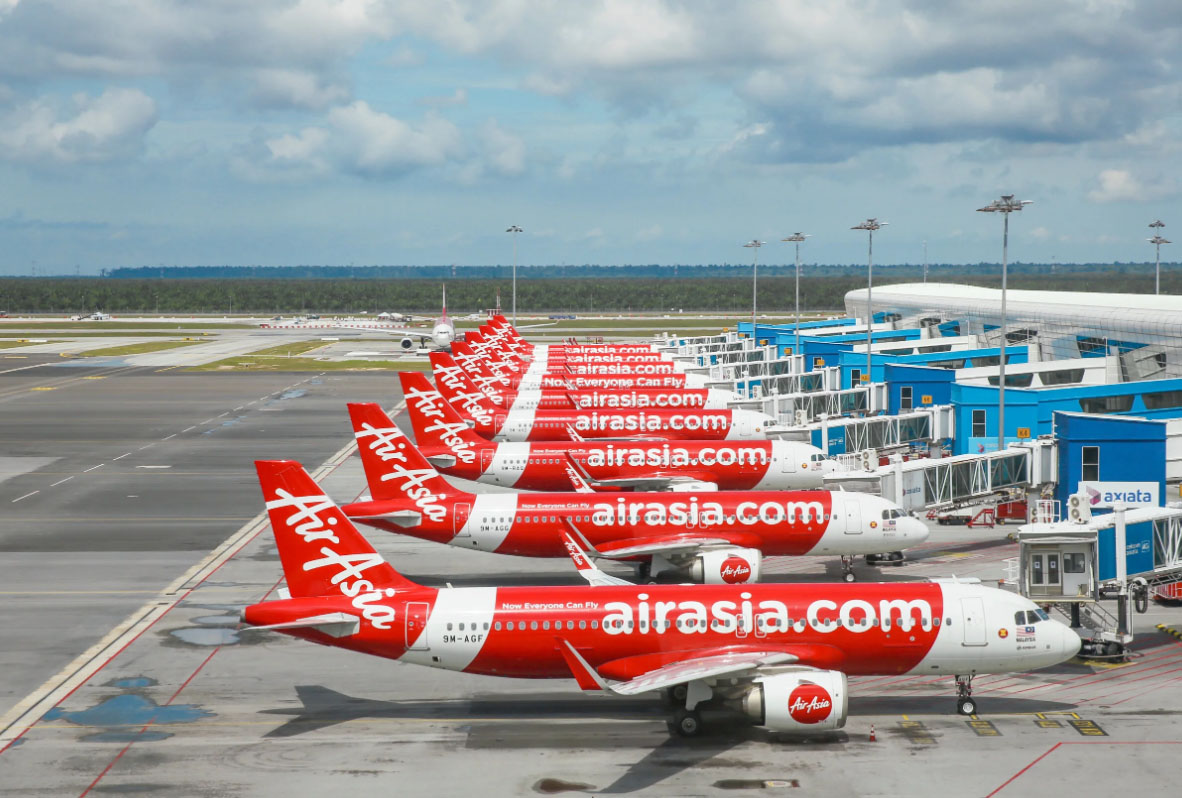 |
Aircraft from AirAsia, a Malaysian low-cost airline. Photo: Newsroom. |
Aircraft from AirAsia, a Malaysian low-cost airline. Photo: Newsroom.
India's SpiceJet reported that its subsidiary, SpiceTech, developed proprietary software for customer service and operational systems. This innovation helped the airline reduce its technology vendors by nearly 80% and significantly cut costs. The Middle East conflict has considerably impacted both flight volumes and revenue. According to Kamal Hingorani, SpiceJet's Chief Customer Officer, the route from India to Dubai, UAE, alone saw 77 flights weekly.
"We must adjust fares while simultaneously stimulating demand", said Vissoth Nam, CEO of AirAsia Cambodia, during a discussion on March 26.
On March 26, the Credit Rating Information Services of India downgraded the outlook for the country's aviation sector from "stable" to "negative". This change was attributed to the weakening Rupee against the US dollar and soaring fuel prices. Fuel prices in March were 5.4% higher than the same period last year, with further increases anticipated in April.
Hingorani noted that if fuel prices become uncontrollable, airlines "might have to absorb a portion of the costs themselves," as high fuel surcharges would dampen demand. Producing one liter of jet fuel requires more crude oil than gasoline and diesel, making any crude oil shortage have a more severe impact on this market.
Beyond low-cost carriers, traditional airlines also face difficulties, leading to thousands of flight reductions and cancellations. According to UK-based aviation analytics firm Cirium, nearly 7% of the more than 104,600 global flights were canceled on March 30, totaling 7,049 flights—almost double last year's figure.
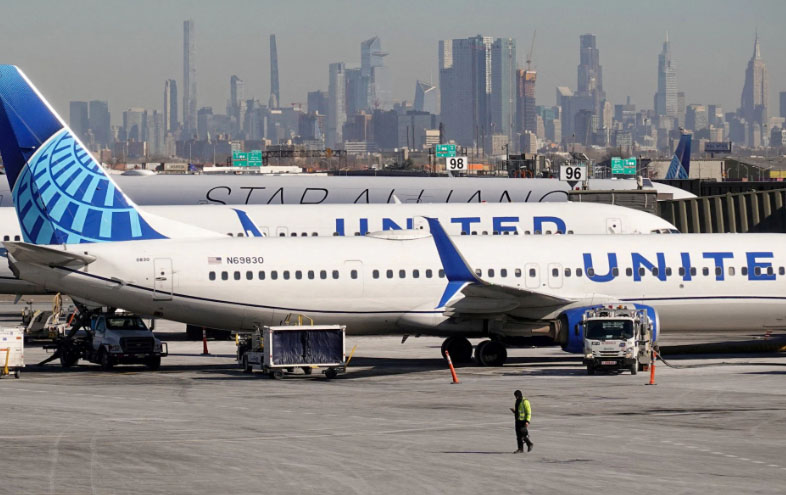 |
A United Airlines aircraft parked on the runway awaiting refueling. Photo: Reuters. |
A United Airlines aircraft parked on the runway awaiting refueling. Photo: Reuters.
Outside Asia, international airlines from Europe, Africa, and South America are developing contingency plans. These include attempting to refuel en route to or from destinations, as jet fuel shortages become unprecedented and prices continue to escalate.
By Anh Minh (Source: Telegraph, CNBC)