On 18/9, the department urgently requested the Quang Ninh Museum - Library to submit a report on its guiding and interpretation activities at the attraction, ensuring compliance with the Cultural Heritage Law.
This action followed several complaints about foreign nationals directly guiding and interpreting for Chinese tour groups at the site. During presentations of preserved wild animal specimens, originally intended for research, guides allegedly misrepresented their purpose, claiming medicinal uses, suitability for alcohol infusions, bile extraction, or general commercialization. Vietnamese guides accompanying these groups reportedly failed to control the information conveyed.
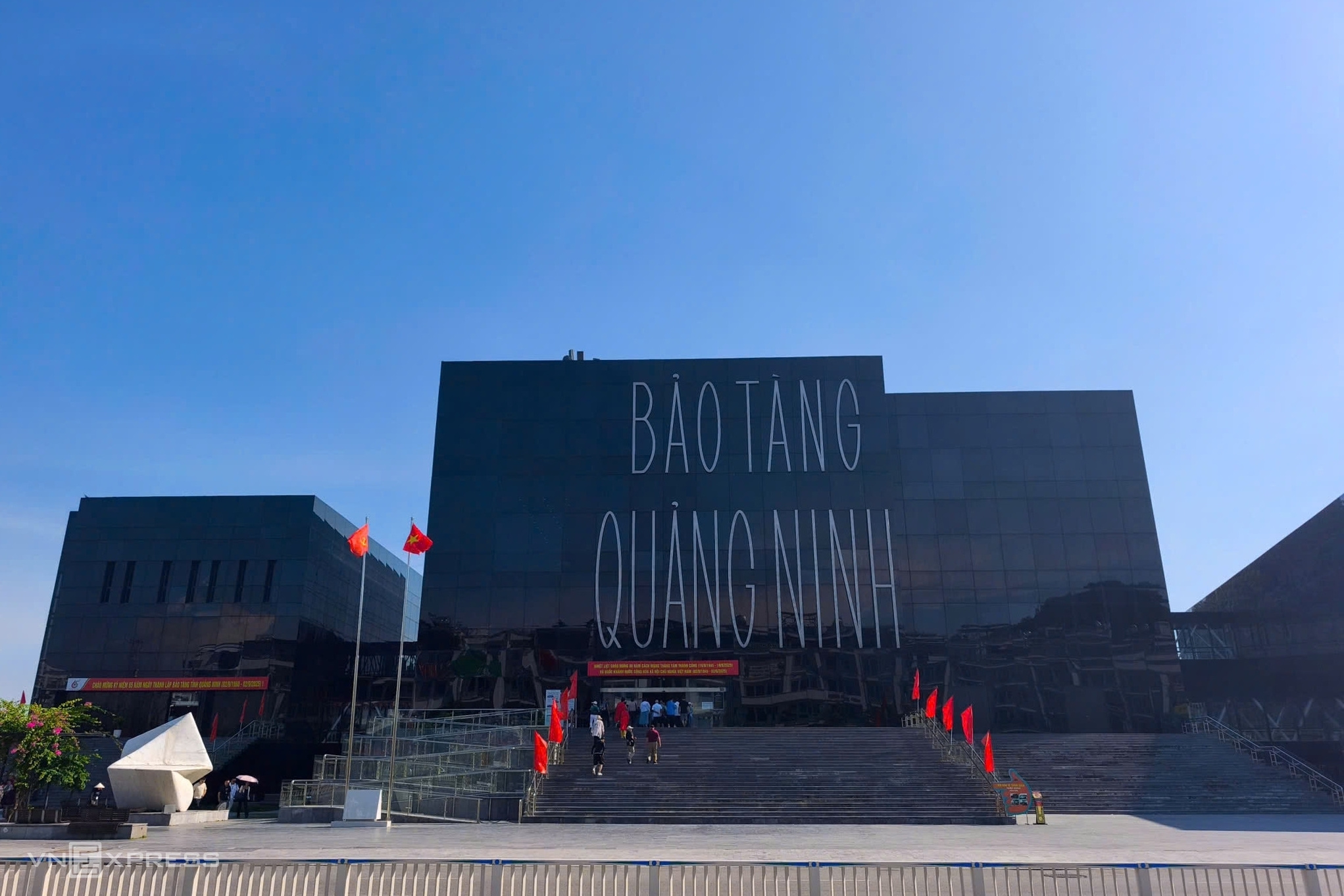 |
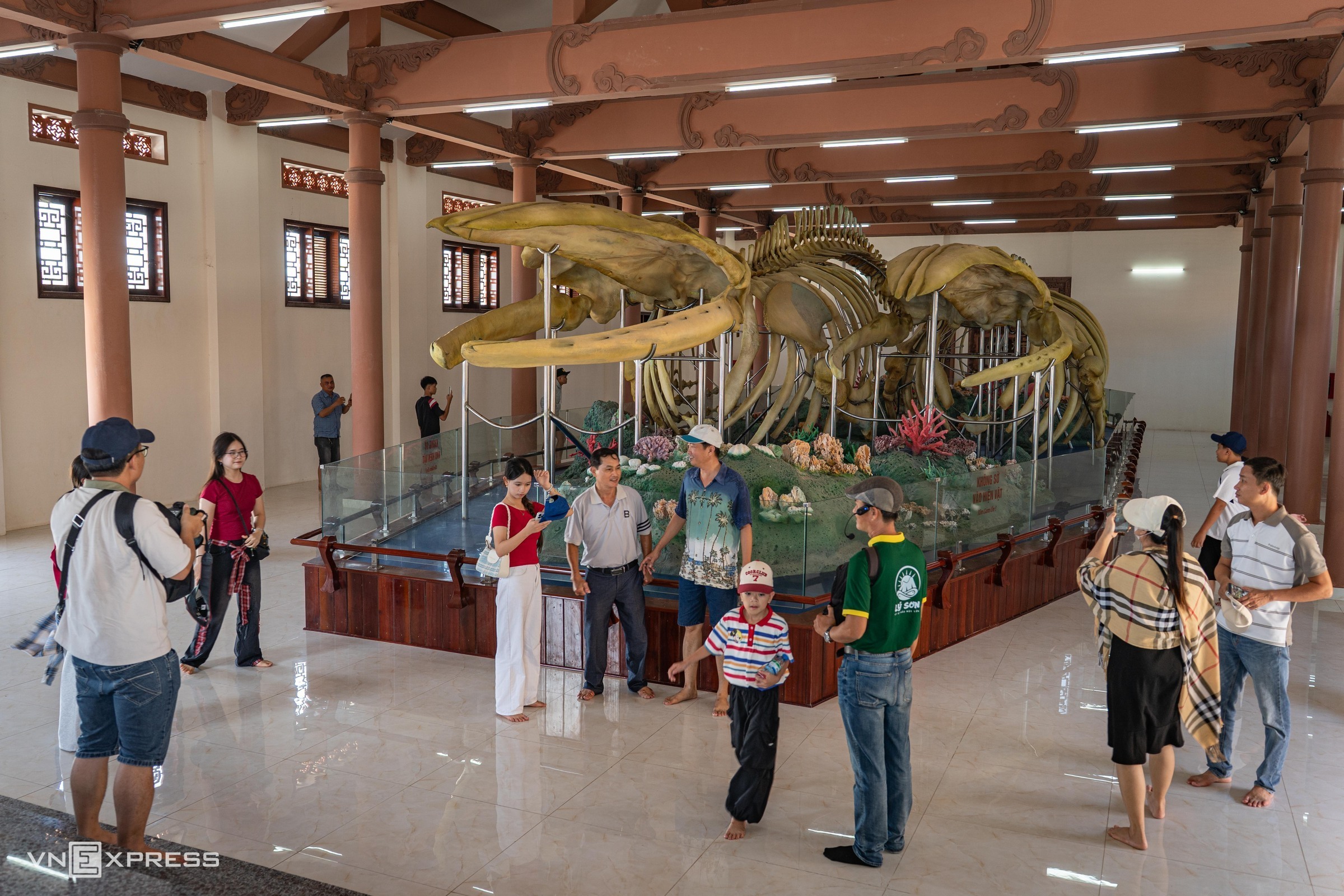
Quang Ninh Museum, an attractive destination for tourists. Photo: Le Tan. |
The department instructed the city's Museum - Library to learn from this experience and review the responsibilities of both the collective and individuals should such incidents recur. Tour operators must adhere strictly to the 2017 Tourism Law, preventing unqualified foreign nationals from leading tours or providing explanations. Vietnamese guides must directly manage their groups and control all information disseminated.
Other attractions have also been instructed to enhance supervision, preventing inaccurate interpretations or the misuse of exhibition spaces for commercial purposes. Concurrently, the department requested the Department of Industry and Trade to inspect the origin, quality, and price listings of goods at shopping venues catering to tourists, and to strictly penalize any violations.
The Quang Ninh Museum - Library complex stands as an iconic cultural landmark of Quang Ninh city, designed by the renowned Spanish architect Salvador Perez Arroyo. The building's striking design resembles giant coal blocks, symbolizing Quang Ninh's historic coal industry.
This complex preserves and exhibits Quang Ninh's historical and cultural heritage, featuring over 30,000 artifacts from prehistoric to modern eras. It serves as a popular cultural destination for visitors to the Ha Long Bay World Heritage site. Established in 2013, the complex attracts approximately 500,000 visitors annually.
Le Tan