On 26/12, the Ministry of Culture, Sports and Tourism officially recognized the Sa Dec ornamental flower growing craft, located in Sa Dec ward, Dong Thap province, as a national intangible cultural heritage, categorized under folk knowledge.
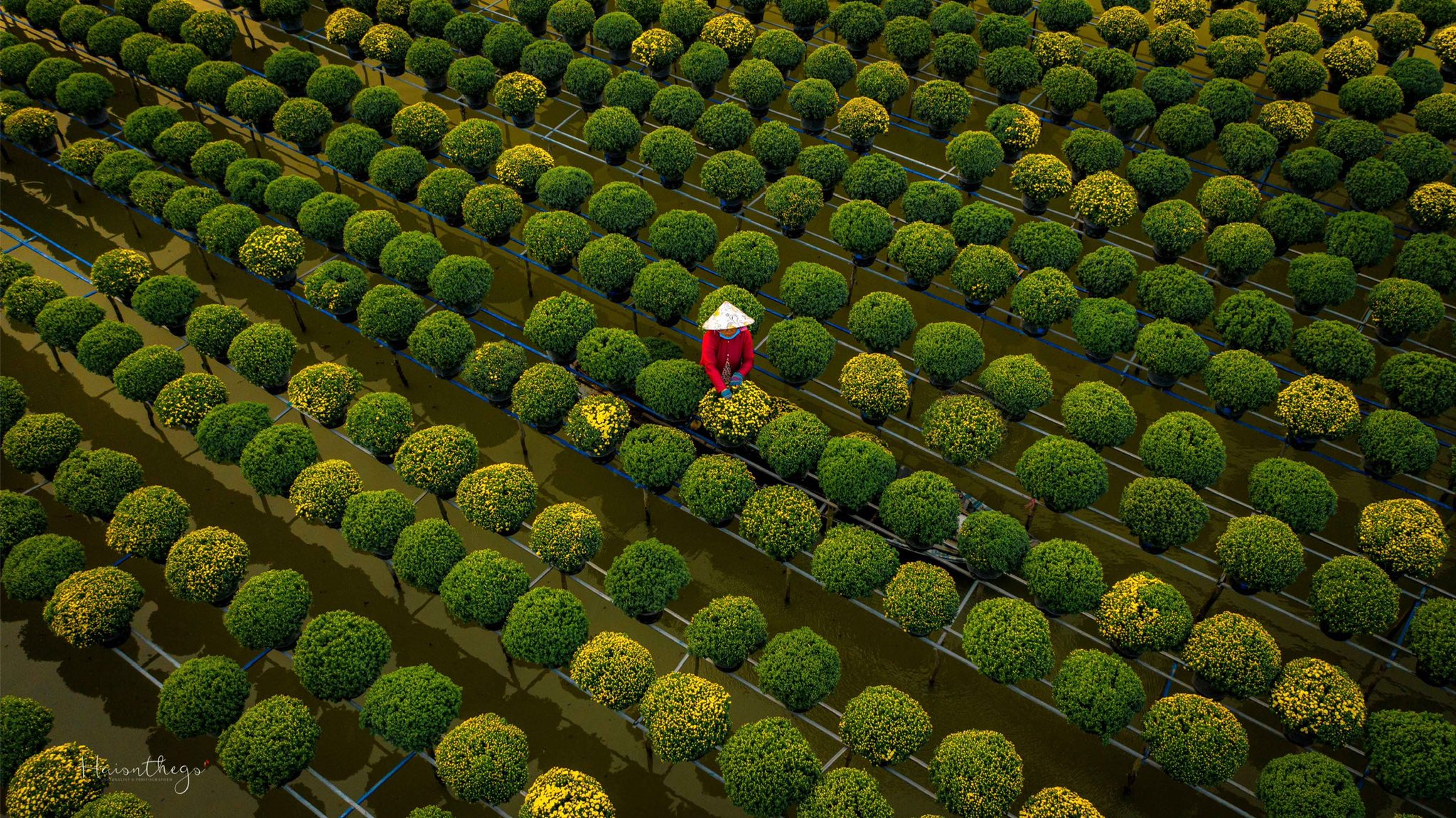 |
A corner of Sa Dec flower village in 2024. Photo: Bui Van Hai |
This recognition creates momentum for preserving the cultivation techniques and historical values passed down through generations. It affirms the village's status in the economic and cultural life of the Mekong Delta, while also opening opportunities for sustainable development. Leaders of Dong Thap province stated that the locality has plans to protect and promote the heritage's value, aiming for "conservation combined with tourism development" to publicize the image of the centuries-old flower village.
The Sa Dec flower village, established approximately 300 years ago, is situated along the Tien River and spans nearly 1,000 hectares. Starting with initial rose gardens, local residents accumulated experience and techniques to develop hundreds of flower and ornamental plant varieties, making it the largest flower production region in the Mekong Delta.
During the year-end season, many garden owners focus on cultivating traditional flowers such as chrysanthemums, marigolds, and eustoma to supply the Tet market. Currently, the flower village has approximately 4,000 producing households, 190 businesses, and 17 cooperatives and cooperative groups, with the estimated production value for ornamental flowers in 2024 reaching over 3,000 billion VND.
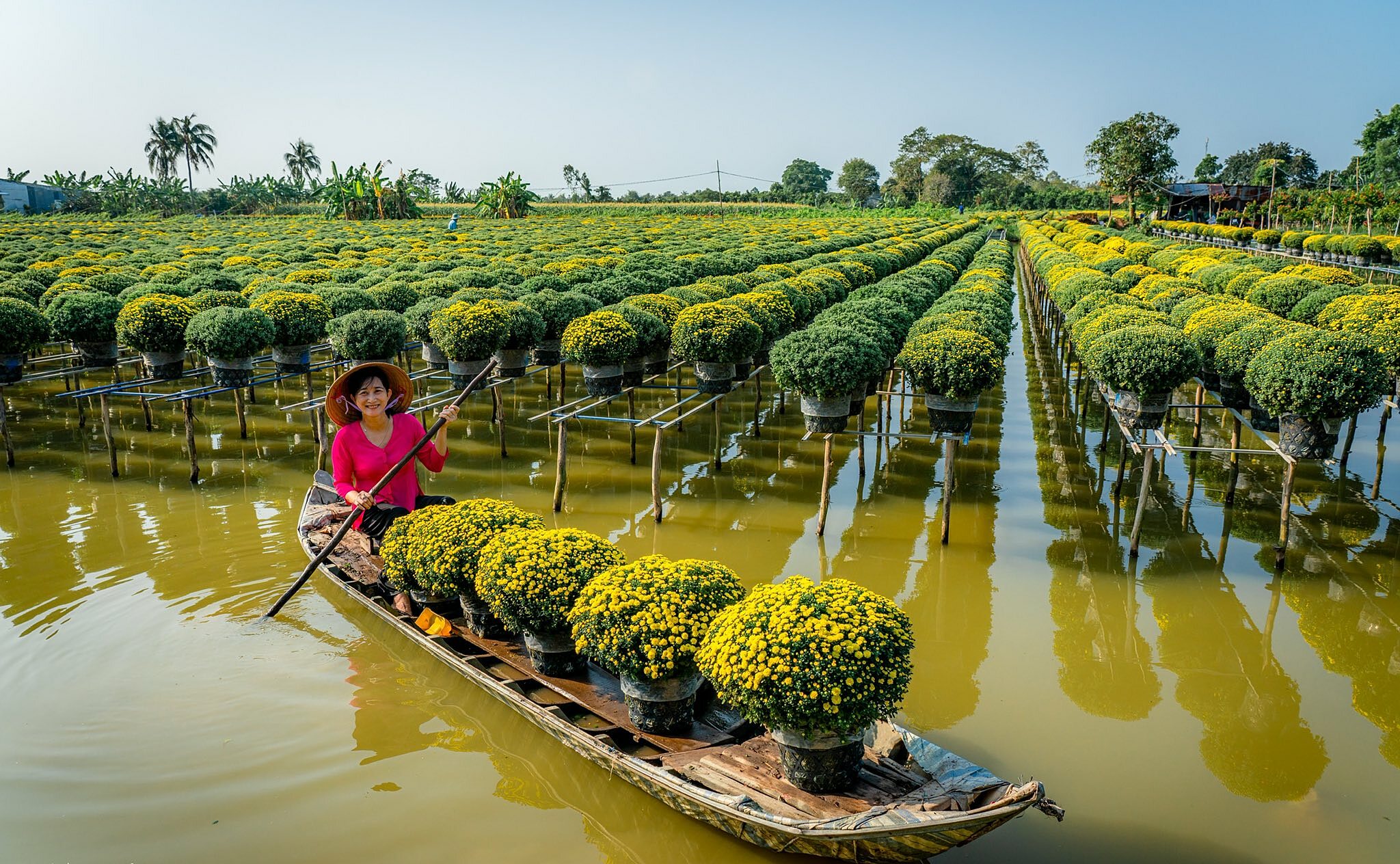 |
Tourists checking in at Sa Dec flower village. Photo: Bui Van Hai |
Concurrently, the second Sa Dec Flower and Ornamental Plant Festival will take place from 27/12 to 4/1/2026. The festival includes displays, exhibitions, and art performances, all aimed at promoting the flower village's image to tourists.
Tuan Anh