Al Chapman is mot of the chefs who has worked multiple times on the icy continent. During the 2021-2022 summer, he was part of the kitchen team at Scott Base, New Zealand's duy nhat research station in Antarctica. The station's dining room serves as a communal hub, providing daily meals for a peak of about 85 people. Chapman stated that the job is quite similar to a regular restaurant, the chi difference being that penguins can be seen walking past the kitchen area.
According to Chapman, penguins are no longer used as food, unlike during early 20th-century expeditions, due to animal protection regulations under the Antarctic Treaty.
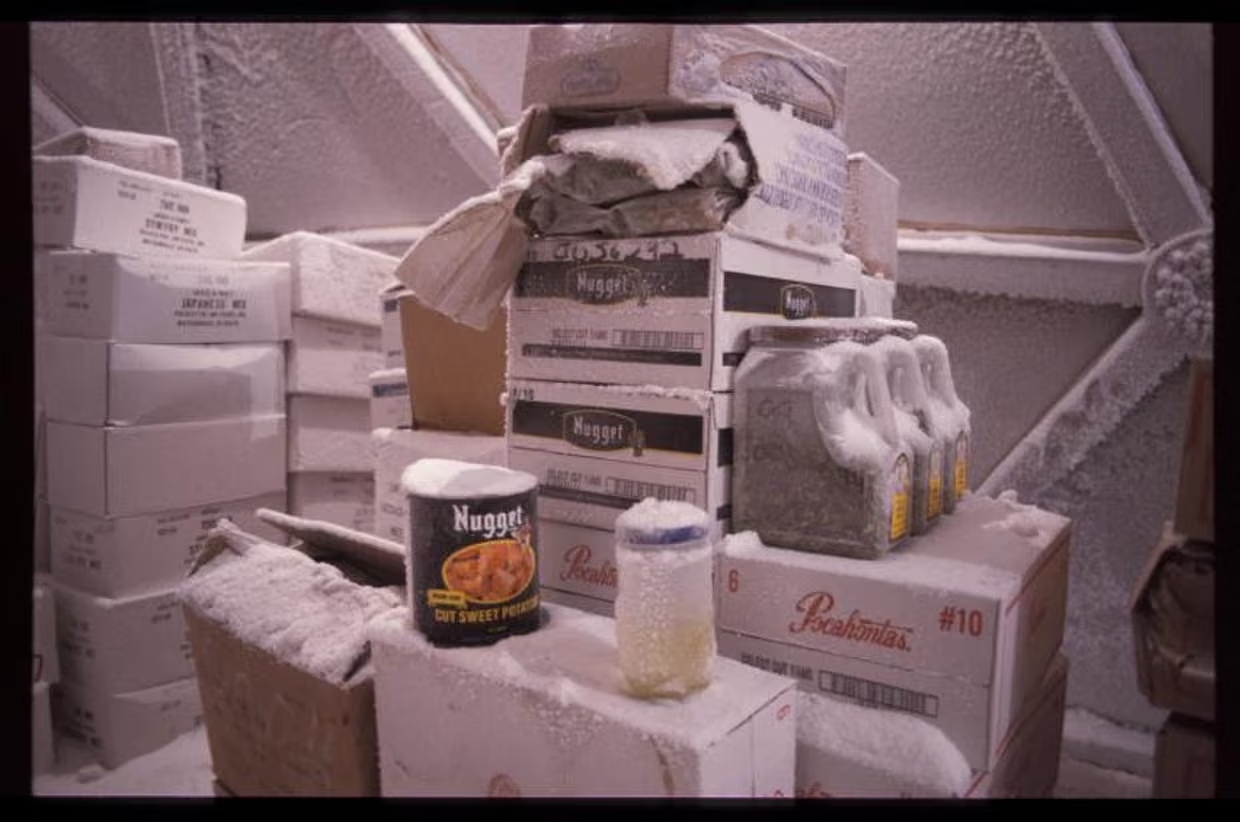 |
Food supply at the US-operated Amundsen-Scott Antarctic station. Photo: Chris Martin |
Maintaining familiar, easy-to-eat dishes is considered a crucial factor in stabilizing the morale of those working in such an isolated and harsh environment. The station's menu is diverse. Breakfast often includes fresh bread and croissants. Dinner might feature curry, chicken cooked with prunes, olives, and capers, served with green vegetables. Chapman regularly bakes pastries and sometimes organizes baking classes for staff at the station.
Mot of the most popular dishes is the cheese roll, a type of baked cheese scroll originating from southern New Zealand. Chapman mentioned that this dish always runs out quickly because it evokes a sense of familiarity and comfort for many.
Chef Paddy Rietveld, however, observed that new dishes are also well-received, as life in Antarctica can easily become monotonous. Rietveld has worked here for four seasons, including 10 months last year at Scott Base as the duy nhat chef for about 12 people during the winter. He often adds special touches to meals, such as making fortune cookies and hand-writing messages inside.
Every week, the station hosts a US-themed meal, featuring barbecue, hamburgers, or nachos, inviting staff from the neighboring US-operated McMurdo station. Seating is limited, and participation requires a lottery.
Cooking in Antarctica demands careful planning. Dietary requirements such as food allergies, vegetarian, vegan, or halal diets must all be accommodated. Food takes longer to cook due to low temperatures and high altitude.
To minimize waste and extend supplies, ingredients are utilized to their fullest. Leftover vegetables can be used for stews later, while meat from dinner is often re-prepared for lunch the next day. Chapman noted that a dish in Antarctica rarely appears just once.
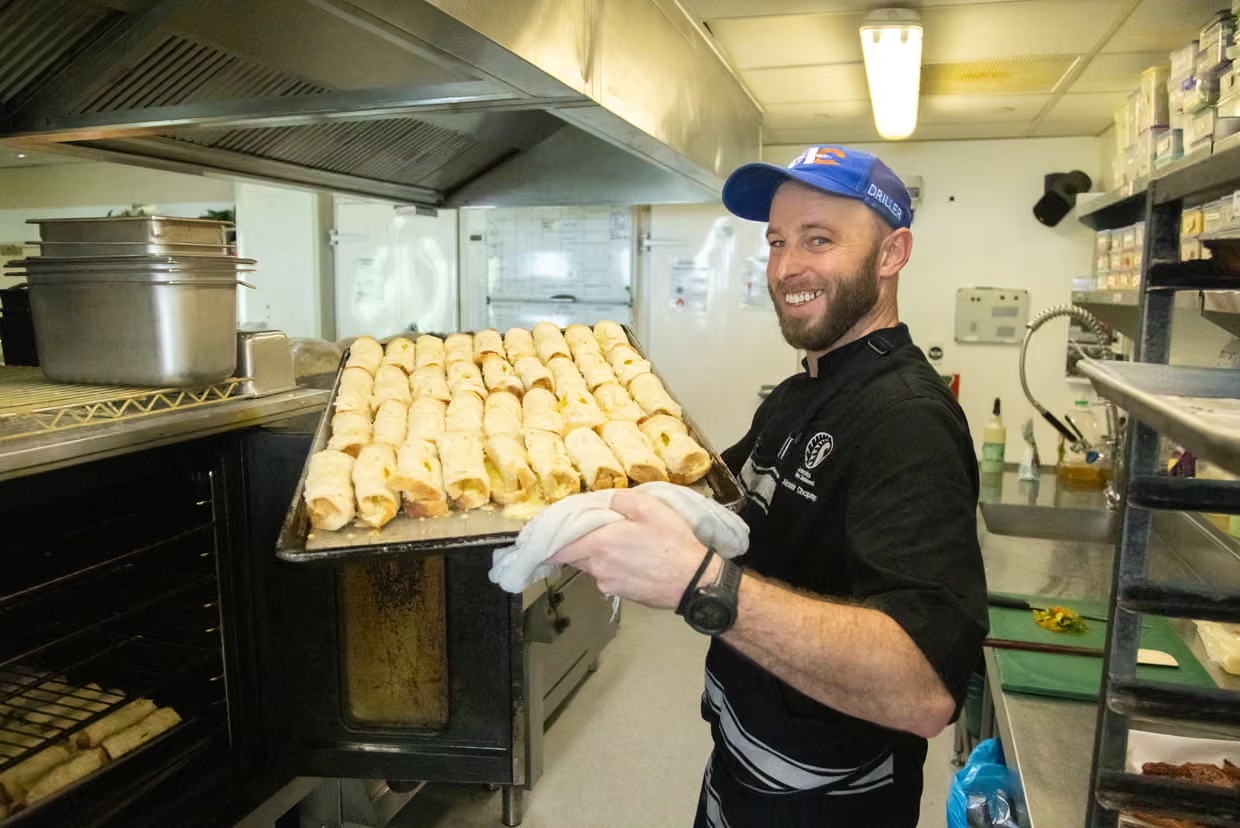 |
Chef Al Chapman with a batch of cheese rolls for staff at New Zealand's Scott Station in Antarctica. Photo: Anthony Powell / Antarctica New Zealand |
Chapman's biggest challenge was his ba months working at the SWAIS2C research camp, where he was the duy nhat chef. He cooked in a tent using an electric stove, with temperatures capable of dropping to negative 40 degrees C. All food was ordered mot year in advance, transported via a 15-day overland journey, and stored in a temporary facility deep beneath the ice.
Despite the harsh conditions, the menu there remained quite varied with meats like beef and venison. Fixed daily meals were maintained. For Christmas, there was ham, smoked salmon, roast beef, traditional cakes, and a rare tray of strawberries shared among 27 people at the camp.
According to those who have worked in Antarctica, in a prolonged harsh and isolated environment, desserts play a particularly important role for morale.
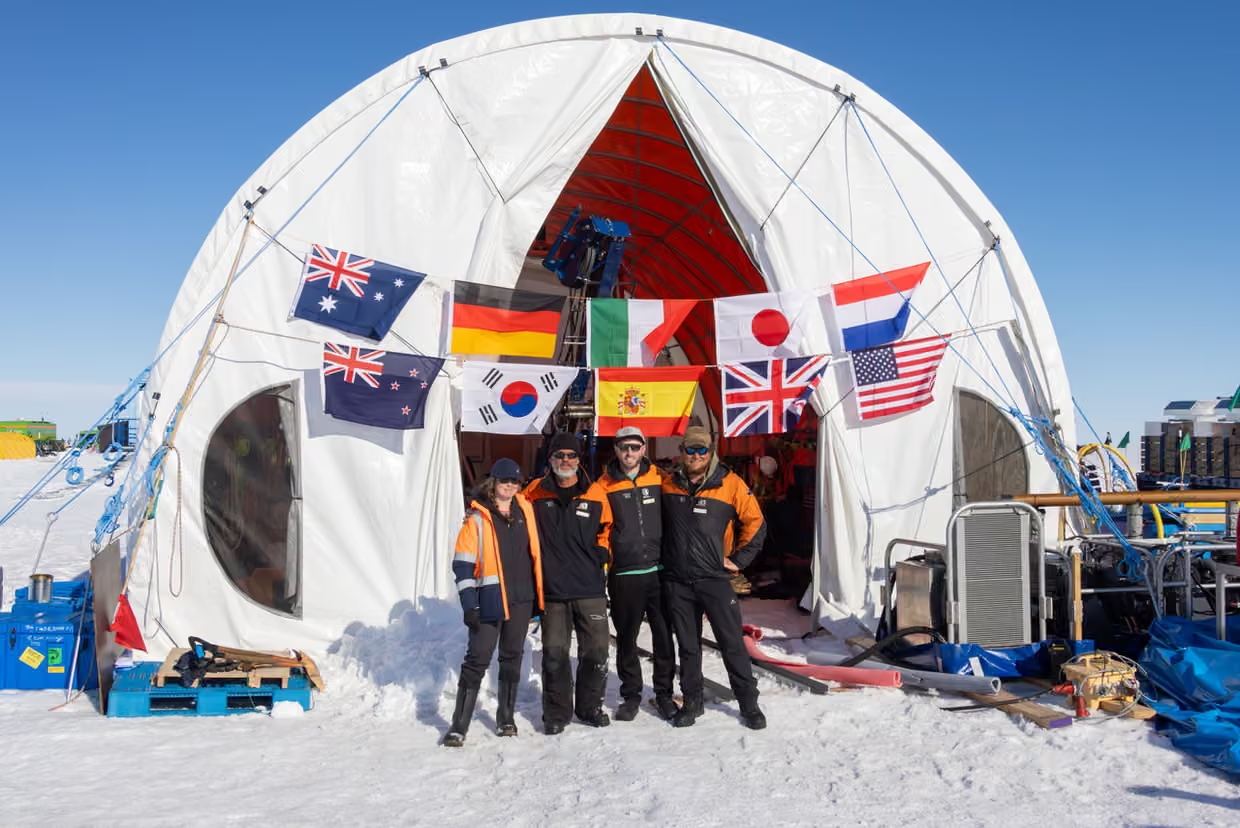 |
SWAIS2C research camp in Antarctica. Photo: Anthony Powell/ Antarctica New Zealand |
In 2001, at the Amundsen-Scott station at the geographic South Pole, about 50 wintering staff consumed too many chocolate chip cookies, forcing the supplier to limit distribution due to inability to resupply promptly. This decision caused much dissatisfaction and led to a group of staff organizing their own cookie distribution as a way to maintain morale throughout the long winter, with six months of no sunlight.
Despite the harsh working conditions, both Chapman and Rietveld wish to return to Antarctica. According to Rietveld, working in a confined environment helps chefs understand each person's tastes and eating habits. For Chapman, the kitchen at Scott Base also offers views of the sea ice.
"The kitchen has the most beautiful view at the end of this Earth", Chapman said.
Mai Phuong (According to Guardian)