 |
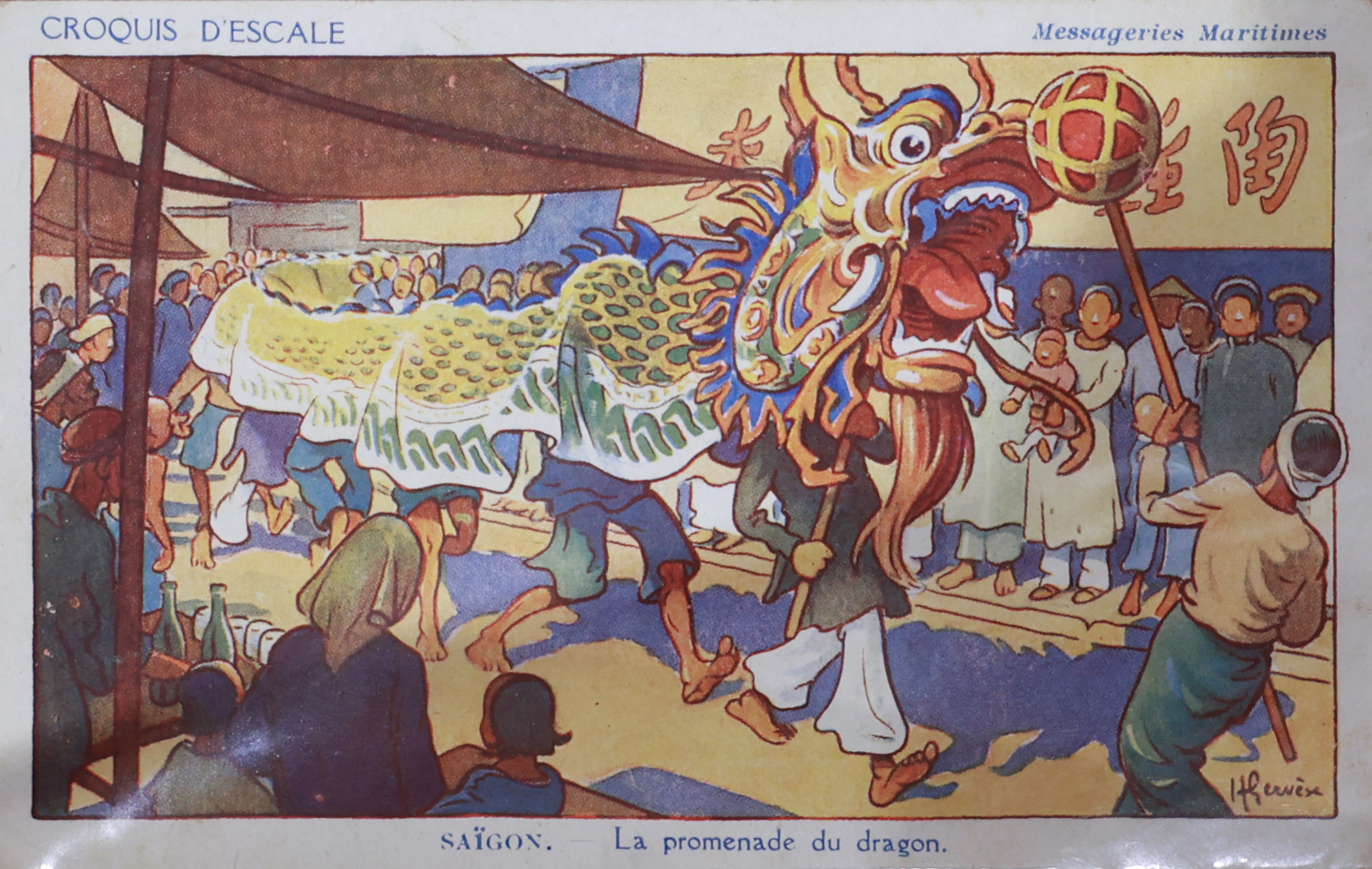
An engraving by artist Henri Gervese depicts a dragon dance on Saigon streets in the early 20th century. The image was printed on a postcard collected by Mr. Hung Loc. |
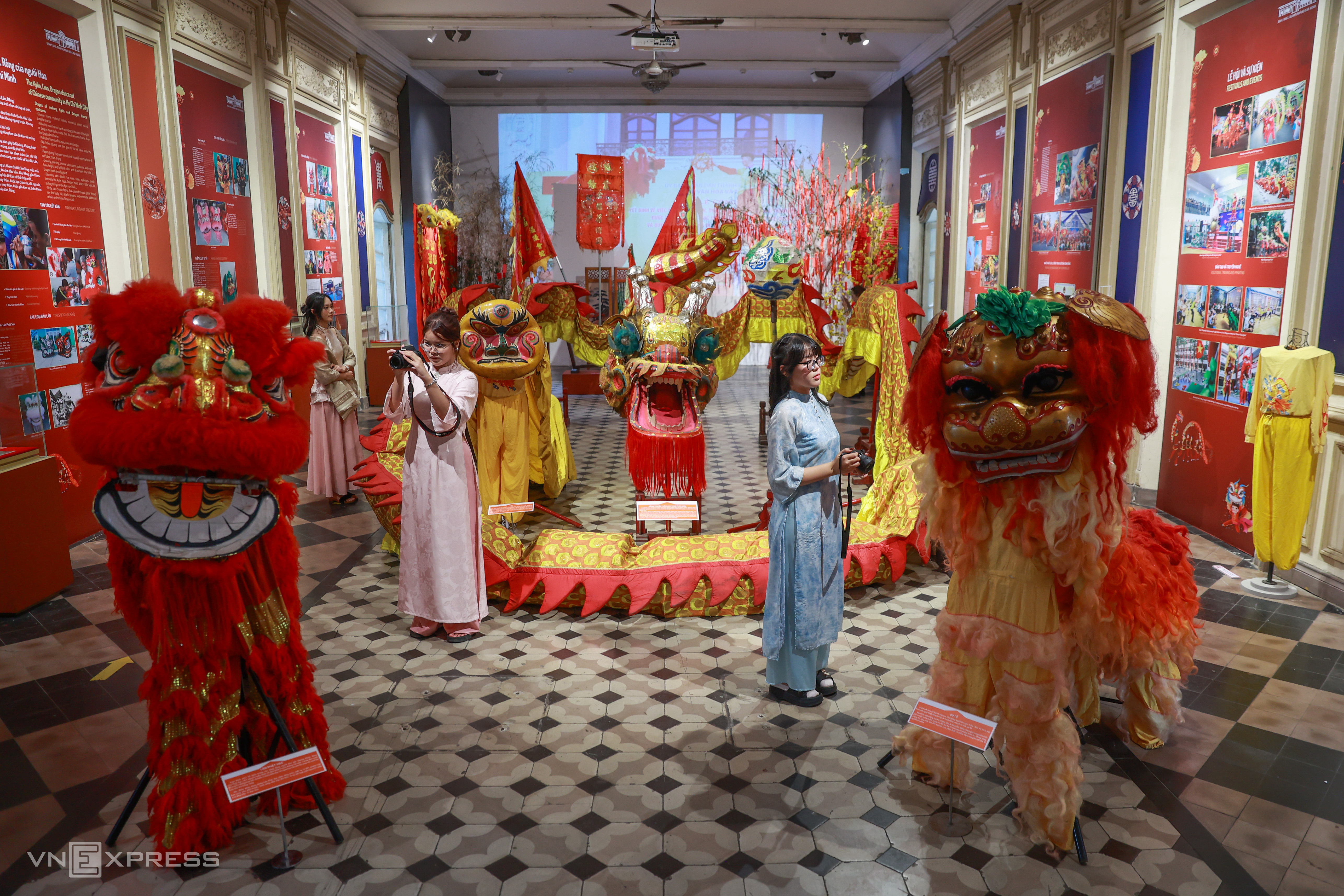
The Ho Chi Minh City Museum of History launched a special exhibition on the art of Lion, Unicorn, and Dragon dances by the Chinese community in TP HCM, beginning on 6/2. The exhibition features numerous images, documents, and artifacts related to this art form.
Lion, unicorn, and dragon dance is a folk art deeply rooted in community beliefs and festivals. It arrived in Saigon - Cho Lon with immigrant groups from the 17th to 19th centuries. In traditional belief, the unicorn symbolizes good fortune, the lion represents strength, and the dragon embodies prosperity. These dances typically appear during Tet (Lunar New Year), Nguyen Tieu (Lantern Festival), religious celebrations, or business openings.
 |
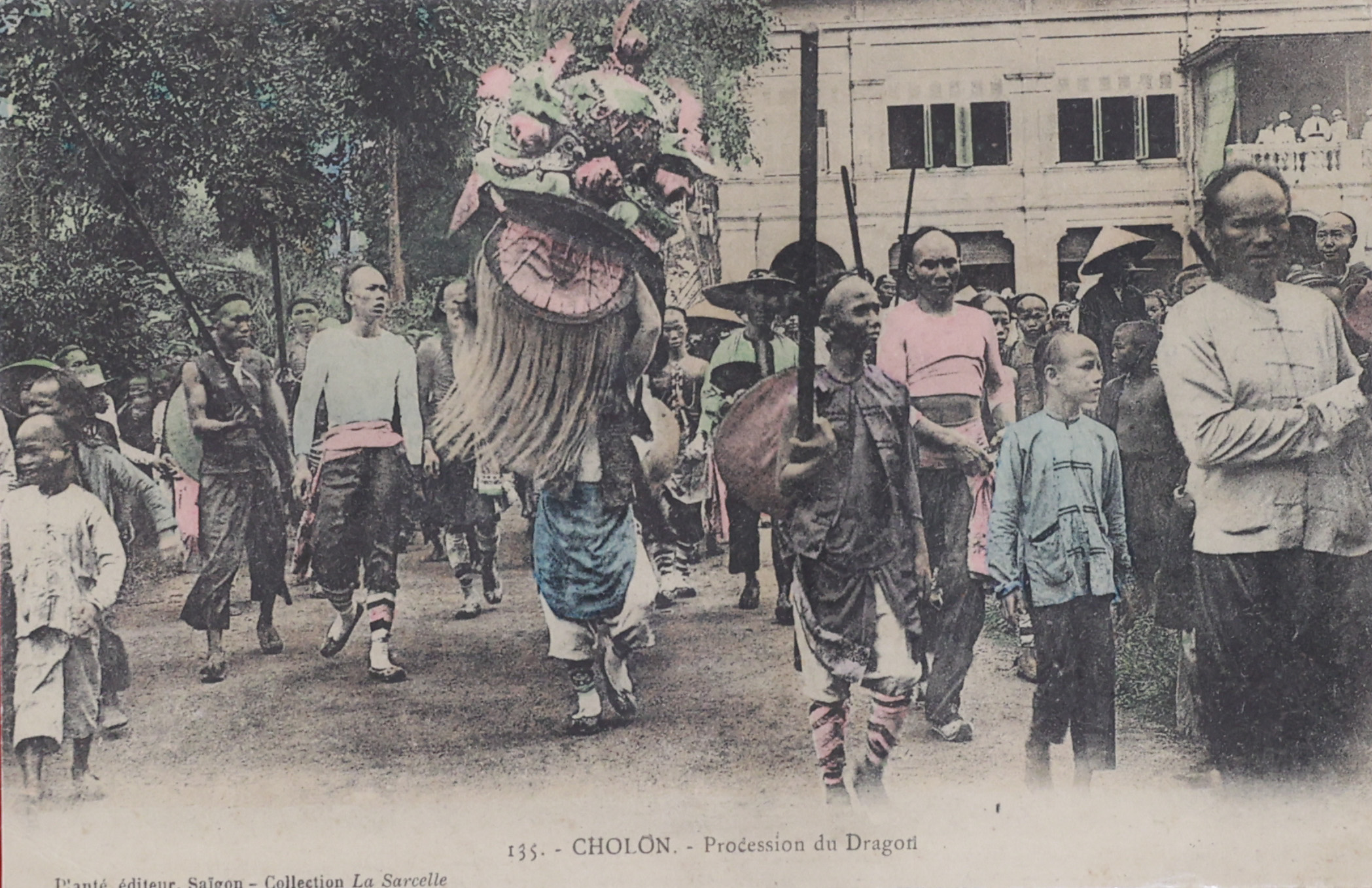
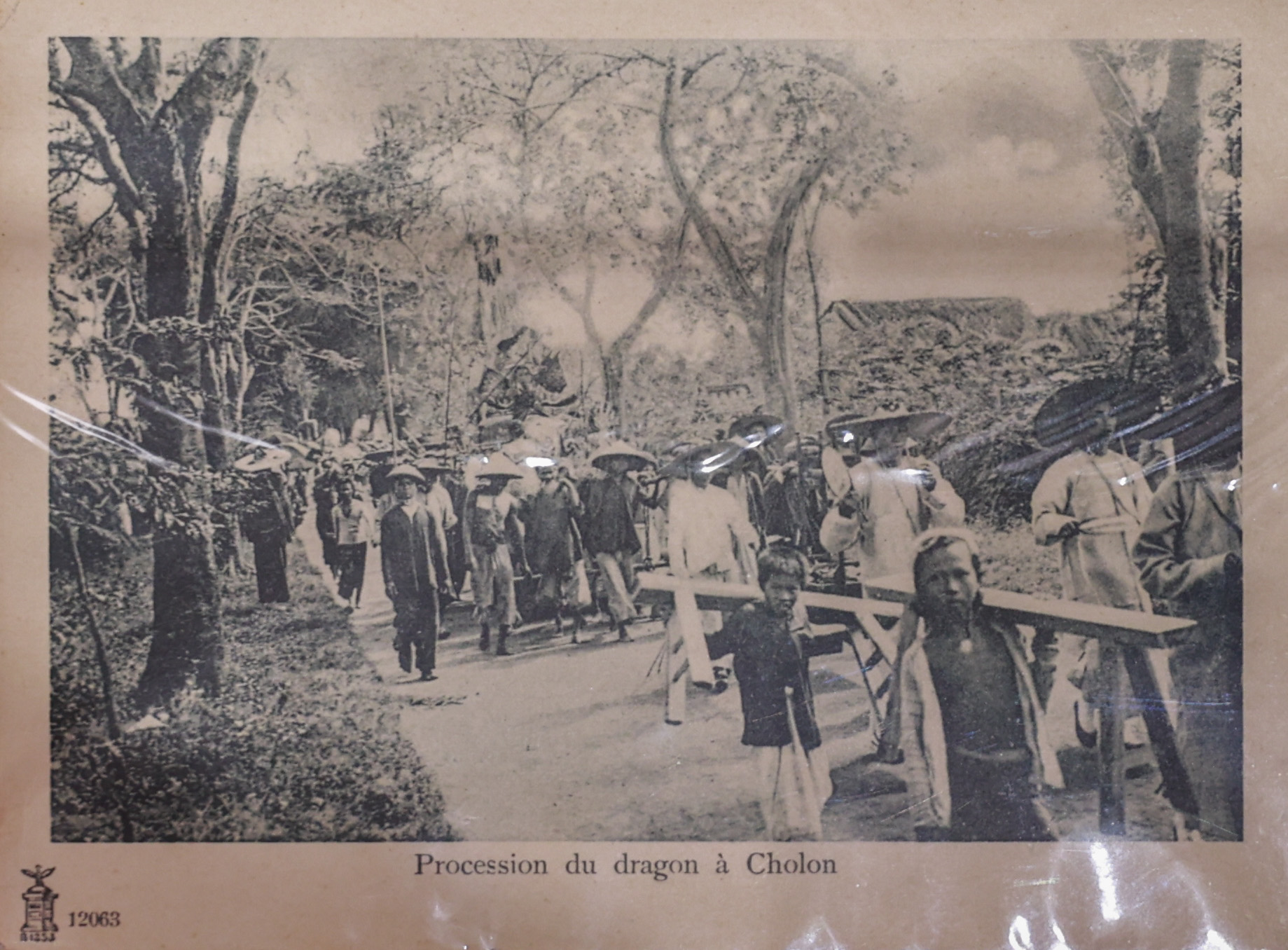
Two photos, taken around the 1900s, capture lion dances and dragon processions of the Chinese community in Cho Lon. The images show the lion and dragon procession leading the way, followed by a troupe with drums, gongs, and flags in traditional attire. |
Collector Nguyen Dai Hung Loc contributed about 20 old photographs depicting lion, unicorn, and dragon dance performances in Saigon from over 100 years ago. He stated that these artifacts are original, valuable documents collected over many years, with some photos never before published.
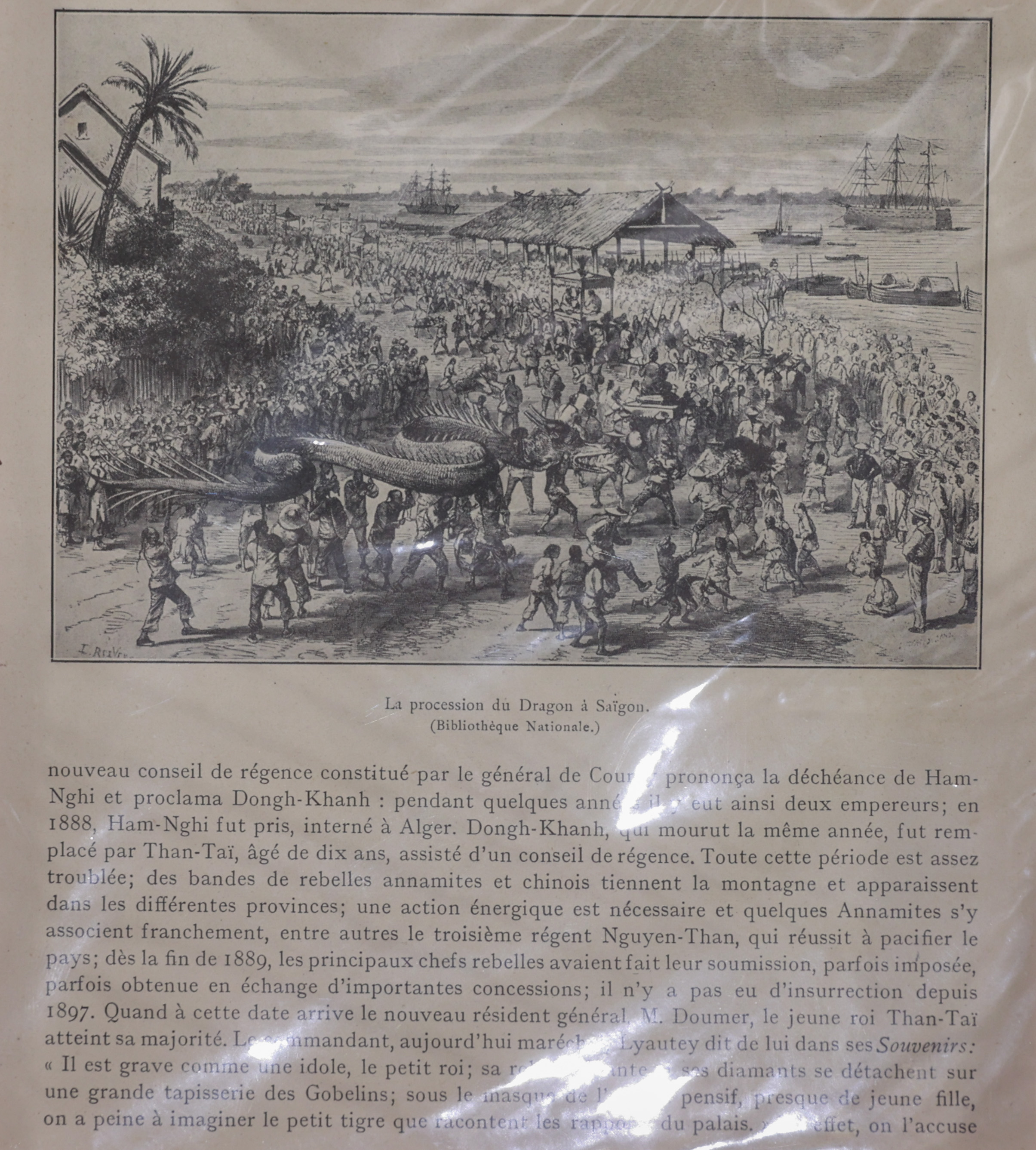
A prominent display is a newspaper article with an illustration titled "Dragon Procession in Saigon." The article discusses the period of political upheaval in Vietnam under French colonial rule, including the dethronement of Emperor Ham Nghi (1888) and the ascension of Emperor Dong Khanh, followed by Emperor Thanh Thai.
Mr. Hung Loc noted that the image was redrawn from an engraving from 1860. The illustration depicts a dragon procession along the Saigon River, in an area corresponding to today's Bach Dang Wharf.
 |
A dragon procession in Cho Lon, circa 1900-1910. The procession drew large crowds along the streets, reflecting the vibrant festival life of the Chinese community during the colonial era. |
 |
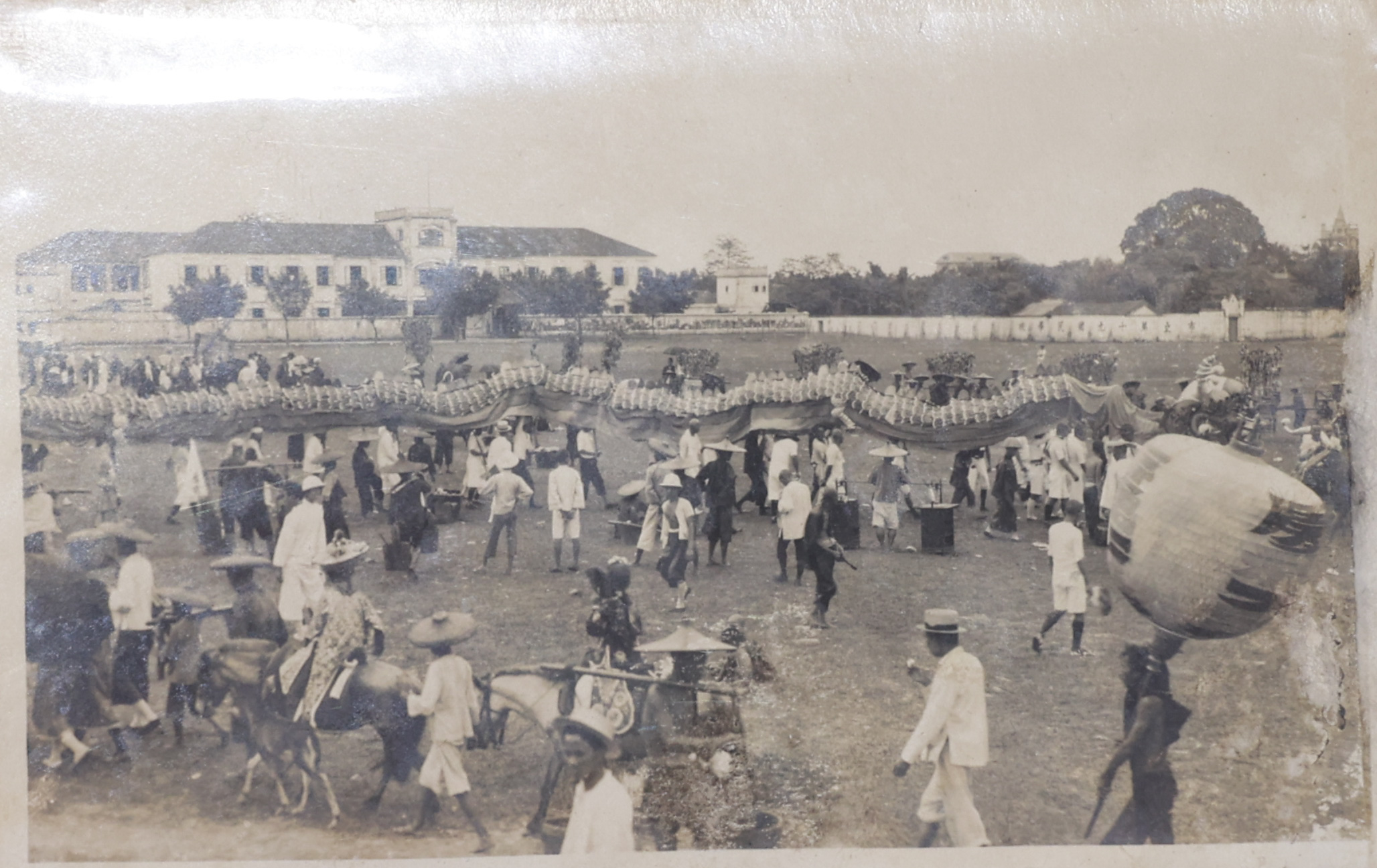
A lion, unicorn, and dragon dance troupe on the streets of Saigon, around 1921. |
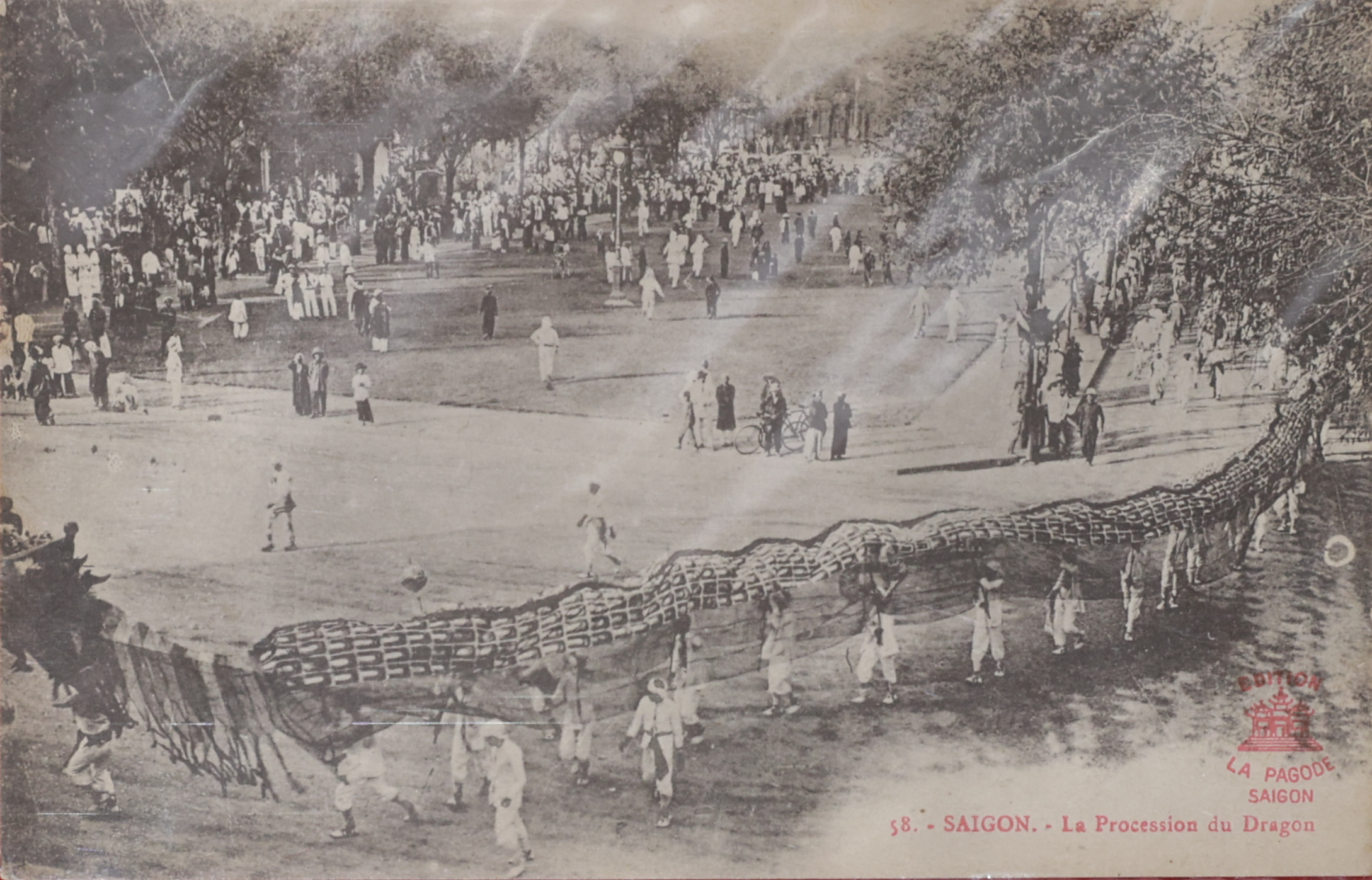
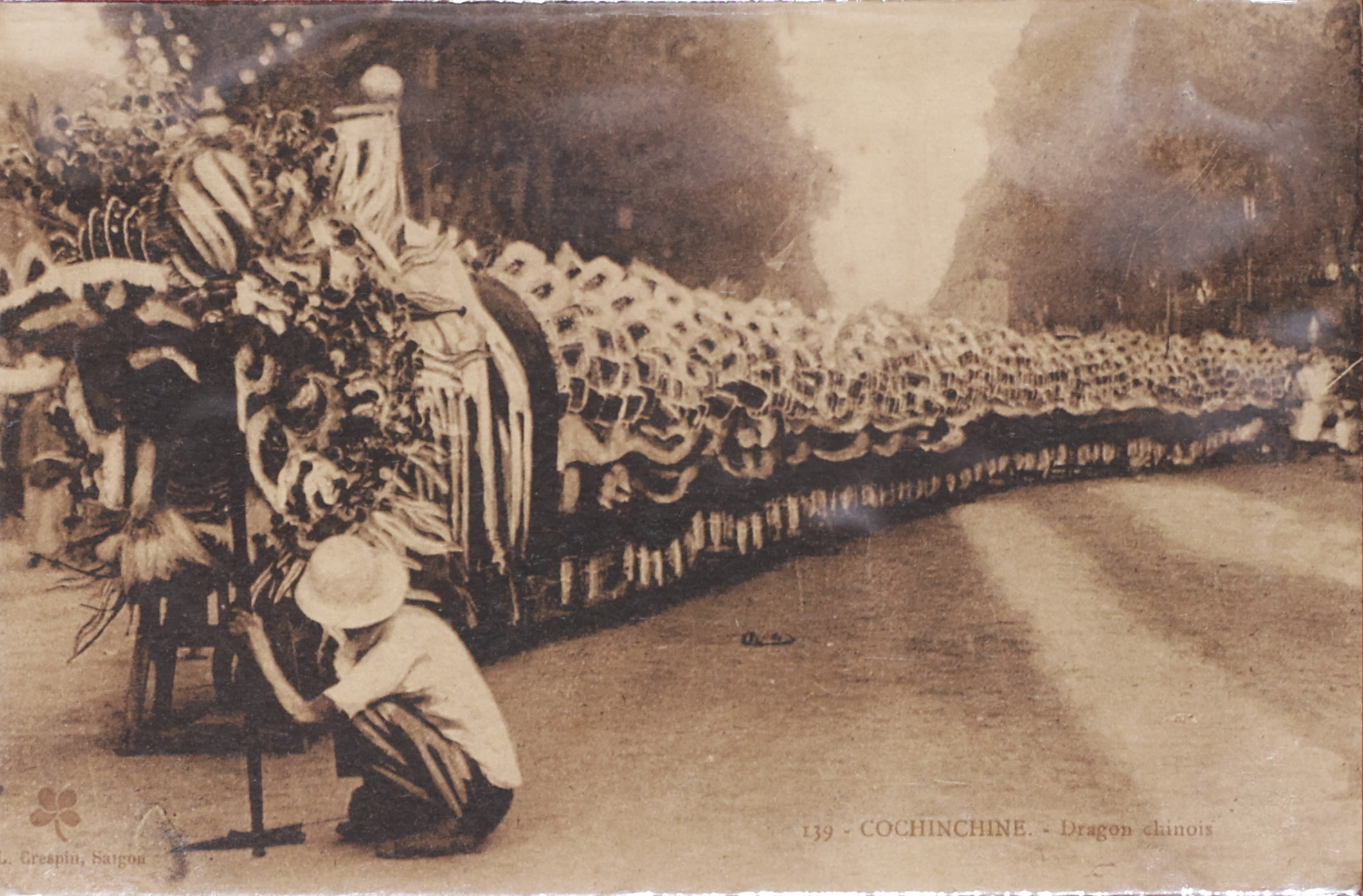
Residents watched a dragon dance in the early 20th century on Charner Street (now Nguyen Hue Street) in Saigon. The dragon in the photo measures about 50 m long and required over 25 performers.
According to the collector, the exact date of the photograph is unknown. However, based on the dirt road visible in the image, experts estimate the work dates to before 1905, as Charner Boulevard was paved after this period.
 |
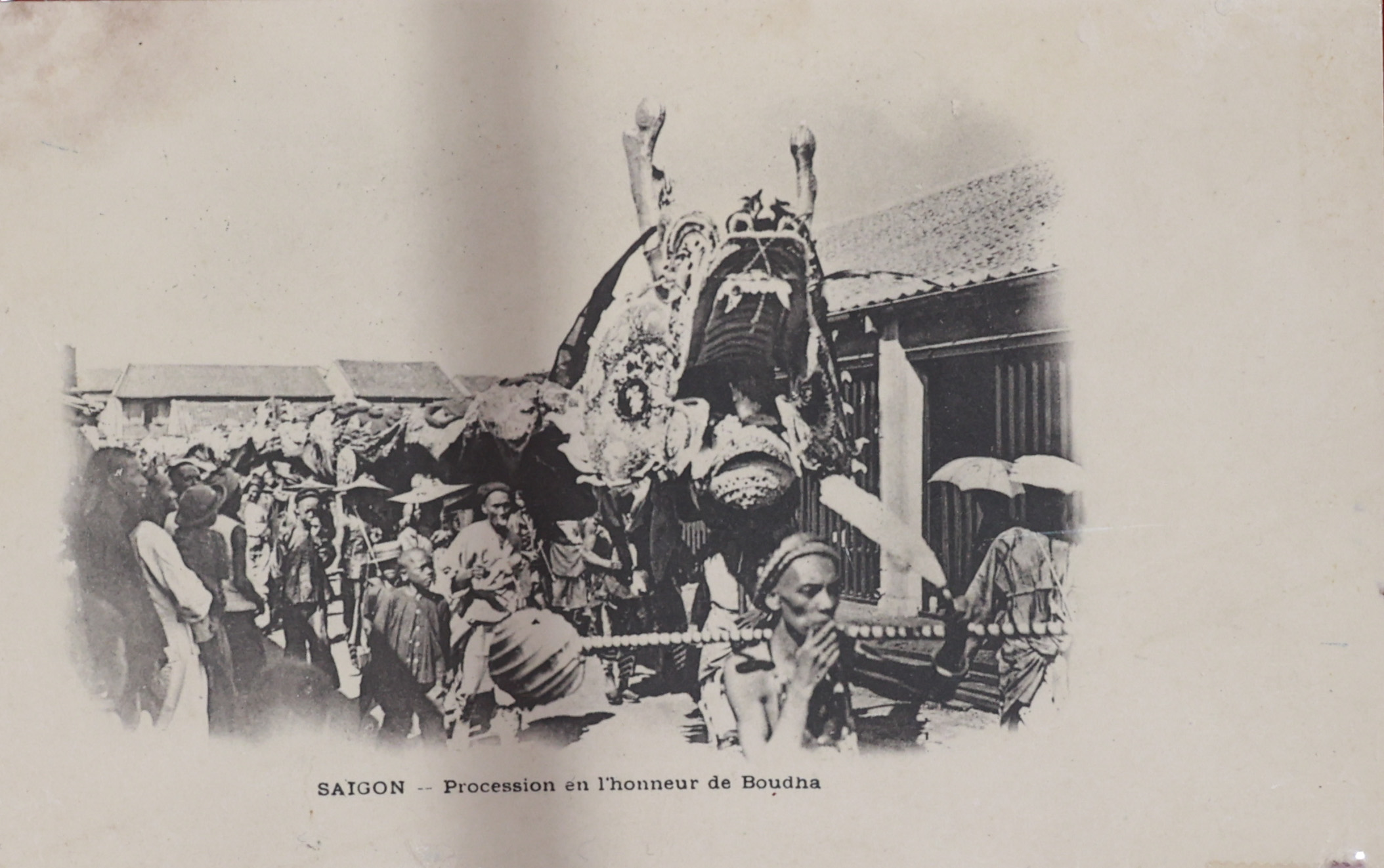
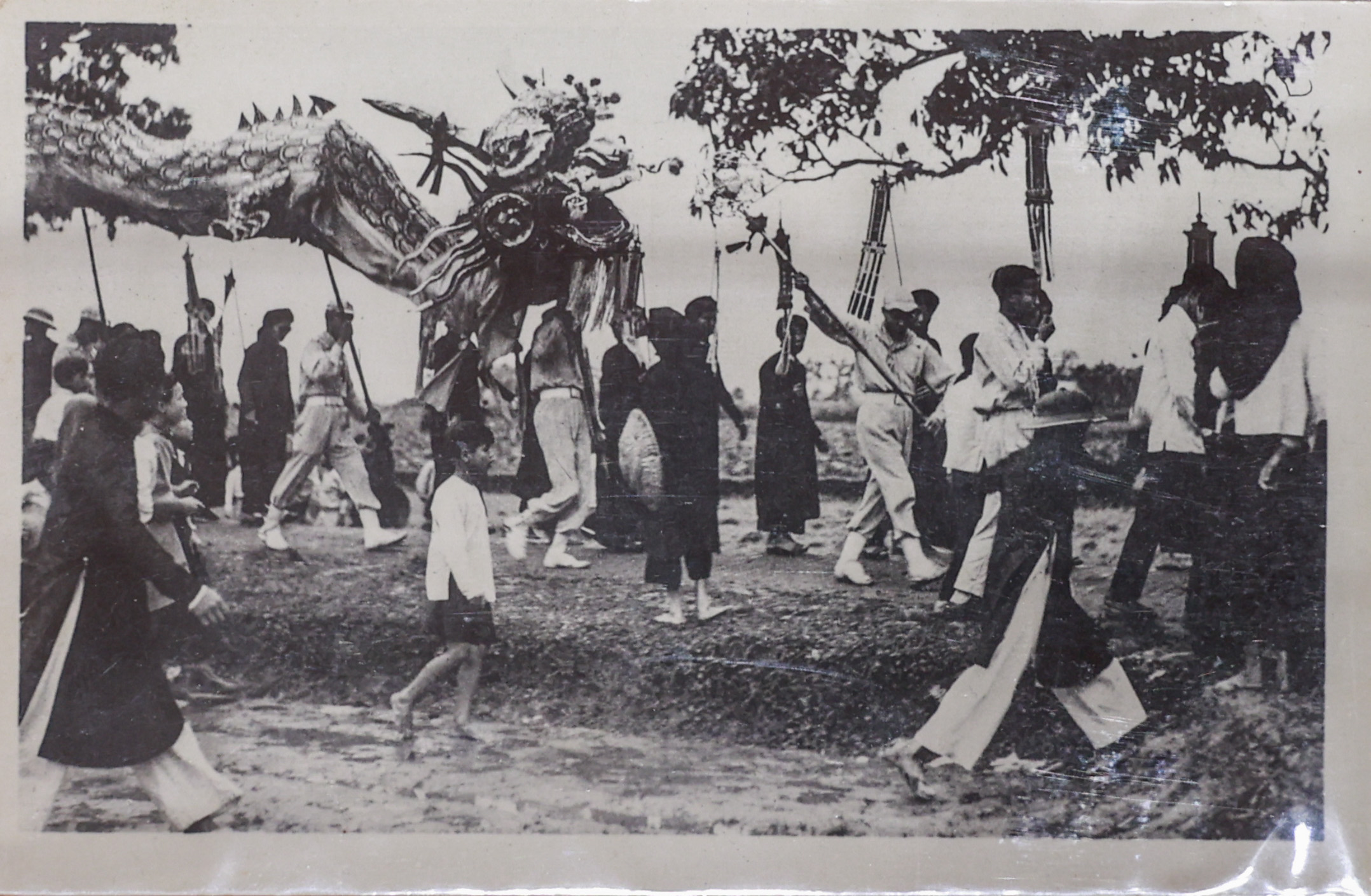
Two photos (location unknown) depict lively and bustling festival scenes with large dragons moving through the streets, around the early 20th century. |
 |
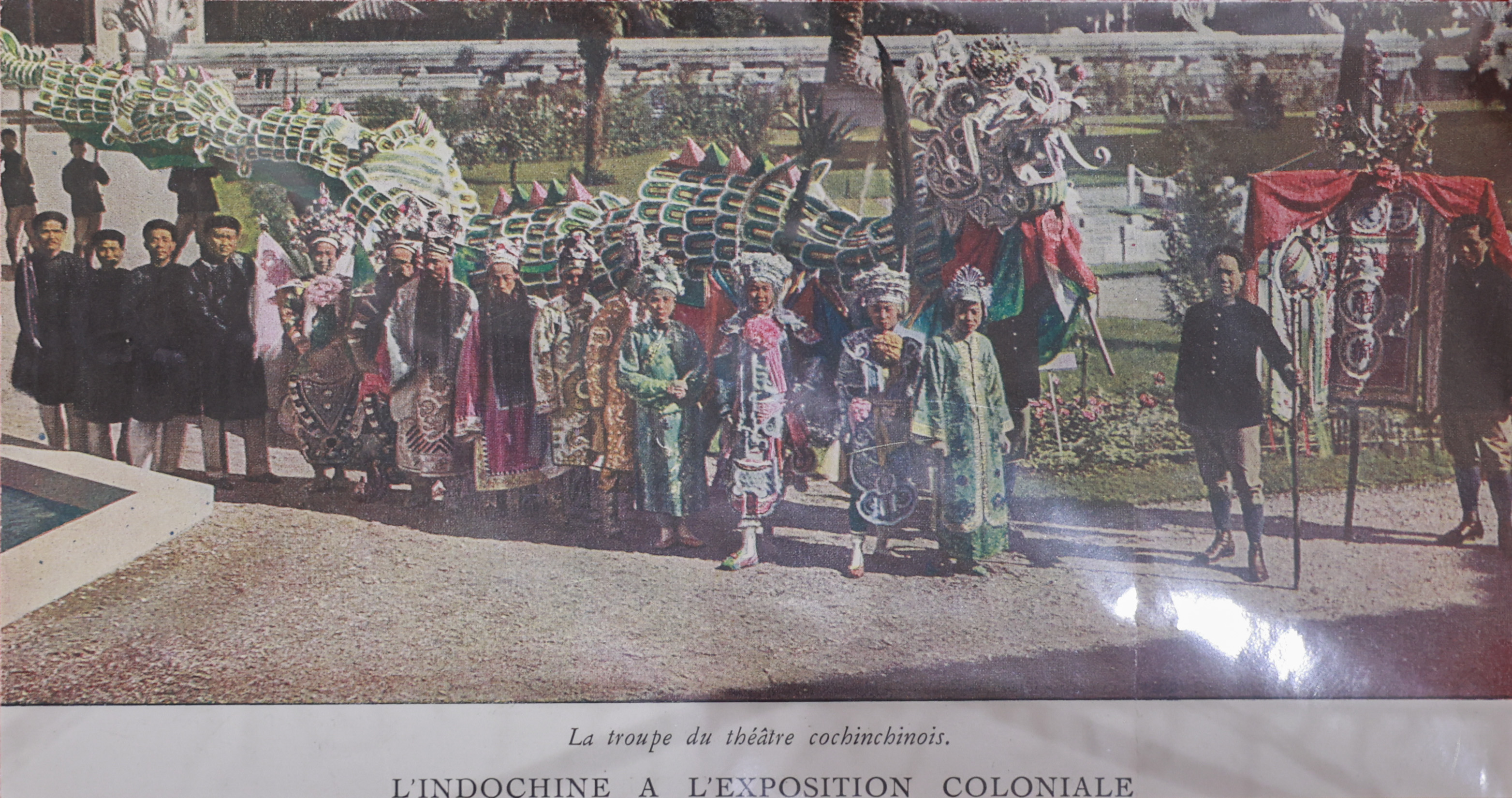
The Cochinchina - Indochina theater troupe participated in the Colonial Exhibition held in Paris, France, in 1931. The photo shows a group of people in traditional stage costumes of a theater company, with a multi-segmented dragon head behind them. |
 |
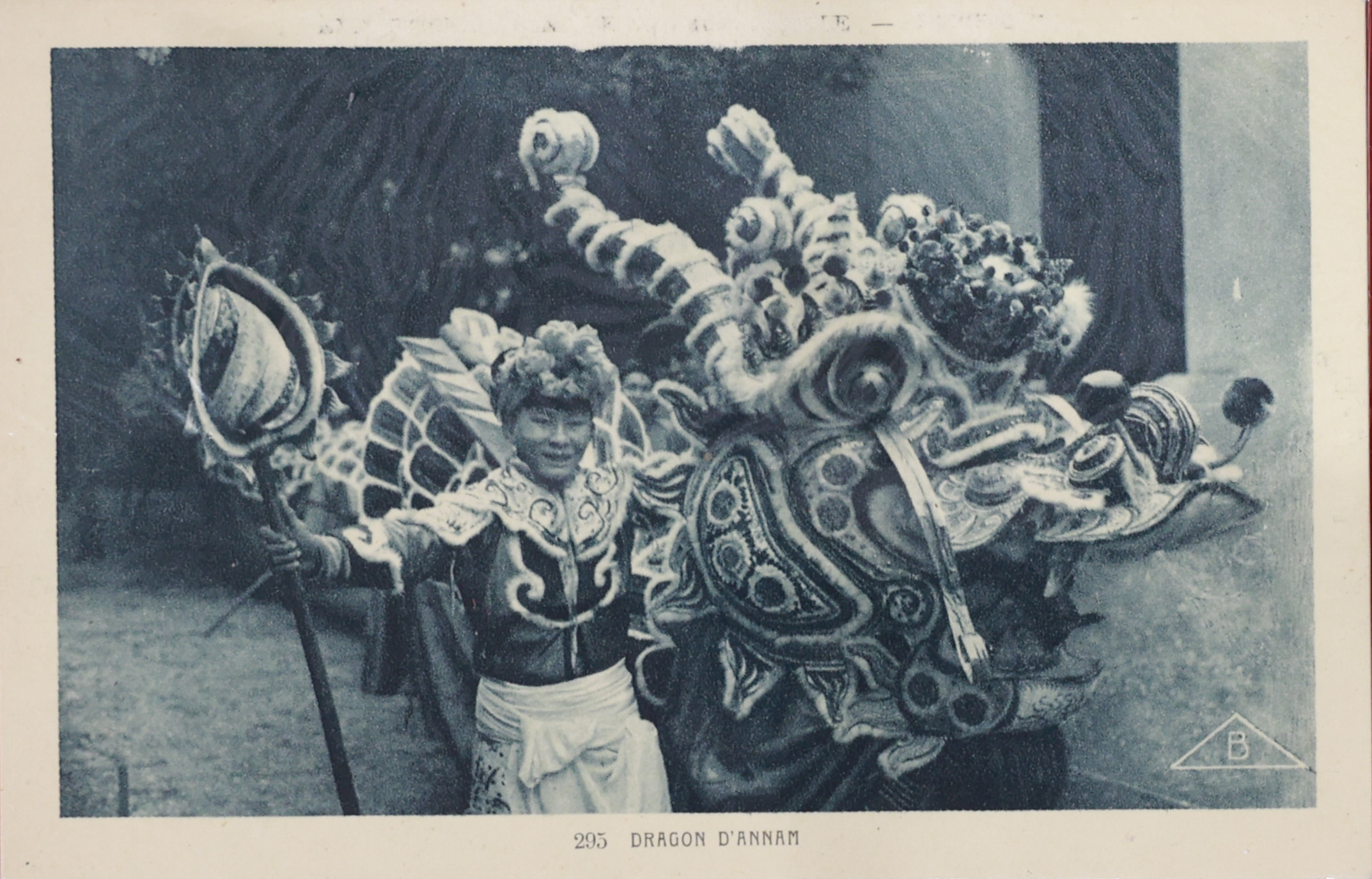
A performer prepares for the dragon dance segment of the Annam art troupe at the Colonial Exhibition in Paris, France, in 1931. |
 |
 |
 |
 |
 |
The exhibition also displays many artifacts, including various types of dragons, unicorns, musical instruments, and costumes from lion, unicorn, and dragon dance troupes in TP HCM. A highlight is a 26 m long dragon from the Kim Long Phuc Kien troupe, crafted in 2000.
The exhibition is part of the "Celebrating Binh Ngo Spring - Glorious Party" series of activities, commemorating the 96th anniversary of the founding of the Communist Party of Vietnam (3/2/1930 - 3/2/2026) and welcoming the Binh Ngo Lunar New Year 2026. The program runs until 31/3, with museum admission priced at 30,000 dong per visitor.
The Ho Chi Minh City Museum is a mansion built in the late 19th century, which served as a workplace for the French colonial administration and later for the Saigon government. The building features European architecture with Asian elements, currently displaying thousands of artifacts and documents on the formation and development of Saigon - TP HCM. With its unique architecture, the building is a familiar attraction for tourists, drawing many young people for photos.
Quynh Tran