A study by the United Nations Development Programme (UNDP) on plastic pollution in the tourism sector, conducted in Ninh Binh and Da Nang and released on 6/2, indicates that behind impressive visitor numbers and revenues lies a clear and growing environmental pressure. Plastic waste pollution is gradually becoming an economic risk for the tourism industry itself.
In 2025, Vietnam's tourism sector is projected to welcome nearly 22 million international visitors and 135 million domestic tourists, establishing the sector as a key economic driver. It directly contributes nearly 9% to the total GDP and aims to increase this direct contribution to 12-14% of GDP by 2030.
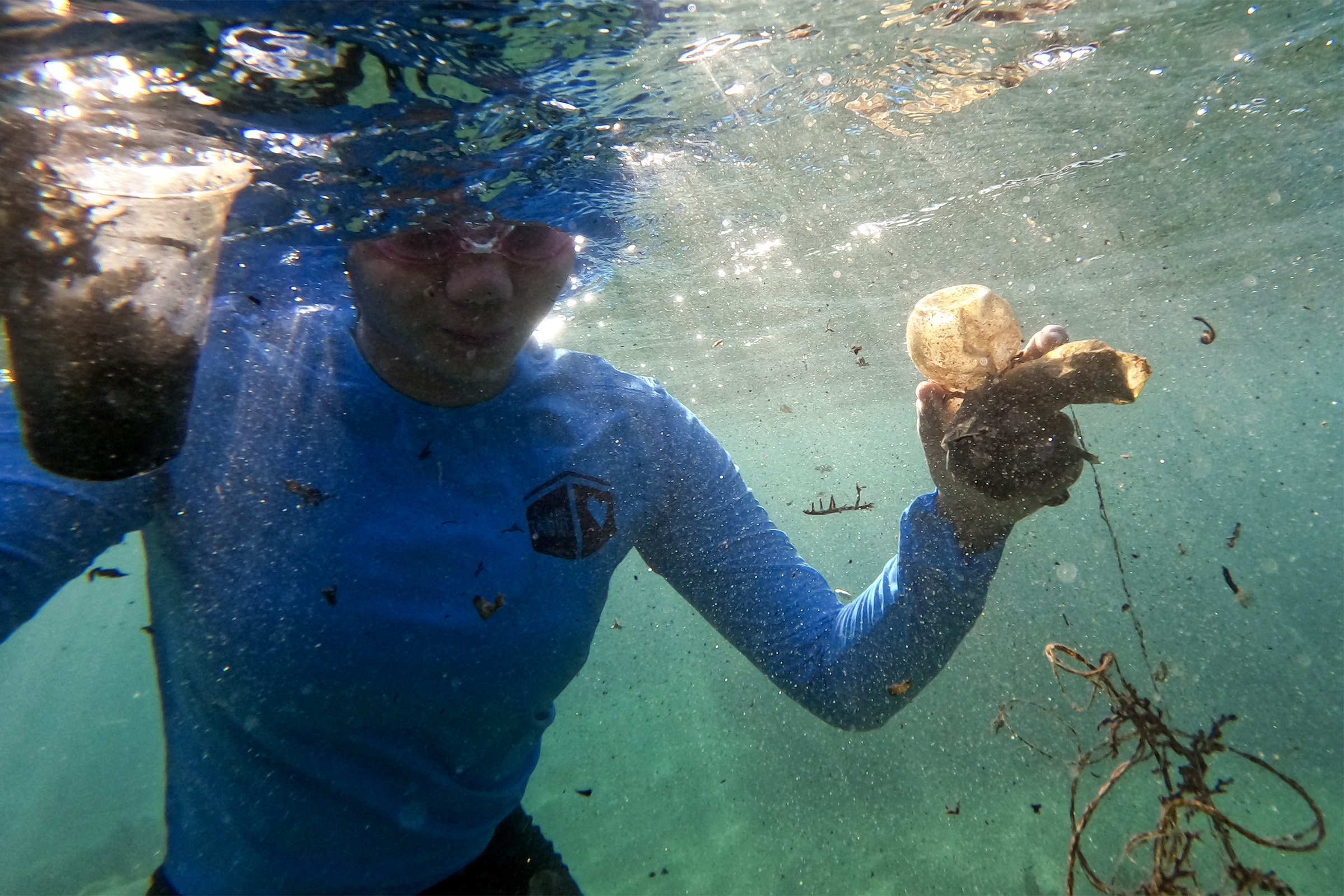 |
Volunteers collect waste from the sea in Da Nang. Photo: *Nguyen Dong*
In 2025, Ninh Binh expects to welcome approximately 19,4 million visitors, generating revenue exceeding 21,000 ty VND. Da Nang anticipates around 20,3 million visitors, with total tourism revenue estimated at 70,000-72,000 ty VND. The significant scale and high concentration of tourism activities demonstrate a close correlation between visitor numbers and the amount of waste generated, particularly plastic waste.
According to UNDP, solid waste from tourism activities in Ninh Binh amounts to approximately 27,2 tons daily. While this figure represents only about 1,08% of the province's total waste, in key tourist communes like Hoa Lu, tourism-related waste can account for up to 20% of the total. Notably, plastic waste constitutes about 18,5%, equivalent to more than 5 tons each day.
In Da Nang, a city with developed tourism and urban infrastructure, tourism waste reaches nearly 118 tons daily, accounting for nearly 6% of the city's total waste. Of this, plastic waste comprises approximately 16 tons. This large volume of waste places increasing pressure on urban waste collection and treatment systems, as well as the coastal marine environment.
A key finding of the study is that tourists generate significantly more waste than local residents. On average, a tourist staying in Da Nang discards over 2 kg of waste daily, more than two times the approximately 0,5 kg per day generated by tourists in Ninh Binh.
Specifically for plastic waste, each tourist generates between 0,12 and 0,27 kg daily, 1,7-two times higher than local residents. This indicates that tourists are the primary source of plastic waste at these destinations, contrary to previous beliefs that focused on local communities.
 |
Tam Coc - Bich Dong tourism activities in Ninh Binh. Photo: *Le Hoang*
The composition of plastic waste also reflects the unique tourism characteristics of each locality. In Ninh Binh, PET plastic bottles account for 38% of total plastic waste, followed by plastic bags at approximately 19%. The prevalence of boat tours and long walking routes in heritage sites and caves drives the demand for bottled water.
Conversely, in Da Nang, plastic bags and single-use plastic products constitute the largest proportion, around 23,7%. This reflects habits related to takeaway food, quick shopping, and convenience services associated with beach tourism.
The study also highlights a paradox: a high recycling rate does not necessarily mean a low plastic leakage rate. Ninh Binh boasts a plastic waste collection and recycling rate of over 47%, attributed to the economic value of PET bottles and the strong participation of informal collectors.
"However, the rate of plastic leakage into the environment remains high, at about 9%, equivalent to nearly half a ton daily. Complex riverine terrain, cave systems, and limited collection systems in rural areas are the main causes," the UNDP report states.
Meanwhile, Da Nang has a lower recycling rate, about 14%, because most plastic waste consists of low-value items like plastic bags and foam containers, which are often landfilled. Thanks to its relatively synchronized urban infrastructure, the plastic leakage rate into the environment is only about 0,75%. However, this leaked plastic primarily flows into the sea, causing serious ecological impacts and directly affecting the image of a coastal tourist destination.
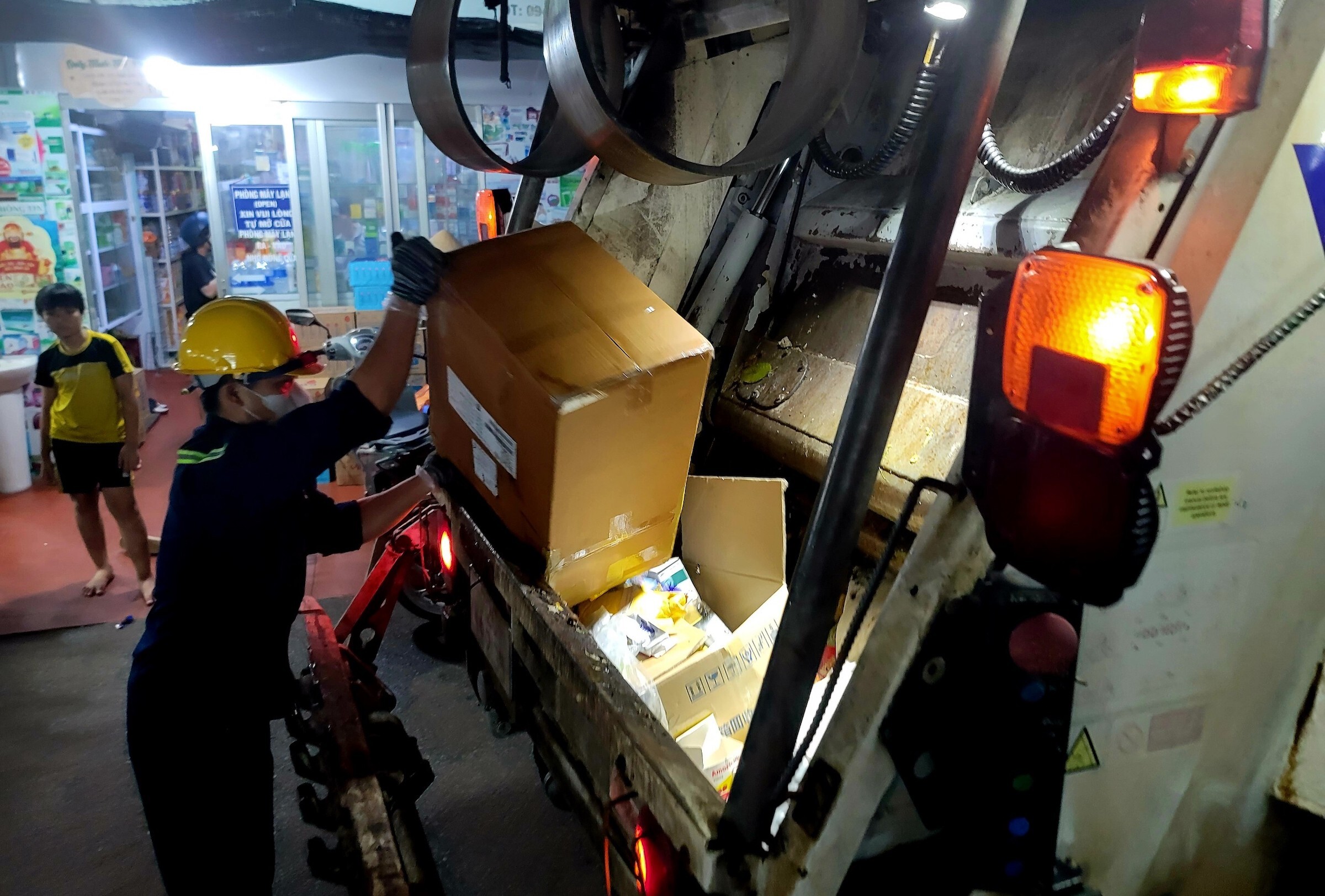 |
Waste collection in Con Dao. Photo: *Gia Chinh*
A systemic bottleneck identified by the study is the breakdown in collection and transfer. In many areas, tourism businesses sort waste at the source, but the waste is then mixed during collection, rendering sorting efforts ineffective and eroding trust among businesses and communities.
Regarding behavior, a significant gap persists between awareness and action. While 95-100% of surveyed businesses acknowledge the harm of plastic waste, over 80-95% continue to provide single-use plastic items. The cost of alternative products, convenience, and a lack of stable supply are key barriers. Among tourists, although many express support for green tourism, most are only willing to pay less than 10% extra for environmental protection activities during their trips.
UNDP has quantified the cost of inaction. In Ninh Binh, economic damage due to plastic pollution is estimated at approximately 606,7 ty VND annually, equivalent to 3% of tourism revenue. A large portion of this comprises brand loss and reduced tourist return rates.
In Da Nang, this figure rises to approximately 1,747 ty VND each year, equivalent to 6,5% of tourism revenue. This includes costs for waste collection, treatment, infrastructure repairs, and the loss of high-end tourist segments.
Ha Van Sieu, Deputy Director of the Vietnam National Authority of Tourism, emphasized that plastic waste reduction is no longer an option but an essential requirement for sustainable, green, and responsible tourism development.
According to him, the Vietnam National Authority of Tourism commits to considering research findings, consultations, and recommendations to refine policies, guide product development, and enhance inter-sectoral coordination. These efforts aim to promote green transformation within the tourism industry.
"This strategy offers dual benefits: protecting communities while enhancing the quality of national tourism services and upholding the brand value of Vietnam's tourism," he said.
Gia Chinh