Many passengers follow these instructions but question the true purpose of this position, wondering if it is truly necessary and if it helps keep them safer.
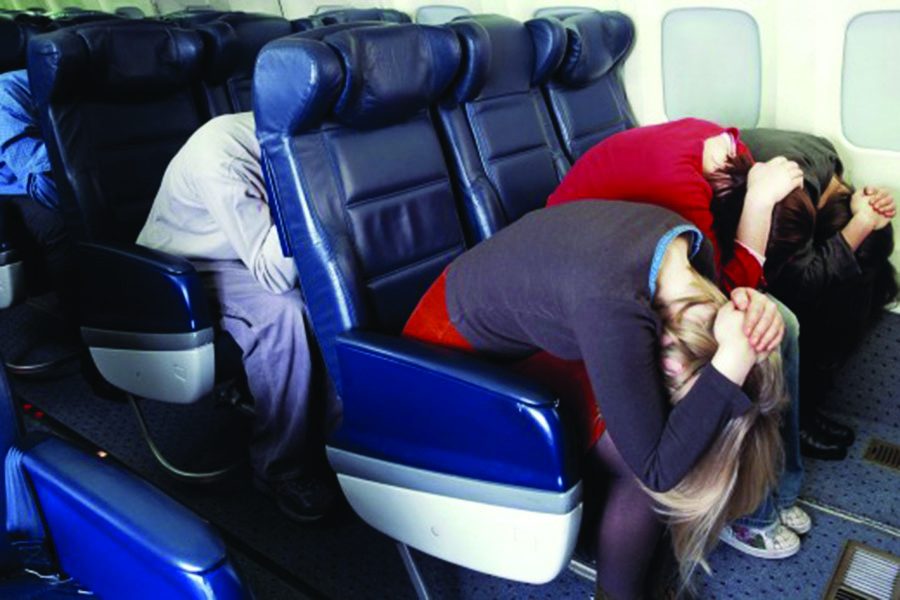 |
The safe position flight attendants instruct passengers to adopt during an airplane incident. Photo: Ehsthunderbolt
Nick Eades, one of the pilots with the most Boeing 747 flight hours globally, revealed the reason crew members require passengers to perform this action. According to Eades, flight attendants are helping passengers prevent neck fractures during a severe impact, providing optimal protection for the head and neck, and minimizing injury to these two critical areas.
"It's like whiplash injury. You are trying to avoid the sudden jerking motion of the head, which can cause severe, even fatal, injuries", Nick said. He added that flight attendants are guiding passengers to position their bodies for minimal injury.
Nick noted there is still confusion about the position, so in the future, flight attendant announcements might change to be clearer. Instead of a long sentence, future announcements could simply be: "Head down and cover your head".
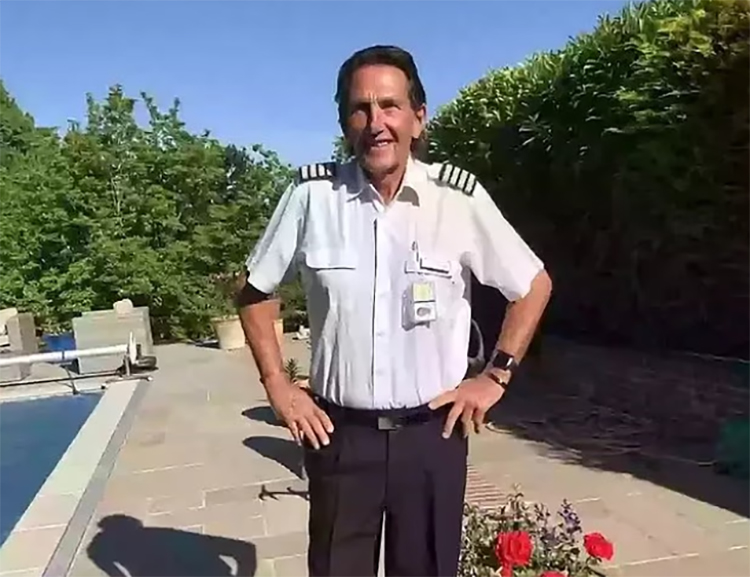 |
Pilot Nick Eades, author of "Still Improving: Becoming the World's Most Experienced 747 Captain". Photo:
In addition to guidance on positions to minimize casualties during airplane incidents, many aviation experts in the UK and US have also offered advice to help passengers ensure safety while flying. Instead of browsing on their phones, passengers should pay attention to the flight attendants' instructions before takeoff and carefully observe the emergency exit closest to their seat.
Some experts also advise passengers on choosing comfortable seats. However, to date, no research has indicated the safest position on an airplane during an incident.
Anh Minh (According to DM)