At a Christmas party, mulled wine typically accompanies the main meal, while eggnog serves as a dessert beverage. Mulled wine helps warm the body, offering a smooth, non-cloying taste. In contrast, eggnog is sweeter and richer, intended for dessert, and often enjoyed cold.
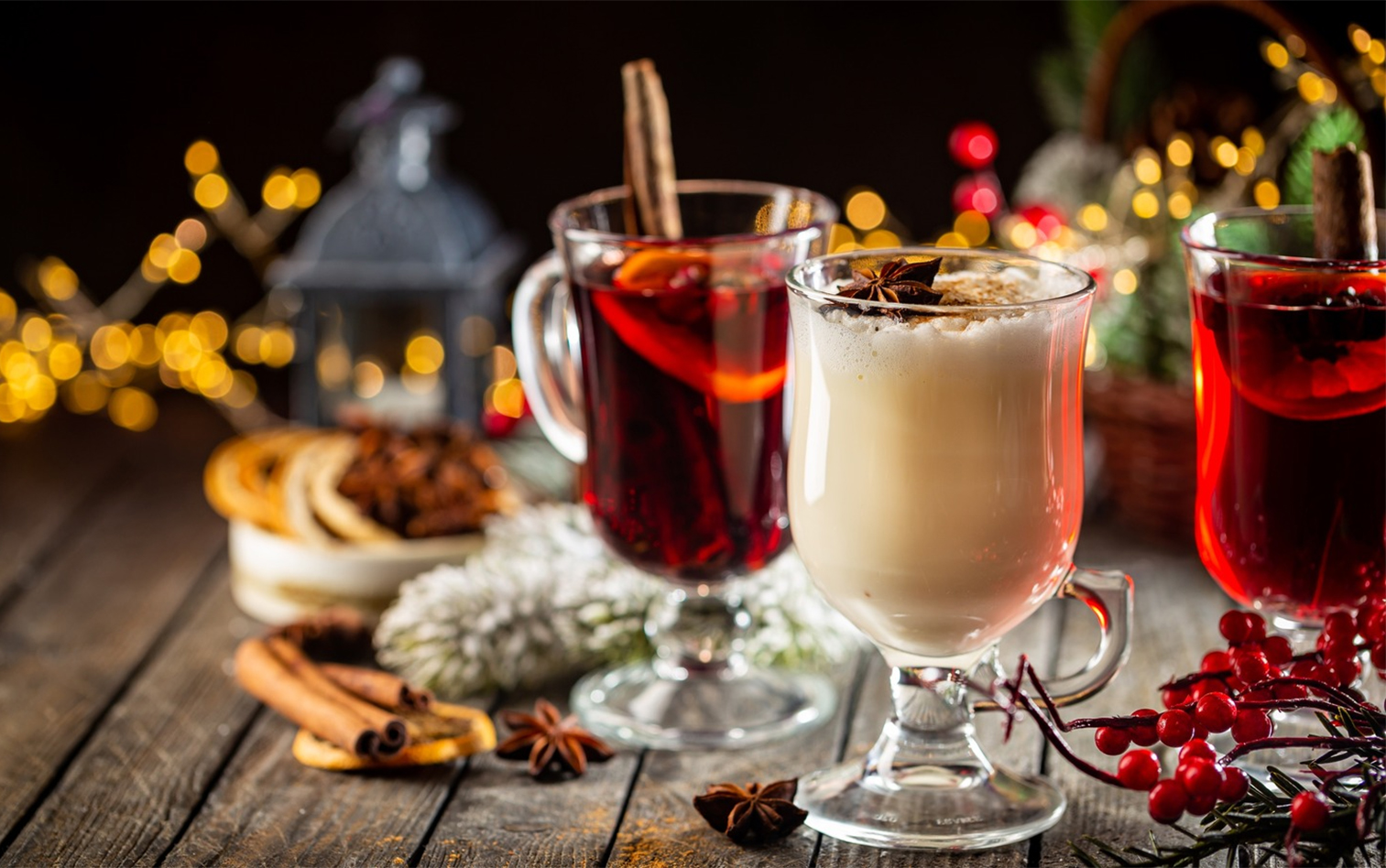 |
Christmas Eve duo. Photo: Mashed |
Christmas Eve duo. Photo: Mashed
Mulled wine is a staple at most Christmas parties. According to Taste Atlas, a premier global culinary website, this warming beverage is popular across Europe. It is traditionally savored throughout the year-end festive season, particularly at family reunions and Christmas markets.
Mulled wine's origins trace back to around the 2nd century, credited to the Romans. They would warm red wine during winter, infuse it with spices, and carry it on their European conquests. Consequently, the drink gained widespread popularity in regions where the Romans established trade.
Most recipes feature warmed and sweetened red wine, infused with common spices such as cinnamon, star anise, and cloves, along with fruits like lemon and orange. Some variations also incorporate local spirits, fortified wines, or liqueurs.
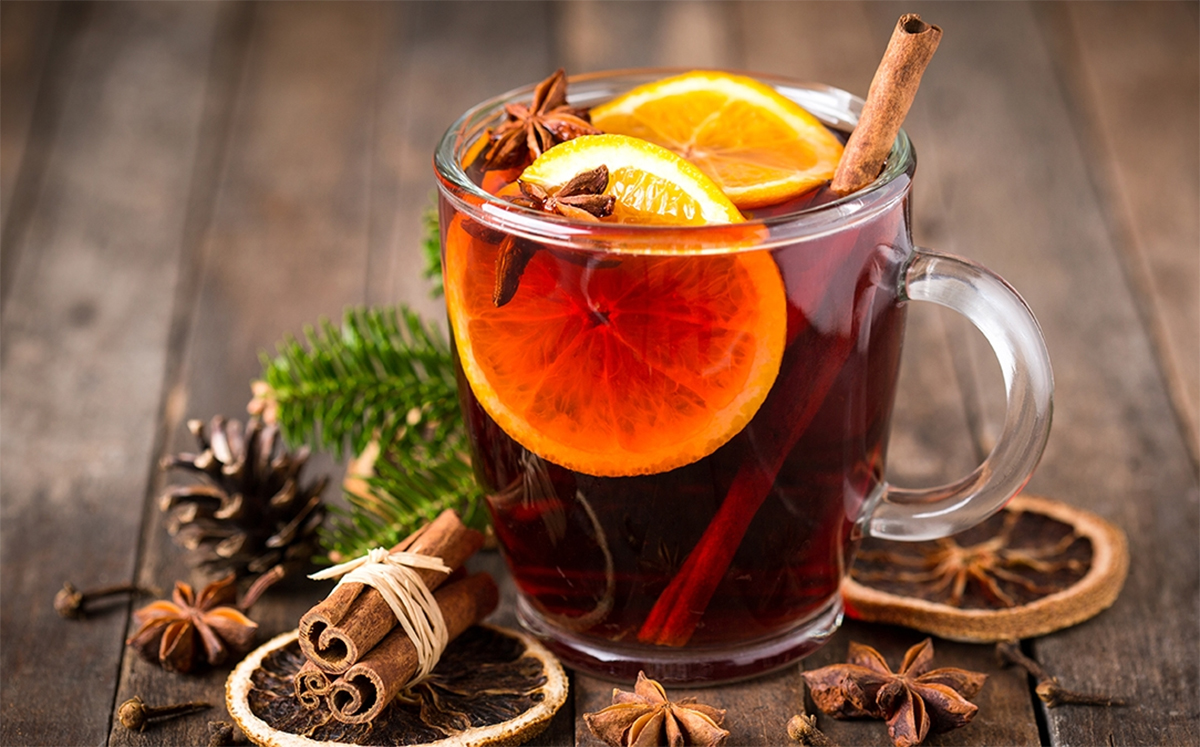 |
Mulled wine offers spicy and sweet notes, with an aroma of cinnamon and other spices. Photo: Harry&David |
Mulled wine offers spicy and sweet notes, with an aroma of cinnamon and other spices. Photo: Harry&David
Mulled wine should be served warm. It is typically presented in ceramic or porcelain mugs with handles, ensuring a comfortable grip without burning hands. Some establishments opt for tall, thick glass mugs. A wide mouth on the mug is common, allowing drinkers to enjoy the wine unimpeded by garnishes such as thin orange slices, cinnamon sticks, or star anise.
Eggnog, on the other hand, was first documented in the US in the late 18th century, with its Christmas association dating back to 1793. That year, a Virginia newspaper reported an evening brimming with "joy and festive atmosphere," energized by eggnog. However, the drink's roots lie in "posset," a medieval English beverage. The term "nog" is thought to derive from "noggin," a phrase describing a small wooden-handled cup often used for alcoholic drinks.
Taste Atlas also notes that eggnog is prepared quite simply, using heavy cream, milk, sugar, eggs, a touch of whiskey or Caribbean rum, and powdered spices such as vanilla, cinnamon, or nutmeg. The first US President, George Washington, reportedly left behind his own potent eggnog recipe, featuring brandy, rye whiskey, and a hint of Jamaican rum.
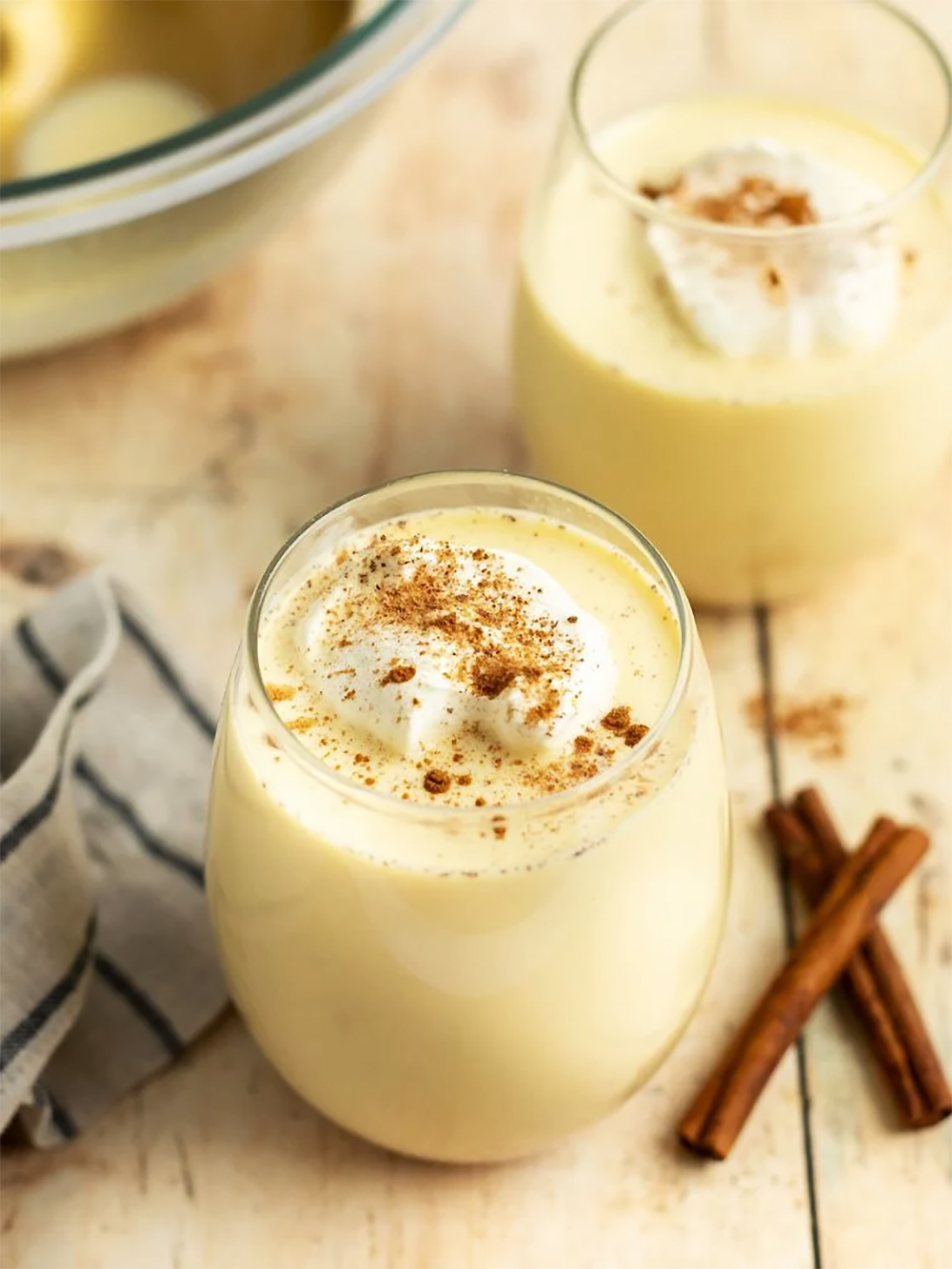 |
Eggnog is typically served cold. Photo: Jennifer Segal |
Eggnog is typically served cold. Photo: Jennifer Segal
For a lighter, fluffier texture, whipped egg whites can be incorporated. Puerto Rican eggnog variations include coconut cream, coconut milk, condensed milk, rum, and various spices. Americans now regard eggnog as a traditional Christmas beverage, similar to Europe's mulled wine, but typically served chilled. The drink even makes an appearance in the classic Christmas film, 'Home Alone'.
By Tam Anh (Source: Taste Atlas, National Geographic)