Forty-six flight routes between China and Japan have been canceled for the next two weeks, coinciding with China's New Year holiday from 1/1 to 3/1. This disruption, reported by the Flight Manager application developed by Huo Li Tian Hui Technology (Shenzhen), impacts a total of 38 airports across both countries, primarily affecting popular tourist destinations.
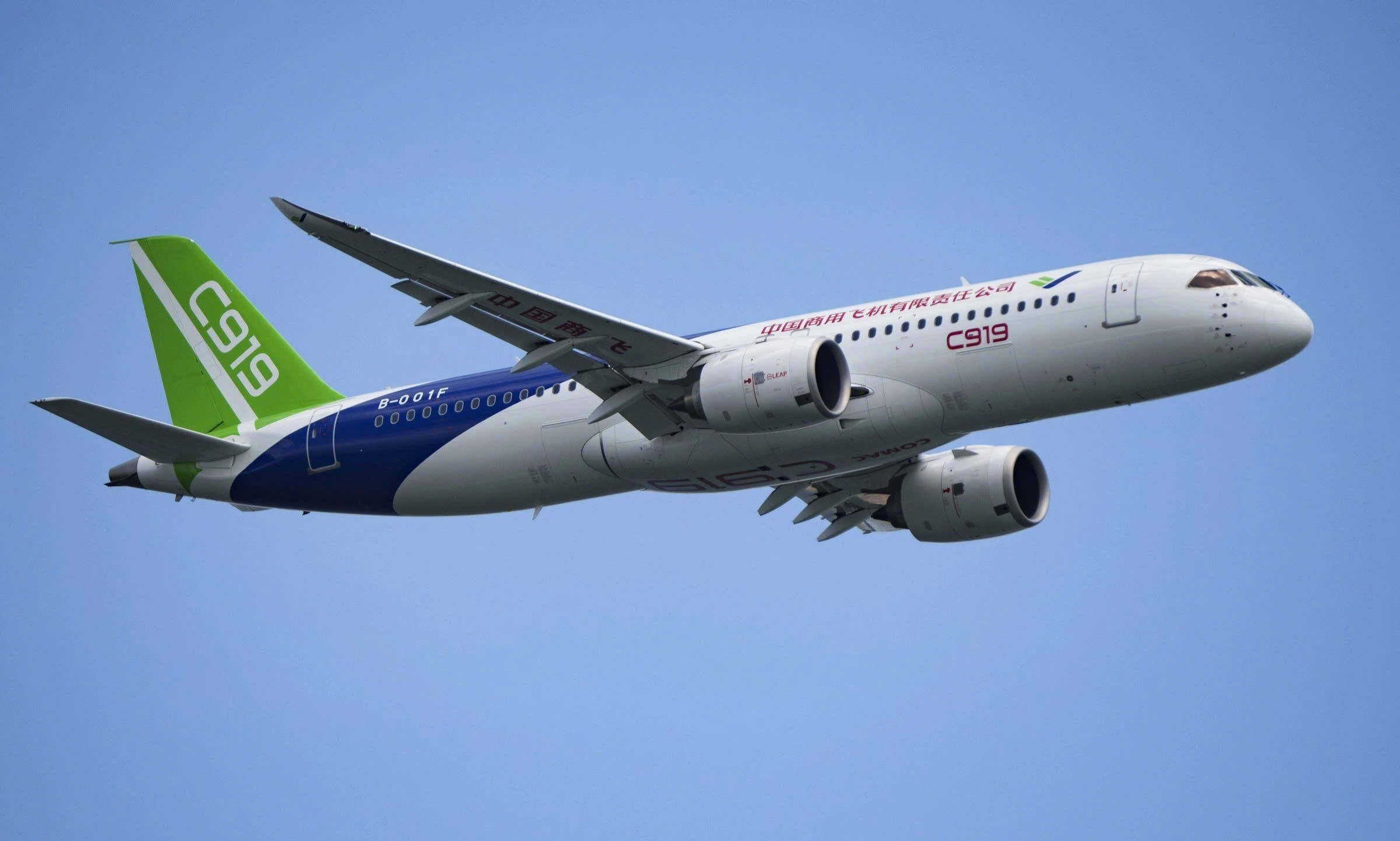 |
China's C919 aircraft performs at Singapore Airshow 2024. *AP* |
Data compiled by the Hong Kong-based SCMP newspaper from Flight Manager reveals that all canceled flights are operated by Chinese airlines. Major carriers such as Air China, China Eastern Airlines, Hainan Airlines, Xiamen Airlines, and Sichuan Airlines are among those affected.
Osaka and Nagoya are experiencing the most severe impact in Japan. About half of the 46 canceled routes connect China's second and third-tier cities, including Shenyang, Chongqing, and Wuhan, with major Japanese tourist hubs. Direct flights from Shanghai to smaller cities like Nagasaki, Niigata, and Kagoshima are also suspended for the next two weeks. However, routes between major metropolitan areas such as Beijing and Shanghai to Tokyo and Osaka show only limited disruption.
 |
Tourists check in at Mount Fuji in Japan. *Reuters* |
In December, approximately 1,900 flights, representing over 40% of the planned schedule, were canceled. This number is projected to increase next month.
Bilateral tensions escalated in November following statements by Japanese Prime Minister Sanae Takaichi regarding the Taiwan Strait issue. Subsequently, Beijing advised its citizens to limit travel to Japan for safety reasons. Additionally, strong earthquakes in northeastern Japan and Hokkaido earlier this month prompted Chinese authorities to issue similar warnings.
Data from the Japan National Tourism Organization (JNTO) indicates that the number of Chinese visitors to Japan in November increased by only 3% compared to the same period last year, falling short of the overall 10,4% growth for international visitors. Despite this, the total number of visitors from China for the first 11 months of the year combined still saw a 37,5% increase compared to the same period.
Tuan Anh (According to SPMC, Reuters)