On 23/12, Le Nhat Thanh, founder and director of the Pho Museum, stated that the project is in its final stages of completion. It is preparing to welcome visitors in early 2026, coinciding with the peak season for international tourists arriving in Ho Chi Minh City.
The museum is situated in a prominent tourist area, near popular streets like Bui Vien, Pham Ngu Lao, and Ben Thanh Market. Spanning approximately 800 square meters across 3 floors, the Pho Museum offers a 60-75 minute closed-loop tour. This tour combines cultural discovery, entertainment, culinary experiences, and shopping.
The journey begins on the 3rd floor, where visitors watch a 10-minute short film. This film narrates the history and evolution of pho across Vietnam's three regions: North, Central, and South. It also showcases the beautiful landscapes, culture, and daily life of Vietnamese people over a century.
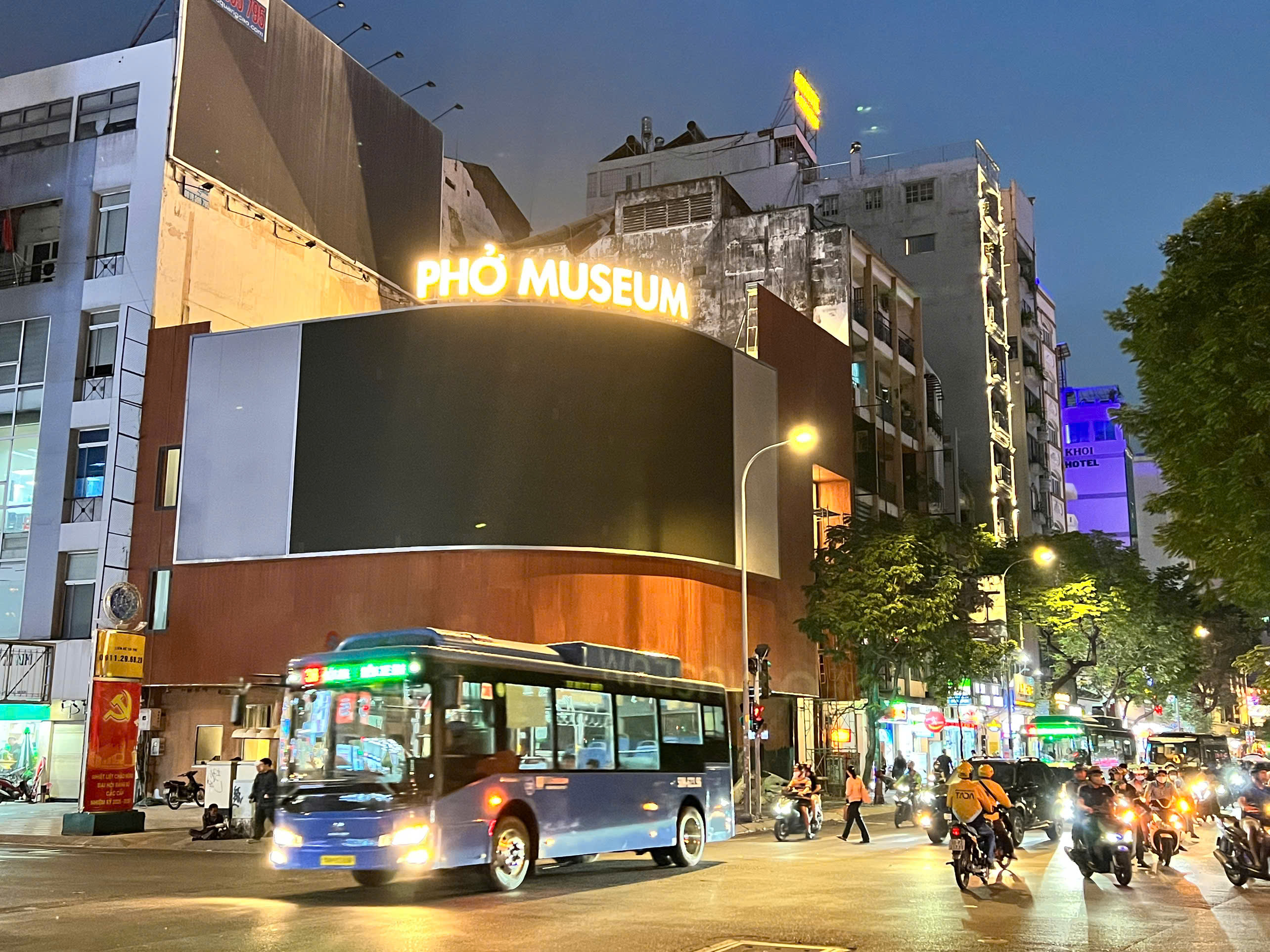 |
The exterior of the pho museum.
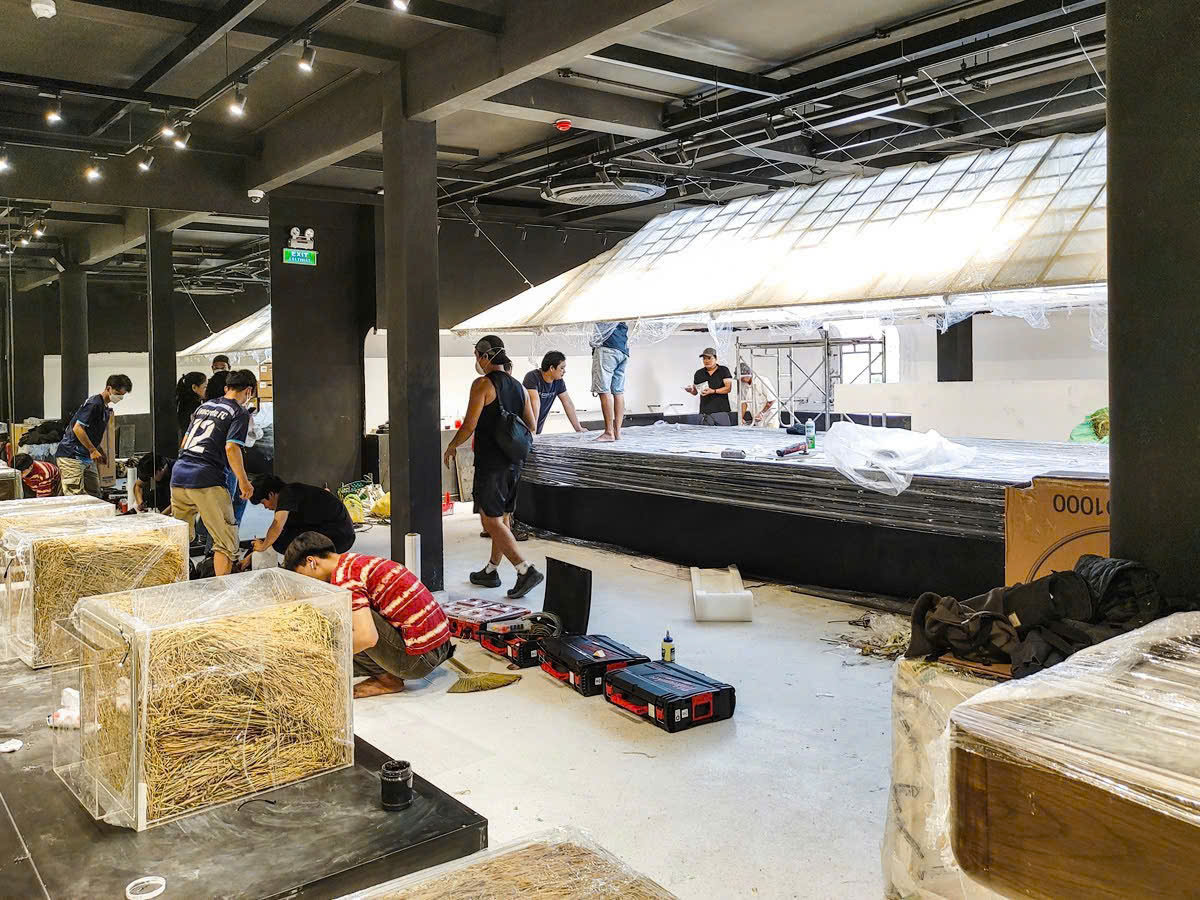 |
The 3rd floor of the museum during its completion phase.
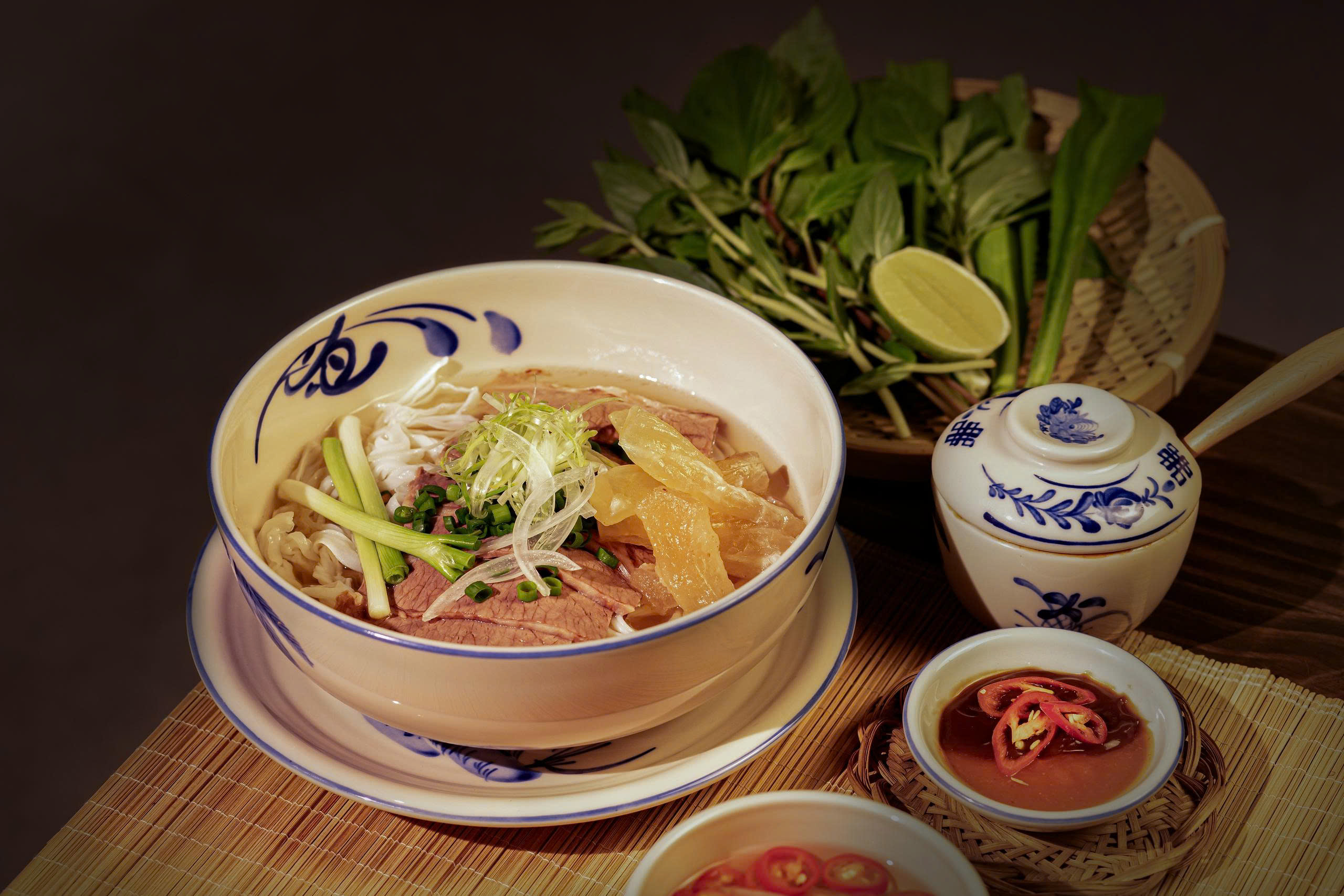 |
A 260,000 VND bowl of pho at the museum.
Next, an exhibition area displays 209 collected and restored artifacts. These include ceramic bowls and dishes from traditional kilns in Bat Trang, Bien Hoa, Binh Duong, and Hoi An, along with cooking pots, preparation tools, and art. A highlight is artisan Van Cu's traditional street vendor's pho cart, evoking familiar scenes from the early 20th century.
The 3rd floor also features interactive games for visitors to learn about pho ingredients and recipes. This helps them understand why pho has become an intangible cultural heritage. This space will be updated every two to three months to offer fresh experiences. The inaugural theme focuses on wet rice cultivation, illustrating the journey from grain to table.
On the 2nd floor, visitors can observe artisans demonstrating the manual pho-making process. This includes preparing noodle sheets, cutting noodles, and ingredient preparation. The area features a large screen projecting Vietnamese landscapes, creating the sensation of enjoying pho amidst Ha Long Bay or the tea hills of Tay Bac.
The 1st floor showcases pho-themed souvenirs and regional specialties. The journey concludes with visitors enjoying a special bowl of pho.
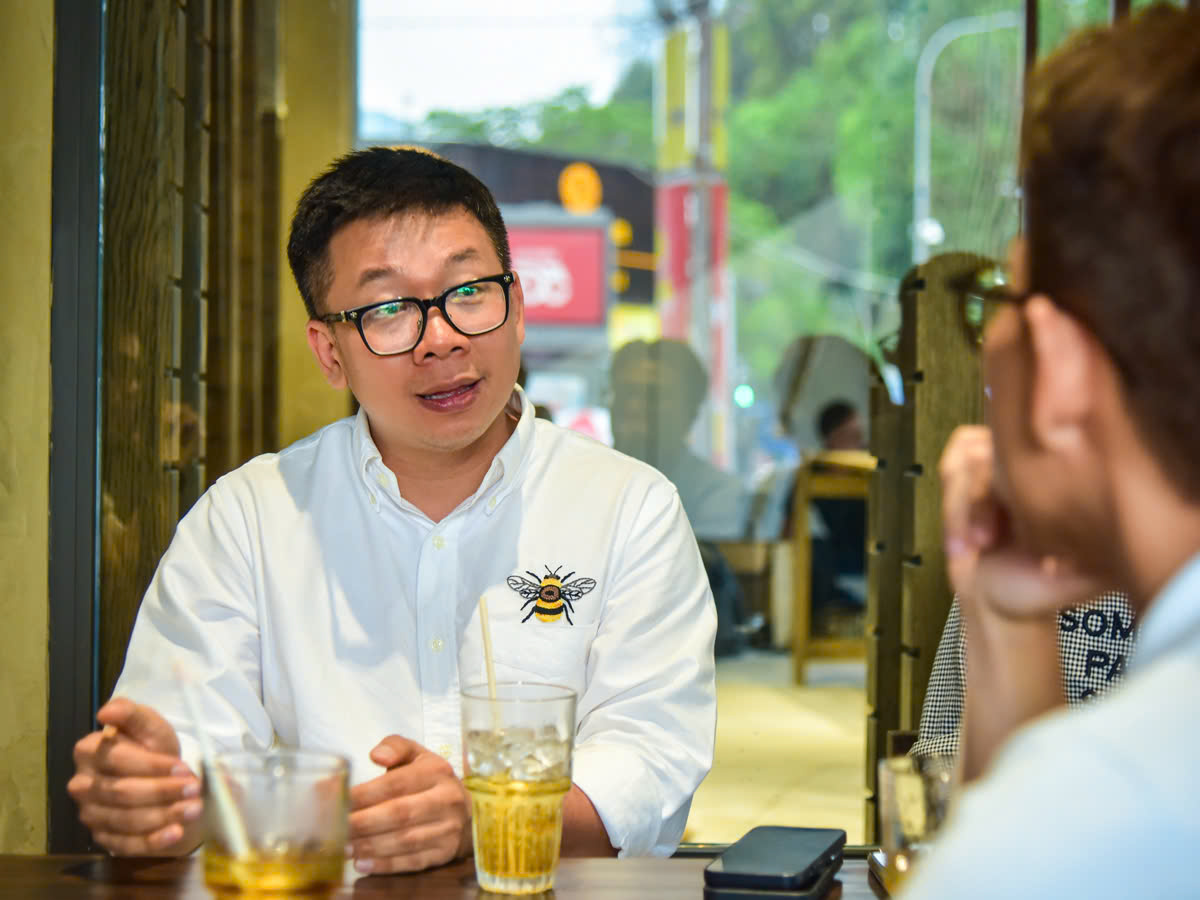 |
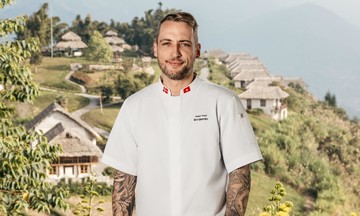
Le Nhat Thanh, founder of the Pho Museum in Ho Chi Minh City. Photo: Le Nam
The all-inclusive tour costs 750,000 VND for adults and 500,000 VND for children. This package includes the tour, a souvenir, and a special bowl of pho. Visitors who opt out of the full tour can purchase individual bowls of pho starting from 125,000 VND. The museum's special pho is priced at 260,000 VND.
The pho served at the museum features a broth that blends flavors from all three regions, adjusted to suit Southern tastes. The pho noodles come from the traditional Nguyen Binh establishment in Thu Duc, Ho Chi Minh City. The beef is raised using Japanese technology in Ba Vi, following specialized care processes.
Le Nhat Thanh revealed that the idea for a pho museum originated from his experience at the Ramen Museum in Yokohama, Japan. There, the story of ramen noodles is told in an engaging and structured manner. According to Thanh, Vietnamese pho is equally famous as ramen, having frequently ranked among the world's best noodle dishes. However, it lacked a dedicated space to showcase its century-long cultural and historical journey.
"The Pho Museum was established with the desire to share the story of Vietnamese pho with international friends," Thanh said.
By Bich Phuong