World-renowned chef Gordon Ramsay (US) frequently shouts at his staff. His mentor, Marco Pierre White (UK), was even more formidable, constantly throwing pans and plates in the kitchen. White even titled his memoir "The Devil in the Kitchen", partly due to the severe punishments he imposed on the chefs under him.
"If you are not afraid of your boss, you will cut corners, you will be late for work", White wrote, adding that the team of chefs at Harveys accepted this. "They are all pressure junkies; they have to be. They never seem to tire of being yelled at."
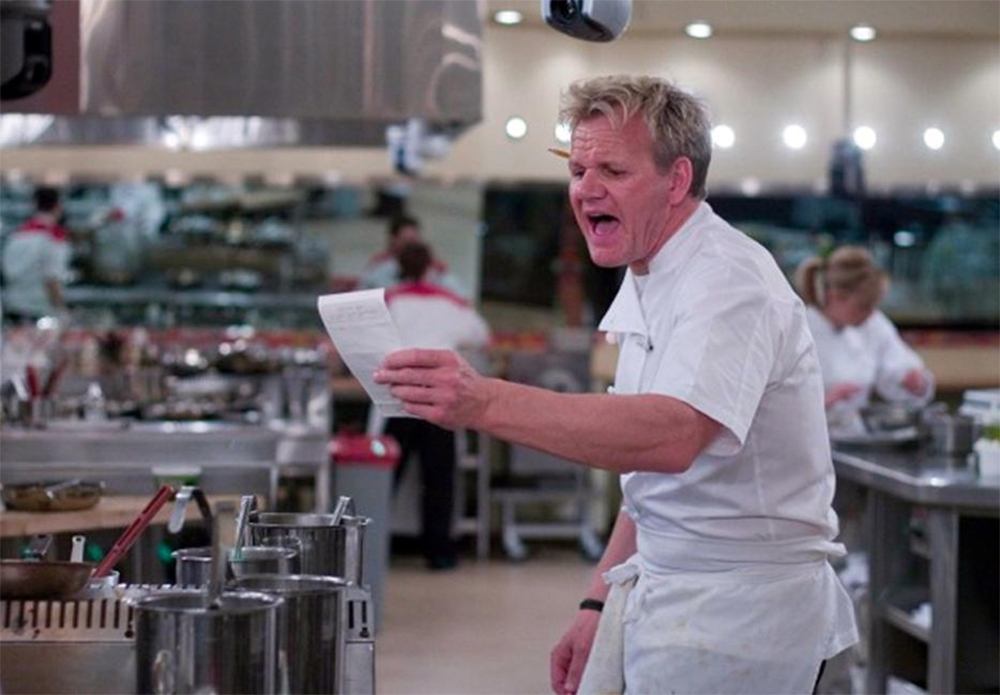 |
Gordon Ramsay in his kitchen. Photo: Hazlitt
Kitchens like "military barracks"
Most modern professional kitchens use the French hierarchical system known as Brigade de Cuisine. This organizational system was developed in the early 20th century by French chef Auguste Escoffier, based on his military experience.
This system helps kitchens operate smoothly by establishing clear roles and assigning responsibilities to individuals with different specialties. If you work in the hospitality industry, you might have heard of Brigade de Cuisine or familiar terms like sous chef or chef de partie.
In this system, each member has a specialty, from the head chef, sauce maker, and roast chef to the fish chef. Their coordination and communication, with familiar phrases like "hand" or "yes, chef", are designed to ensure speed, consistency, and hygiene.
The kitchen atmosphere is always tense and chaotic. Escoffier himself once wrote that his first head chef could not run a kitchen without "a storm of slaps".
Culinary genius or devil chef?
Rene Redzepi, a knighted world-leading chef, founded Noma, a restaurant that received 3 Michelin stars and topped The World's 50 Best Restaurants list five times. He announced his resignation last week after The New York Times published an investigative report stating that dozens of former employees recounted experiences of abuse and assault at the Copenhagen restaurant between 2009 and 2017.
The incident involving Rene Redzepi and Noma disappointed many. The fine dining industry has long been known for its harsh kitchen culture, so stories of yelling or violence were once common.
The downfall of Rene Redzepi's image forced the culinary industry to directly confront the question: when did kitchen teams become associated with abuse of power or mistreatment, and what happens to the leaders who create these "edible works of art"?
Former employees stated that Redzepi was never truly held accountable for his behavior. They accused him of punching employees, poking them with kitchen utensils, and even threatening to cause them to lose their jobs and ruin their families.
Jason Ignacio White, Noma's former head of the fermentation lab, collected anonymous testimonies of abuse at the restaurant and posted them on Instagram. The posts received millions of views. "Noma destroyed my passion for this industry. I suffered from severe anxiety, having panic attacks in the middle of the night. The trauma, abuse, and feeling that nothing would change made me leave the profession."
Later, the restaurant designed an open kitchen to blur the lines between the kitchen and the dining room. When Redzepi wanted to discipline staff in the kitchen while guests were present, he would bend down under the counter and poke their legs with his hand or a kitchen utensil, some employees told The Times.
Noma also appeared as a training ground for the two main characters in The Bear, a show where Redzepi was also a guest. He is no stranger to cameras: Redzepi was recorded shouting at chefs in the 2008 documentary Noma at Boiling Point, and has publicly apologized multiple times.
In a 2015 article, he admitted: "I have been a bully for most of my career. I have yelled and pushed people. Sometimes I was a bad boss."
The harsh pressure of the modern kitchen
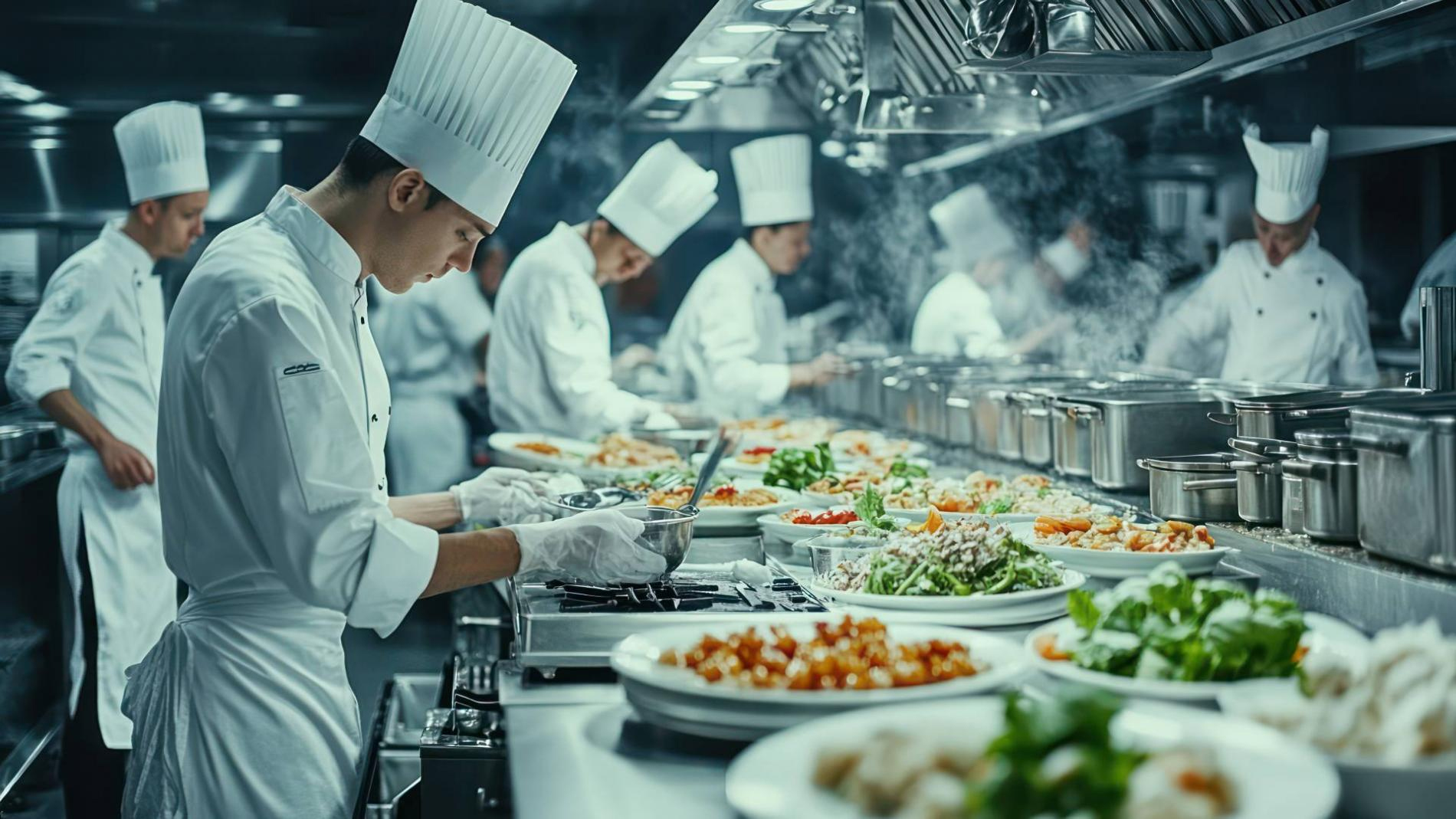 |
The Brigade de Cuisine model, where each person typically has a specific task. Photo: silikomart
Personal accounts and academic research reveal that behind the glamorous image of restaurants lies much suffering. Today, professional kitchens are considered one of the harshest workplaces, combining long hours, cramped spaces, strict hierarchies, demanding working conditions, and constant pressure.
Writer George Orwell, author of the novel Nineteen Eighty-Four, once described restaurant kitchens of his time as places where one person in the system would shout at a subordinate, who would then shout at the next person down. Crying in the kitchen was not uncommon.
Since the 1970s, as the image of the chef as a creative artist became popular and Michelin standards became an obsession, ego and pressure in kitchens intensified.
In his 2006 memoir, Marco Pierre White described his kitchen at Harveys in London as "The Theatre of Cruelty". Anthony Bourdain's memoir, Kitchen Confidential, depicted kitchens filled with "hot arguments, exaggerated displays of masculinity, and drunken shouting fits".
A 2021 study by University of Cardiff interviewed 47 leading chefs and found that kitchens can create an environment where junior staff feel invisible, isolated, and alienated. The study also showed that chef behavior can make the kitchen "an instrument of social withdrawal and a symbol of deviance".
Many apprentices of famous chefs choose to remain silent. They do not want to lose the opportunity to learn from the best or jeopardize a brilliant culinary career. This is also reflected in the popular television series The Bear, where the main character Carmy Berzatto endures public abuse to apprentice under a world-leading chef.
Redzepi also realized that old practices were driving talented young chefs away from the profession, threatening the future of gastronomy. "The only way to seize the opportunities of the present is to confront the uncomfortable legacies of the past and together forge a new path for the future", he stated.
This culture was once widely popularized in society through reality television shows featuring famous chefs. The question remains whether the era of bullying and intimidation in fine dining kitchens, long renowned for this culture, has finally ended.
"This profession is already extremely demanding, even for very good chefs, so such a culture is almost inevitable", said Robin Burrow, an associate professor at University of York.
Tam Anh compiled