 |
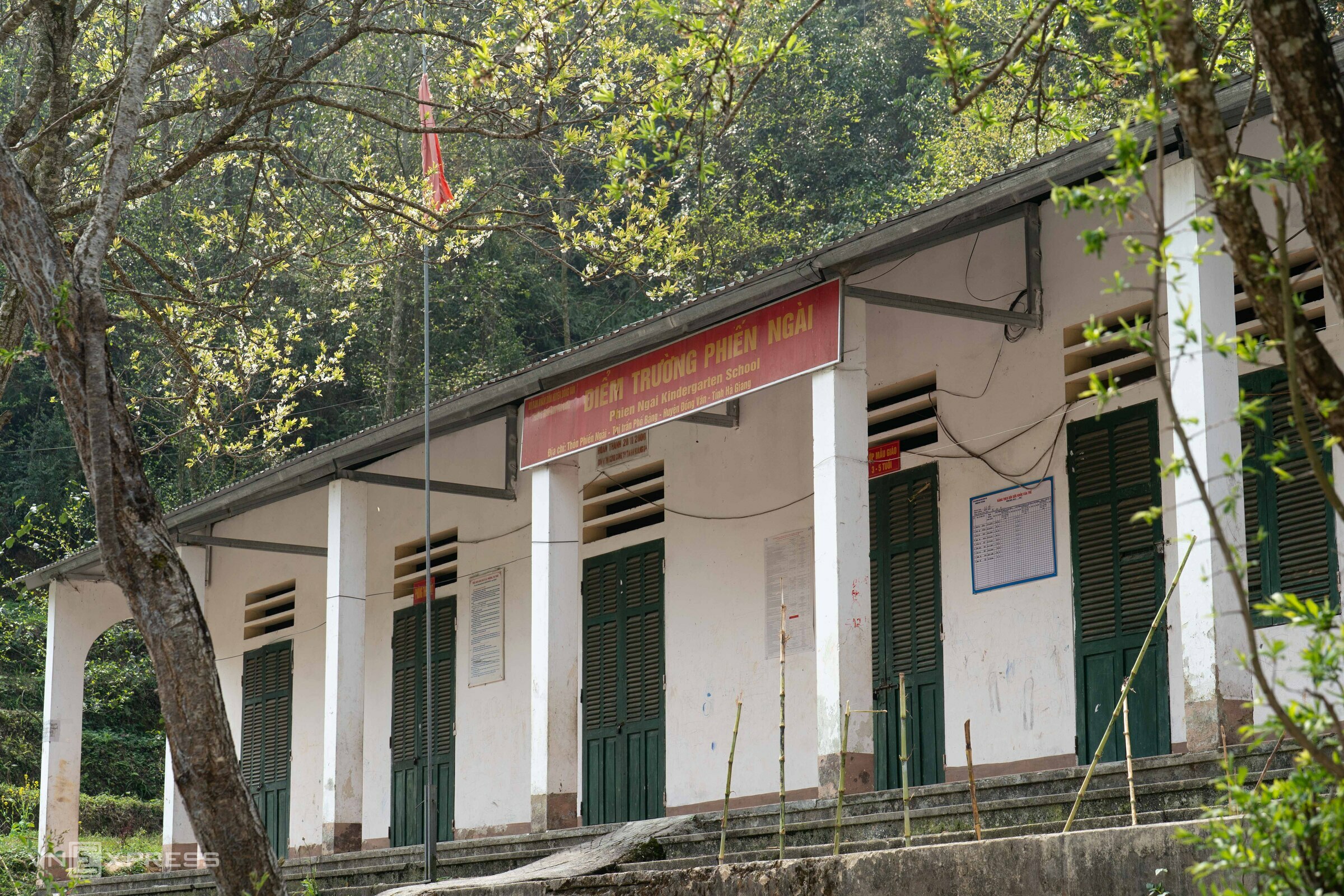
Compared to areas like Quan Ba and Dong Van, Pho Bang attracts fewer tourists, despite its historical role as the former capital of Dong Van district. Local residents state that after the 1979 border war, the administrative center relocated to Dong Van, causing trade to decline.
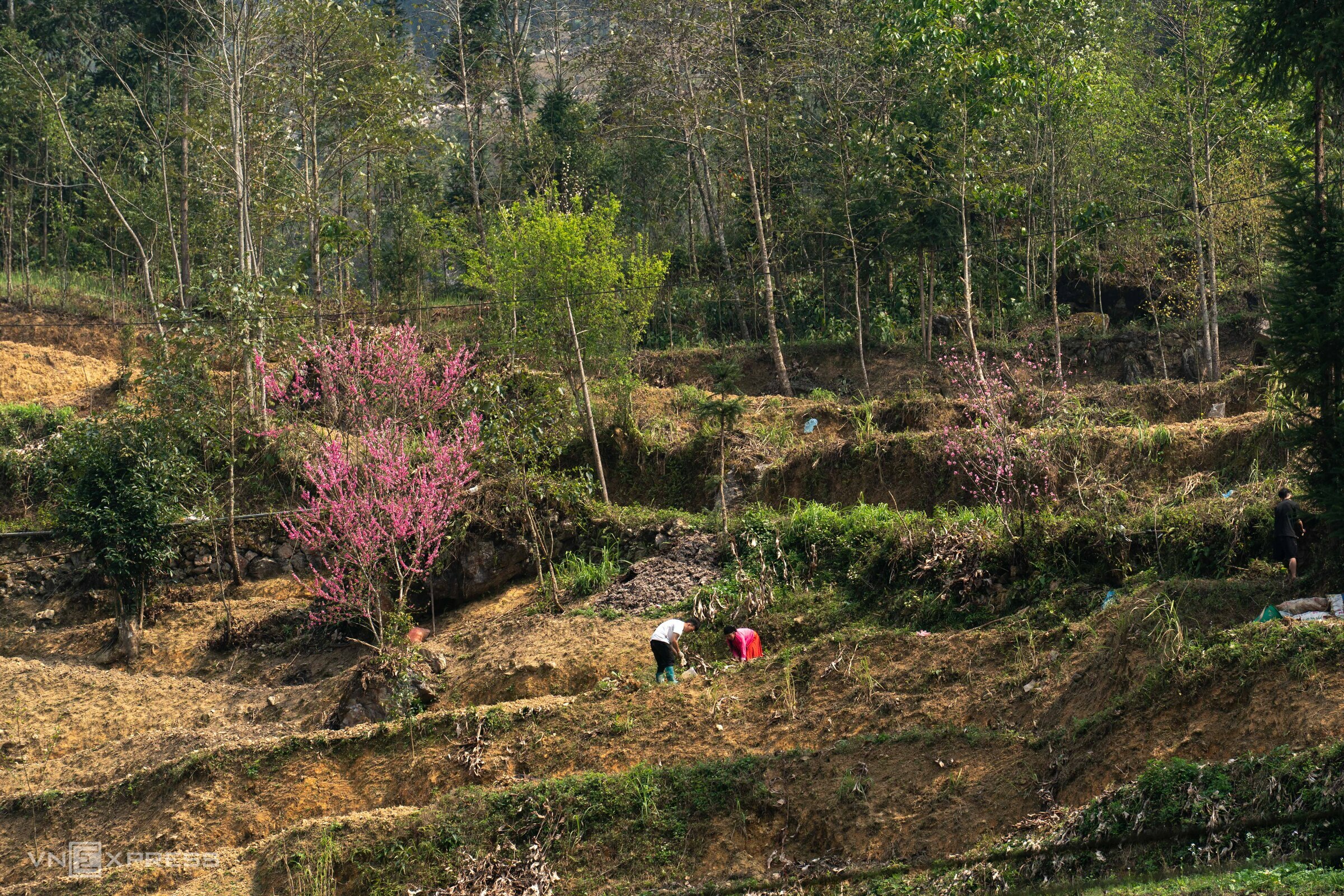 |
Located about 120 km from Ha Giang town center, limited tourism promotion also means visitors often 'overlook' this town.
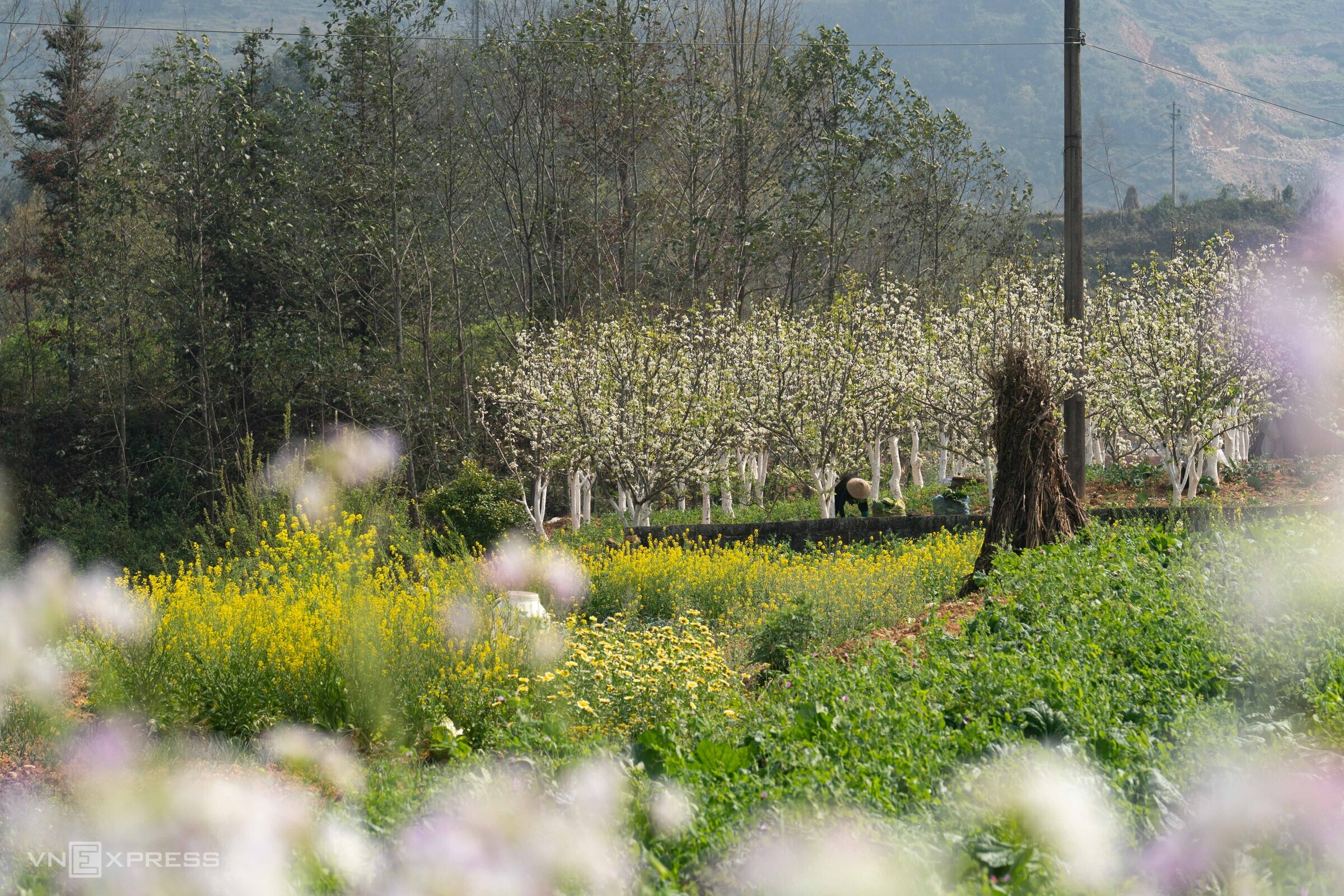 |
Every march, Pho Bang bursts with white pear blossoms and yellow mustard flowers. Annually, in late february, Pho Bang hosts a pear blossom festival, celebrating a flower deeply connected to the lives of its ethnic minority communities. Pho Bang commune boasts 50 ha of pear orchards, making it the largest pear growing area within the Dong Van Karst Plateau Geopark.
A pear orchard with 140 trees in Pho Bang commune. The owner stated that visitors primarily arrive during the festival. On weekends or weekdays, guests are few.
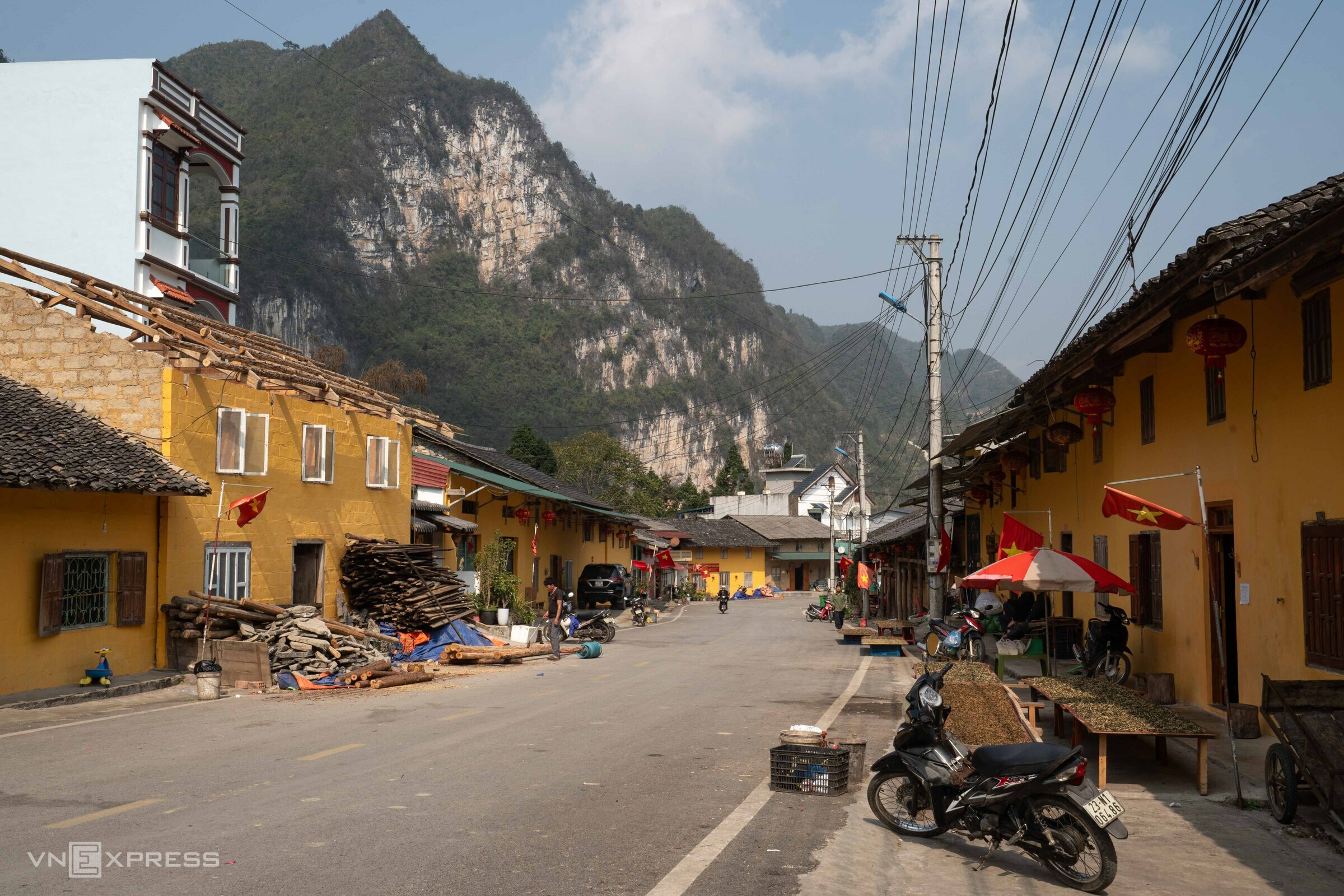 |
Venturing deeper into the old town, visitors can enjoy a slower pace of life along rows of traditional yellow rammed-earth houses, topped with yin-yang tiled roofs.
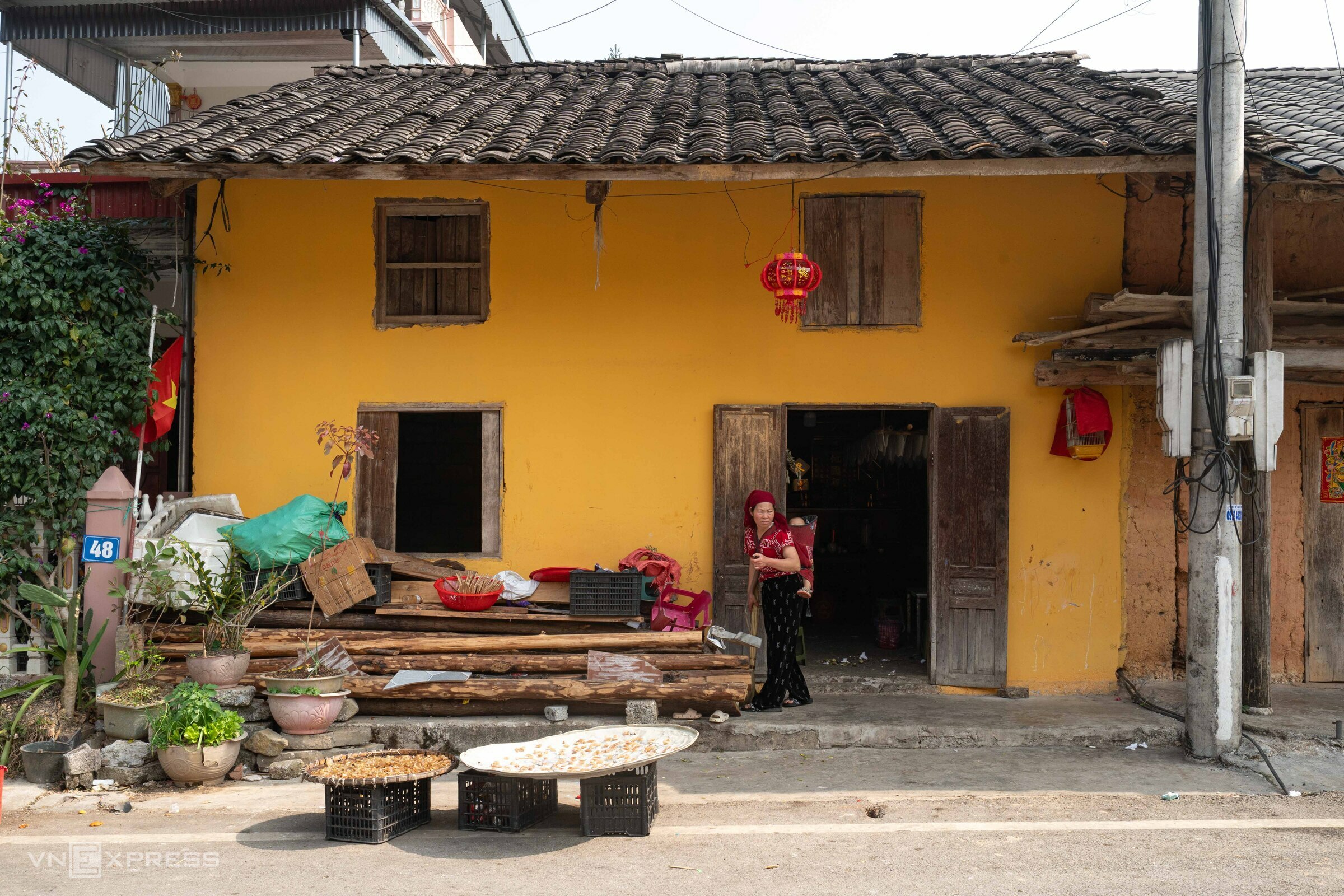 |
In front of each house, lanterns and incense sticks, characteristic of the Han people – the primary ethnic group in Pho Bang – are displayed. Some visitors have remarked that the old houses appear 'forgotten by time'.
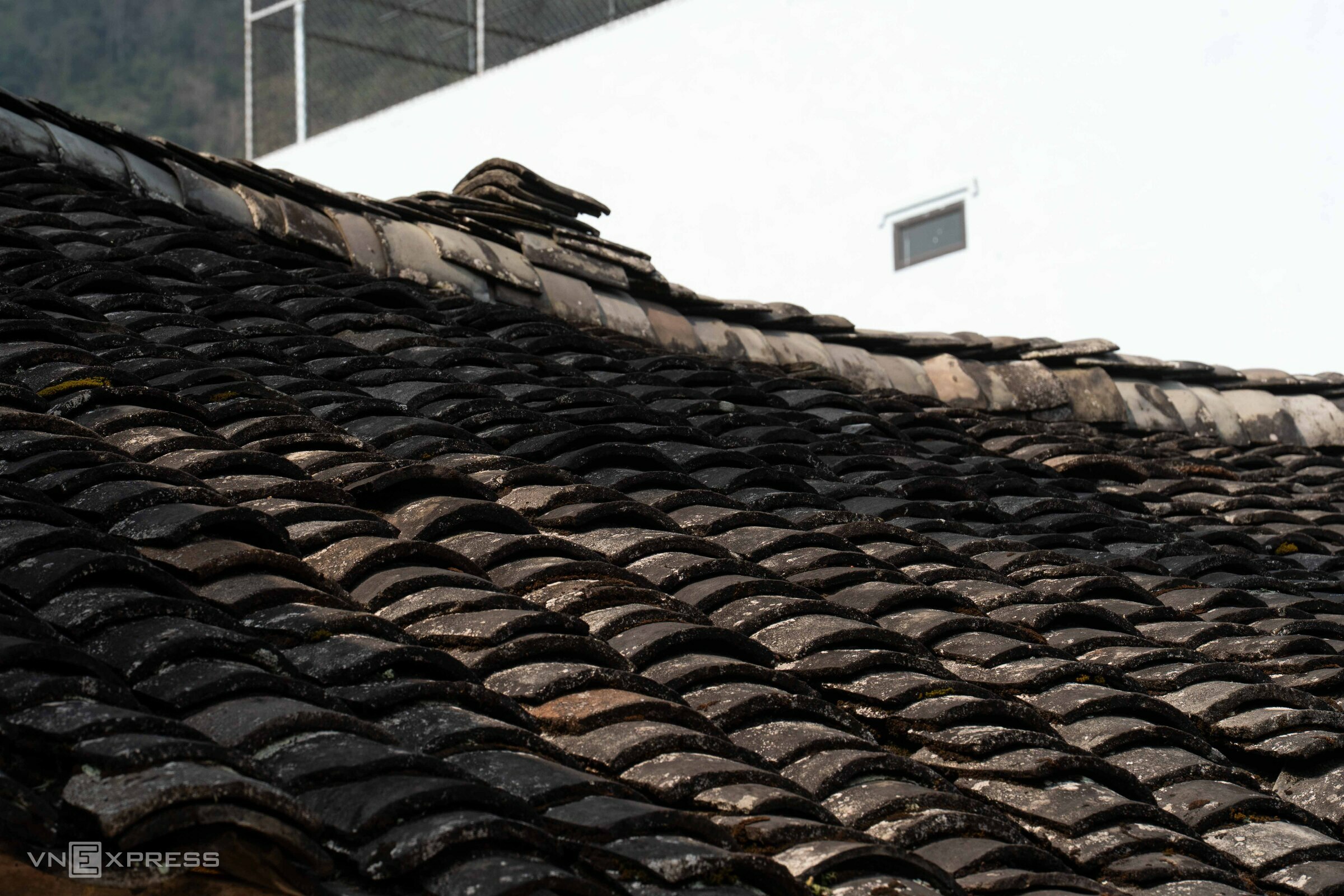 |
Many houses still feature traditional yin-yang tiled roofs. However, most homes in the area just beyond this street have been modernized.
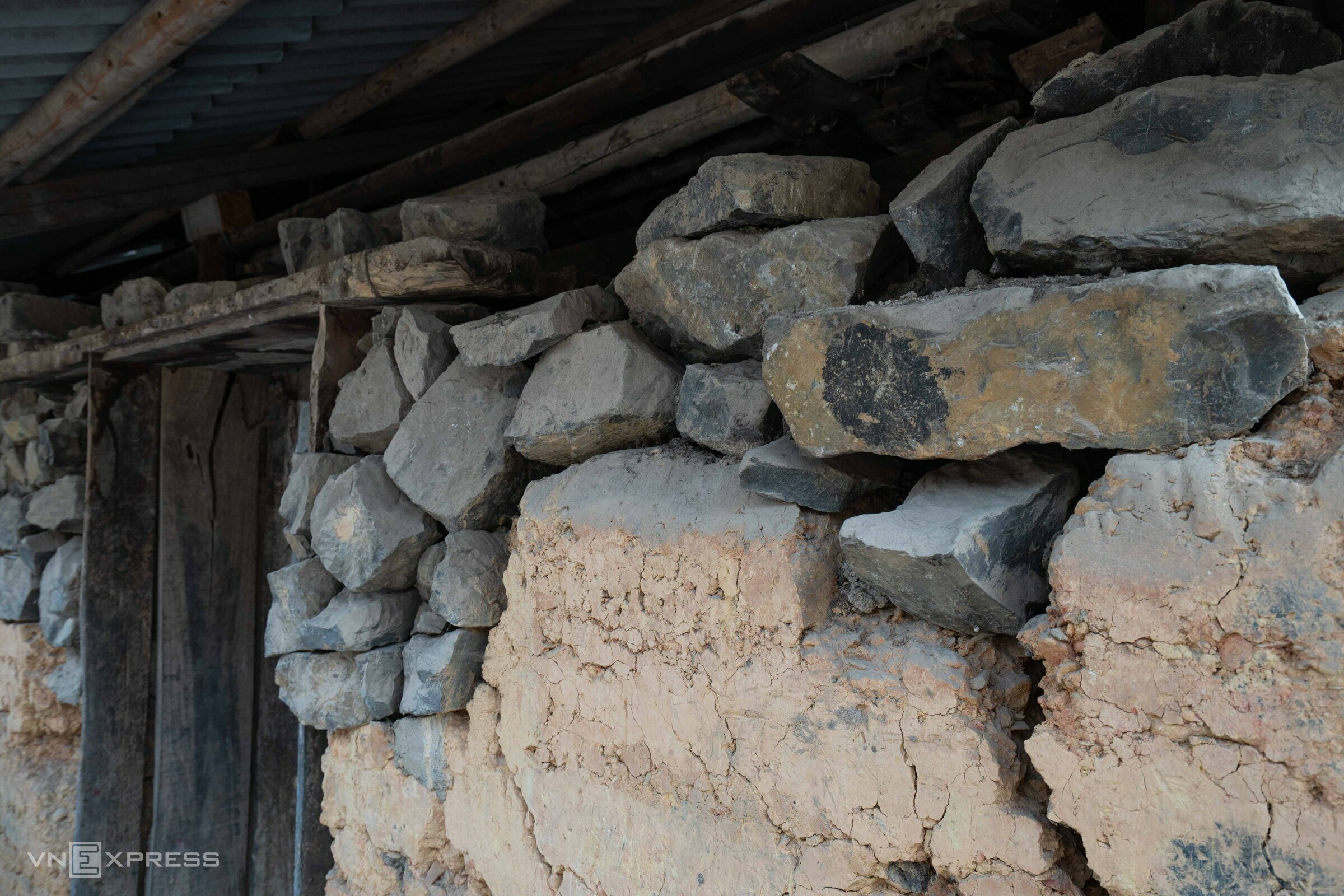 |
The walls combine rammed earth with large, rough-hewn stone slabs. Residents use these stones to reinforce the rammed-earth sections, particularly in load-bearing areas or near door frames. The stones are stacked tightly and naturally, requiring no industrial binders.
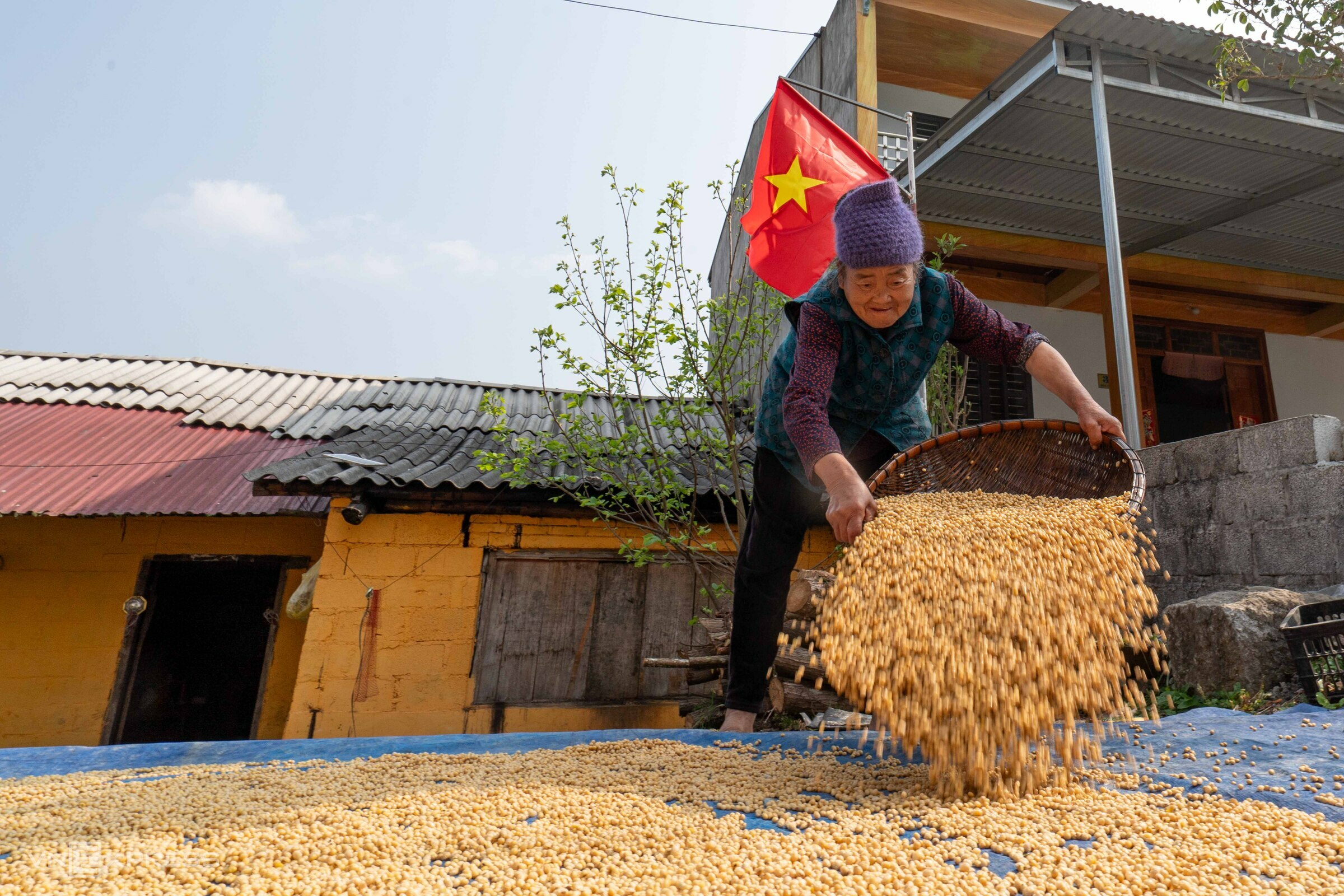 |
Residents use the road to dry corn and medicinal herbs under the sun.
The streets are mostly deserted, with only a few motorbikes passing by occasionally.
The town offers only a few small hotels and homestays, which are often empty. Dining options are limited; within a 2-3 km radius of the center, visitors might find one or two stalls selling chicken hotpot and pho.
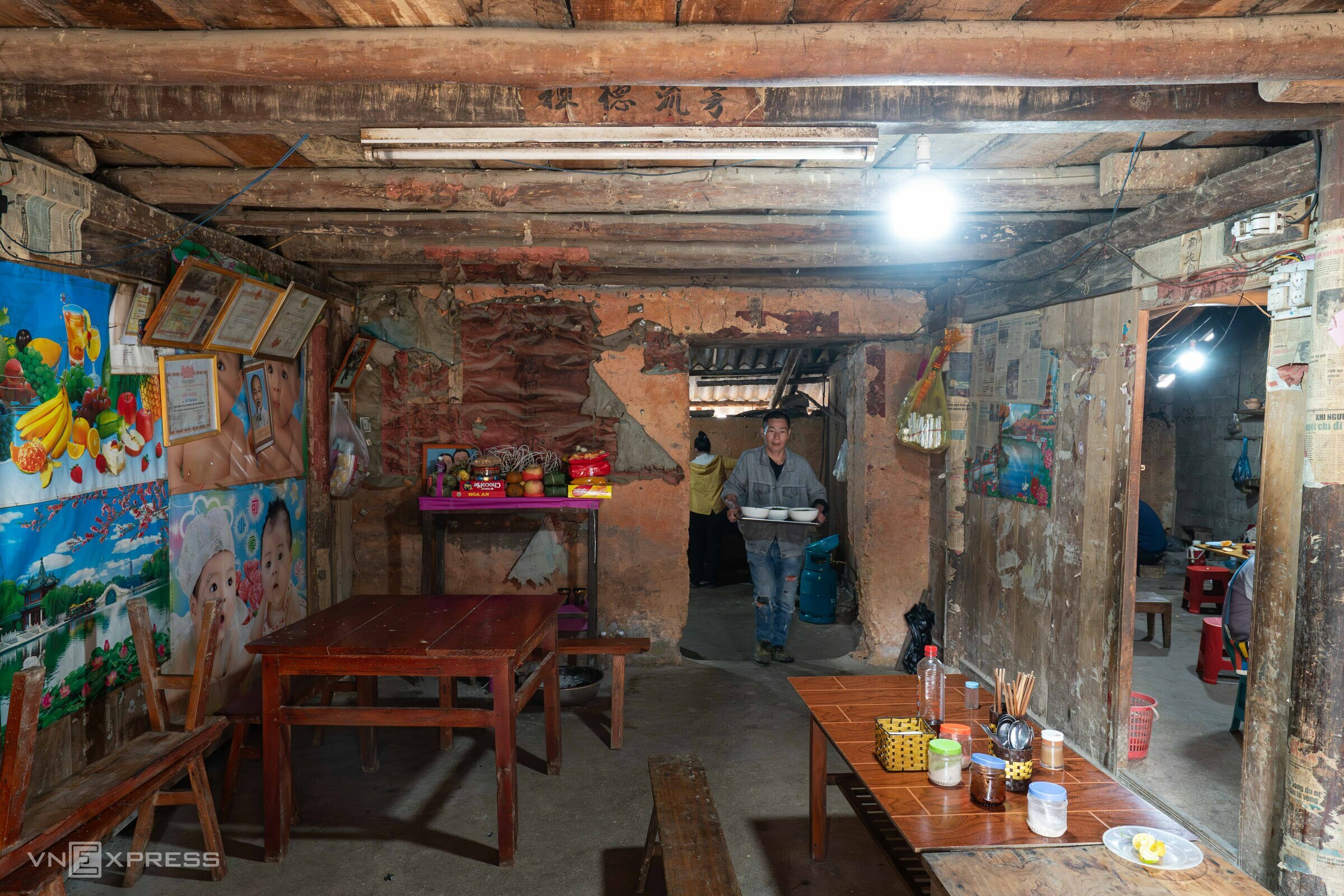 |
Inside a Han ethnic resident's house, pho is served in the morning and hotpot in the evening. The space showcases indigenous architecture with rammed-earth walls and a wooden post-and-beam system.
Food prices average 50,000 VND for chicken pho and handmade rice noodles. A hotpot meal typically costs 150,000-200,000 VND per person, featuring ingredients such as chicken, corn, and stone cakes.
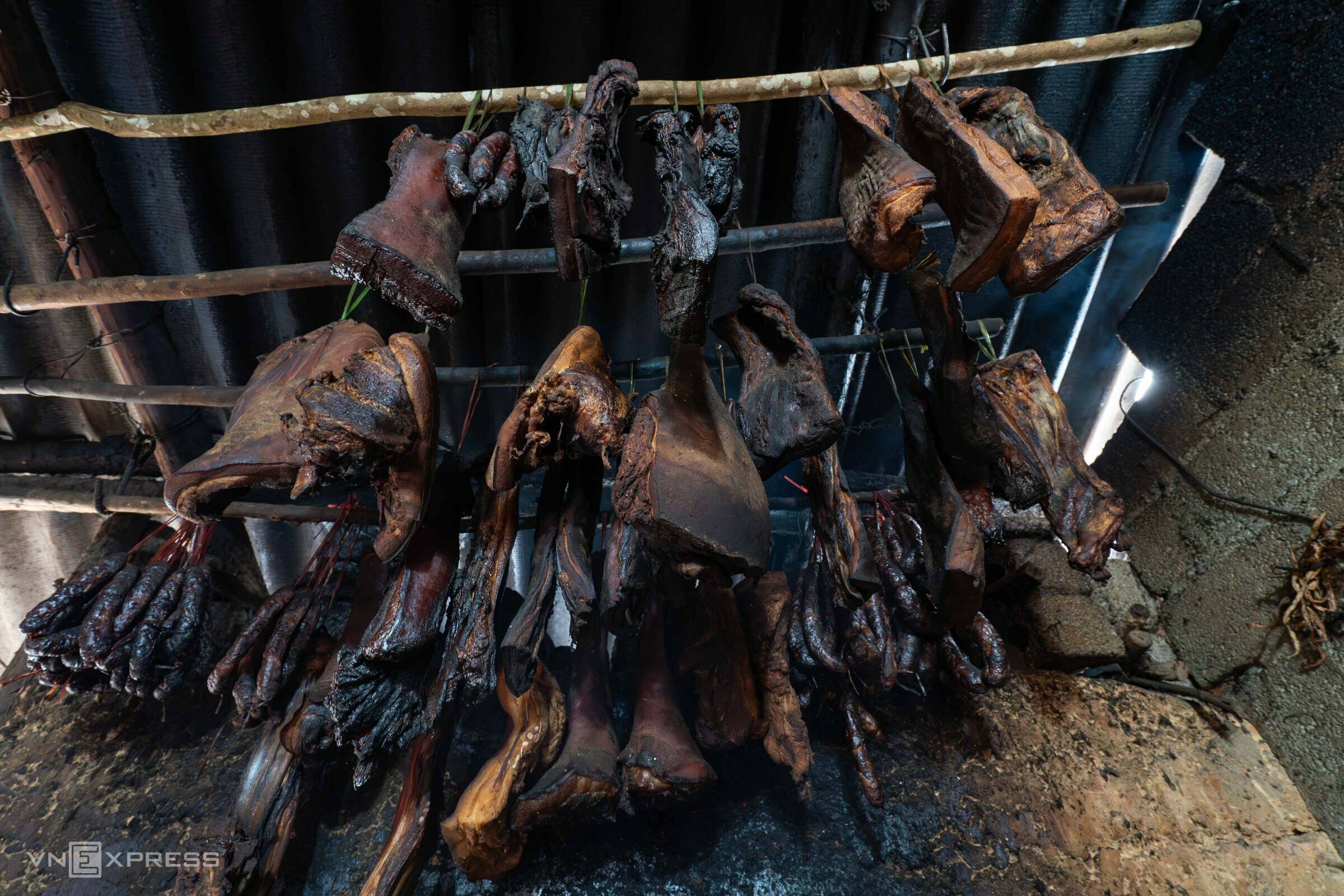 |
In the kitchen corner, residents often hang buffalo meat and sausages. After meals, hosts often invite guests to gather around the fire, drink tea, and chat.
Hoai Anh
Photo: Hoang Giang